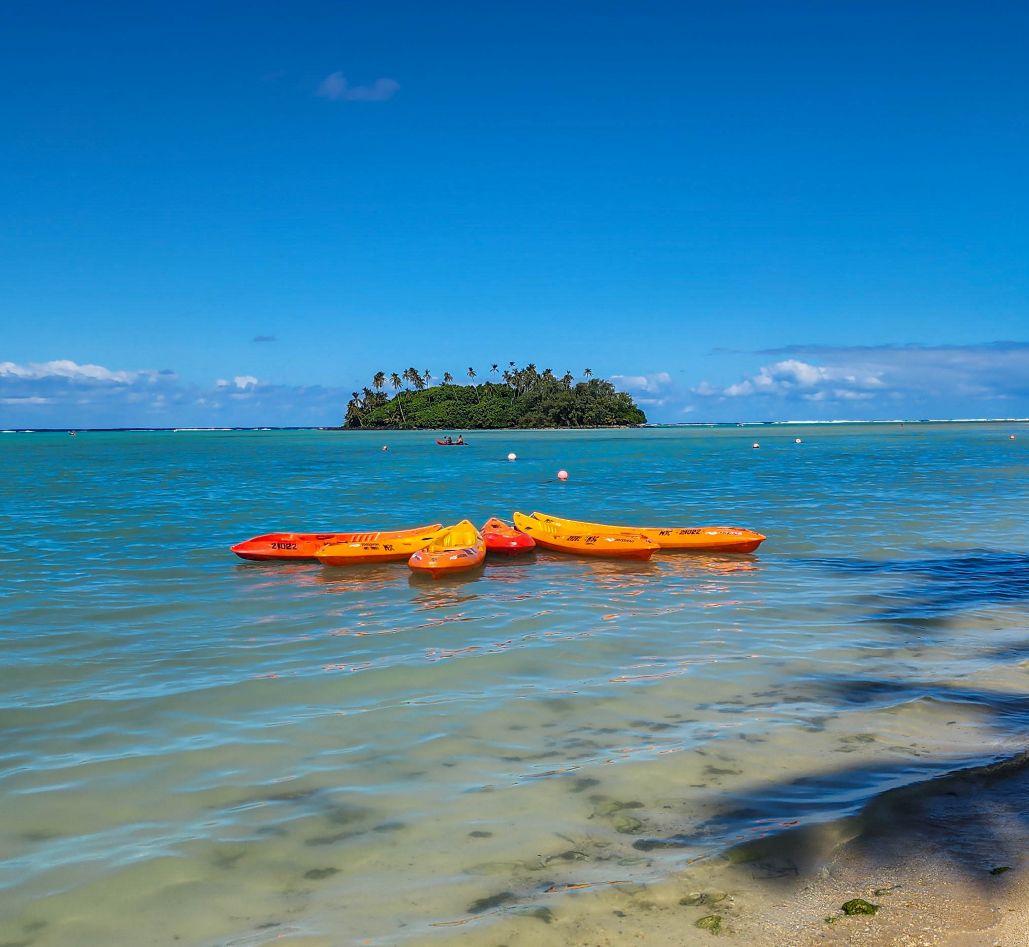
New Zealand often gets called a paradise, but there are definitely some practical and cultural challenges that could make you think twice about moving here or even consider leaving.
After spending four years in New Zealand, I’ve put together my thoughts and found nine reasons why this place might not be everyone’s perfect fit.
These reasons aren’t in any particular order. It comes from my personal experience, but I really think they’re worth considering if you’re considering making the leap.
So let’s dive into my nine reasons why you might want to rethink calling New Zealand home.
1️⃣High Cost of Living
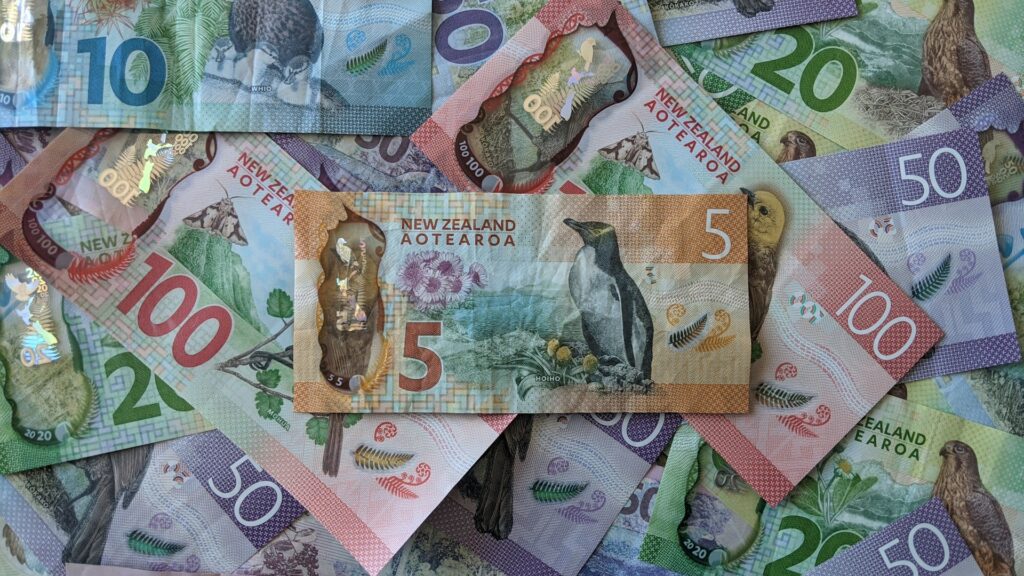
New Zealand has a cool lifestyle that many people love, but it’s good to know about the cost of living. That is especially if you’re thinking about moving there. Housing prices in cities like Auckland, Wellington, and Christchurch can be pretty steep. As of February 2026, the average price for a home in Auckland is NZ$1,014,000 (REINZ). If you’re on a budget, looking into shared housing or living in the suburbs could be a smart move.
Gas prices are usually higher than in many other countries, which can make getting around more expensive.
When it comes to everyday stuff like groceries and shopping, prices can be higher too, often more than what you’d find elsewhere. The variety of products might be a bit limited because New Zealand is so far from other countries and relies on imports.
2️⃣Limited Job Opportunities

Searching for a job can be tough, especially in specialized fields. As of April 1, 2026, minimum wages in New Zealand have gone up. The adult minimum wage is now NZ$23.95 per hour, up from NZ$23.50. The starting-out and training wages have also increased to NZ$19.16 per hour from NZ$18.80.
When it comes to salaries, the median pay in New Zealand is NZ$69,836. This means half of all workers earn more, and half earn less. On the other hand, the average salary is NZ$81,484, skewed higher by those top earners.
Unfortunately, the unemployment rate has been climbing as businesses have either laid off staff or stopped hiring due to a sluggish economy. Even though immigration has slowed down, the workforce is still growing.
In the year leading up to November 2024, a record 127,800 people left New Zealand, which is a 28% jump from the year before. More than half of those who left were New Zealand citizens, showing just how challenging the economy has become. With fewer job opportunities, many are heading to places like Australia, where things are looking better.
New Zealand’s job market is really changing. If you’re on the hunt for a job, click the link –Green list occupations qualifications and skills– to check out high-demand opportunities that make it easier to get a work visa quickly.
3️⃣Remote Location
New Zealand is an isolated country in the Southern Hemisphere. One big challenge of living here is the cost and logistics of traveling internationally. Since it’s so far away from other places, flying to and from New Zealand can really hit your wallet hard.
Airfare tends to be pricey, and travel times can feel long, which can be annoying for anyone who loves to explore. For instance, the most popular flight route is from Auckland Airport to Sydney Airport, Australia, the closest major city. This flight usually takes about 3 hours and 40 minutes one way. As of April 2026, a round-trip ticket for this route averages around USD $1,138.00—definitely a hefty price tag for many.
Because of all this, many Kiwis face a tough decision: either cut back on traveling abroad or face serious costs if they want to visit family and friends overseas. This isolation can be tricky, especially for those with loved ones in other parts of the world or those who love traveling to new places.
4️⃣ Unpredictable Weather
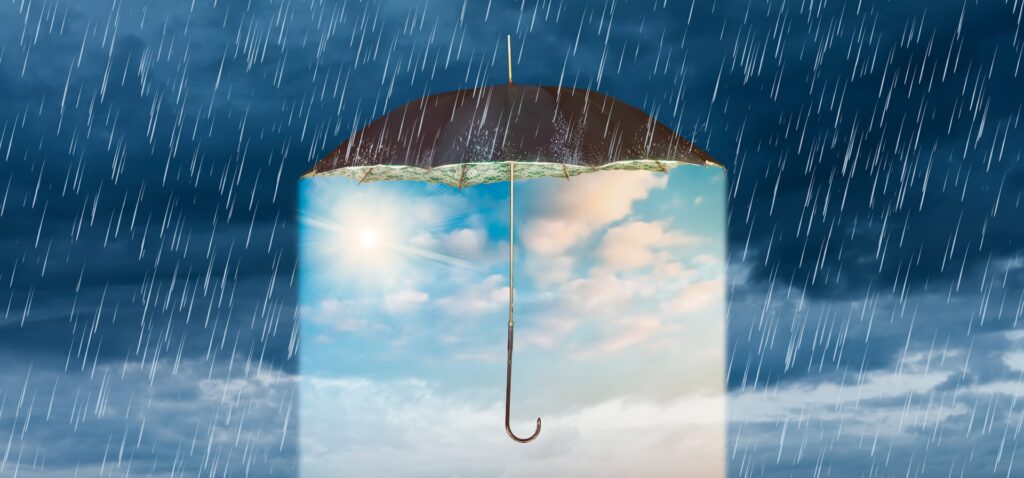
The weather in New Zealand can be pretty unpredictable, which is why I like to call it “bipolar.” You might kick off the day with bright sunshine. But then it can quickly turn into a wintry mix with strong winds and rain. Because of this, checking the weather forecast is super important when planning your trip.
To be ready for anything, it’s a good idea to pack a bunch of different clothes, like warm layers and waterproof gear. The West Coast is especially known for its heavy rain and gusty winds. So if you’re traveling that way, be prepared for some wet conditions. On the flip side, the North Island tends to have a more tropical vibe, with warmer temperatures and plenty of sunny days that can really amp up your outdoor fun.
The South Island is closer to Antarctica, so it has a short but nice summer. In the winter, temperatures can drop below freezing, and there’s a mix of snow and rain. Knowing these regional differences will definitely help you make the most of your adventure, no matter where you go in this amazing country.
5️⃣Healthcare Access

New Zealand has a public healthcare system that provides essential medical services to all residents. However, patients often face lengthy waiting times for various services and procedures. For instance, by the end of 2025, roughly 62% of patients had received their first specialist appointment within the target 4-month period. This means that nearly 40% of patients had to wait more than 4 months. In some cases, waiting 6 to 8 months or even longer.
Additionally, there is a waitlist for consultations. As of early 2025, around 200,000 individuals were on waiting lists for specialist appointments. This universal healthcare system clearly struggles to meet demand in a timely manner, hindering access to specialized care, elective surgeries, and other treatments, and resulting in delays in necessary medical attention. Consequently, individuals may need to prepare for extended waiting periods before receiving specific healthcare services.
6️⃣Cultural Adjustment

Adjusting to a new culture and way of life can be tough, especially if you’re used to city living. New Zealand might seem busy in places like Auckland and Wellington, but it’s actually pretty laid-back compared to the bigger cities in Australia, Europe, or the U.S.
When you move to New Zealand, no matter where you’re coming from, getting used to the relaxed “Kiwi” vibe is key. This means friendly, indirect communication, a small-town feel, and an overall chill culture.
For instance, Kiwis often prefer to be indirect when they talk and don’t like to come off as super pushy. You’ll hear them say things like “I was wondering if you could…” or “Would you mind…?” instead of just telling you what to do. They also tend to keep their true thoughts and feelings under wraps, as they generally avoid confrontation. Because of this, if you’re after some honest feedback at work or from friends, you might find it hard to get a straight answer.
Laid-back culture
The work environment is often described as pretty relaxed or “laid-back.” While that vibe can be nice, it might take a little time to get used to if you’re coming from a more formal place. Being laid-back has its perks, but when it comes to work ethic, it often takes a back seat for many companies and their employees.
Take home repairs, for instance. You call a company to schedule a visit, and they might take your info, but then forget to follow up. So, you end up having to chase them down to get someone to fix the issue. Even when they do set a time to come, they might show up late without giving you a heads-up. Plus, you should remind them to send you the invoice afterward.
It’s super frustrating!
Small Town Mentality

Living in New Zealand has its own charm that many people love, but it also comes with challenges for newcomers. One big thing you notice is the gossip; it creates an environment where everyone’s keeping tabs on each other, which can make newcomers feel more like the topic of discussion than actual members of the community.
On top of that, social connections can feel tight-knit. Many social groups have been around since high school, making it tough for outsiders to break in. While Kiwis are known for being friendly, some locals can be a bit hard to get to know. Even when they seem welcoming, it might take a lot of time and effort for newcomers to form real friendships, which can lead to connections that feel a bit shallow.
When it comes to socializing in New Zealand, things are usually more planned out than in other places. You won’t find many last-minute invites for drinks or hangouts. Instead, people tend to arrange gatherings well ahead of time. This reflects the strong bonds among residents, who often have a long history together. Because of this, newcomers may find it hard to invite themselves into those established social circles, which can make them feel even more isolated.
7️⃣Infrastructure and Driving in New Zealand
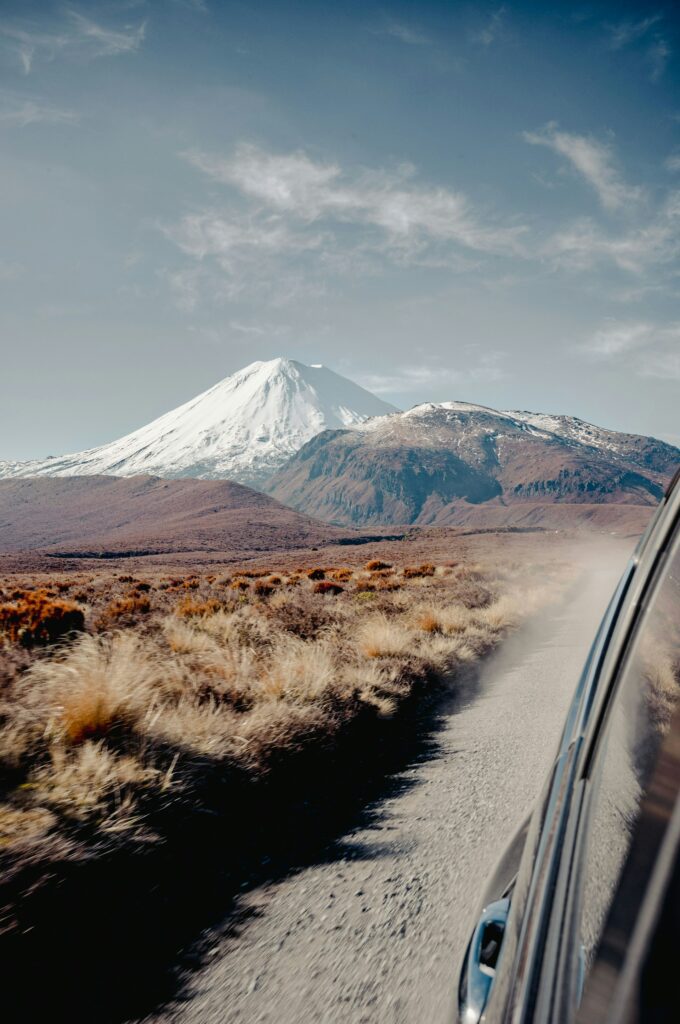
Public transport options are limited and often poorly connected in areas outside of major city centers. This lack of accessibility makes owning a car almost indispensable for residents in those regions. Without a reliable and comprehensive public transportation system, many individuals find it challenging to commute to work, access essential services, or engage in social activities.
Most roads in these areas are two-way, with one lane in each direction, and they lack the freeways found in other countries. The roads can be very narrow and winding. It’s important to note that we drive on the left-hand side, which requires extra concentration if you’re accustomed to driving on the right. Additionally, locals may drive fast or tailgate, and there are many accidents due to alcohol influence.
In the cities, the roads are mostly in good condition. However, in rural areas, roads pose various hazards, including unsealed surfaces, flooding, and severe damage from unpredictable weather, such as snow and ice in winter.
Another factor that people often overlook is that, due to the terrain, driving between destinations takes significantly longer than the distance suggests on a map.
8️⃣The Fast Food Culture in New Zealand
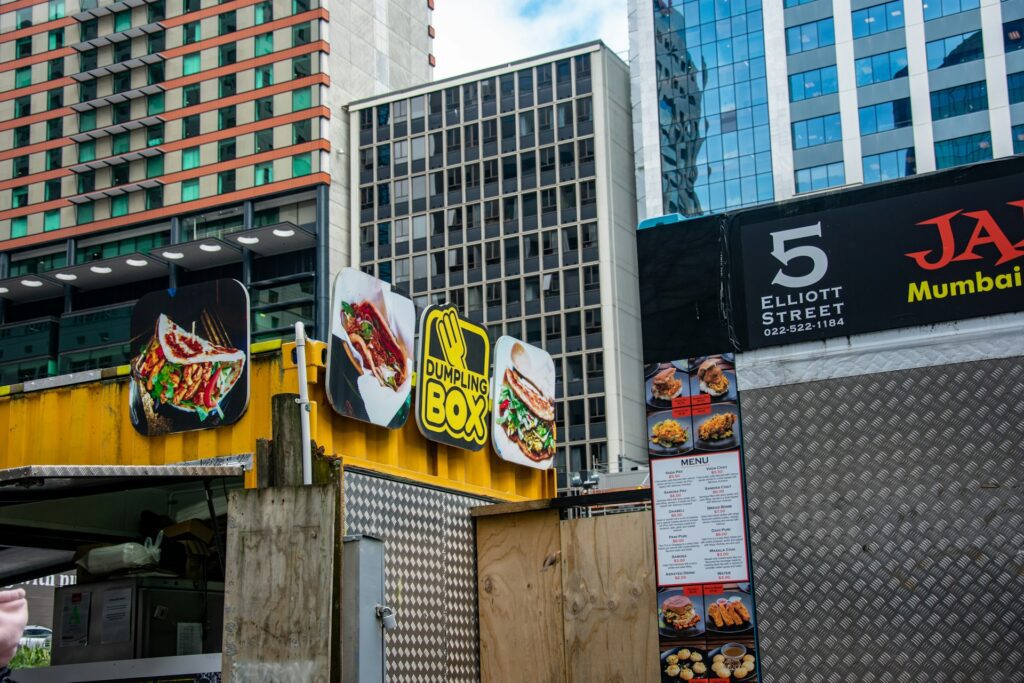
New Zealand’s food scene is mostly all about fast food. Kiwis have really taken to this for its convenience, which fits with the modern, busy lifestyle. I was pretty bummed when I moved here because finding healthy food options can be a real challenge. Whenever we hit the road, we tend to pack our own meals since we know we won’t be able to find anything suitable.
I get why so many people go for fast food—short lunch breaks and demanding jobs make quick meals super appealing. Fast food places are everywhere, with most folks living just a kilometer away from one. Big chains like McDonald’s and KFC are always pushing their marketing hard, trying to make their food seem like a must-have for a modern, successful life.
If you love fast food, New Zealand has a ton of tasty options to dive into. Nothing says “culinary adventure” quite like the cool mix of fast-food joints around here. It’s definitely a spot for anyone wanting to grab some top-notch dining… all at a drive-thru!
9️⃣Natural Disasters
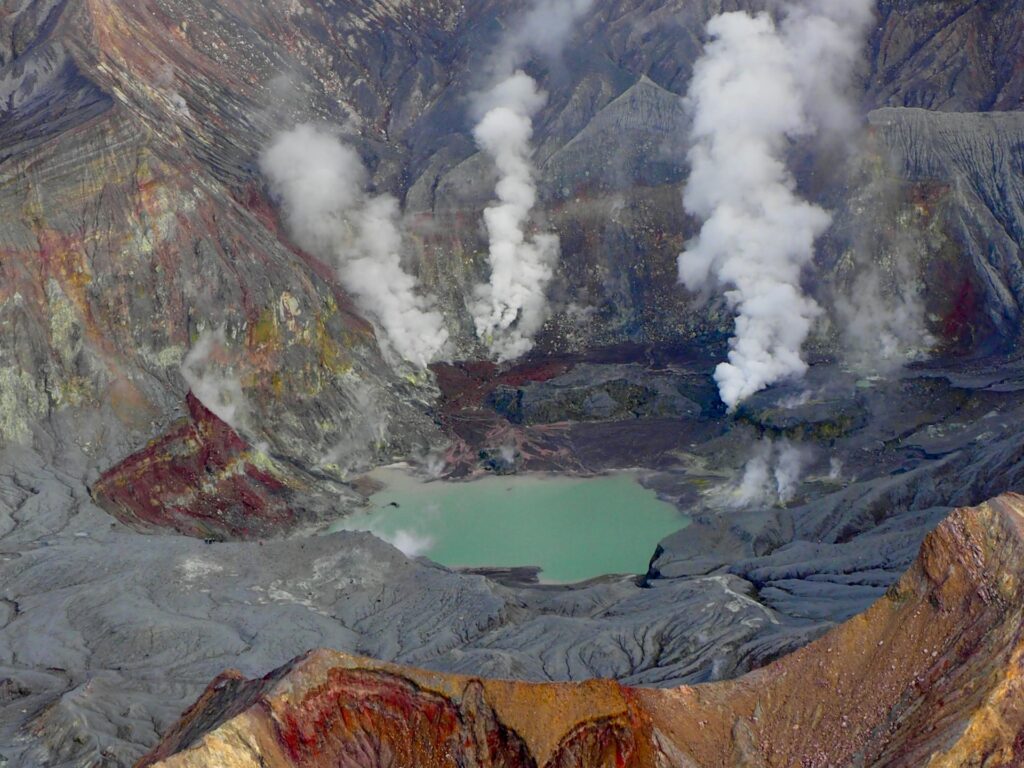
New Zealand is part of the Pacific Ring of Fire, which means it’s pretty active when it comes to earthquakes and volcanoes. Since I got here, I’ve felt a few tremors, though they haven’t been as intense as those in the Bay Area of California. There have been times when the shaking was strong enough to knock down some wall frames. One major quake was the 6.3-magnitude one that hit Christchurch on February 22, 2011, just before 12:50 PM. The biggest quake in the last decade was the M7.8 Kaikōura earthquake in November 2016.
These natural events can really put people’s safety at risk. Plus, New Zealand has several active volcanoes that could erupt, creating dangerous ash clouds and lava flows that could affect air travel and nearby areas.
Since I travel a lot, have lived in different countries, and have a military background, I’m usually more aware of safety issues and the need for evacuation plans. That’s why it’s super important to have a game plan and a backpack ready to go. Staying up to date on geological hazards is key to keeping everyone safe during a natural disaster. It’s pretty interesting—when you ask New Zealanders if they feel prepared, many say they haven’t thought about it and don’t feel ready at all. Fascinating stuff!