Exploring New Zealand offers some truly fascinating experiences, and one highlight is discovering tā moko, the traditional Māori tattoo. These tattoos feature intricate swirling patterns. They often cover the face, and they’re not just for looks. They tell a powerful story about the wearer’s identity, ancestry, and social status.
This blog highlights the importance of tā moko, exploring its historical origins and the vibrant resurgence it is currently experiencing. By engaging with this art form, you can delve deeper into Māori culture and appreciate it.
What is Tā Moko?
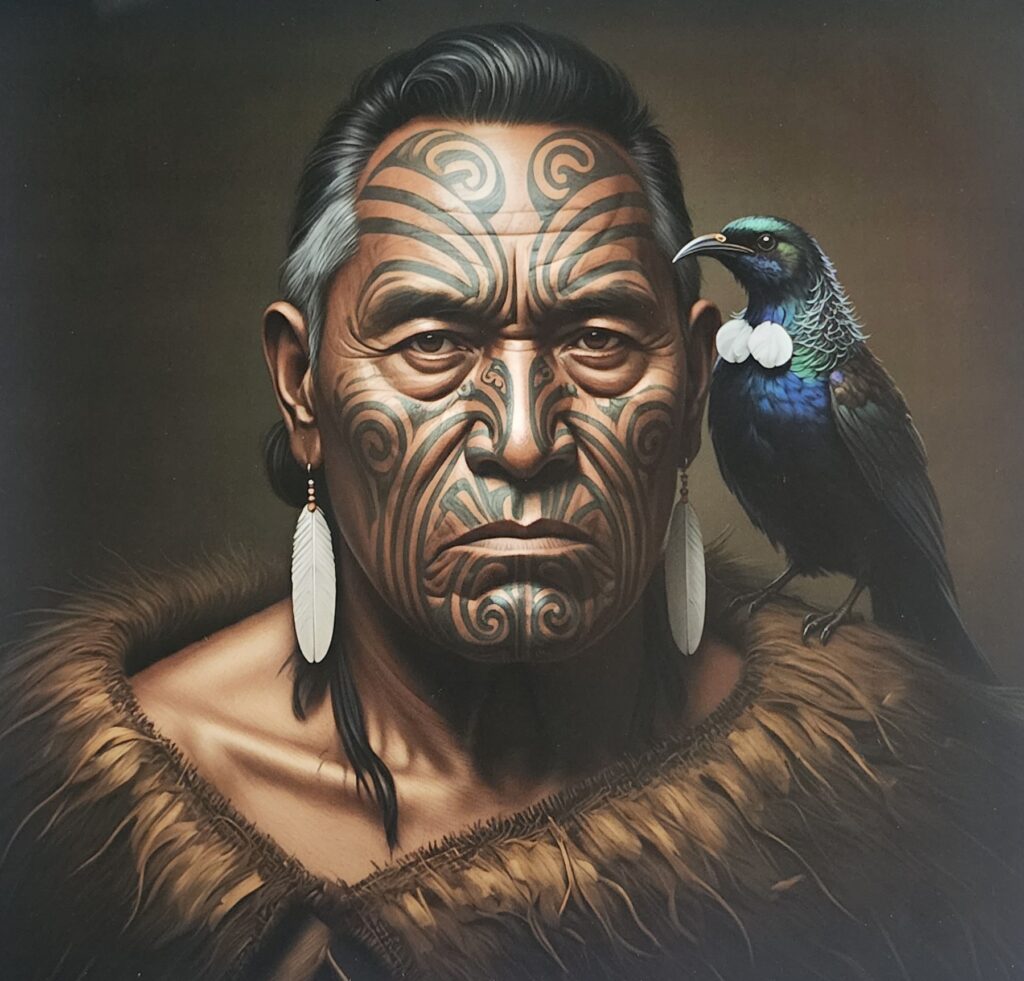
Tā moko is a traditional Māori tattooing style that’s not just about looking cool—it carries significant cultural significance. Instead of using modern needles for a smooth finish, tā moko uses chisels (called uhi) made from bone or stone to carve deeper patterns into the skin. This really highlights the artistry and heritage behind it.
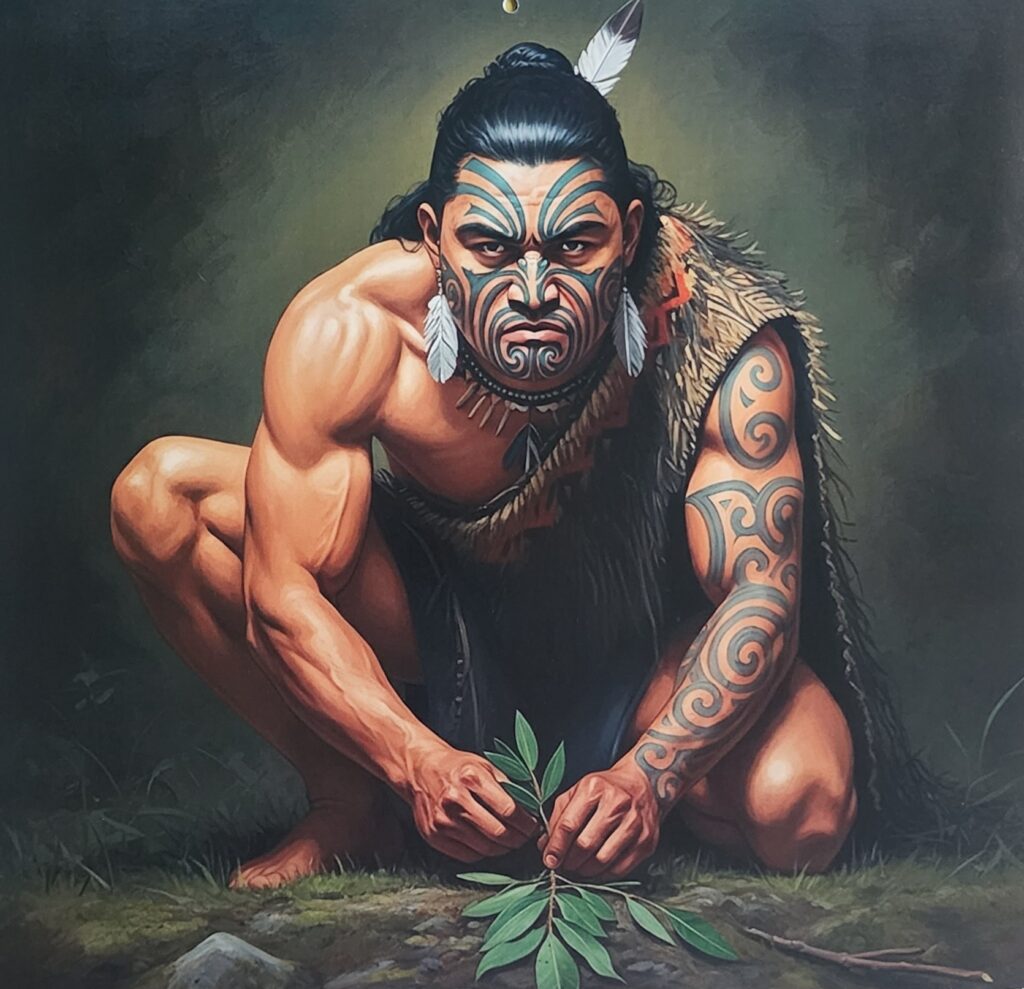
For men (Mataora), full-face tattoos cover the entire face and are split into eight sections. Each section represents different aspects of the wearer’s life, such as rank, family background, and achievements, making it a powerful symbol of identity and personal stories.
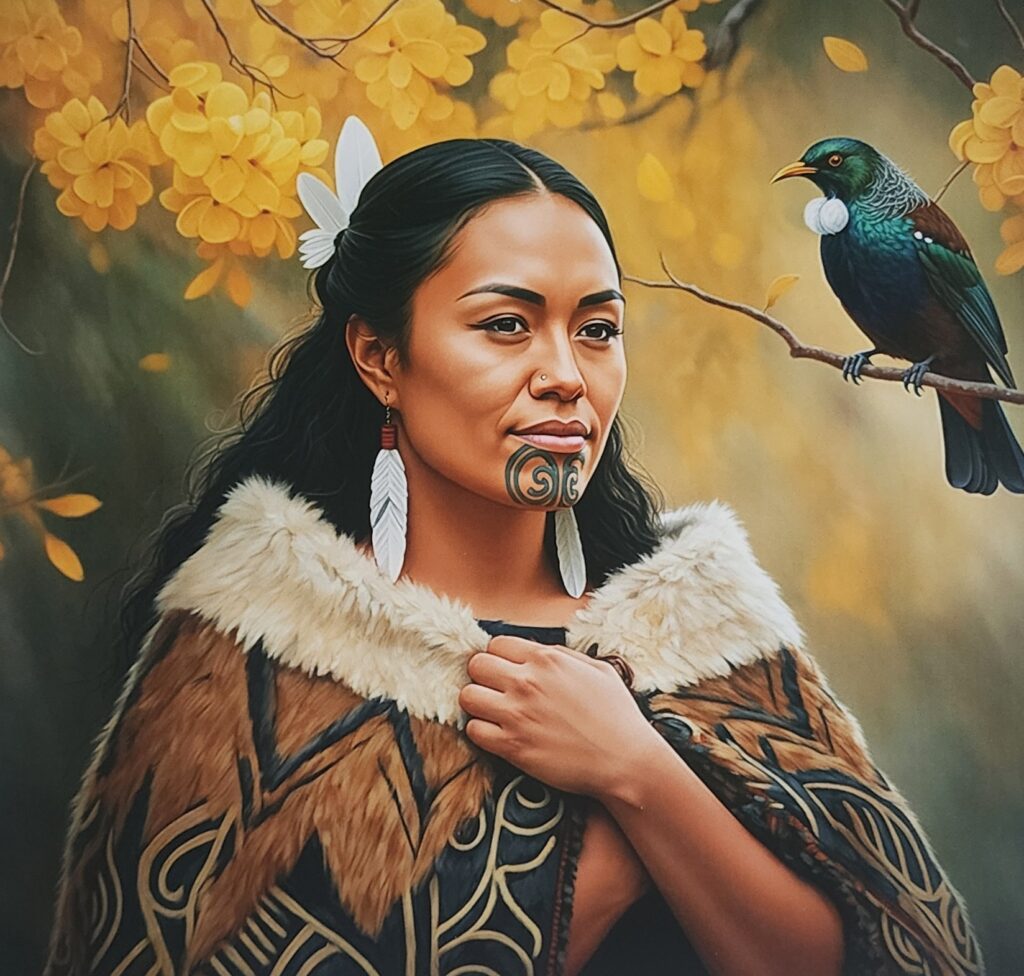
For women (Moko Kauae), tattoos are usually placed on the chin, lips, and sometimes the nostrils. The moko kauae is a special mark that reflects a woman’s connection to her ancestors and her unique identity, showcasing cultural pride. This art form not only tells individual stories but also helps everyone appreciate the richness and importance of Māori culture.
A Living Identification Card
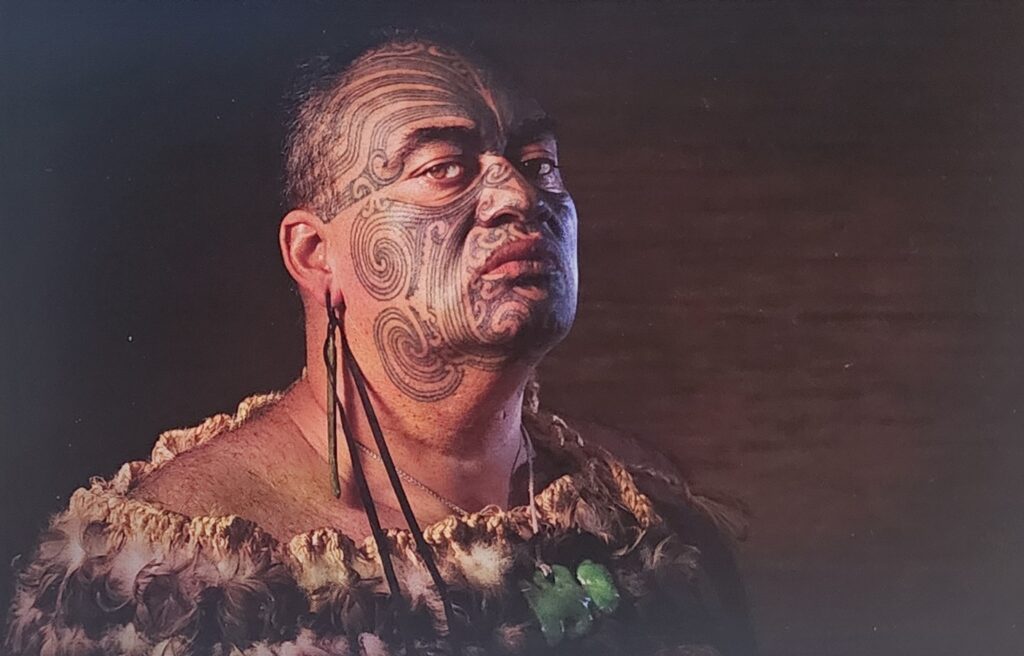
Traditionally, a moko has played an important role as a sort of visual ID card in Māori culture. It’s not just body art; it tells a lot about the person wearing it at a glance.
The designs can show someone’s rank in the community, their social standing, their family background (known as whakapapa), and any special skills they have.
Lineage👴
The detailed patterns on the moko are often split to represent family ties. The left side of the face usually honors the father’s side, highlighting connections to paternal heritage, while the right side represents the mother’s side, showcasing maternal links. This split gives a complete picture of a person’s ancestry and family connections.
Achievement🏅
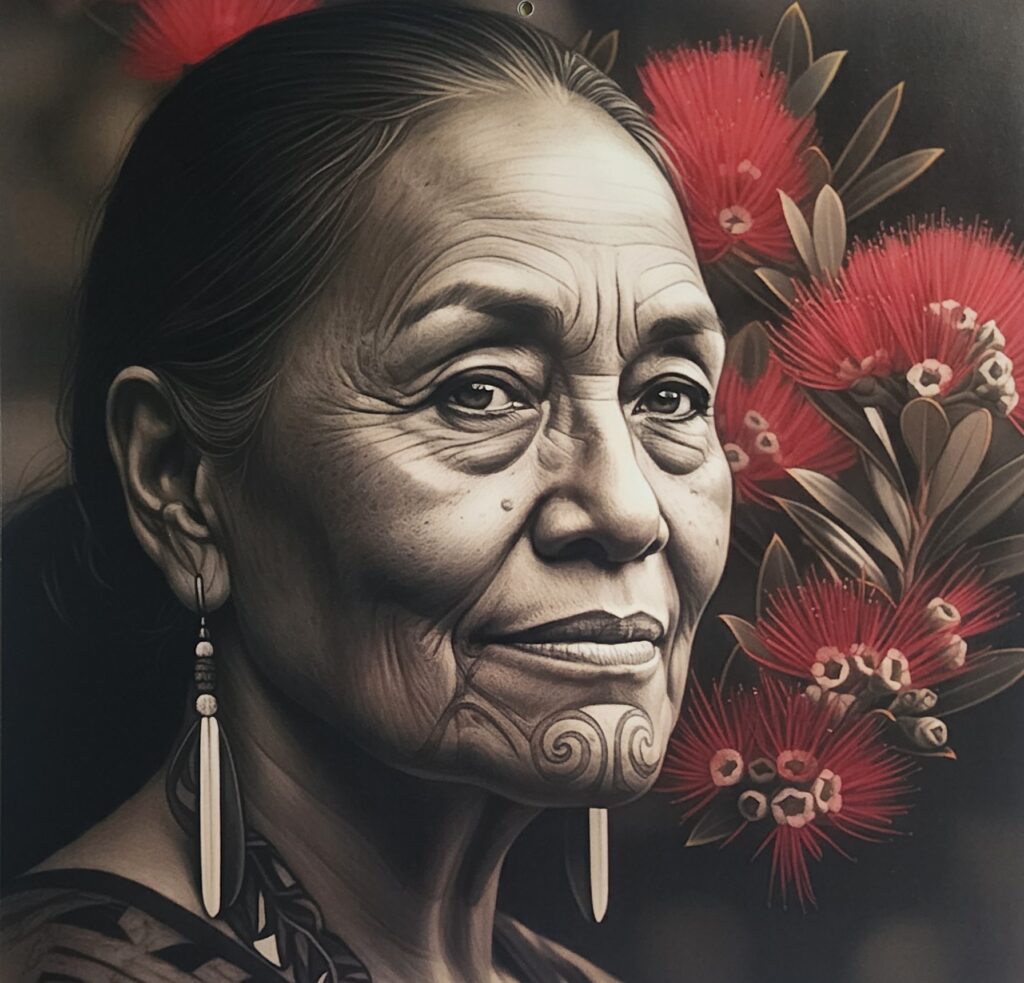
The chin area, known as wairua, is key in showcasing the wearer’s mana, which includes their prestige, power, and achievements in the community.
The designs here often celebrate significant accomplishments or milestones in a person’s life, reflecting their journey and contributions.
The Head is Sacred😇
In Māori culture, the head is viewed as the most sacred part of the body and is treated with deep respect. Because of this, facial tattoos like moko are seen as a major honor. Having a moko not only represents a person’s identity but also the cultural values and history they carry. This makes moko a lasting expression of both personal and collective heritage.
The Painful Process and Sacred Tradition
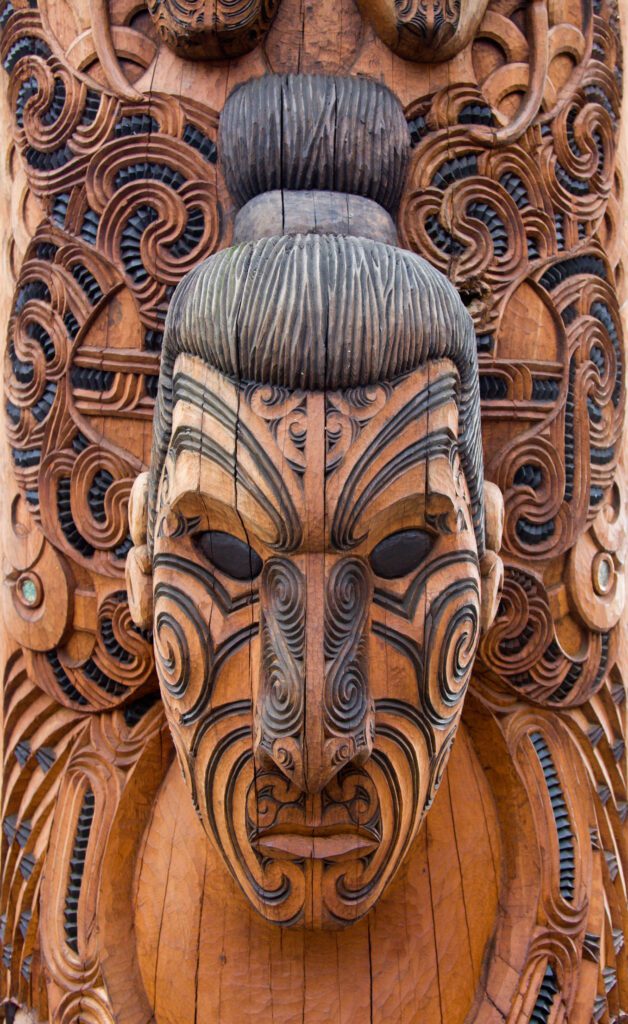
Getting a moko is a big deal and carries a lot of cultural significance. It’s more than just body art; it’s a deep expression of who someone is and where they come from, often celebrated with traditional singing and chanting that honors family and community.
Applying a moko involves a chisel technique that can be quite painful, making the whole experience physically and emotionally tough. Being able to go through it without crying out is something people take pride in, as it shows their strength and resilience.
During the healing process, people who get a moko often deal with swelling, which can make everyday activities like eating a bit tricky. In the past, to keep wounds clean and help with healing, they were fed through a wooden funnel. This not only made eating easier but also showed how much the community cared during this important time.
Nowadays, the healing process mixes modern tattoo care tips with traditional values, seeing healing as a spiritual journey. While people use modern tools like needles and machines, a moko is still treated as a sacred wound that connects the wearer to their ancestry and cultural identity.
Colonization and the Rebirth
By the mid-19th century, the practice of tā moko, the traditional Māori tattooing art, had started to decline significantly. This decline was largely influenced by the efforts of missionaries and the impacts of colonization, which aimed to suppress Māori cultural practices and impose European norms. Despite these attempts to erase this essential aspect of Māori identity, tā moko never completely disappeared; it persisted in various forms through resilient cultural practices.
In recent years, tā moko has experienced a remarkable resurgence, as many Māori individuals seek to reclaim their heritage and express their cultural pride. Today, it is increasingly common to see politicians, journalists, and community leaders proudly displaying their moko in everyday situations, including parliamentary sessions and media appearances. This visible embrace of tā moko serves as a testament to the strength and resilience of Māori culture in contemporary society.
Respecting the Culture
Understanding Tā Moko and Kirituhi
To engage respectfully with this rich cultural practice, it is vital to understand the distinction between tā moko and kirituhi.
Tā moko is an art form that is deeply rooted in Māori identity. Each tattoo represents an individual’s whakapapa (genealogy), personal story, and historical significance. The designs reflect not only aesthetic choices but also the individual’s tribal affiliations and ancestral lineage. This connection makes tā moko a powerful symbol of heritage and belonging.
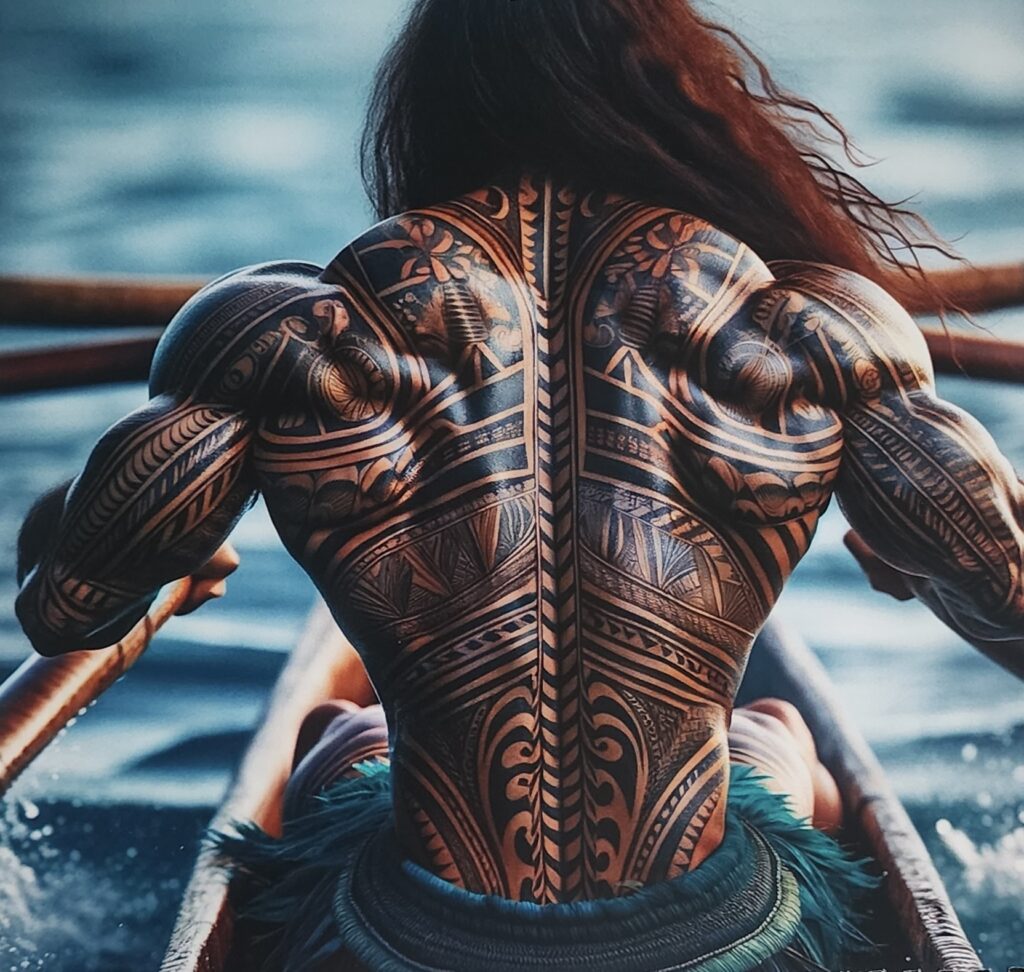
In contrast, kirituhi refers to Māori-inspired skin art that is open to non-Māori individuals. Although kirituhi often employs traditional patterns and styles, it does not carry the same genealogical significance as tā moko. Kirituhi is more about appreciating and admiring Māori culture without the deep-rooted connection that tā moko embodies.
For those interested in Māori tattoo art, it is essential to seek kirituhi from a qualified artist who understands the traditional designs and their meanings. This approach not only honors the art form but also respects its cultural significance to Māori people. Understanding these nuances is crucial for anyone looking to appreciate or participate in the rich tradition of Māori tattooing.
🤔My thoughts
Tā moko is more than just some ink; it’s a reflection of a person’s spirit and connects them to their roots while showing their hopes for the future. This amazing art form highlights personal identity and celebrates the strength and richness of Māori culture. By embracing tā moko, people can gain a better appreciation for these cultural values and traditions.