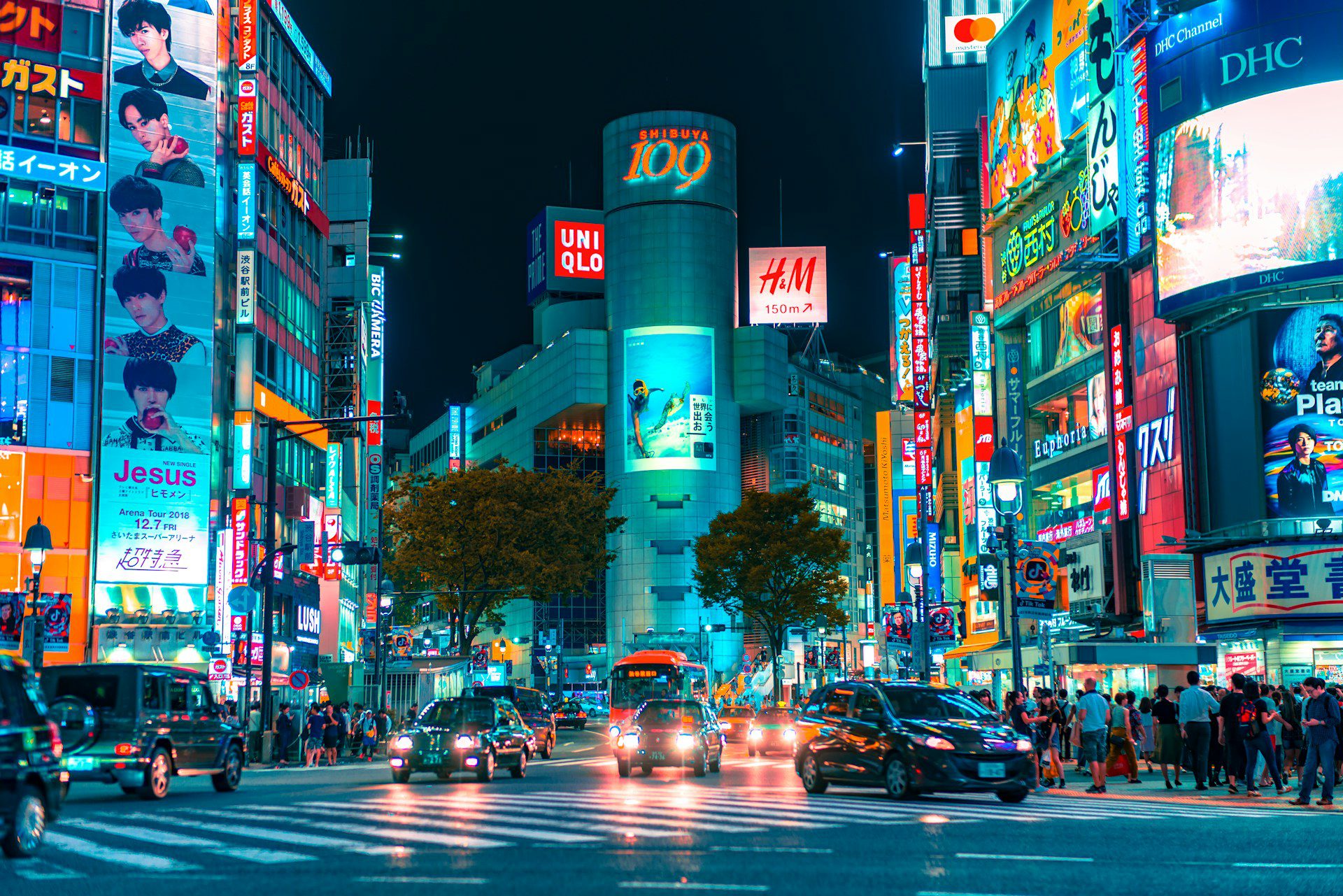
When you think of New Zealand, you might envision its stunning mountains. The lush green hills dotted with sheep, and perhaps its delicious gourmet seafood and cuisine. However, there’s an intriguing aspect of Kiwi food culture that has evolved significantly over the years.
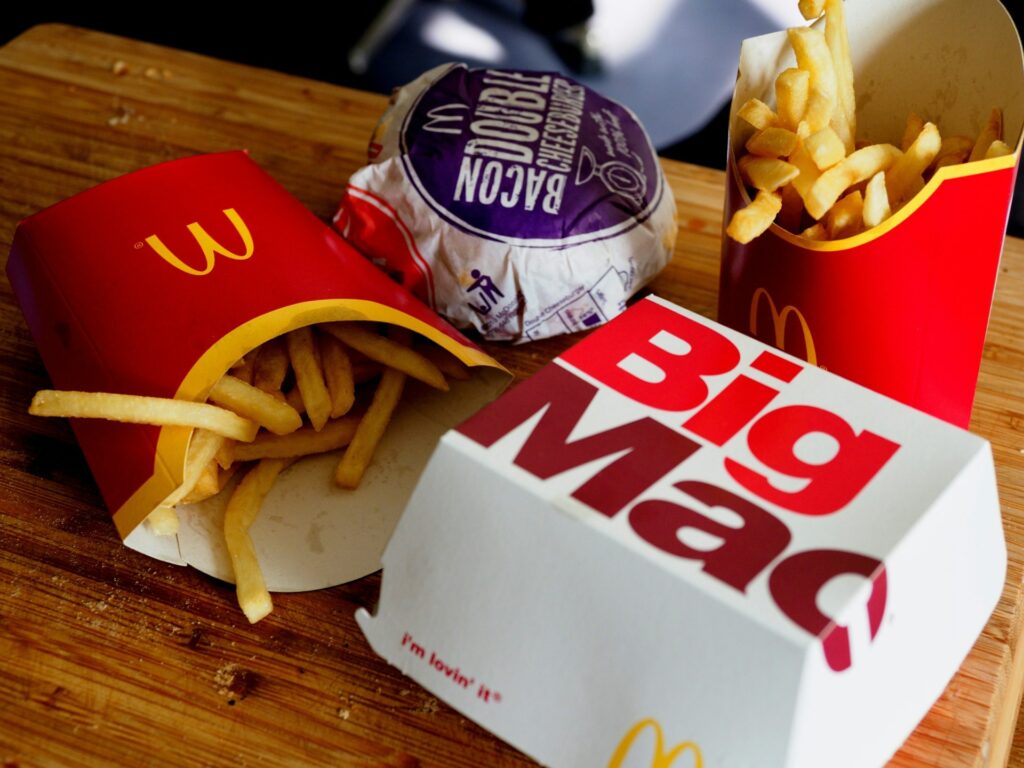
Believe it or not, New Zealand is one of the world’s top per capita consumers of fast food. This is surprising because, while the country is known for its fresh fruits, high-quality dairy products, and grass-fed meat, many Kiwis also love their quick-service burgers, fries, and takeaways. It’s fascinating to see how New Zealand balances its strong agricultural roots with the convenience of fast food. Plus, it raises the question of how to promote healthier eating habits while still keeping up with a fast-paced lifestyle. Let’s take a closer look at what makes New Zealand a “fast food country.”
👉Convenience Above All Else
New Zealanders are busy these days, and convenience plays a big role in what they eat. Fast food is quick and easy. 46% of these places are found on main roads, making them easy to spot and access.
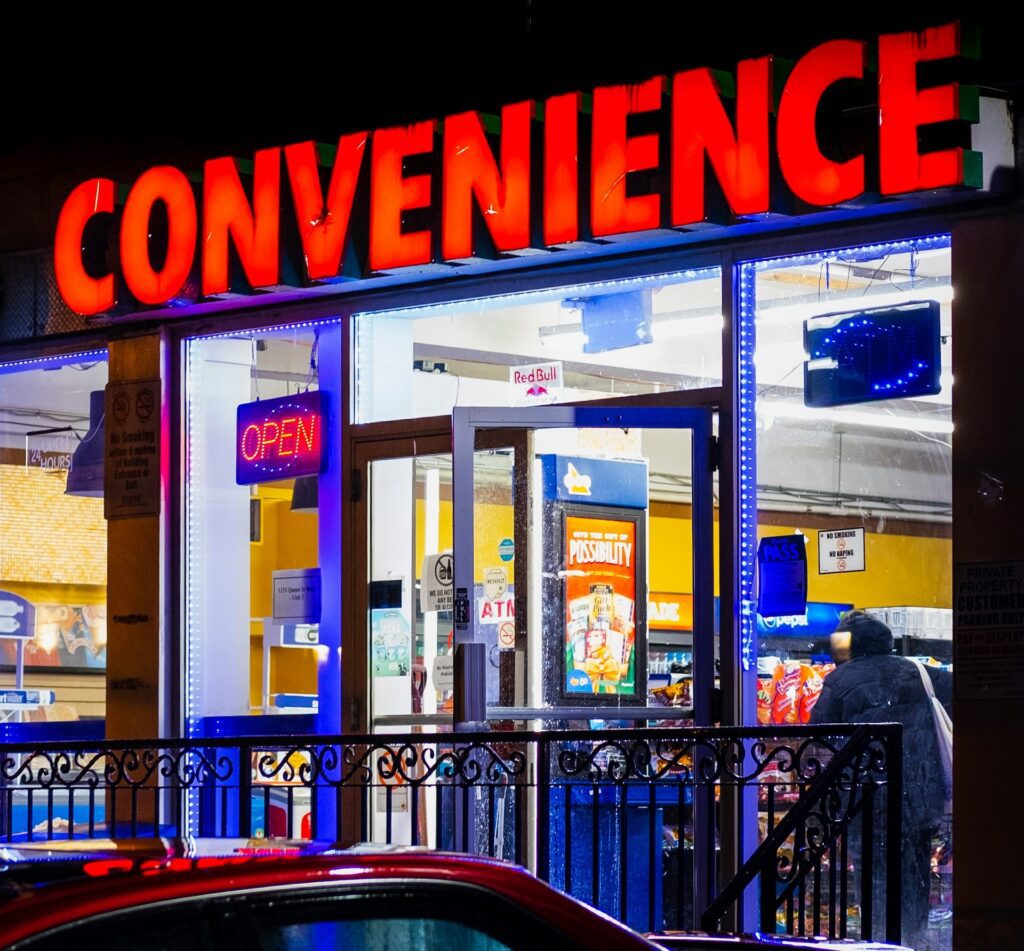
Unfortunately, the quality of this food isn’t great. Many Kiwi households find it tough to whip up home-cooked meals because they don’t have enough time. Many people just go for quick options like eggs, pasta, or salads. Plus, some folks struggle with cooking when they’re really don’t know how to cook healthier meals or don’t usually plan their meals.
The need for convenience isn’t going anywhere and will probably keep pushing the market forward. In fact, the majority of Kiwis buy or eat takeaway food at least once every month.
👉The Cultural “Takeaway” Obsession
While big names like McDonald’s (which has been around in New Zealand since 1976), KFC, Taco Bell, and Burger King are pretty much the go-to for fast food. Kiwis also have a soft spot for their local favorites. The classic “fish and chip” shop is still a hit, even with the rise of pizza places and fancy burger joints.
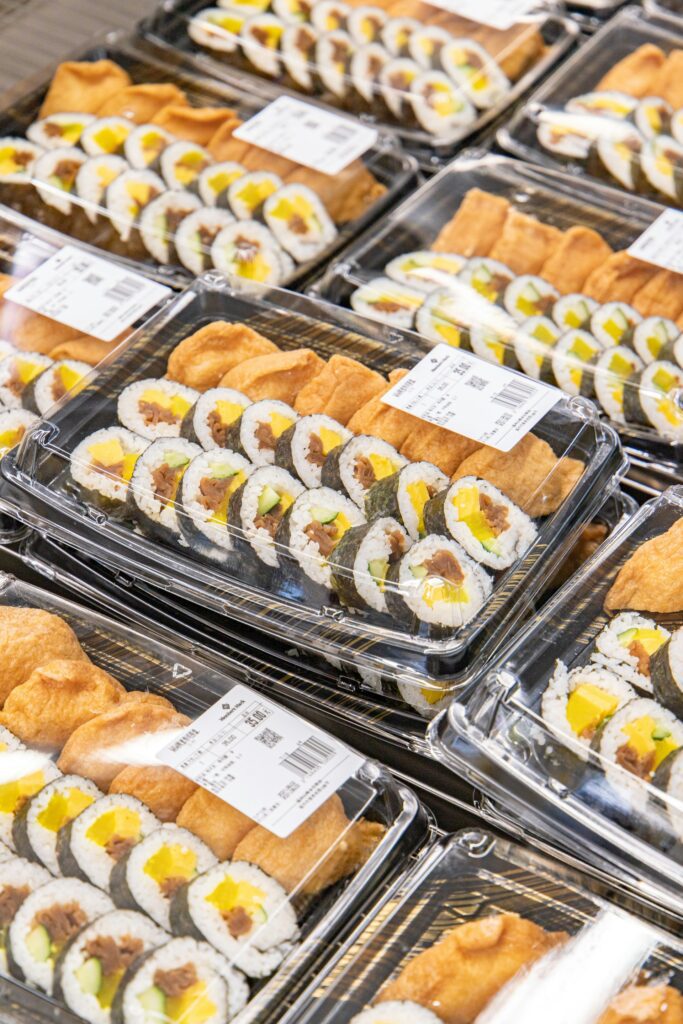
Sushi takeaway is another popular choice. You usually think of sushi as that fresh raw fish. Which meant to be eaten right away or kept in the fridge (at or below 41°F or 5°C) for up to 24 hours. But the sushi scene here is a bit of a twist compared to what you’d find in Japan, Singapore, or even other Western countries. It’s cool to see sushi seen as an alternative to fast food. And I love sushi, don’t get me wrong. But often it’s made in the morning, left on display for hours, and not kept at the right temperature. Plus, many sushi options include fried, breaded chicken rolled in rice, which might not be what everyone expects from sushi.
Interestingly, Kiwis often grab fast food for a quick lunch, but it’s also become a weekend ritual—especially on Friday and Saturday nights or after a long workday. It’s become more than just a meal; it’s a whole dining experience.
👉Affordability
Kiwis often prioritize cost-effectiveness, and fast food chains have successfully created low-cost, high-volume options that attract a diverse range of customers, especially young adults aged 19 to 40. Many people believe that cooking at home is more expensive because grocery prices are high.

However, the reality is that eating fast food daily can lead to significantly higher costs compared to preparing healthier meals at home. In fact, cooking at home is not only cheaper but also a smarter choice. Typical costs for home-cooked meals range from $4 to $8 per serving, depending on the ingredients used, while takeaways often cost NZD $15 to $20 or more.
While convenience comes with a premium, home-cooked meals provide far superior nutritional value. It’s clear that cooking at home is both more economical and healthier.
👉High-Quality Ingredients (Yes, Seriously)
Some people think that fast food in New Zealand might be of better quality than in other countries. This idea comes from New Zealand’s great reputation for producing high-quality meat and dairy, which can make even junk food a bit more appealing.

But just because the ingredients might be better doesn’t mean the food is actually healthier. Research shows that fast food in New Zealand has become higher in calories and that serving sizes have gotten bigger over the last five years. This trend can easily overshadow any minor improvements in reducing fat or sodium intake. For example, while McDonald’s in New Zealand uses local ingredients—like 100% grass-fed beef from the North Island, Hawke’s Bay apples, and local dairy—the overall image of the food still raises concerns, mostly because of how these ingredients are processed and prepared.
👉Urban Growth and Youth Demand

Fast food is super popular in city areas, especially in Auckland, where people spend a good chunk of their food budget on takeaways. This trend is a great chance for brands like McDonald’s, which happens to be one of the biggest employers of young folks in the country.
By keeping a close connection with this crowd, McDonald’s can keep offering quick and affordable meal options that younger people love, all while looking for ways to encourage healthier choices and get involved in the local community.
👉New Zealand’s Shift Towards Healthier Eating
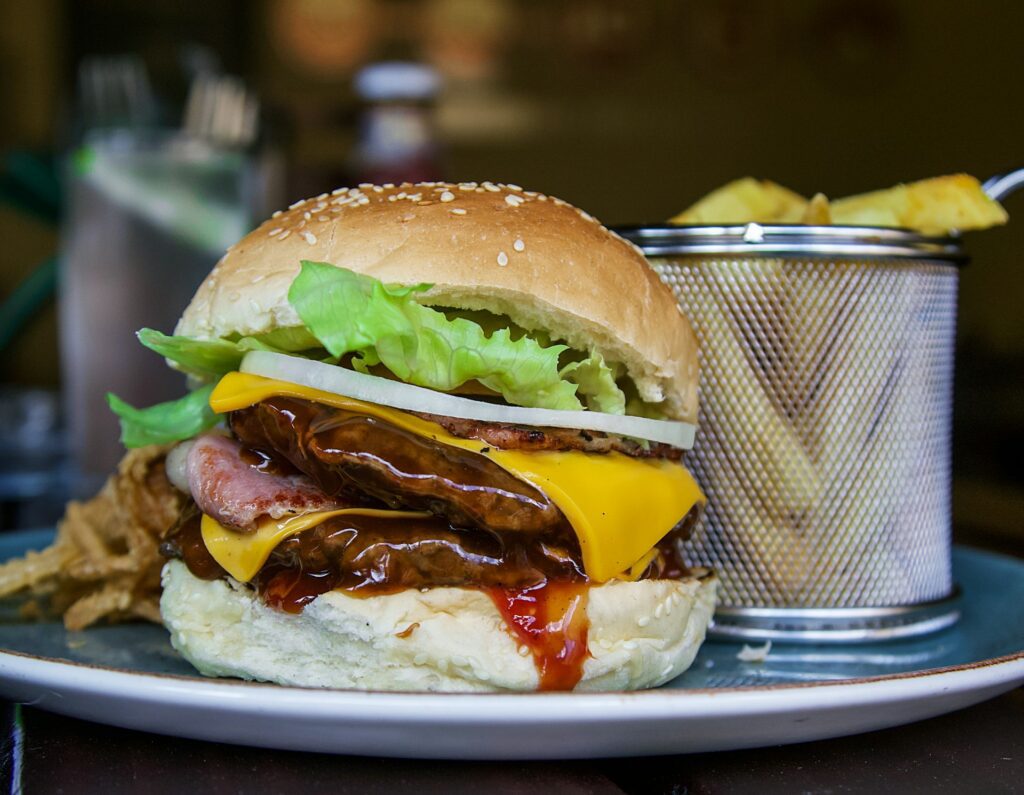
New Zealand is tackling the obesity issue head-on, with 64% of people classified as overweight due to high consumption rates.
The good news? The fast food scene is changing to keep up with what folks want. We’re seeing a surge in “gourmet” fast food, plant-based options, and healthier choices that go along with the usual greasy favorites. This shift gives New Zealand a chance to change its image as a “fast food country” and encourage healthier eating habits among its people.
🍔🌭🍟🍕🍟🌭🍔
🤔My Thoughts
In conclusion, New Zealand is a great destination for fast-food lovers, with popular chains like McDonald’s, Burger King, and Pizza Hut widely available. However, those who prioritize healthier eating may find it challenging to find meals that not only satisfy their cravings but also support their well-being. It is important to seek out nutritious options amidst the abundance of fast food.