Antarctica is a fascinating place that catches the eye of many people. It’s way down at the southern tip of the Earth and is mostly off-limits to the general public. Visiting Antarctica usually costs a lot—typically thousands of dollars—thanks to the limited ways to reach it and the harsh weather conditions.
Because of these challenges, it’s not a spot for casual tourists; it’s really more for adventurous travelers.
Plus, there are a lot of myths about what life is like in Antarctica. Contrary to what some people think, there are research stations that operate year-round, where scientists and support staff live and work.
They get to enjoy the breathtaking icy landscape while also dealing with the isolation and harsh weather, making their time there both amazing and tough.
Geographical & Environmental Facts
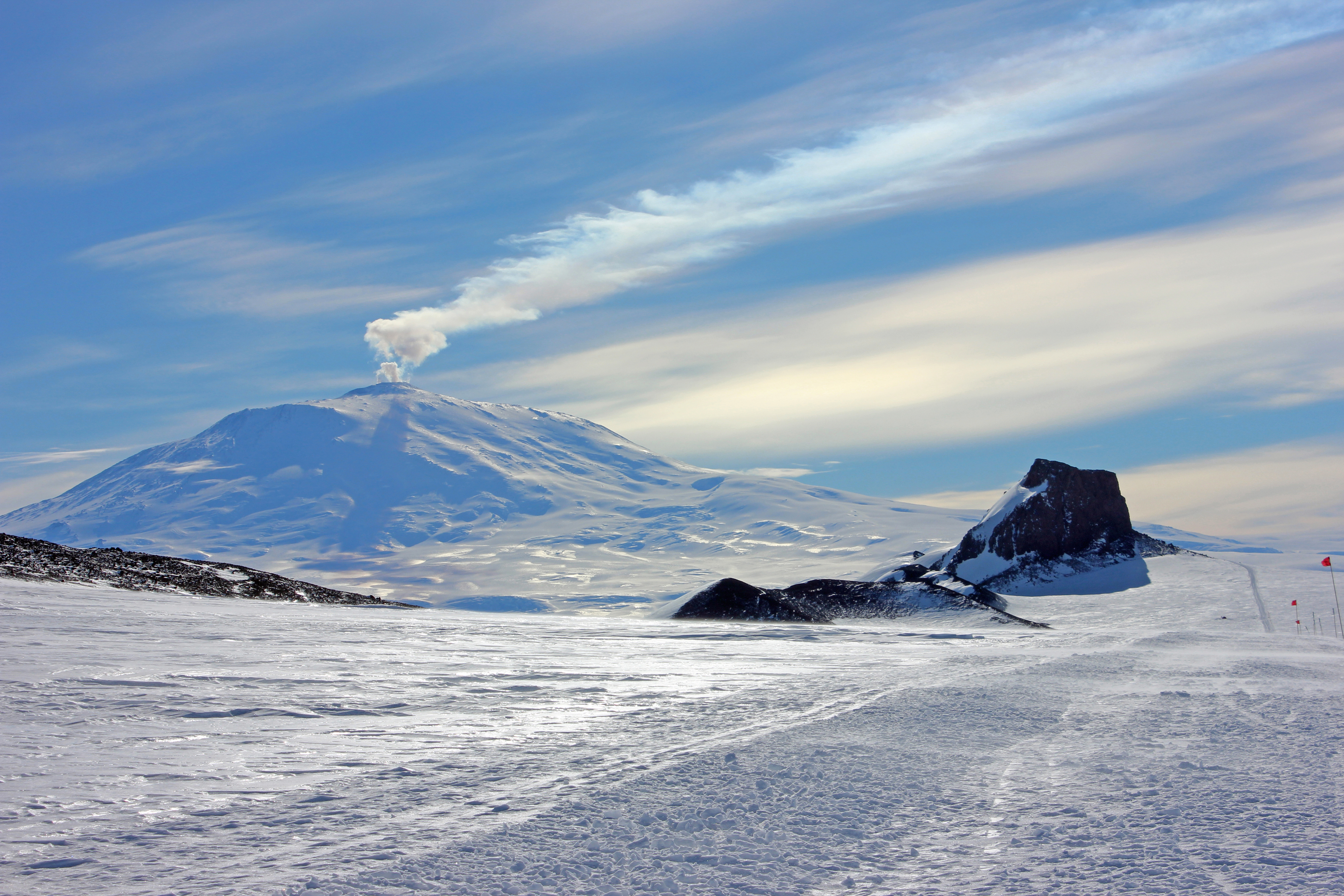
Antarctica might be mostly covered in ice, but it’s actually known as the driest desert on Earth because it gets so little precipitation. This amazing place has an ice sheet that’s around 2,160 meters (7,000 feet) thick, which holds about 70% of the world’s fresh water.
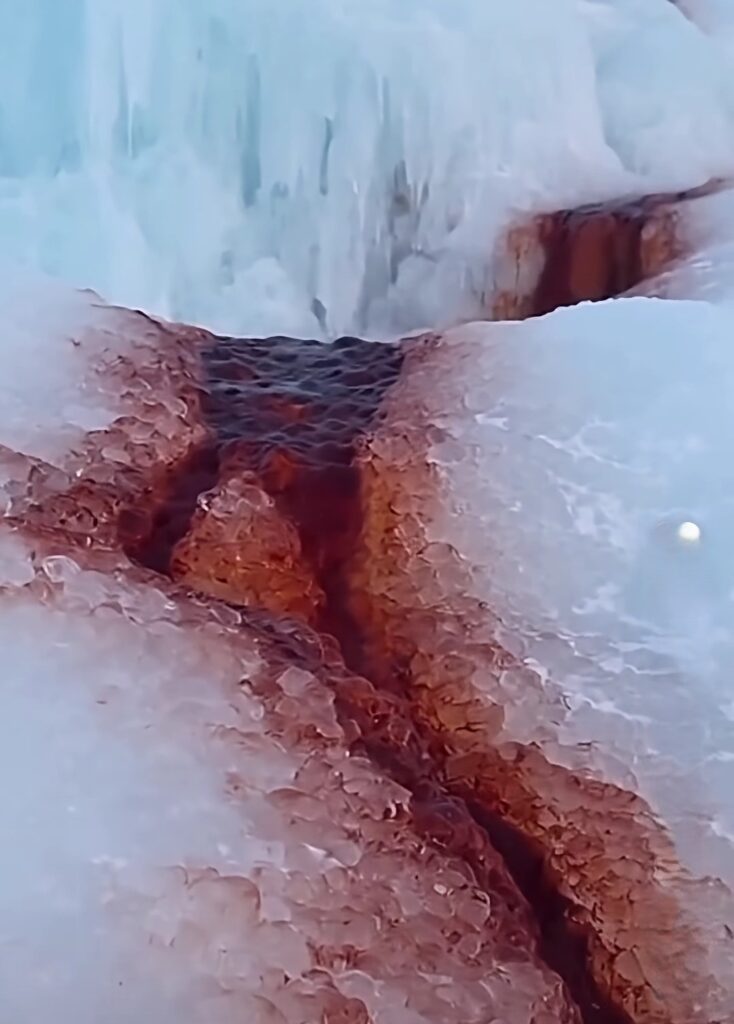
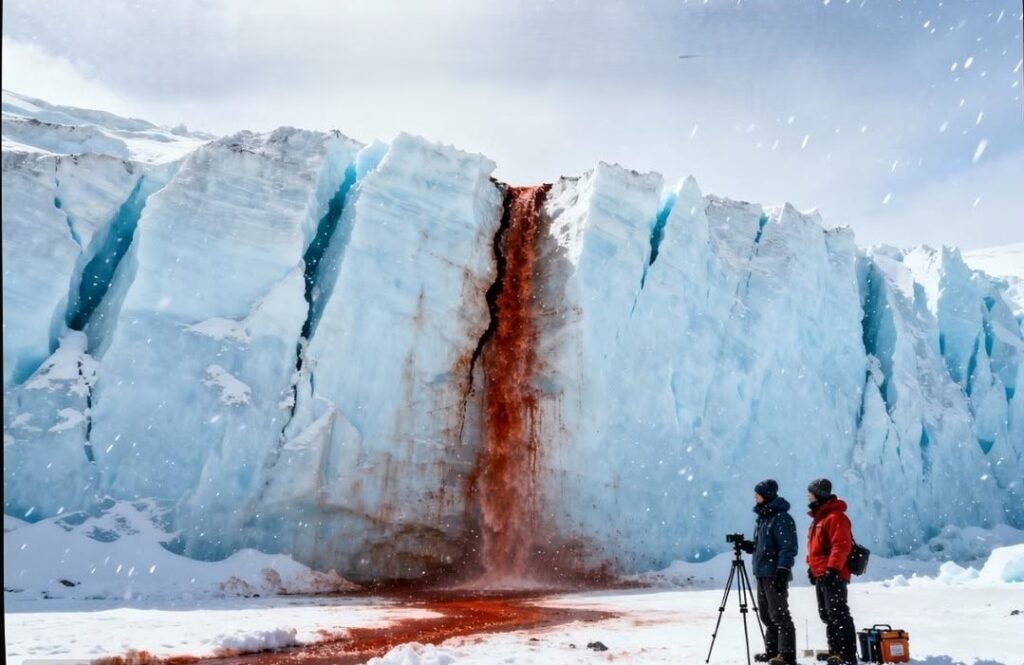
It’s also the record holder for the lowest temperature ever recorded on the planet—an astonishing -89.2 degrees Celsius (-128.6 degrees Fahrenheit). One of the coolest sights there is the “Bloody Waterfall,” a bright red waterfall created by iron-rich, salty water flowing out from beneath a glacier.
Beneath all that ice, there’s a giant mountain range called the Gamburtsev Mountains, stretching over 1,200 kilometers and still mostly unexplored. Plus, there’s the Ross Ice Shelf, the biggest floating ice shelf in the world, covering more than 510,000 square kilometers.
All these features highlight just how important Antarctica is to our planet’s climate and why ongoing research is crucial for understanding this incredible landscape.
Wildlife & Biology
Many people often ask me about the opportunity to see polar bears. It’s important to clarify that polar bears are native to the Arctic, so you won’t find them in Antarctica.
However, Antarctica is home to a remarkable array of wildlife that has adapted beautifully to this unique environment. For instance, some Antarctic fish have developed fascinating natural “antifreeze” glycoproteins in their blood, enabling them to thrive in frigid waters.
There are approximately 5 million penguins in Antarctica, including notable species such as Emperor and Adélie penguins.
Additionally, it’s fascinating to note that some mosses in Antarctica can live for up to an incredible 1,000 years. Furthermore, worms are the predominant land animals in this remarkable region. Overall, the biodiversity in Antarctica showcases the resilience of life in extreme conditions.
Human Activity & Exploration
Antarctica, often regarded as a “continent for science,” hosts a unique environment where various countries conduct research and exploration. While there are no indigenous peoples in Antarctica, the region supports a significant transient population of scientists and support staff, with around 1,000 personnel during the winter months and approximately 10,000 in summer.

On the Argentine side of the continent, a small permanent community exists. The 2010 census recorded 230 residents, but by 2022 the number had decreased to about 130, comprising military personnel, scientists, and, occasionally, their families.
Esperanza Base, or “Hope Base,” stands out as one of the few civilian, family-oriented settlements in Antarctica. It features residential homes, School #38, a chapel, and a radio station, making it a vibrant hub for families; the 2010 census noted nine families and 16 children living there. Notably, the first person born in Antarctica, Emilio Marcos Palma, was born at Esperanza Base in 1978.
Argentina is also home to the Orcadas Base, established in 1904, which is recognized as the oldest continuously inhabited base on the continent. Although these residents are not native to Antarctica, they play a vital role in advancing scientific research and supporting territorial claims.
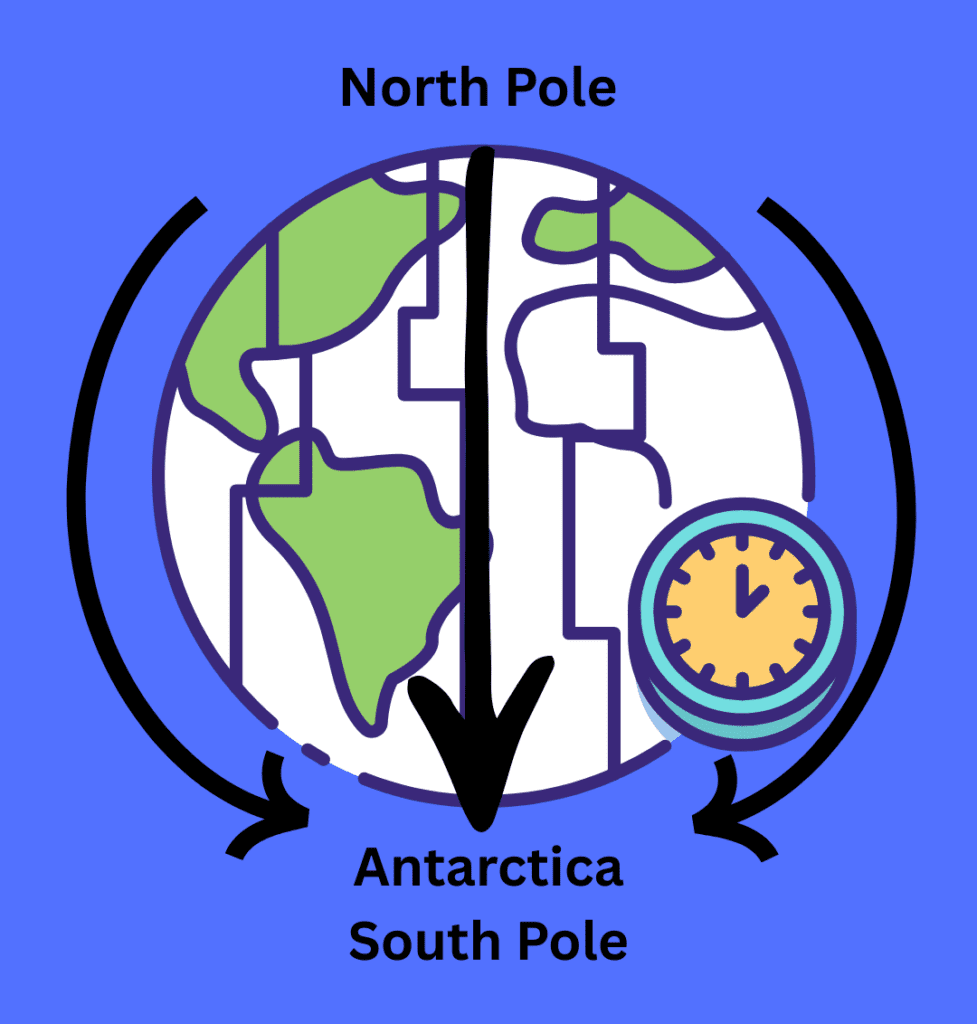
Antarctica’s collaborative spirit is evident, with 18 countries operating year-round research stations. Because all lines of longitude converge at the South Pole, there are no official time zones in the region; however, McMurdo Station uses New Zealand time for operational purposes.
Additionally, the annual Antarctic Ice Marathon attracts runners from around the globe, showcasing the unique challenges and beauty of the environment. These diverse activities highlight Antarctica’s importance as a center for scientific inquiry and international cooperation.
Scientific Discoveries
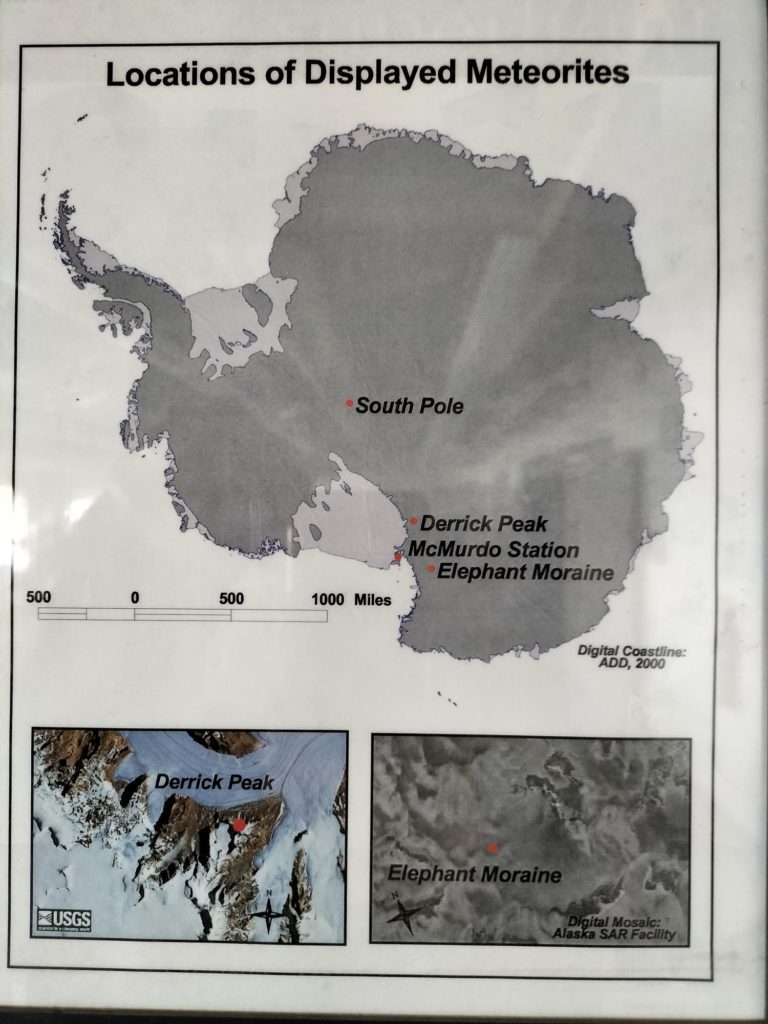
Antarctica is the best place on Earth to find meteorites because their dark surfaces really pop against the bright white ice. This makes it super easy for researchers to spot and collect these ancient space rocks, which can tell us a lot about the history and makeup of our solar system.
When scientists discovered the ozone hole over Antarctica in 1985, it raised a lot of alarms, leading to the Montreal Protocol. This international agreement aimed to reduce the production and use of substances that harm the ozone layer, such as chlorofluorocarbons (CFCs). Thanks to this important treaty, we’ve made big strides in protecting our planet’s ozone layer.
There’s also a secret world beneath Antarctica’s ice sheets, with over 400 subglacial lakes, including Lake Vostok, one of the biggest and most studied. This hidden aquatic environment, located about 2.5 miles (4 kilometers) beneath the ice, has been isolated for millions of years and may even host unique microbial life. Exploring these lakes could give us a glimpse into Earth’s past and show us how life can survive in extreme conditions.
🏔️❄️🏔️❄️🏔️❄️🏔️