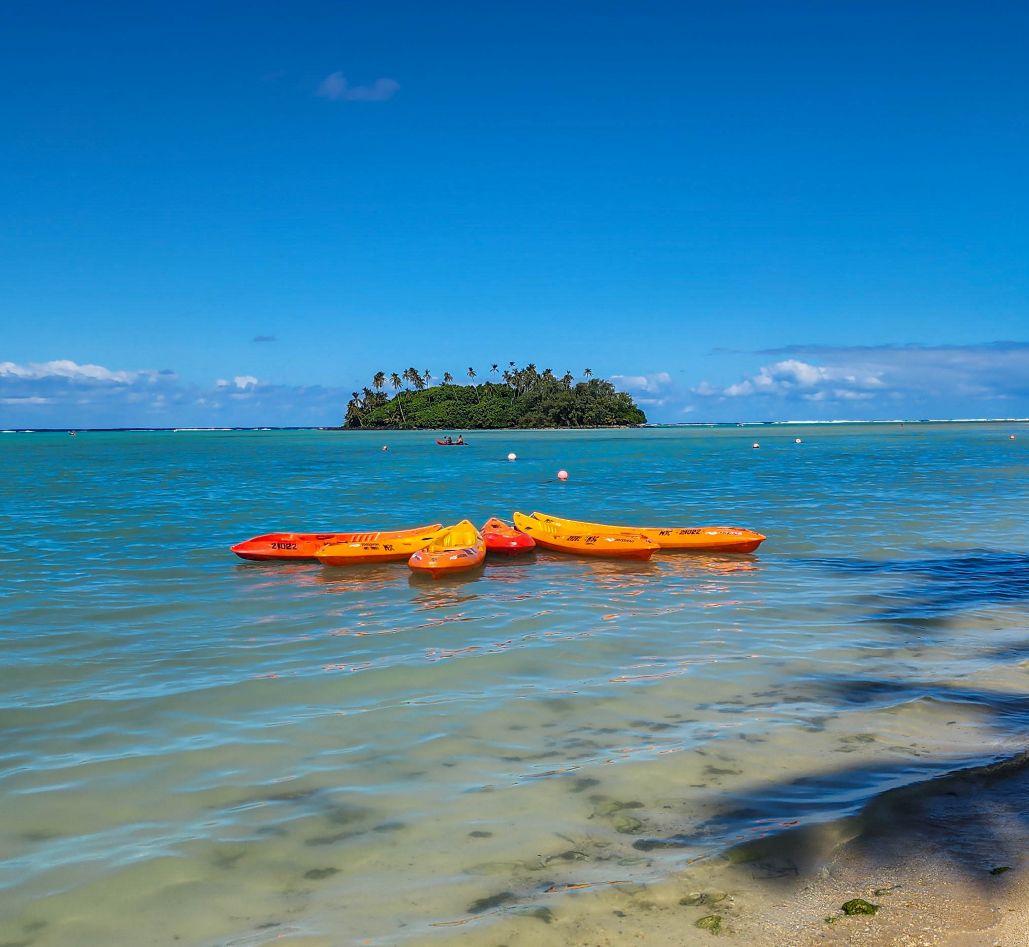
New Zealand has an amazing landscape full of unique geological features. The North Island, part of the Pacific Ring of Fire, is an active volcanic region. It’s got some cool geothermal spots like Rotorua and a bunch of active volcanoes, making it a great place for anyone interested in geology and natural wonders.
On the flip side, the South Island is all about stunning scenery shaped by glaciers. You can check out the impressive Southern Alps, the Fox and Franz Josef glaciers, and the absolutely breathtaking Milford Sound.
North Island
Rotorua Geothermal Hotspots
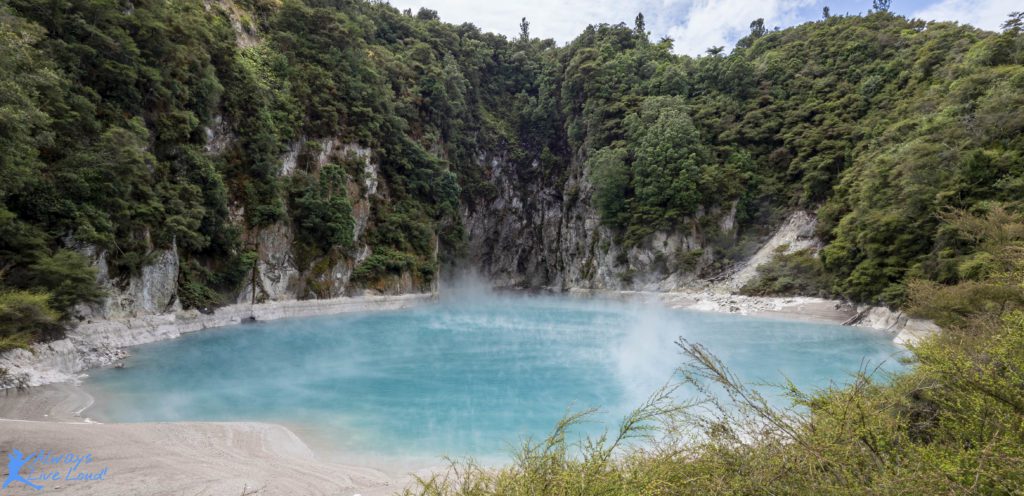
Rotorua offers a fantastic opportunity to explore its unique geothermal features, making it a great destination for nature enthusiasts.
Visitors can engage with bubbling mud pools, steaming vents, and iconic geysers, such as Pohutu Geyser, at Te Puia. Additionally, the colorful mineral springs at Wai-O-Tapu Thermal Wonderland are a must-see.
With so much to see and experience, planning a visit to Rotorua can be incredibly rewarding!
Active Volcanoes
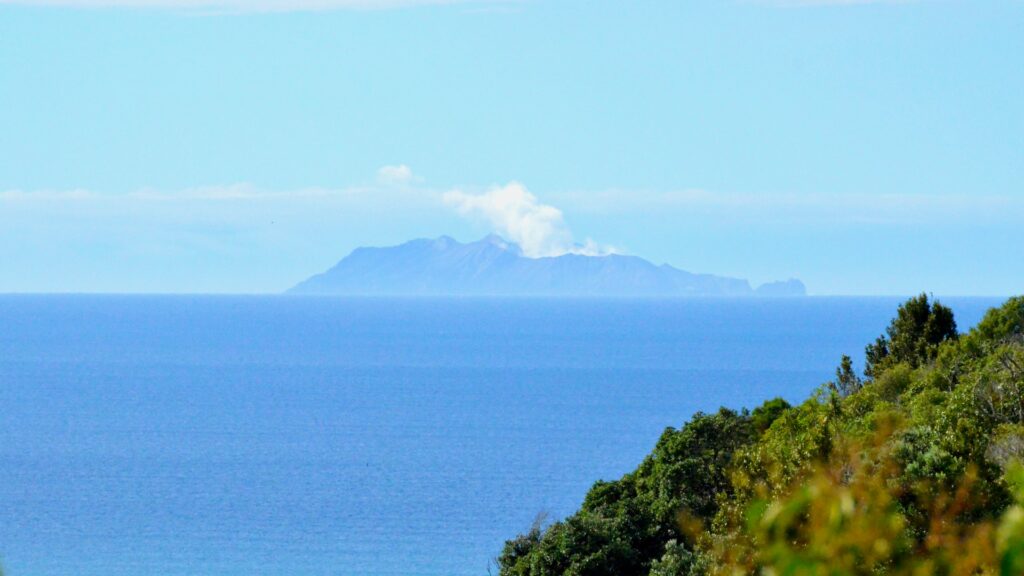
The Taupō Volcanic Zone, which extends from Mt Ruapehu through Rotorua to White Island (Whakaari), represents one of the world’s most dynamic and active geothermal regions.
Its unique geological features and ongoing geothermal activity offer exciting opportunities for research, tourism, and a deeper understanding of volcanic systems.
Volcanic Landforms
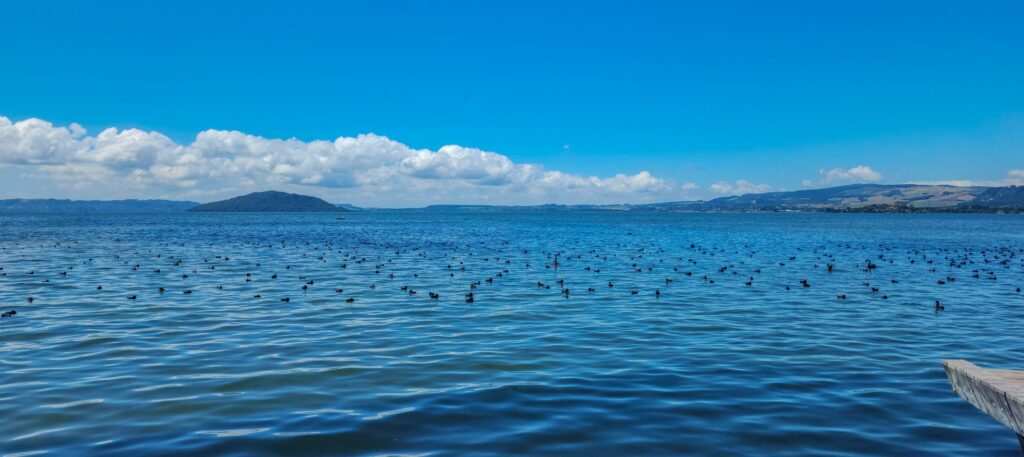
The prominent volcanic cones and beautiful caldera lakes, such as Lake Taupō and Lake Rotorua, showcase their origins in significant ancient volcanic eruptions. This unique geological history offers a fascinating opportunity to explore the region’s natural wonders.
South Island
Southern Alps and Ice-Carved Landscapes
The South Island features the impressive Southern Alps, which have been formed by tectonic plate movement along the Alpine Fault. This geological activity creates a striking contrast with the North Island’s volcanic plains, highlighting New Zealand’s diverse natural landscapes.
Southern Alps & Glaciers
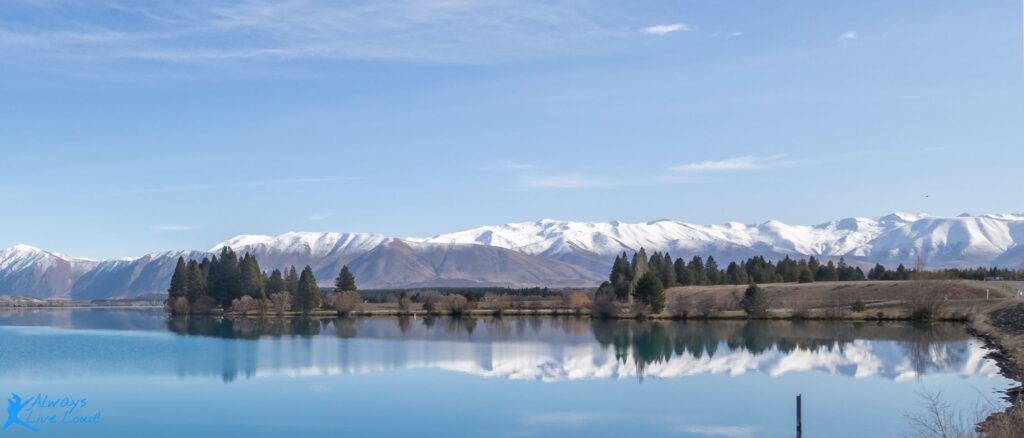
The Southern Alps, a stunning mountain range on New Zealand’s South Island, provide a dramatic backdrop to the region.
The West Coast is particularly famous for its breathtaking scenery, including the Fox and Franz Josef glaciers. These unique glaciers flow almost to sea level, extending into lush temperate rainforests.
The contrast between their icy blue hues and the vibrant greenery creates an extraordinary landscape that attracts visitors from around the world. The accessibility of these glaciers offers a rare chance to experience the beauty of nature in an exceptional setting.
Milford Sound
Sculpted by glaciers over thousands of years, this breathtaking fiord in Fiordland National Park is a marvel of nature. Towering vertical cliffs rise dramatically on either side, their rugged faces adorned with lush vegetation.
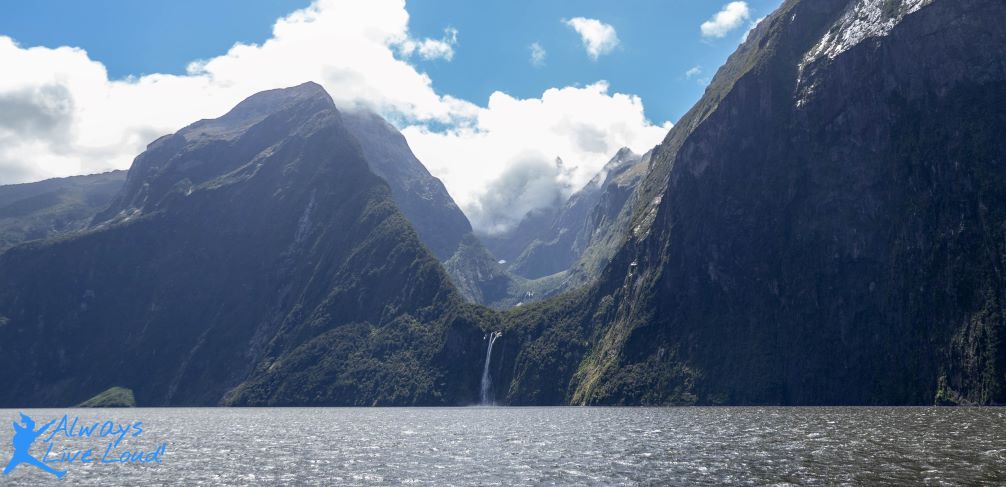
The fjord is home to a series of spectacular waterfalls that cascade down the cliffs, creating a stunning visual display as they plunge into the dark, serene waters below.
This unique landscape not only captivates the eye but also offers a glimpse into the powerful geological processes that have shaped this extraordinary region over millennia.
Lake Matheson
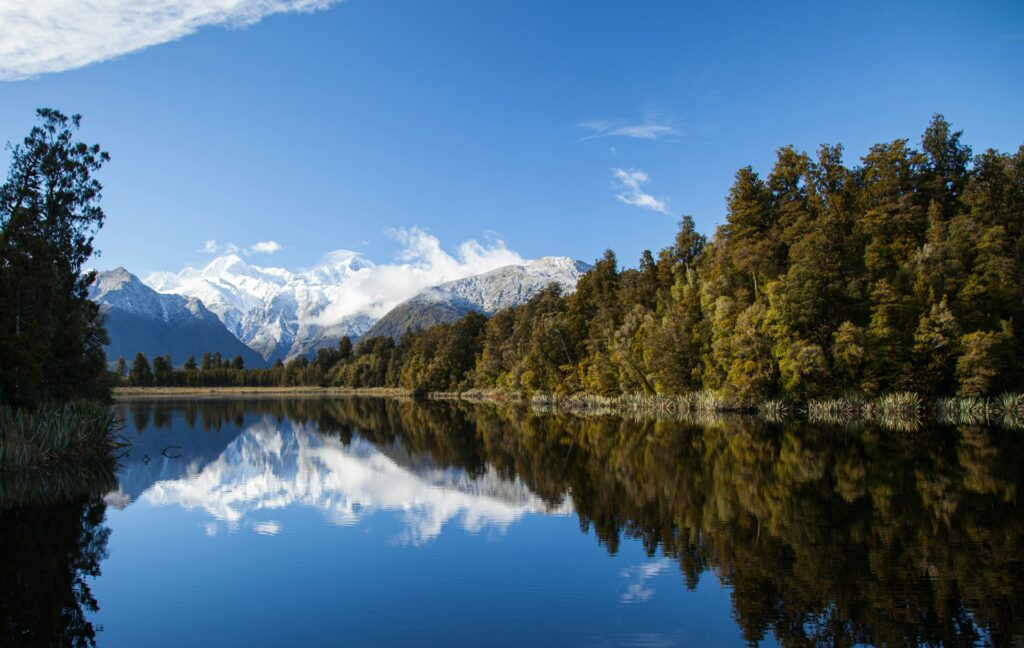
Situated near the breathtaking glaciers, this stunning lake is renowned for its striking mirror-like reflections of Aoraki/Mount Cook, New Zealand’s highest peak.
Visitors are often captivated by the way the surrounding mountain scenery is perfectly mirrored in the calm waters of Lake Matheson, creating a picturesque landscape that is a favorite among photographers and nature lovers alike.
🧐In Conclusion, The Key Differences
North Island
This region is notable for its dynamic geothermal activity and vibrant volcanic landscapes, which offer unique opportunities for exploration and research.
South Island
This area showcases expansive alpine landscapes and impressive, rugged features that have been beautifully sculpted by glacial erosion.