
Gum Diggers Park is a fantastic place. It tells the history of early settlers in Far North New Zealand who extracted kauri gum (also known as NZ Amber) over a hundred years ago.
You’ll get to see ancient Kauri trees that were buried in the ground by natural events that are still unknown.

One of the trees discovered in 2011 is even around 120,000 years old! The park is also a nature reserve for rare plants and wildlife species, making it a perfect spot to connect with nature.
The Track To The Gum Diggers World.
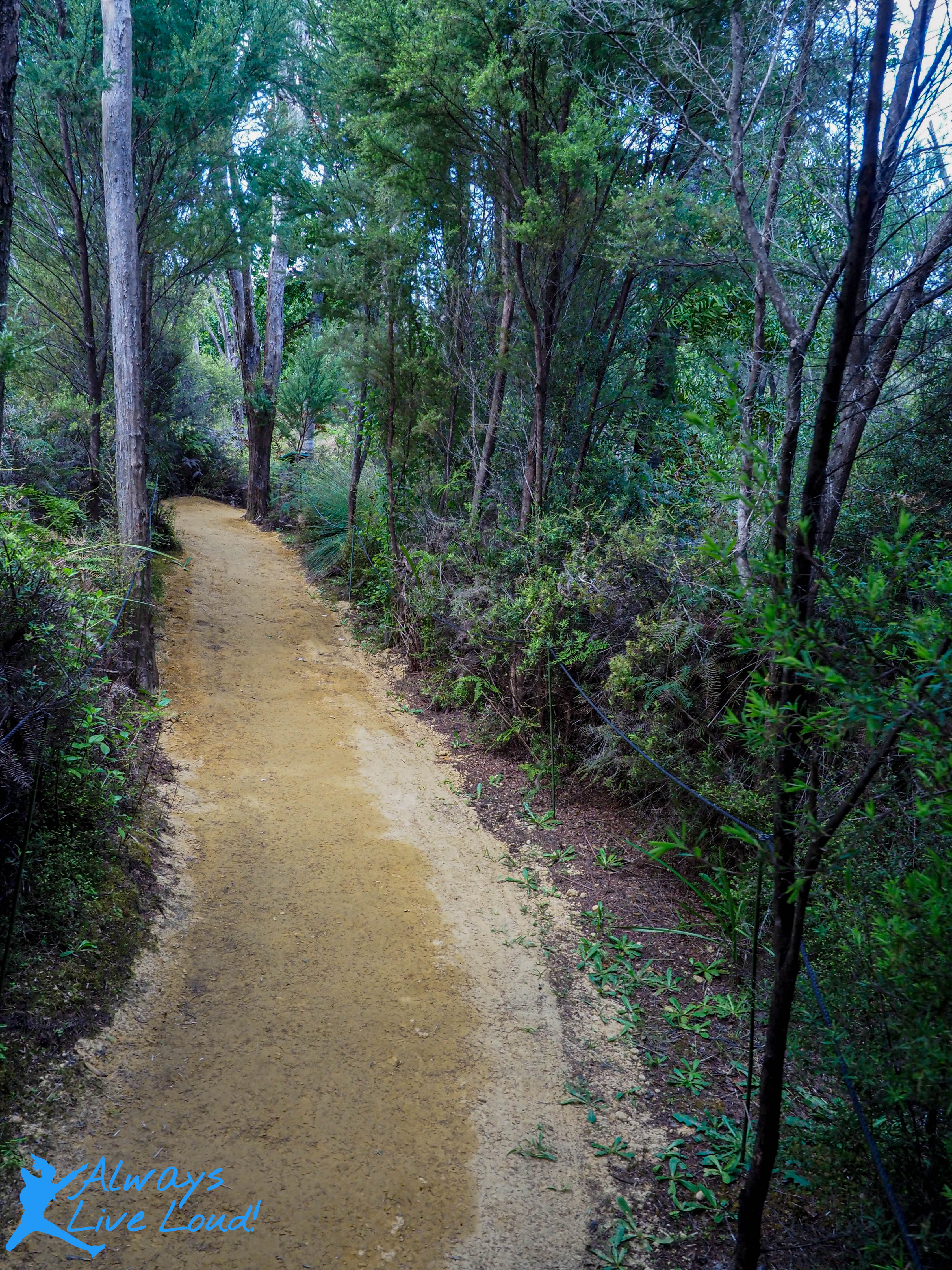

The main track of Gum Diggers Park takes only thirty minutes to walk through the gumfield. Along the way, you will encounter a recreated “Gumdiggers’ Village” and Gum Store, which is very informative and surreal.
As you walk, you will find information plaques that describe how the gum field works, and displays of working equipment and gum-digging relics can be found.
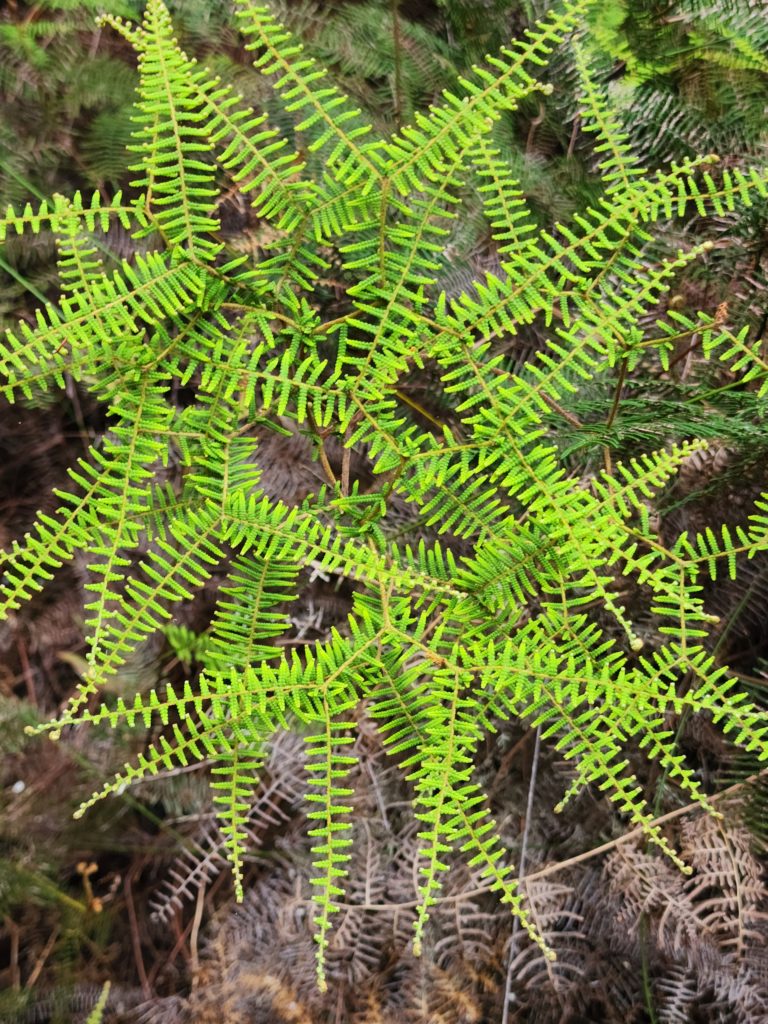
Additionally, you will enjoy the beautiful native regrowth forest that has reestablished itself since it was burnt to make way for gum digging/farming. This forest is now mature Manuka Bushland again and is truly unique.
Who were the Gum Diggers workers?
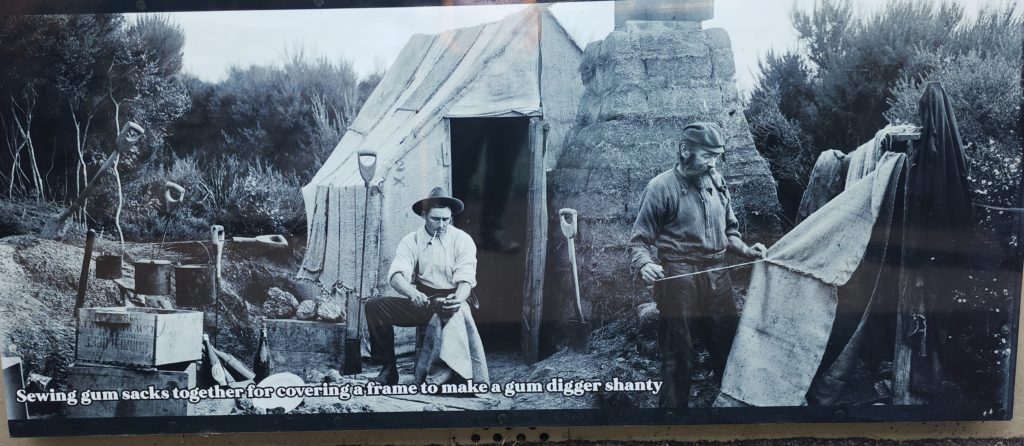
The gum digging was a significant source of income for both Māori and settlers in Northland from 1870 to 1920. In the 1890s, almost 20,000 people were employed in the gum industry, with around 7,000 of them working full-time. It’s fascinating to learn about the challenging lives of gum diggers in history.
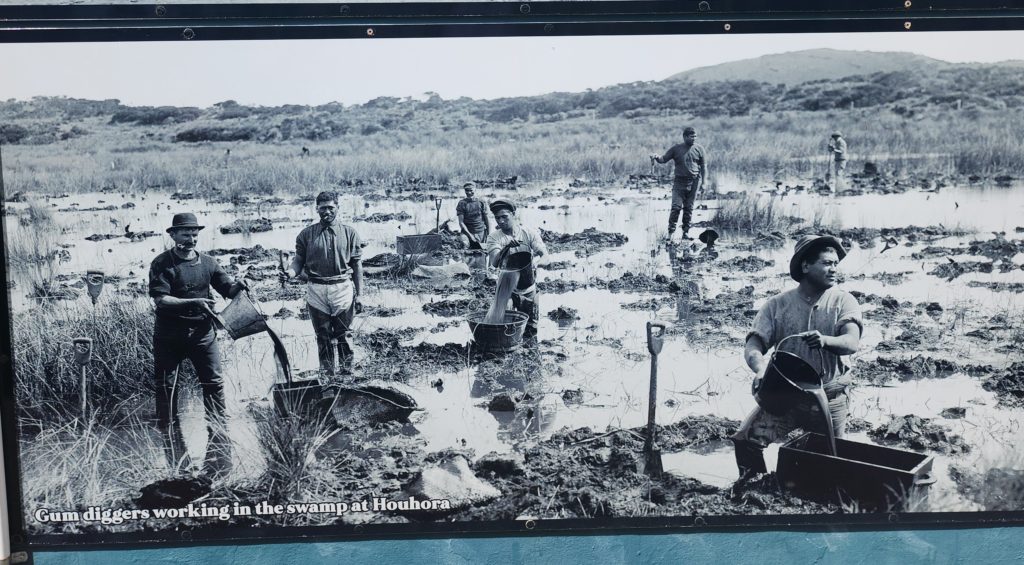
Back in the 19th century, Dalmatians were among the few non-British immigrant groups in New Zealand. They moved to the gumfields around 1885. They were called ‘Austrians.’
The Dalmatians used to form groups to dig in a particular area. On the other hand, British diggers usually worked alone or in pairs. Interestingly, Dalmatians and Māori had a great relationship, and many Northland residents today have both Dalmatian and Māori ancestry.
Gumdigger’s Village

Headed to the Gumfield, your first stop should be the Gumdigger’s village – it’s pretty amazing!
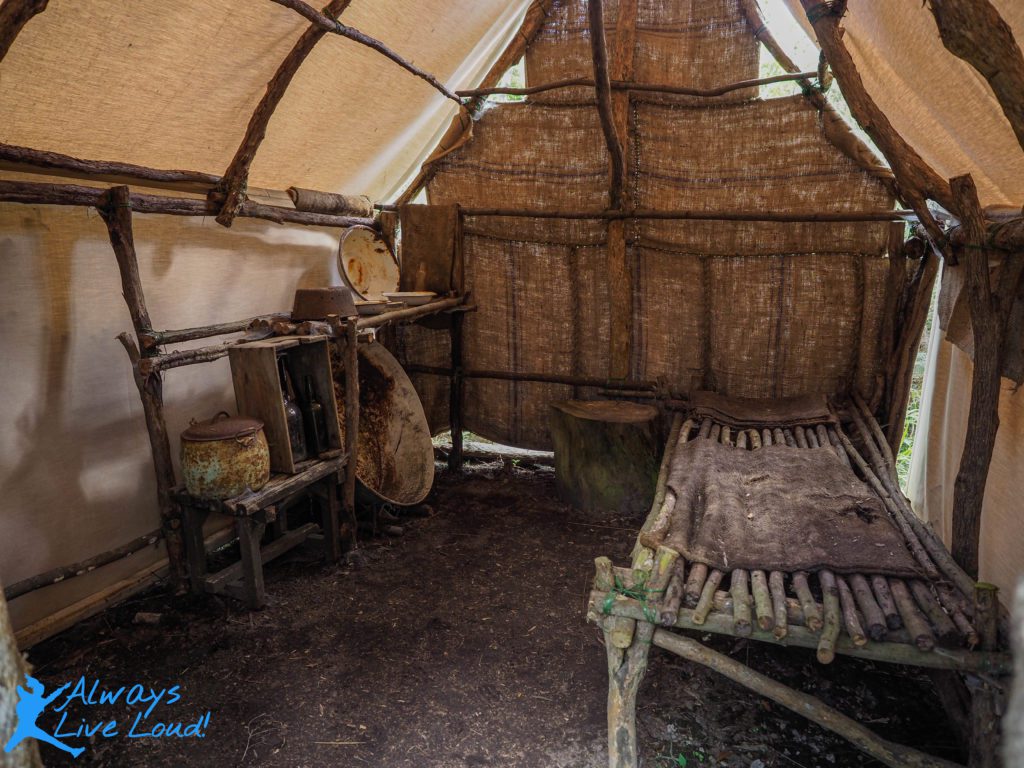
As you stroll through the charming streets of Gumdigger’s village, take a moment to admire the scenery of the traditional huts scattered all around.
Although these structures are not original, they have been rebuilt to provide a fascinating glimpse into the past, evoking images of the challenging life this community once endured. You can almost sense the daily hardships of living in such rustic dwellings.
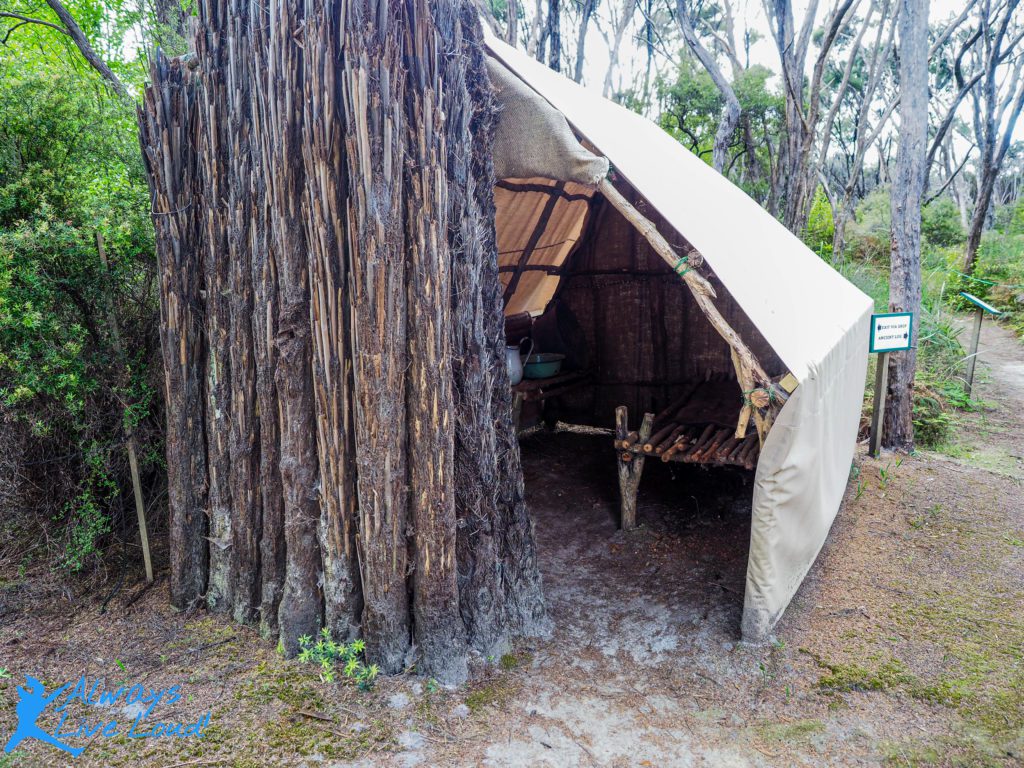
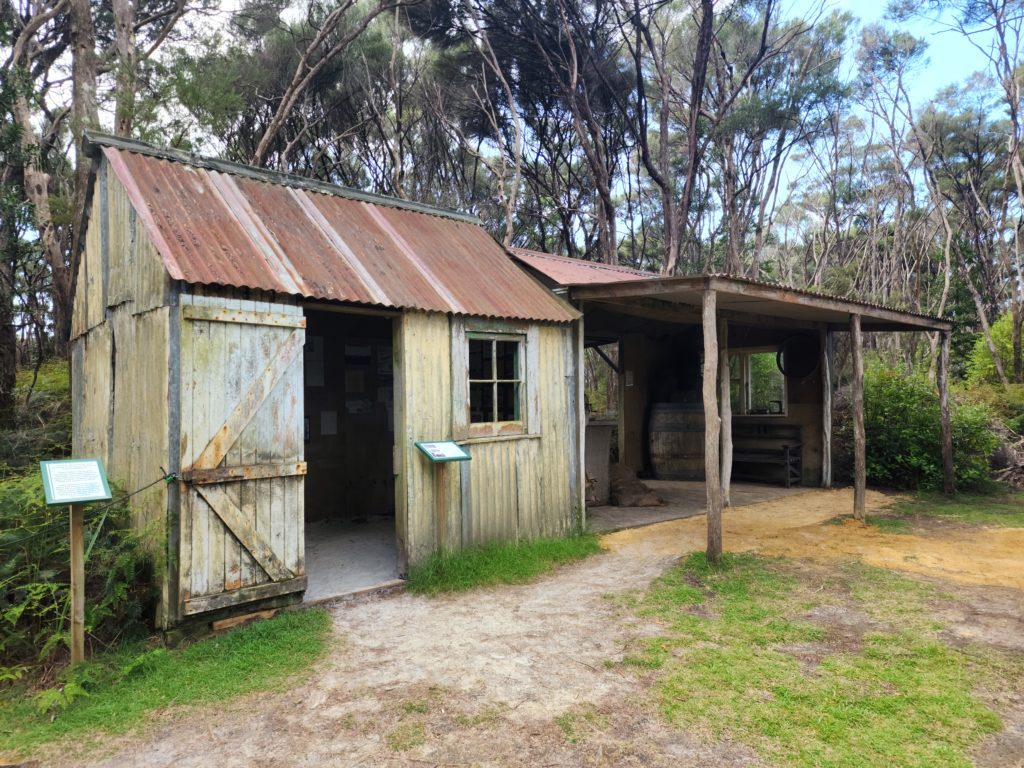
It’s genuinely awe-inspiring to consider how inventive and persevering the early settlers must have been to survive such harsh conditions. Overall, it’s an incredibly humbling and enlightening experience, a testament to the enduring spirit of those who resided in this village centuries ago.
The Gumfield

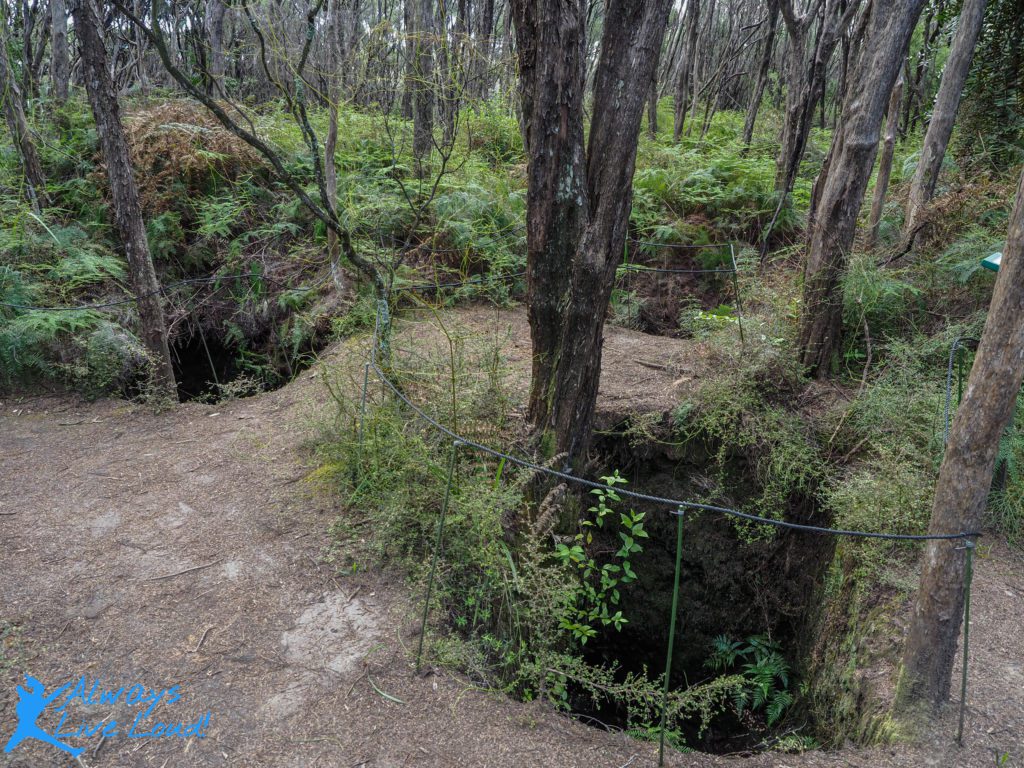
All the gum holes here were dug by hand and come in different sizes, from one meter to several meters deep. Can you believe that gum-digging has happened here for over a hundred years? Unfortunately, they abandoned it around seventy years ago due to a lack of Kauri Gum.

Since the Gumdiggers left, this gumfield has been untouched and without human intervention for many years. The gum holes are perfectly preserved, and you’ll see different types, some with tunnels between them.
You’ll find that some gumlands still have kauri trees, but most of them don’t. They’re actually places where kauri used to grow over thousands of years. Most gumlands are low-lying hills and flats covered in mānuka or swamps.
In 1898, the Kauri Gum Industry Act was passed, which created kauri gum reserves – areas of government-owned land that could only be worked by British, Māori, or naturalized New Zealanders. The law was passed after a commission of inquiry was set up because British diggers complained that Dalmatians were sending their earnings back home. However, if you have an arrangement with the landowner, you can still work on private lands.
The Buried Ancient Forest🌳

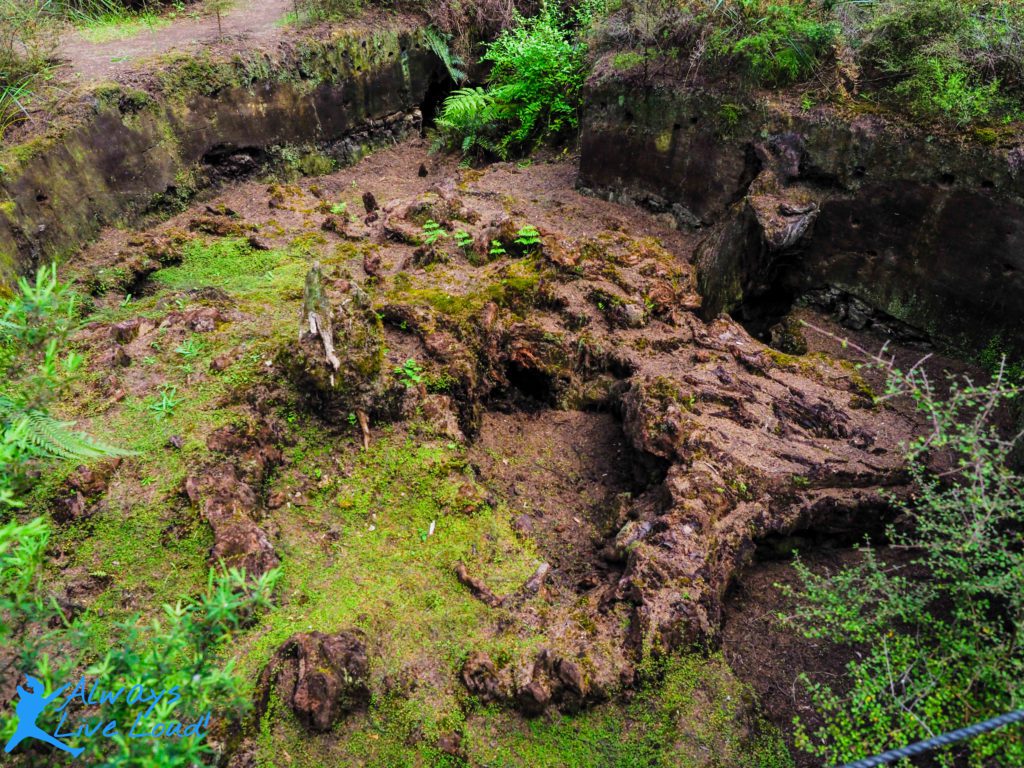
There has been a lot of talk about what caused the Kauri forests to be destroyed. Researchers have been studying the issue in the northern half of North Island for the past two decades to figure out what happened.
Interestingly, the Kauri wood and leaves, along with leaves from other species, have been well-preserved in peat swamps due to their unique chemical composition. However, because the logs from different periods are found in various swamps, it’s been quite challenging to determine what exactly happened to them.

One fascinating observation is that all the swamp trees lie in the same direction, suggesting that a hurricane or tsunami may have wiped them out. According to a 20-year-old study, the Oruanui volcanic eruption 26,500 years ago could have caused the last Kauri forest on this site to decline.
The Oruanui eruption near Lake Taupo on North Island released over 800 cubic kilometers of material into the atmosphere, and ash deposits were found throughout New Zealand and offshore islands.
It’s plausible that the volcanic ash harmed the forests by altering the temperature. Additionally, it’s possible that a tidal wave caused by the eruption, an earthquake, or a meteorite blast could have flattened the forest. An offshore meteorite impact could have resulted in a tidal wave similar to the Mahuika event in the Tasman Sea.
Scientists and nature enthusiasts have been working together to uncover the truth behind the decline of Kauri forests. Studies in the northern half of North Island over the past 20 years aim to explain the decrease in Kauri forests.
Is it worth Visiting Gum Digger Park?

If you’re looking for a unique experience, I highly recommend visiting the Gum Digger Park.
This remarkable attraction seamlessly blends history and nature, providing an experience that will leave you in awe. Even if you’re not a history enthusiast, you’ll still be captivated by the park’s stunning natural surroundings.
You’ll be transported back in time and immersed in an interactive museum experience upon arrival.
Don’t miss out on this incredible opportunity to explore and discover the wonders of the Gum Digger Park.