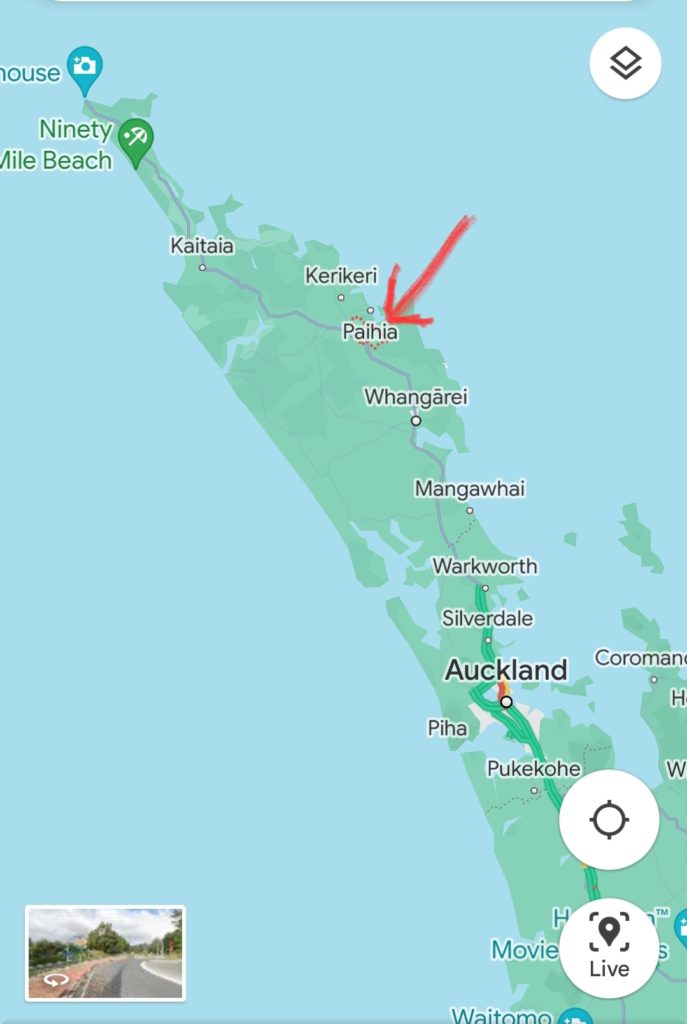
Where Is Kawakawa?
Kawakawa Bay is a stunning coastal town in New Zealand, located on the eastern coast of the Auckland Region.
The confluence of the Waihou and Piako rivers forms the bay. It is situated on the southern side of the Hauraki Gulf.
It’s a three-hour drive from Auckland City and is known for its breathtaking views. The Hunua Ranges, famous for many native wildlife species, are located north of the bay.
Kawakawa Bay is just 20 minutes inland from the Bay of Islands activity hub, Paihia. Which makes it the perfect location to access the famous coastline and beautiful inland scenery.
The Picturesque Kawakawa
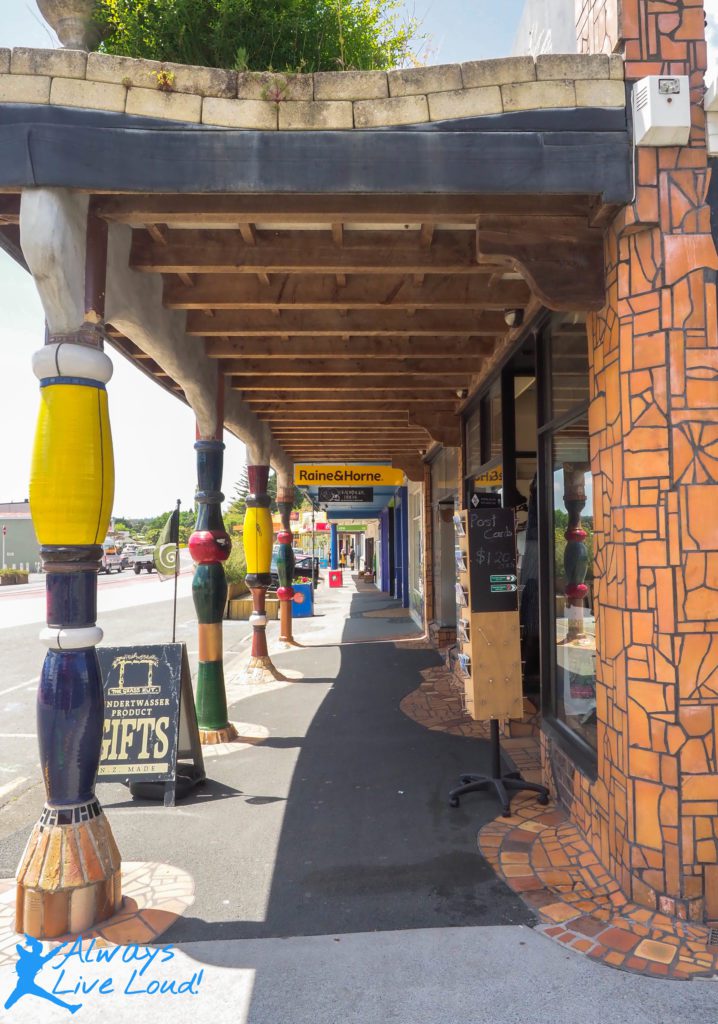
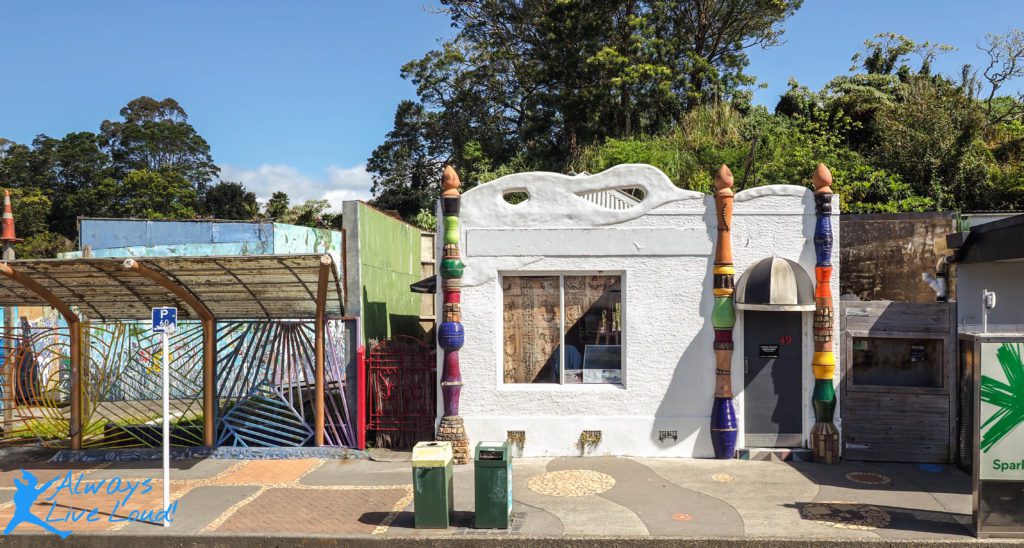
As you drive through the charming town of Kawakawa, take some time to wander through the vibrant and lively Gillies Street.
The street is adorned with a riot of colors, charming shops, and cozy cafes, making it the perfect place to take a break and stretch your legs.
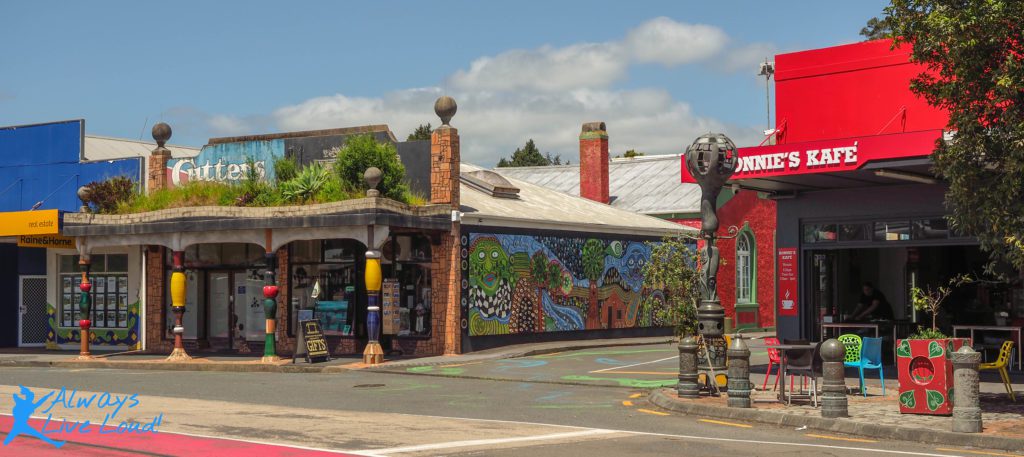
Marvel at the stunning and intricately designed sculptures, mosaics, copper elements, and cobblestones that embellish the public toilets and explore the breathtaking natural beauty of the surrounding areas.
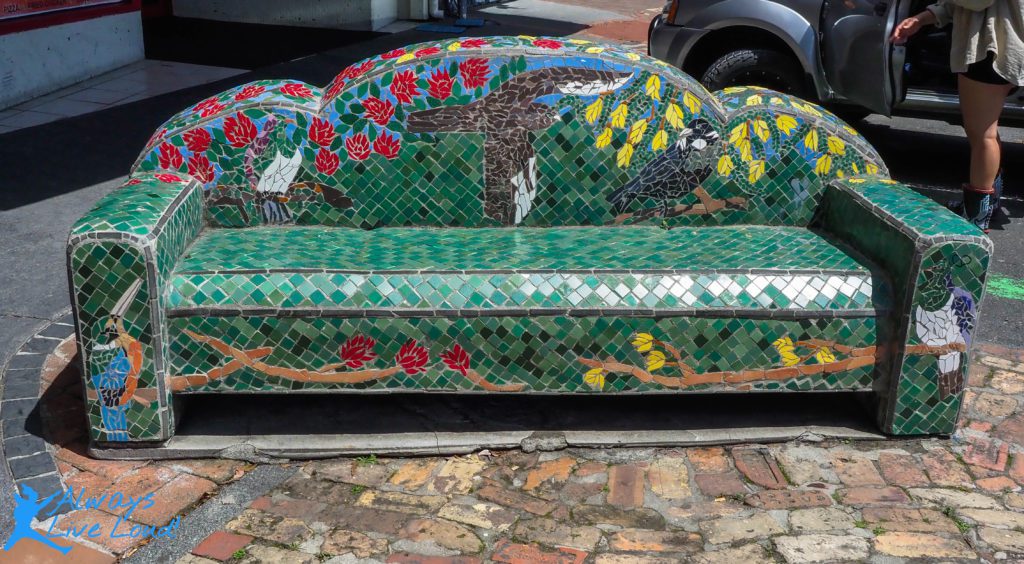
This colorful street is a must-visit destination whether you’re heading to or from Paihia. These eye-catching works of art will leave a lasting impression on any visitor.
What Is Unique In Kawakawa?
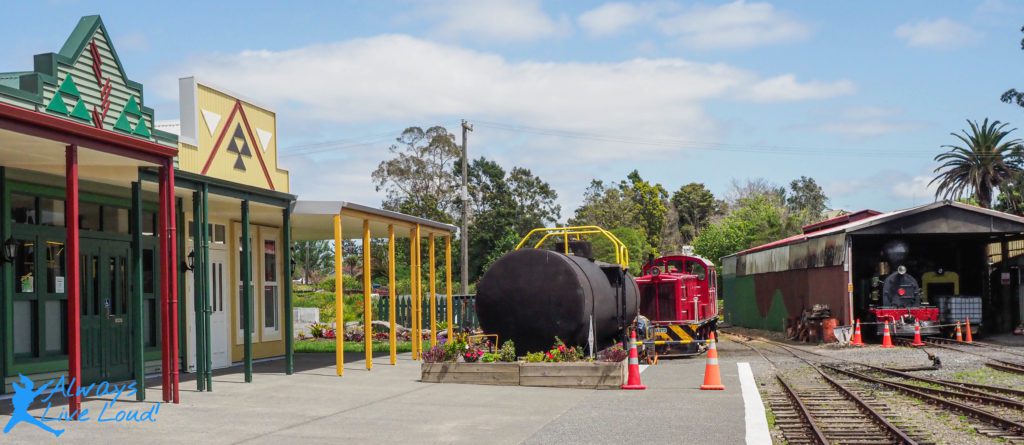
Kawakawa boasts a range of unique characteristics that make it stand out. However, there are certain places within the town that contribute to making Kawakawa an exceptional destination. These places include the iconic Hundertwasser toilets and the Hundertwasser Memorial Park, the lively Gabriel Read Art, and the historic train station, which is home to the Bay of Islands Vintage Railway. Each of these locations offers a unique experience that highlights the town’s rich culture and history. Which makes Kawakawa a must-visit destination for anyone traveling to New Zealand.
Friedensreich Hundertwasser Toilet
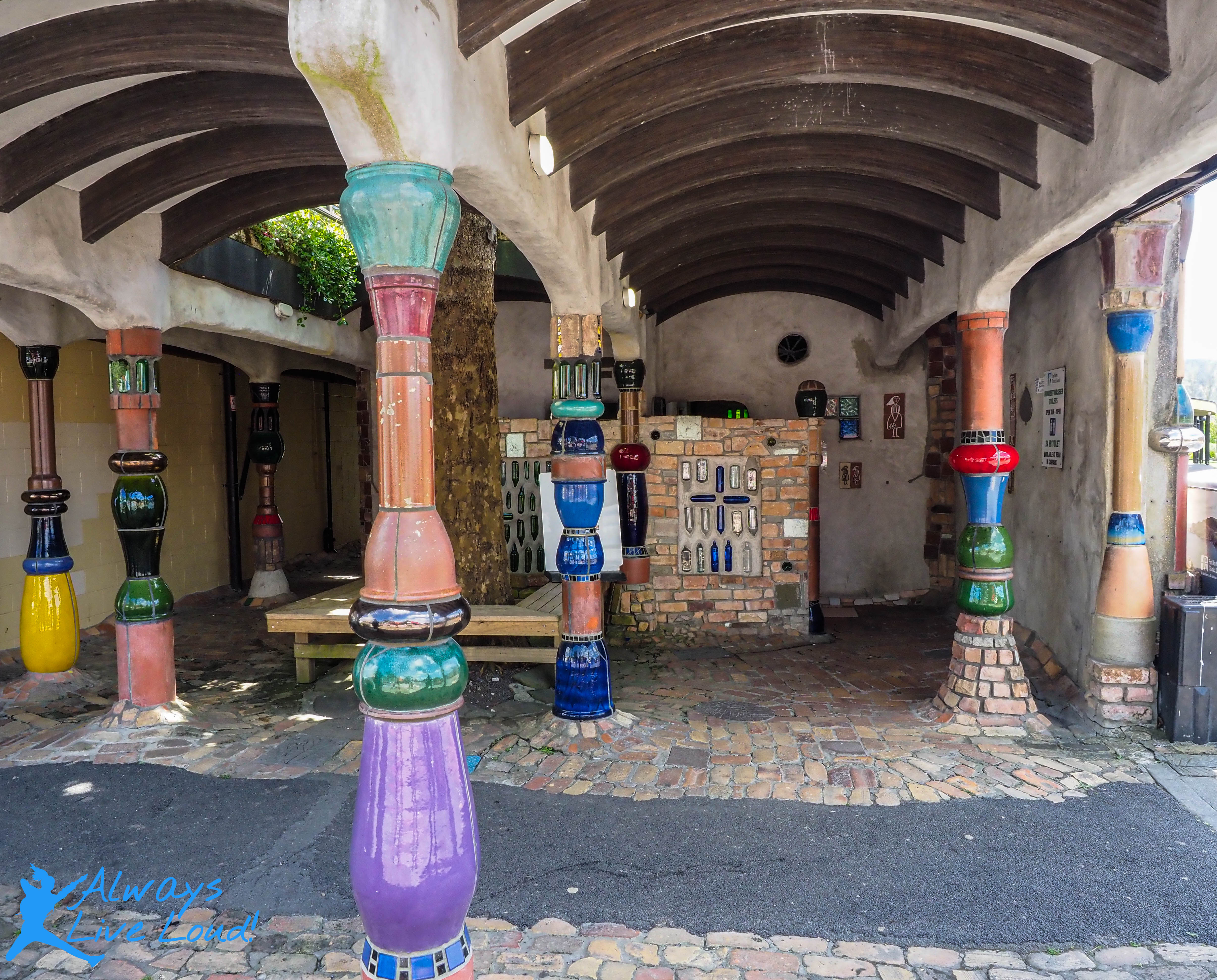
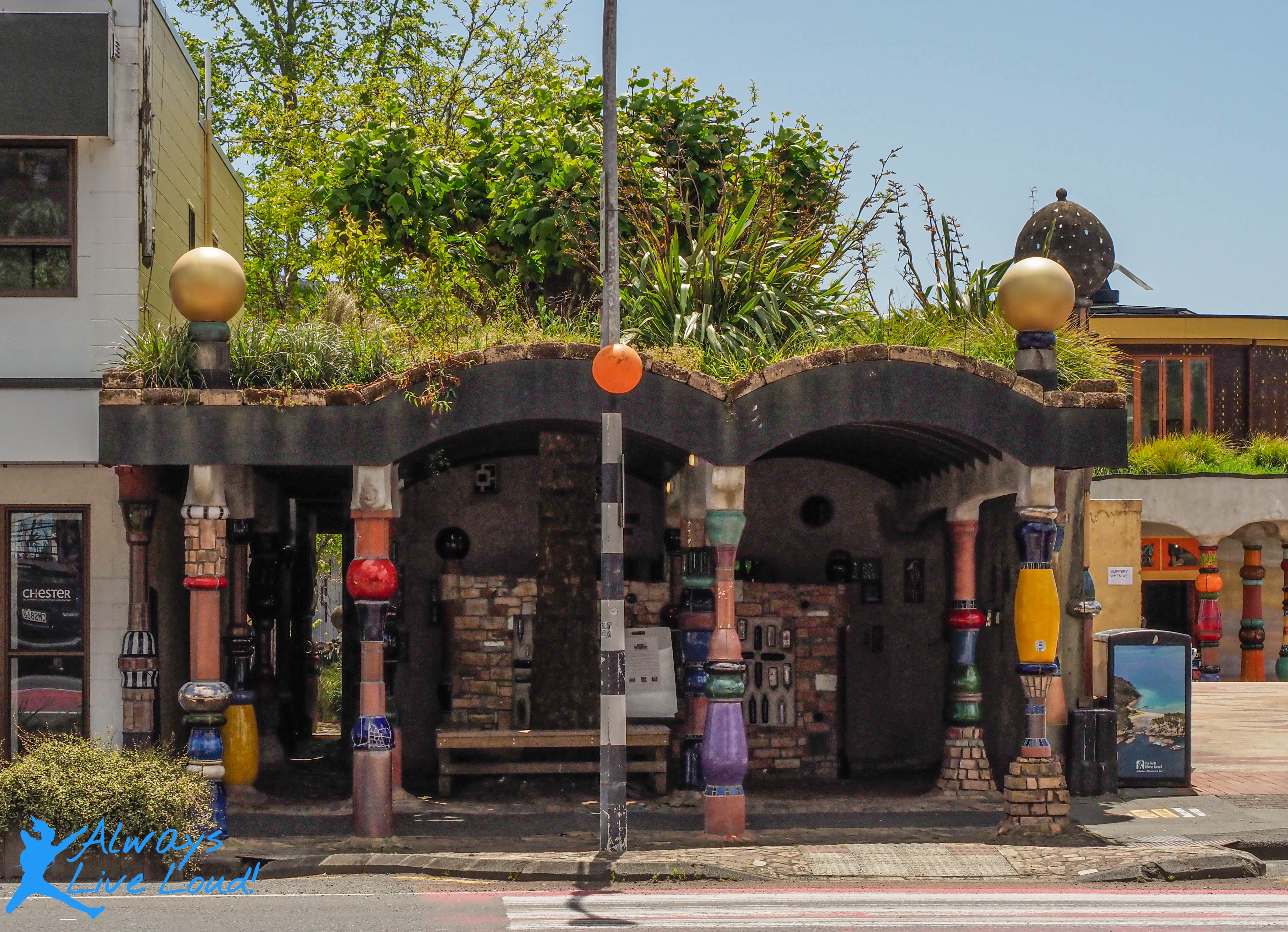
The public washroom is strikingly unusual. It has a grass tuft roof decorated with golden orbs, making it a truly unique design.
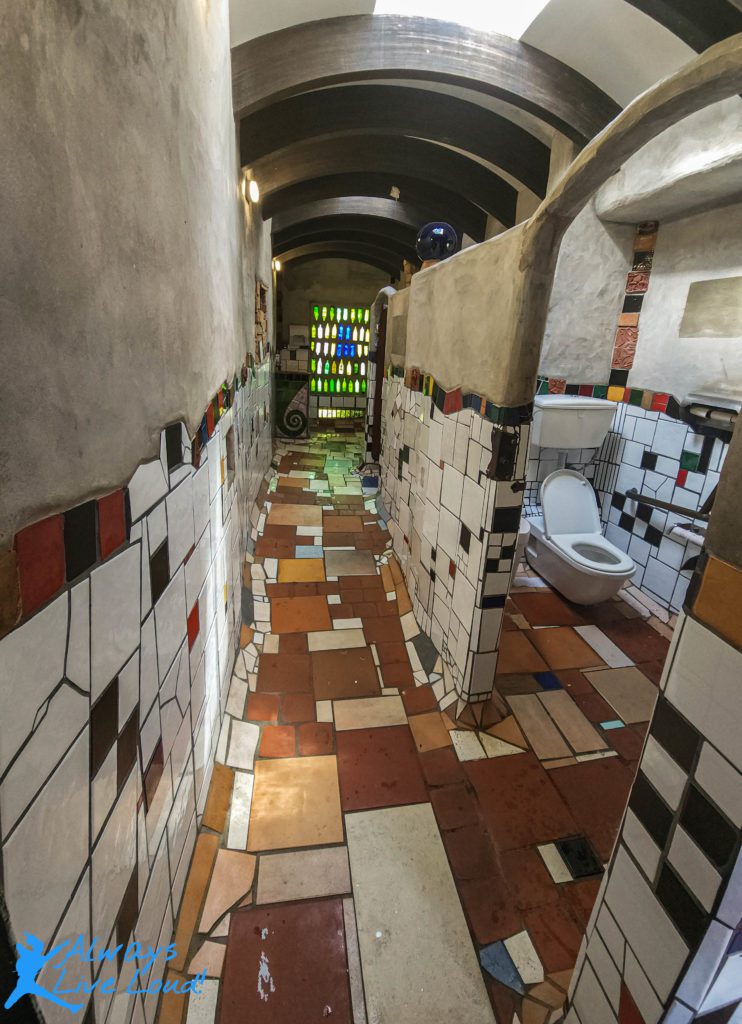
The restrooms were gifted to the town by Friedensreich Hundertwasser, an Austrian architect. He lived in Kawakawa from the mid-1970s until he passed away in 2000.
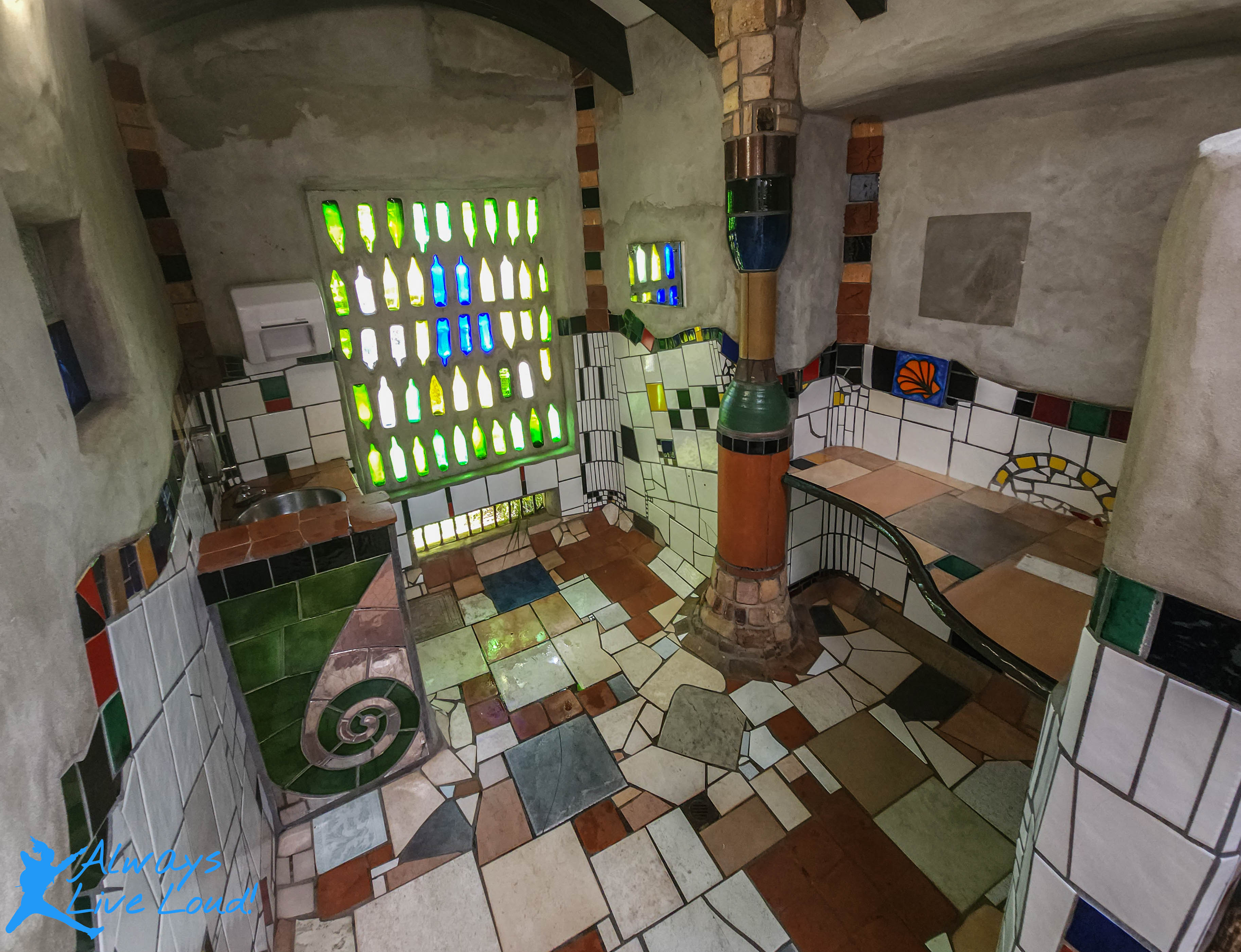
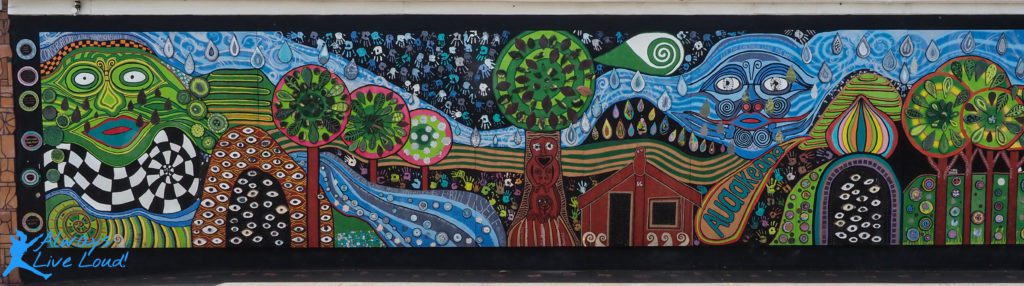
Hundertwasser was famous for his unconventional design philosophy that rejected straight lines. The toilets are a perfect example of his innovative and creative work. The washroom’s exterior also features a vibrant and colorful mosaic design that is captivating and visually stunning. it is a truly remarkable addition to the town’s landscape.
Hundertwasser Memorial Park
Friedrich Hundertwasser, an Austrian/New Zealand artist, designed a famous toilet in a Northland town.
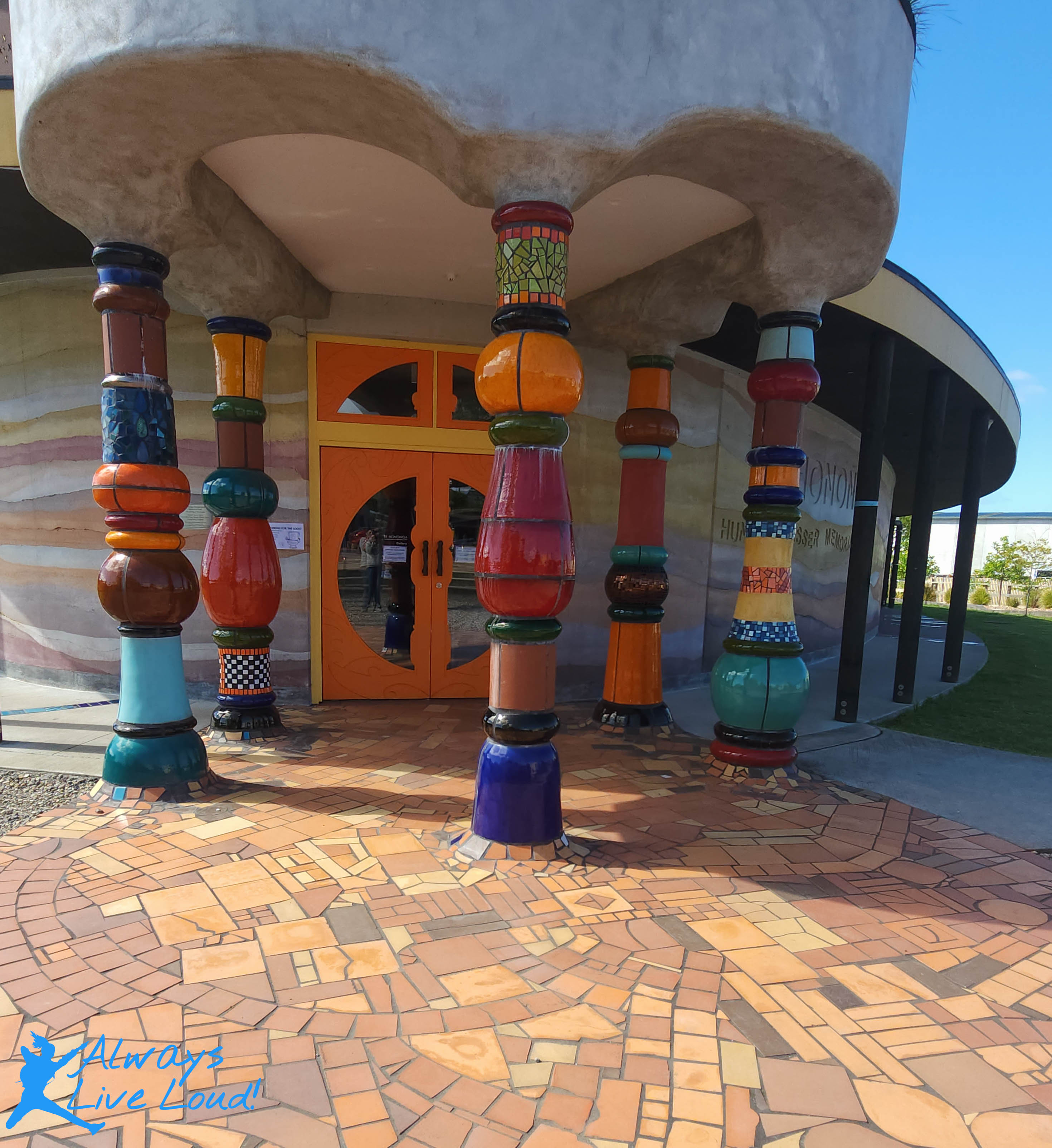
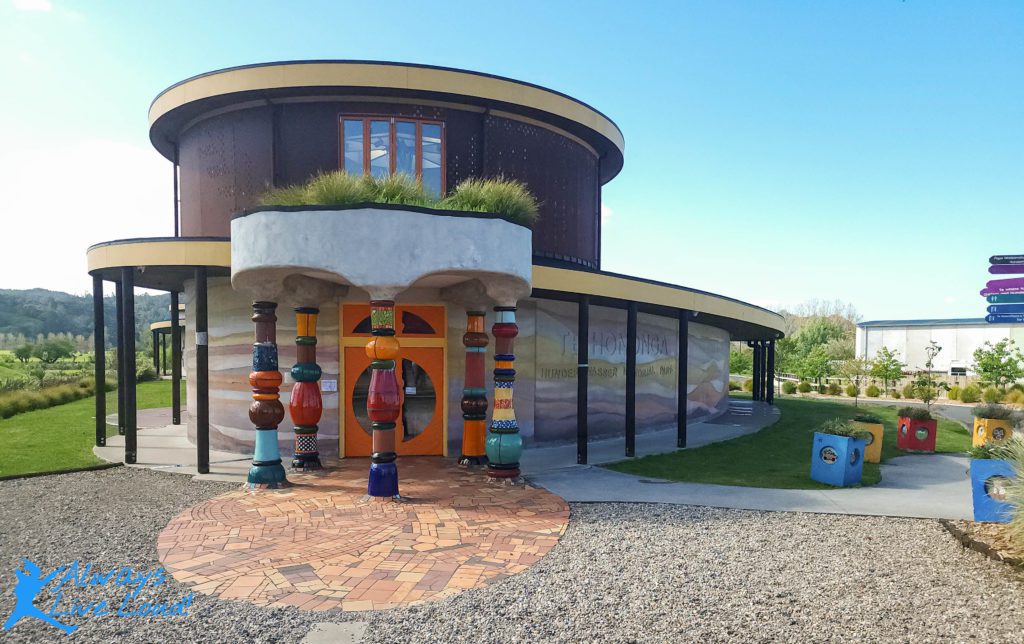
At the opening ceremony, a local Māori elder gifted him a walking stick. The stick is now the centerpiece of Te Hononga, a complex that pays homage to Hundertwasser and Māori values.
The exterior is an open-air gallery with Gaudi-inspired elements, and the toilet walls depict native birds. Local artists and tradespeople created the artwork in consultation with Ngāti Hine iwi.
Steam Train
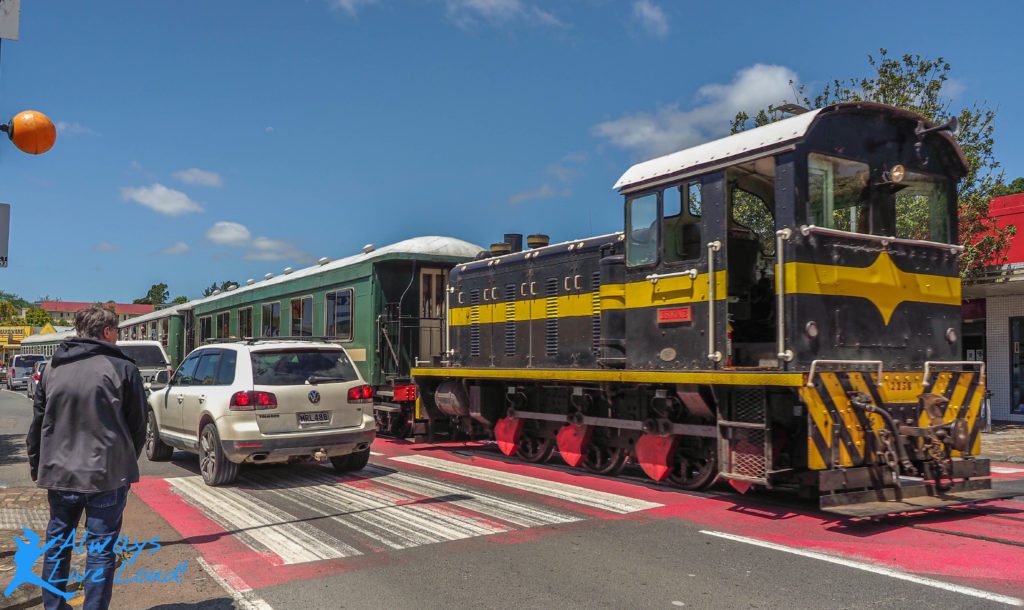
You’re in for a treat because the town is home to a fantastic attraction – a magnificent steam train that chugs through the city’s center every weekend.
What makes it even more special is that Kawakawa is the only town in the country where a railway track runs through the central business district, making it a must-visit destination for tourists from all over Northland and beyond.
What is the history of Kawakawa?
The Town
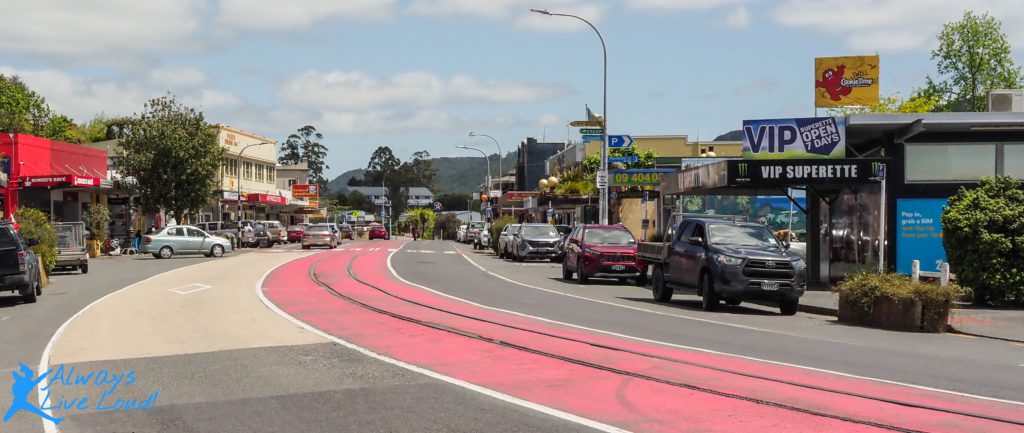
Kawakawa is a charming town with a rich history. Coal mining started in 1864, and a horse-drawn tramway transported coal in 1868. The tramway was later upgraded to railway standard with two steam locomotives in 1871. By 1899, the town had around 1,000 residents, mostly residing on the hillside. A fire destroyed almost all of the buildings in 1899, and the city was rebuilt on the flatlands alongside the railway tracks.
The town’s economy relies on farming, and the area was also a popular location for kauri gum-digging trade in the late 19th and early 20th centuries. Coal mining stopped in the early 20th century after a railway line south of Whangārei was completed in 1911.
The Star Hotel
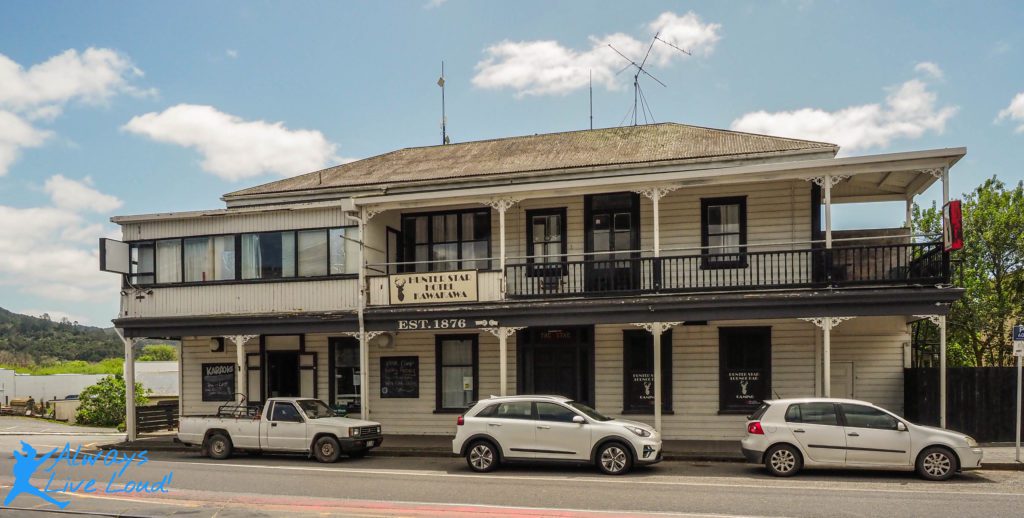
The Kawakawa Star Hotel, which opened in 1879, has a peculiar history. , was granted an accommodation license three years later due to the need for more lodging options for travelers passing through the town.
In 1900, a Maori man was found dead on Awanui beach after drinking at a hotel the previous night. After an investigation of his death, he was found to be a homicide. In the same year, whoever was the hotel keeper was found guilty of perjury.
An updated license was granted to Mr. McCullough on the condition that a stable be provided for visitors’ horses.
Finally, the hotel was granted a permit to sell alcohol in bulk. Nowadays, the establishment enjoys a quieter existence, appears well-maintained, and has a tidy appearance in town.
The Public Lamp
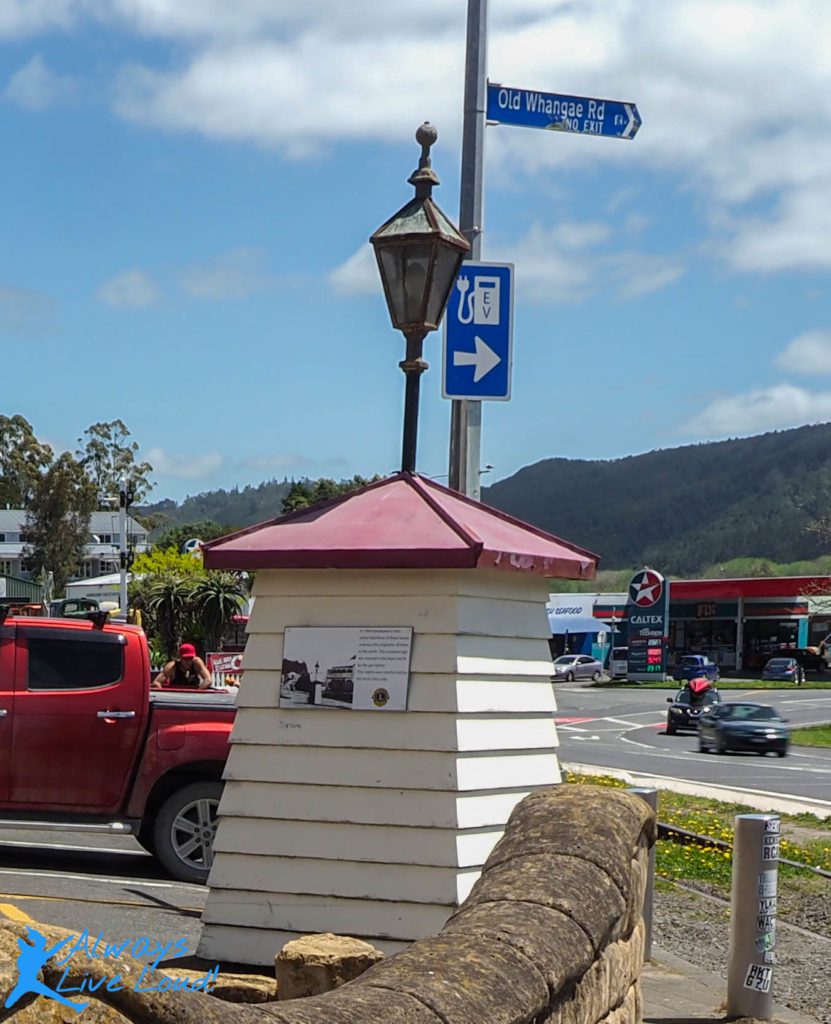
The plate says: “In 1904, Kawakawa’s main street had three of these lamps and was the originator of them in the north. The acetylene gas was housed in the base and lit by the gas lighter. The Lion Club constructed this replica”.
Isn’t it fascinating to imagine someone lighting up and turning off these lamps daily? Imagine a lone figure emerging from the shadows as the sun sets, carrying a long stick with a small flame at the end. They walk along the streets, stopping at every lamp post, igniting the lamps, and casting a warm glow on the street corners and sidewalks.
In the early morning hours, the same figure returns to extinguish each lamp one by one until the town is once again shrouded in darkness. It’s amazing to think about how much effort and care goes into lighting up the town every night.
The Town’s Name

Its name is from the Kawakawa shrub, which is abundant in the area. The word “kawakawa” is rooted in the Māori language, and it refers to the leaves of the shrub that have a bitter taste.
The leaves are a traditional medicinal remedy used by Māori healers, or “tohunga,” to treat various ailments such as toothache, cuts, and bruises.
The Kawakawa shrub is also significant in Māori culture as it is believed to have spiritual and protective properties. It is commonly used in the creation of traditional Māori art and carving.
Kawakawa
Although Kawakawa is famous for its unique Undertwasser public toilet, it is a small yet vibrant town with several amenities such as shops, cafes, and lodging options. The bay is a popular destination for fishing, boating, and water sports enthusiasts, as well as for those who enjoy hiking and exploring the picturesque countryside.
Whether you’re seeking a peaceful retreat or an action-packed adventure, Kawakawa has something to offer everyone.