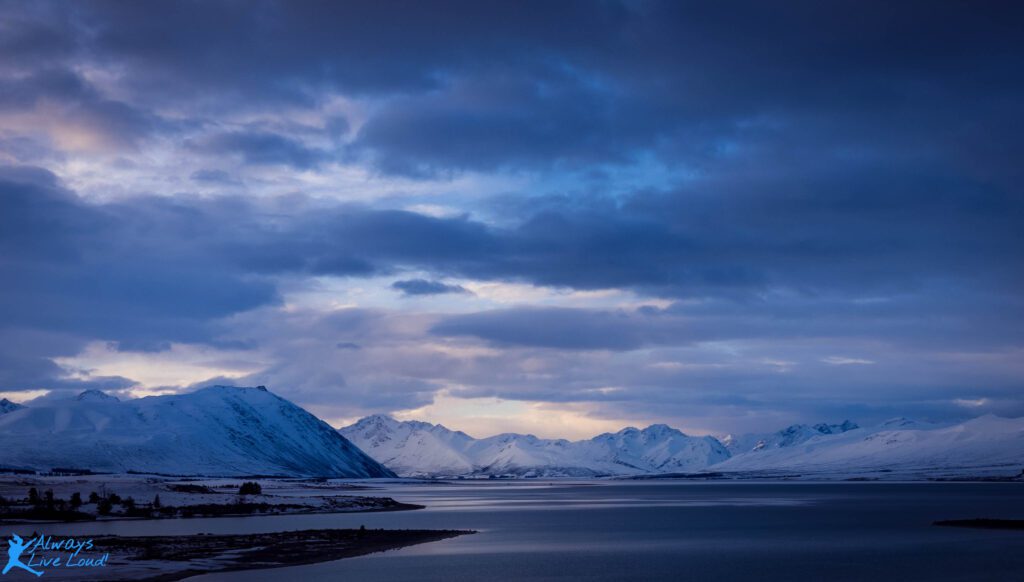
As winter rolls in and blankets the mountains in snow, I thought it’d be cool to share a legend about the beautiful peaks of New Zealand’s South Island. There’s something magical about these mountains, and exploring them in winter feels like stepping into another world—pure beauty and peace all around.
So, let’s dive into the legend of Aoraki, which is all about New Zealand’s highest peak. This is a story of brothers traveling together that turned into an intragedy. Four brothers caught in a freezing storm turned to stone, becoming the impressive Southern Alps that rise in our backyard.
✨The Epic Journey
Long before anyone envisioned traveling along the Summit Road, the legendary story of Aoraki played a significant role in shaping the stunning landscape of New Zealand’s South Island.
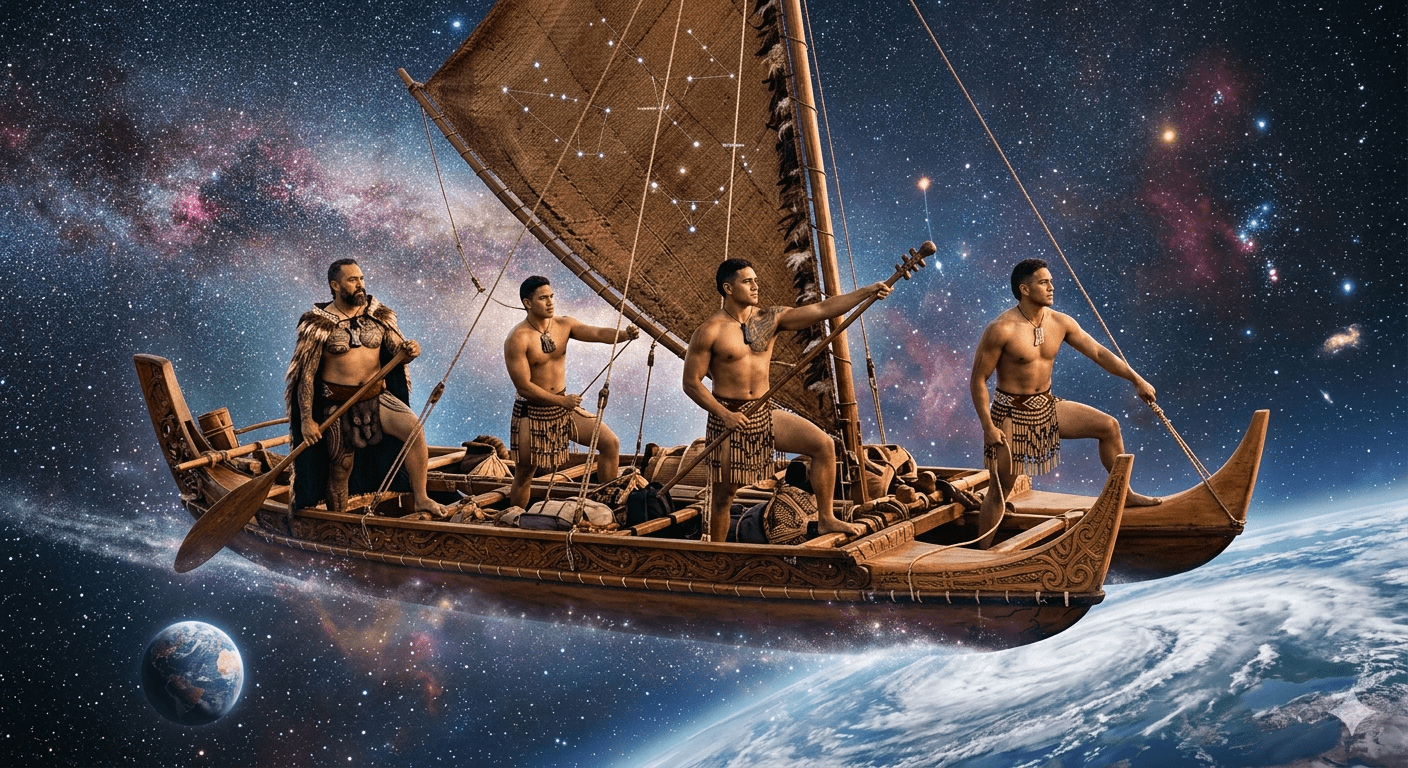
According to the traditional Ngāi Tahu tales, Aoraki was the oldest son of Rakinui, the Sky Father. Along with his brothers—Raka-hā-utara, Rākiri, and Tukiauau—they embarked on an epic journey in a celestial waka (canoe), sailing across the vast heavens.
As they were voyaging, they attempted a powerful karakia (incantation) that sadly went horribly wrong. The waka lost its balance and got tossed onto a reef, tilting dangerously to one side. The brothers quickly scrambled to the highest point of the canoe, hoping to save themselves from disaster. But then, a fierce, icy south wind swept across the sky, and in an instant, the young voyagers were turned to stone, forever part of the landscape they had once sailed.
🪨Turned to Stone
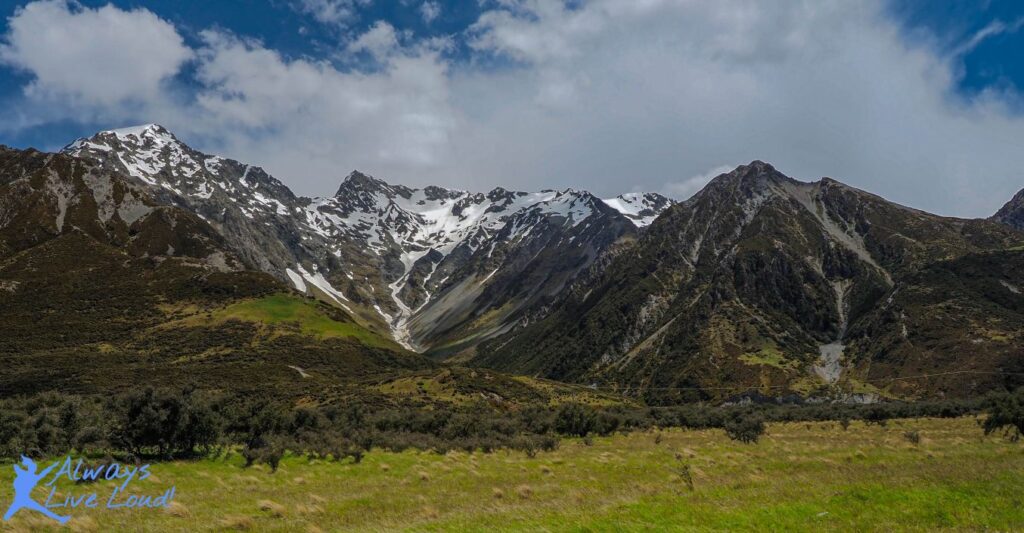
The waka, called Te Waka o Aoraki, sank into the ocean and eventually became what we know today as the South Island of New Zealand. Aoraki, the tallest of the brothers, became Mount Cook, now the highest peak in the area. As for his brothers and their belongings, they became the stunning peaks of the Southern Alps that we admire today. For the local Ngāi Tahu people, these mountains hold a special place in their hearts; they see them as sacred and deeply tied to their heritage. It’s amazing how nature and culture intertwine in such a beautiful way!
💭Final Thoughts:
The legend of Aoraki serves three distinct cultural purposes.
☝️Respect for Sacred Rituals
The disaster happened because someone messed up a karakia (that’s basically a prayer or chant). It shows that when it comes to sacred rituals, you really need to get it right, show respect, and have a solid understanding. Making mistakes in spiritual stuff can lead to some serious repercussions.
✌️Connection to Ancestry
The Ngāi Tahu iwi (tribe) has a really interesting story about their connection to the land. They see the mountains as more than just rocks — they believe those mountains are their ancestors turned to stone. This belief highlights their commitment to caring for the environment, which they call kaitiakitanga. It teaches them to protect the land and respect nature.
🤟Explaining the Natural World
Just as many ancient myths do, this one offers a fun way to teach us about geography. It tells the story of why the South Island looks like a long, narrow canoe — kind of cool, right? Plus, it explains why those towering peaks are always capped with ice. It’s like nature’s way of showing off its own artwork!