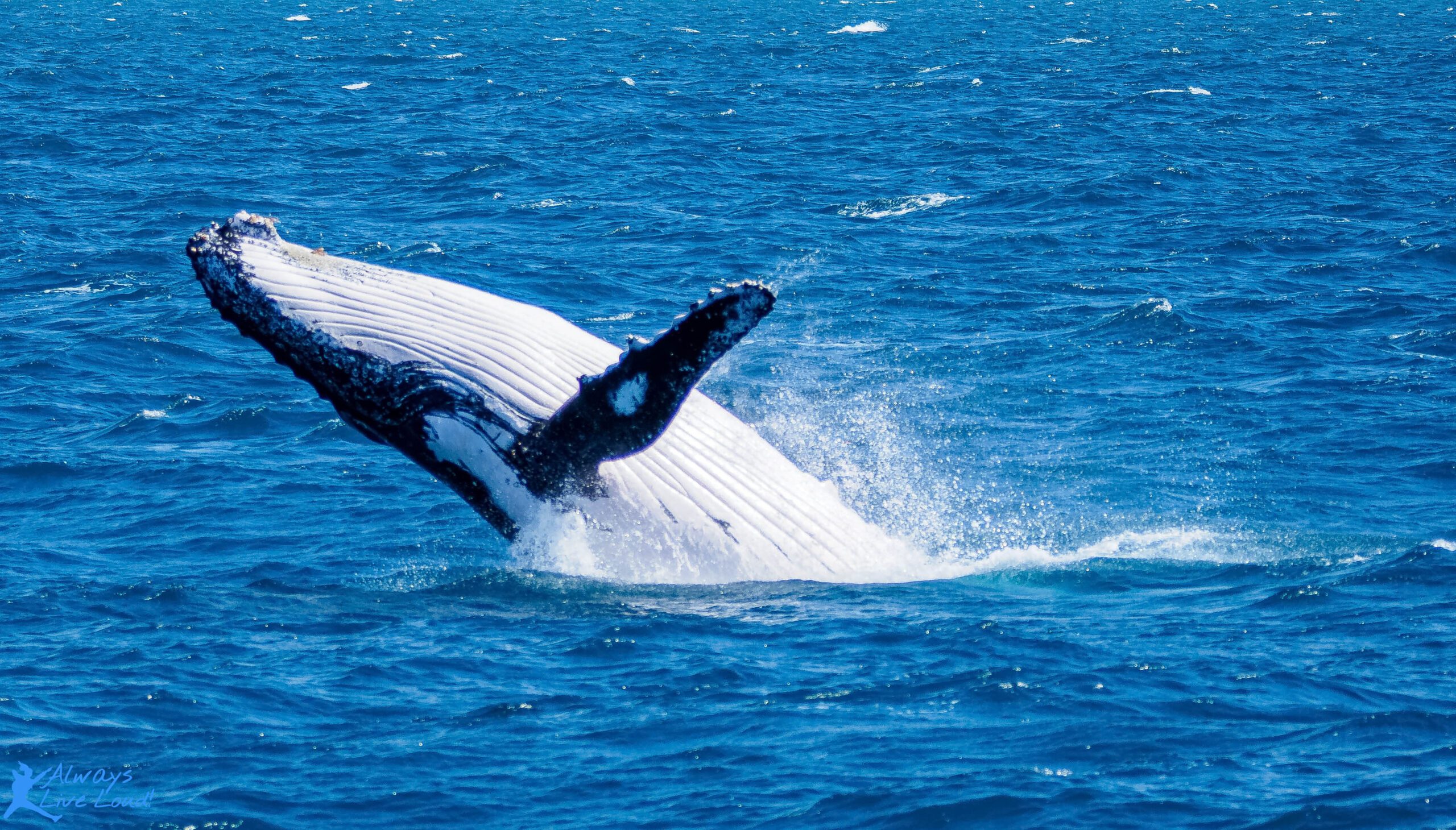
Thailand has a rich cultural heritage, stunning landscapes, delicious food, and friendly locals. Many surprises are waiting for you to discover. Get ready to explore the unique traditions, engaging history, and diverse ecosystems that make Thailand a special place to visit!
I had such a fantastic time on my cultural tour in Thailand! My amazing tour guide, Suzie, shared many fun and interesting facts about the local culture. I’m excited to share these experiences with you!
1️⃣ Bangkok Name
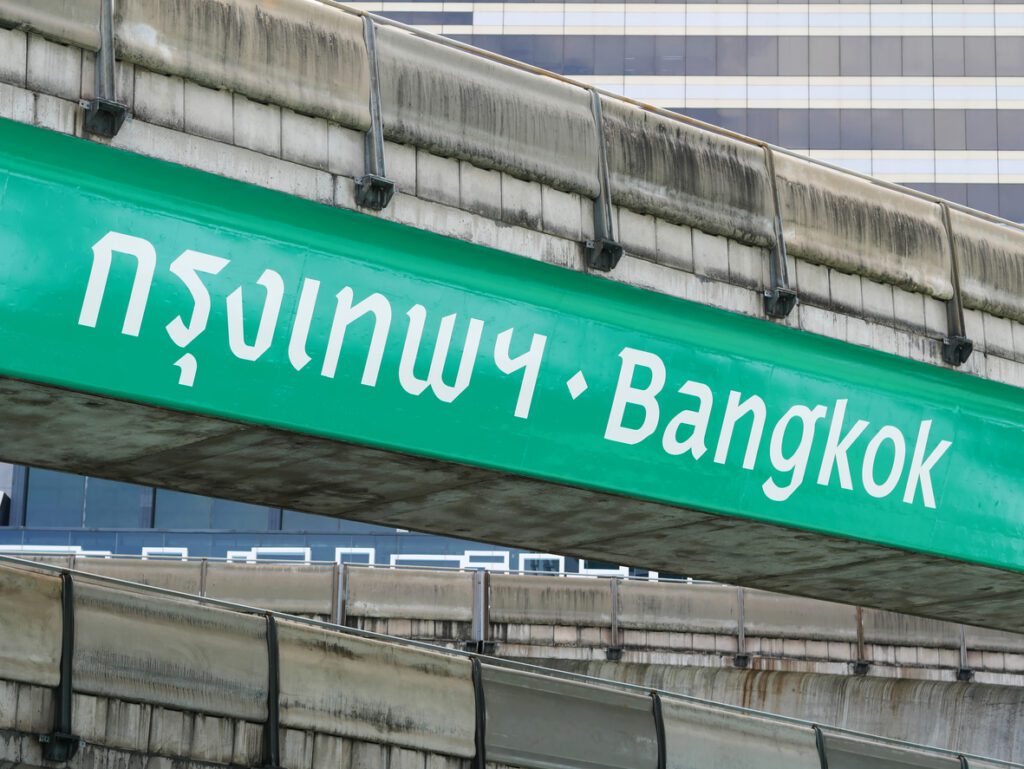
In Thailand, Bangkok is called by the locals by its shorter name, Krung Thep. The city’s full name is quite long and unique, reflecting its rich history and culture. This alternative name highlights the affection that locals have for their capital.
Krung Thep Mahanakhon Amon Rattanakosin Mahinthara Ayuthaya Mahadilok Phop Noppharat Ratchathani Burirom Udomratchaniwet Mahasathan Amon Piman Awatan Sathit Sakkathattiya Witsanukam Prasit.
The name roughly translates to “City of Angels, Great City of Immortals, Magnificent City of the 9 Gems, Seat of the King, City of Royal Palaces, Home of Gods Incarnate, Erected by Visvakarman at Indra’s Behest.”
2️⃣ Did you know that Bangkok used to be called the “Venice of the East”?🧐
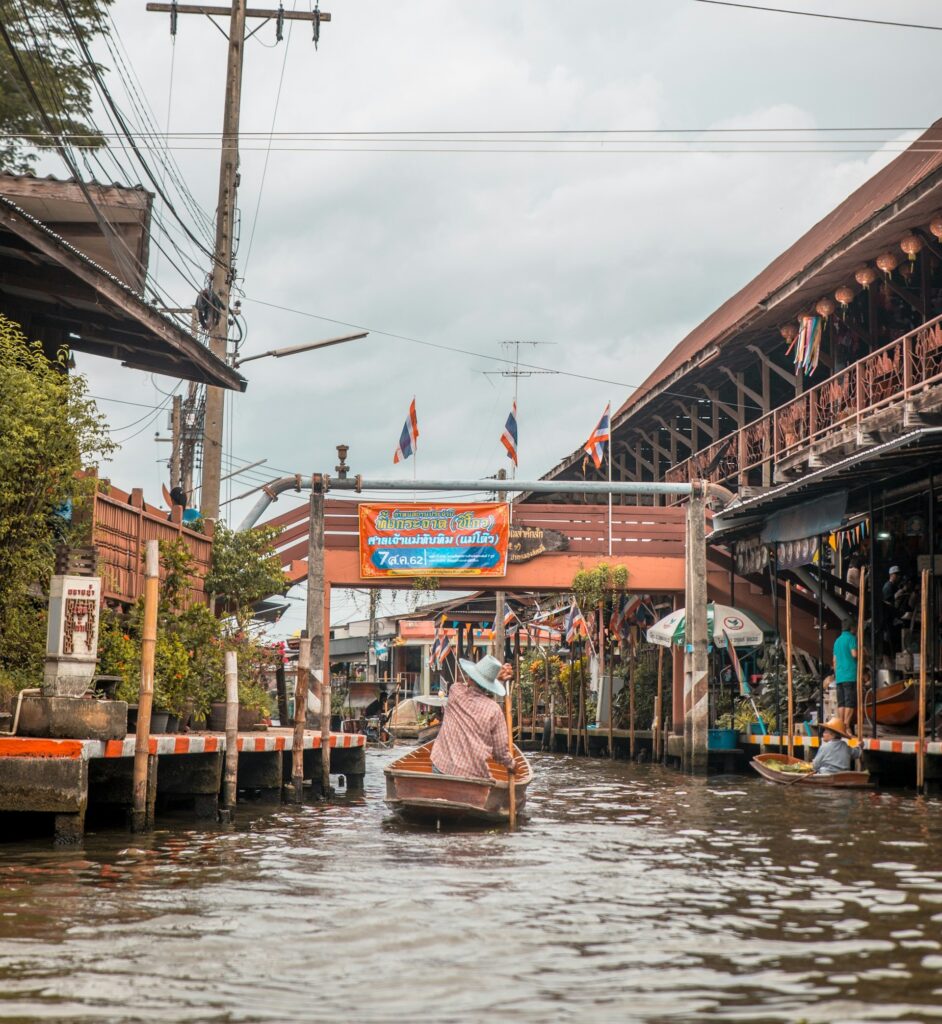
The swampy landscape around the Chao Phraya River in central Thailand shaped how Bangkok was built—on stilts and with a fantastic network of canals.
Bangkok’s unique arrangement of canals and waterways has earned it the title “Venice of the East.” Many canals have filled in and transformed into streets over the years. However, you can still discover vibrant waterways, especially in the city’s older areas and across the river in Thonburi.
One of the highlights is the Damnoen Saduak Floating Market, a great place to experience the charm of these canals. They still play an essential role in ferrying locals and visitors, giving everyone a taste of the city’s rich history and vibrant culture!
3️⃣ Bangkok has the largest Chinatown
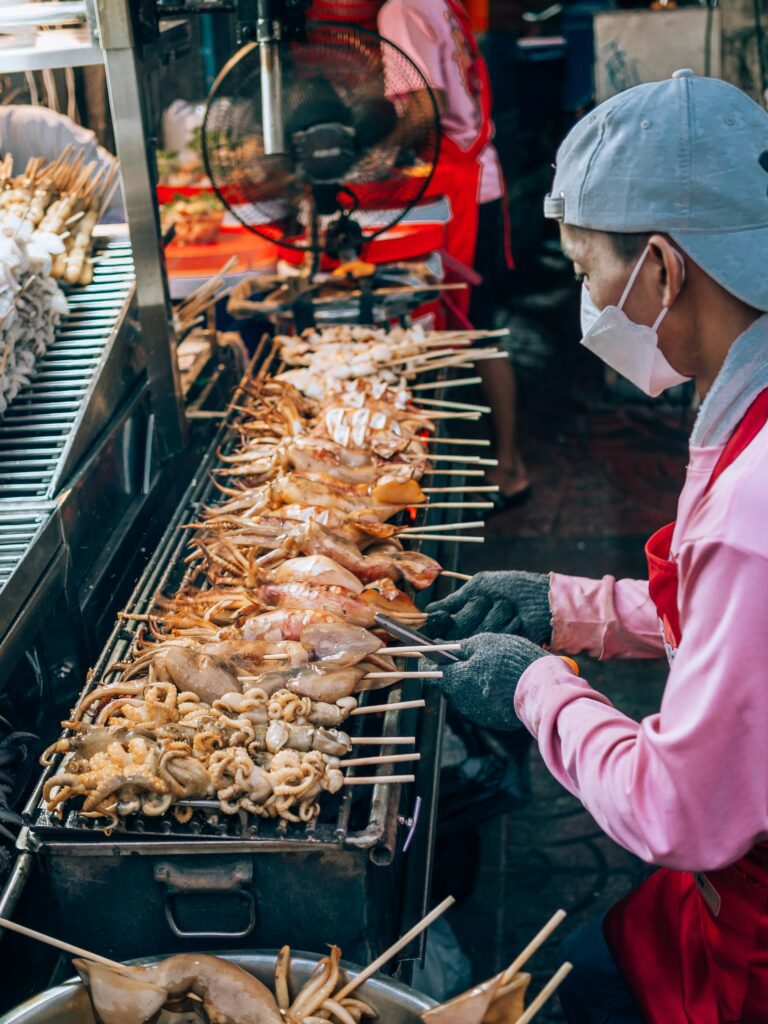
Bangkok’s Chinatown, or Yaowarat as it’s lovingly called, is a lively hub filled with over a million ethnic Chinese residents, making it one of the largest Chinese communities outside of China!
By day, the streets are brimming with colorful shops and stalls offering everything from clothing and crafts to fresh produce and traditional medicines.
When night falls, the area transforms into a fantastic street food paradise, where you can savor delicious grilled meats, crispy fried snacks, and delightful sweet treats.
It’s a vibrant experience you won’t want to miss!
4️⃣ Becoming a monk is highly encouraged among Thai men
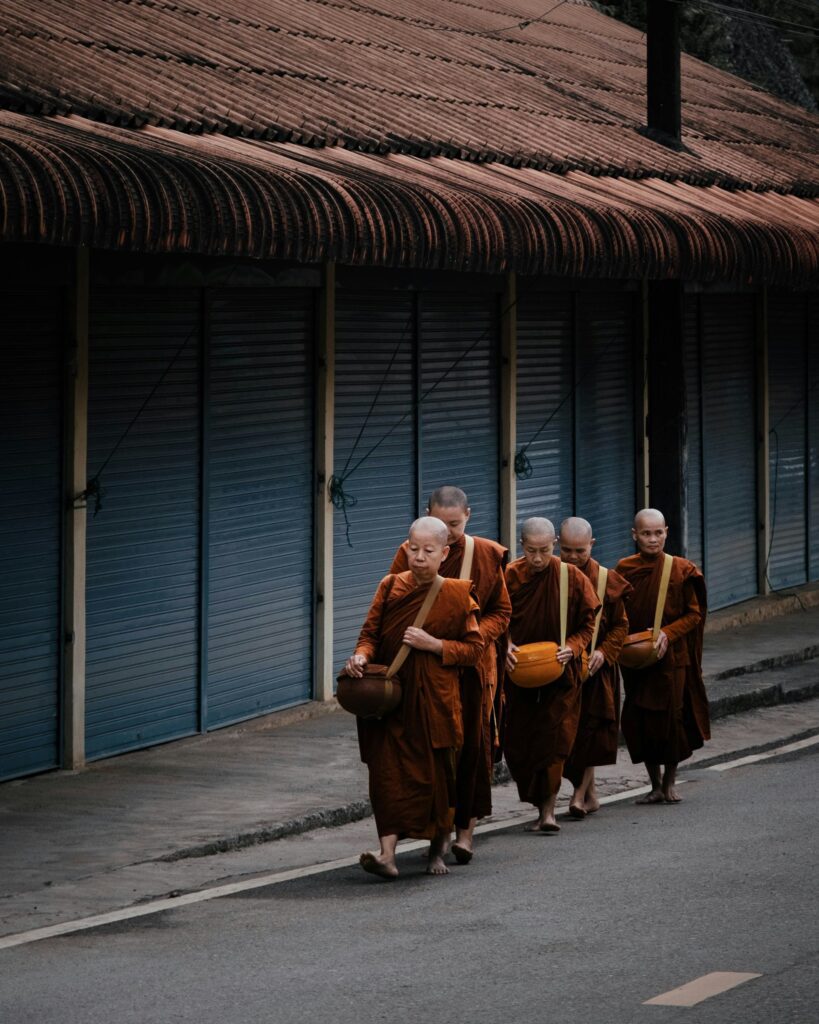
In Thailand, many people believe that before marrying, a man should consider spending time as a monk in a monastery to study Dharma, the teachings of the Buddha. This experience is a significant religious practice and allows families to gain merit.
Becoming a monk is encouraged, though it is not a requirement. For married men, the commitment may be as brief as two weeks, or they might even be exempt from this practice entirely. The choice to ordain should ultimately rest with the man and his family, allowing them to make decisions that align with their circumstances and beliefs.
While numerous Thai men engage in temporary monkhood, committing for six months remains flexible for everyone involved. This practice can enrich their lives and strengthen their spiritual connections.
5️⃣ The Thai language includes 76 characters
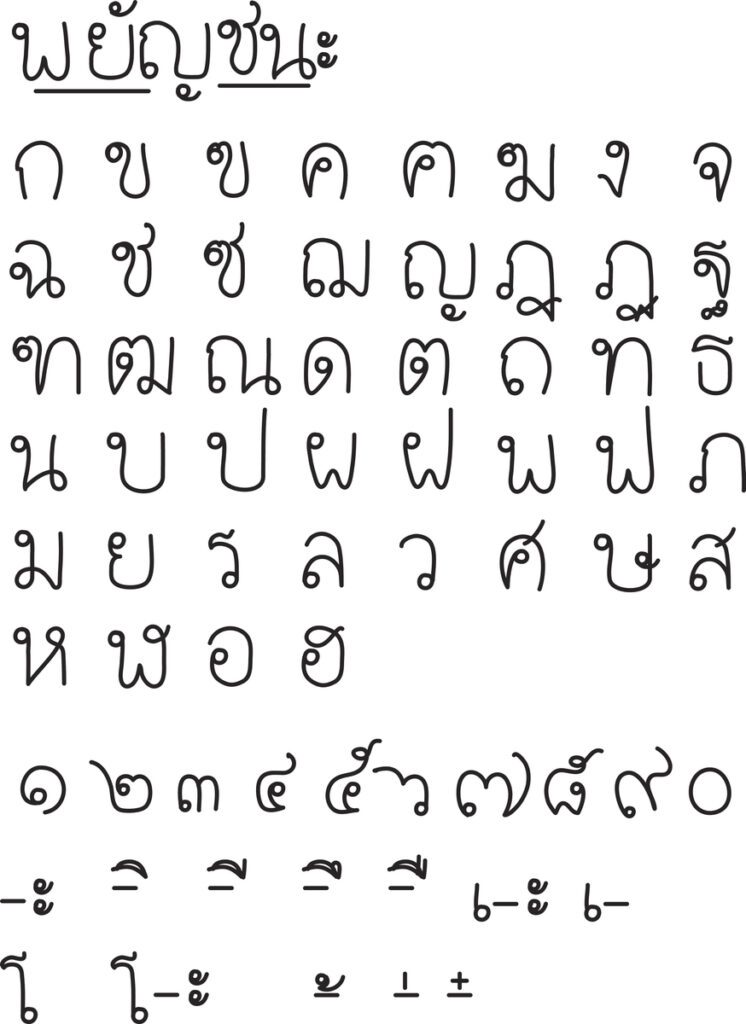
You’ve got it right— learning Thai is an exhilarating challenge that can be deeply rewarding. The language features a unique writing system consisting of 44 consonants and 32 vowels, totaling 76 characters that learners need to become familiar with.
Each character has its distinct pronunciation and function, which can differ from many other languages. Thai has five different tones: mid, low, falling, high, and rising.
Mastering these tones is crucial, as a simple change in tone can turn one word into another entirely different in meaning.
6️⃣ Thailand stands as the only nation in Southeast Asia that a European power has never colonized
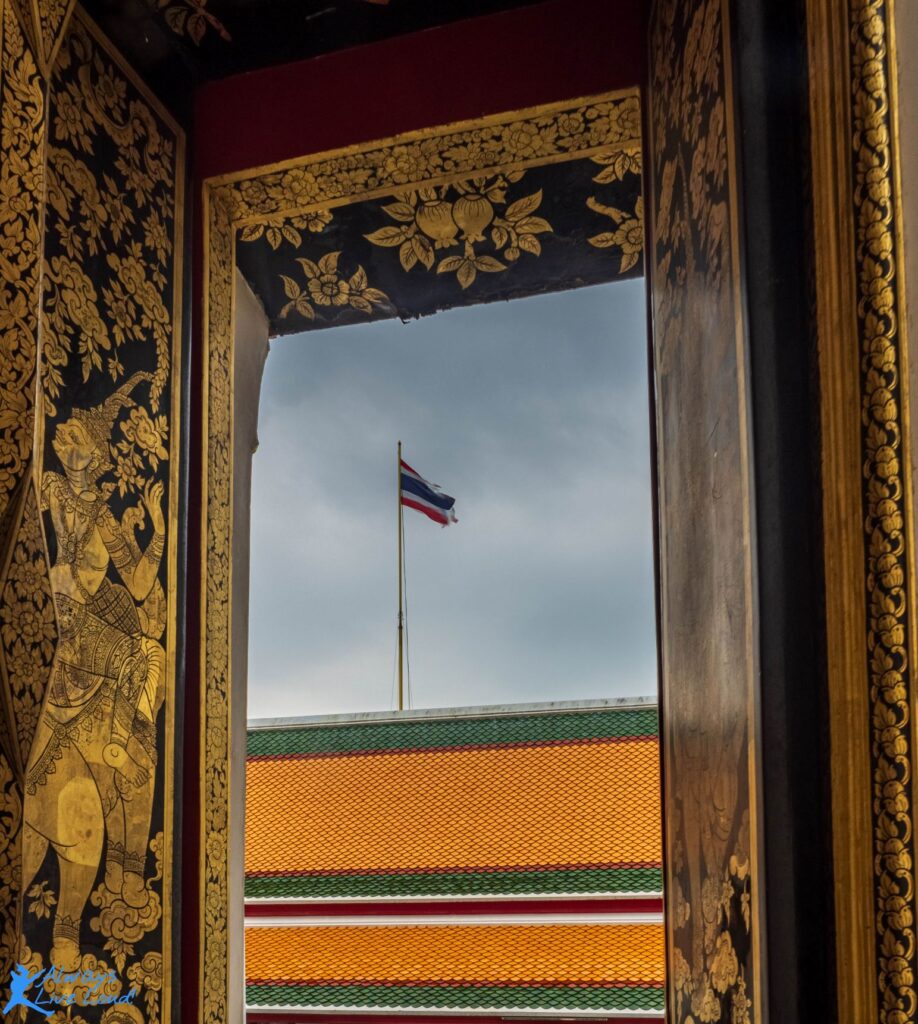
In the 19th century, while France expanded its influence in Cambodia, Laos, and Vietnam, and Britain colonized Burma, Thailand distinguished itself by successfully maintaining its independence.
This remarkable achievement was mainly due to its strategic location and the insightful leadership of King Rama V, who proactively ceded small portions of territory to the European powers to secure peace.
This legacy of resilience and diplomacy continues to inspire pride among Thais today.
7️⃣ Thailand has traditional weekly lucky colors
Each day of the week in Thai culture comes with its unique “lucky color.” These colors significantly influence various aspects of our daily lives.

Many folks wear the color assigned to each day to attract good luck and well-being. When making crucial decisions, many people check the day’s color for extra guidance, believing it can boost their chances of success. Plus, these colors help pick out gifts; people think that giving these brings blessings to both the giver and the receiver.
👉Here are the weekly
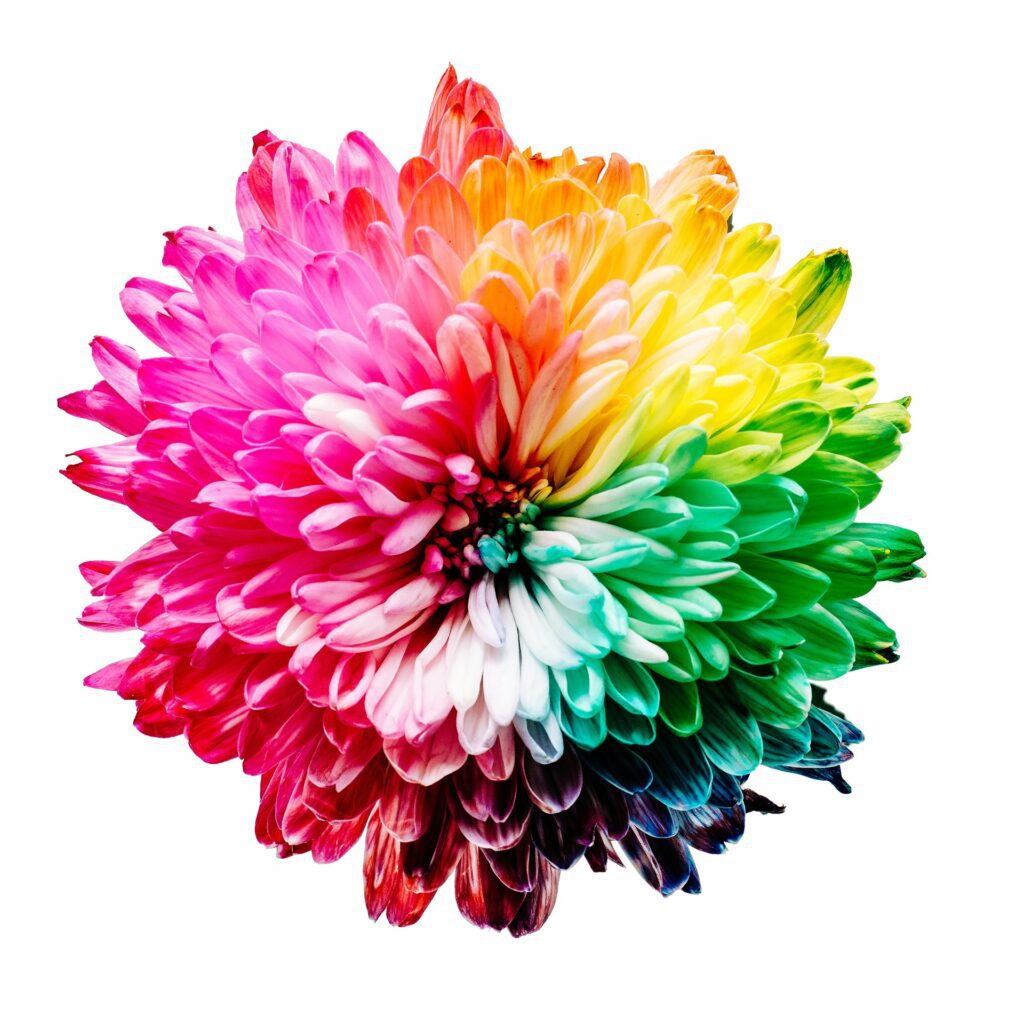
- Sunday is red🥵
- Monday is yellow⭐
- Tuesday is pink💗
- Wednesday is green🍏
- Thursday is orange🍊
- Friday is blue💎
- Saturday is purple🟪
8️⃣Thailand is home to Red Bull😲

The drink was initially called Krating Daeng, which means “Red Gaur,” a type of bison. Chaleo Yoovidhya created it. An Austrian entrepreneur, Dietrich Mateschitz, after arriving in Thailand after a long trip, discovered that this drink helped him shake off jet lag, so he teamed up with Yoovidhya.
Just a friendly reminder: Red Bull in Thailand is quite strong! It’s best to stick to just two cans daily to avoid health issues like heart attacks. Enjoy responsibly!
9️⃣ It is offensive to touch people’s heads or hair💆♀️
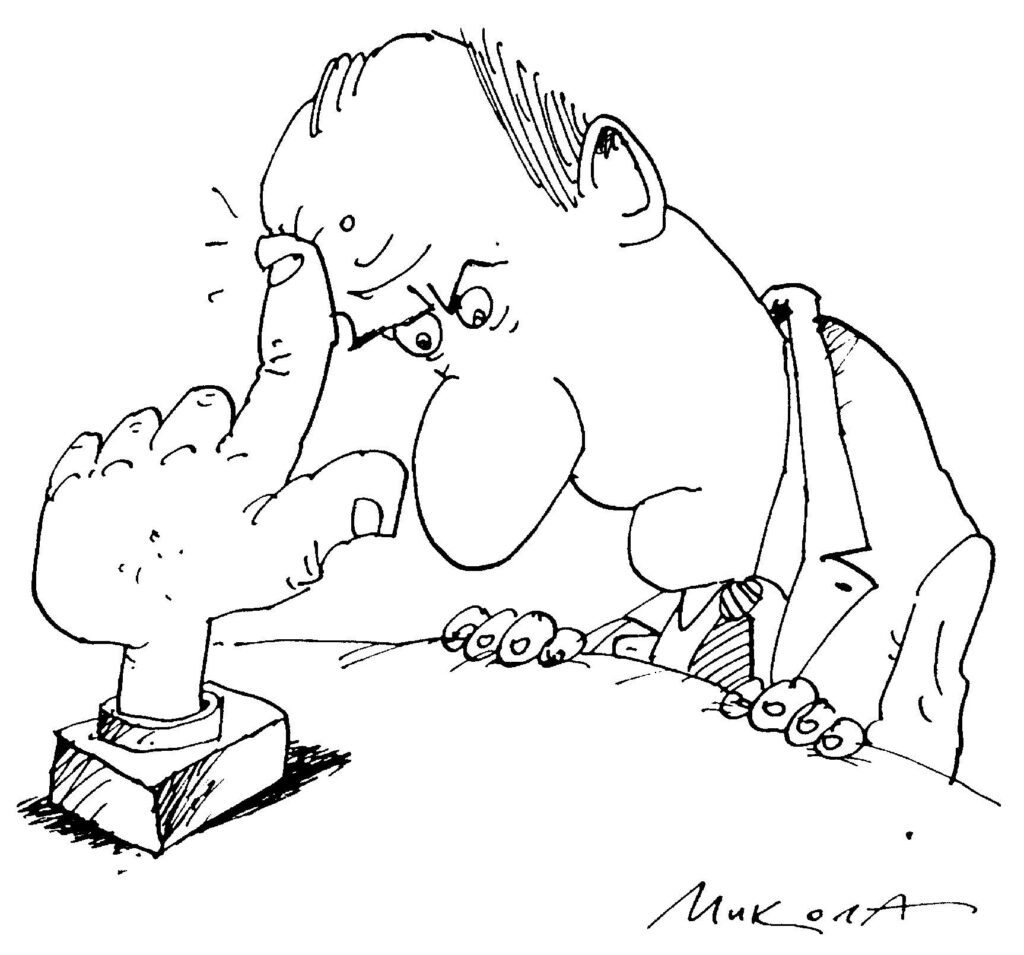
In Thailand, the head is considered sacred and the cleanest part of the body. Therefore, touching someone’s head or hair is seen as offensive.
If you accidentally make this mistake, it’s vital to apologize as soon as possible; most Thais will likely forgive you quickly.
However, you might wonder why someone would touch a stranger’s head in the first place.
🔟 Thailand is called the land of the smiles😀
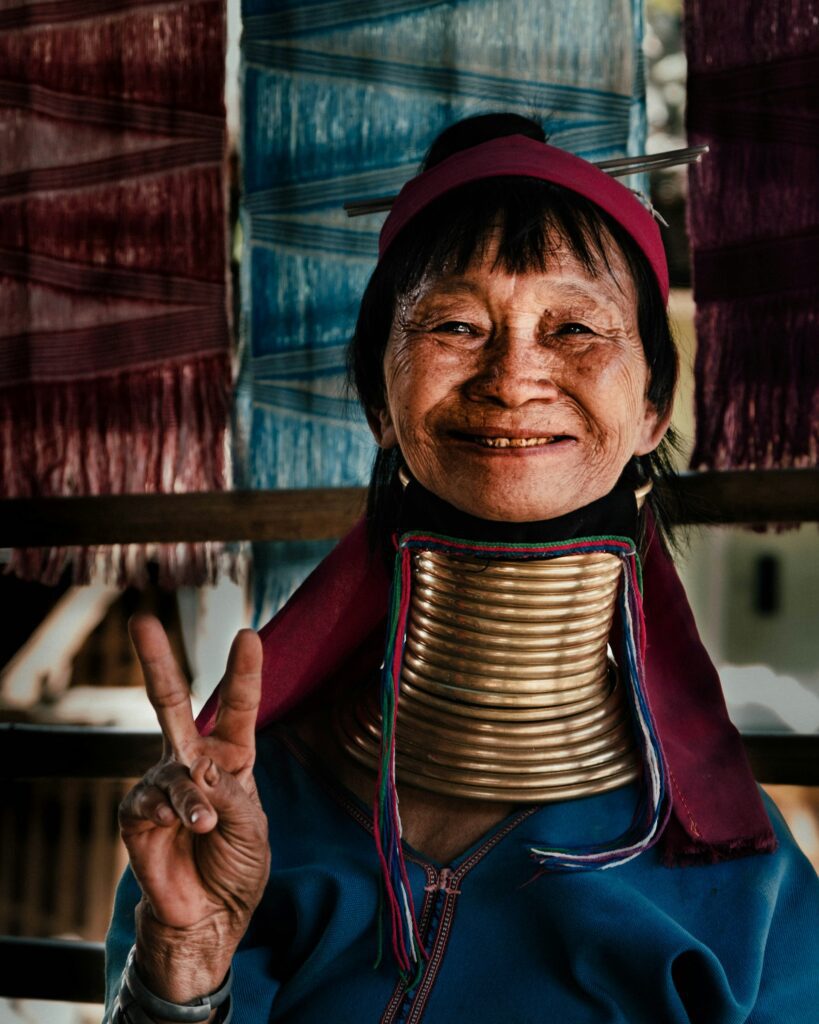
Thai culture strongly emphasizes friendly greetings, and it’s common for people to greet everyone they encounter with a warm smile. Cheerful facial expressions are integral to social interactions in Thailand.
Notably, smiles are a subtle form of communication, with at least a dozen distinct types recognized in the Thai language, such as the gleeful, teasing, and “I disagree with you” smiles.
While travelers may find it challenging to distinguish between these varieties, it’s important to recognize that Thai people express their welcoming nature through these smiles, fostering a friendly and inviting atmosphere. Understanding this aspect of Thai culture can enhance your travel experience and help build meaningful connections.