Have you ever wondered why New Zealand’s most iconic bird, the Kiwi, is flightless?
Scientists might explain evolution and the lack of predators, but the Māori legend about how the Kiwi lost its wings shares a much more heartfelt story—a tale filled with courage, love, and sacrifice.
In Māori mythology, the Kiwi was a stunning bird with bright wings, hanging out in the sunny treetops. This was an important time for the forests, and the Kiwi’s incredible story of survival is something that can inspire people for years to come.
The Plea of Tāne Mahuta
A long time ago, the powerful god Tāne Mahuta, known as the god of the forest, was really worried. Pests and insects were munching away at his precious children—the majestic trees—destroying them from the roots up. The once lively forest, full of beauty, was starting to fall apart.
Feeling desperate, Tāne turned to his brother, Tāne-hokahoka, the guardian of the birds that flew through the sky. With concern in his voice, Tāne asked him to gather all the birds for an important meeting. Tāne-hokahoka quickly assembled a colorful group of birds, perched high in the canopy, their bright feathers shining in the sunlight. He asked them to find one brave bird willing to venture down to the dark, damp forest floor, where shadows hid.
This fearless bird would take on the crucial task of eating the relentless bugs to save their beloved trees and bring the forest back to life.
A Choice of Cowardice and Courage
The request was massive, a really urgent call echoing through the forest’s colorful treetops. Moving down to the forest floor meant giving up the warm, golden sunlight filtering through the leaves and the freedom of soaring through the skies.
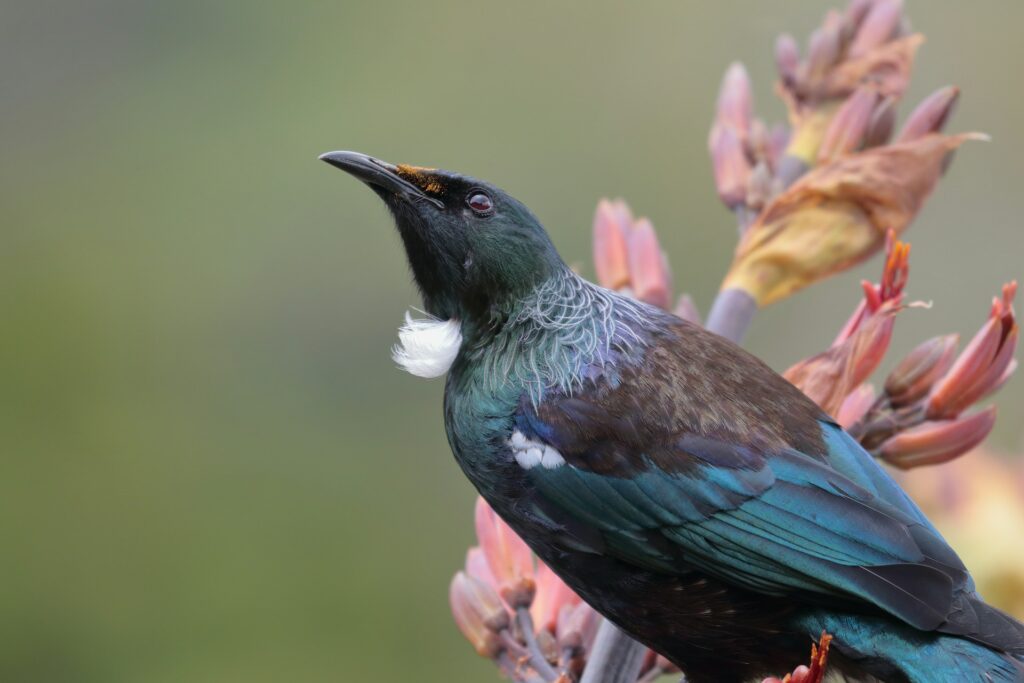
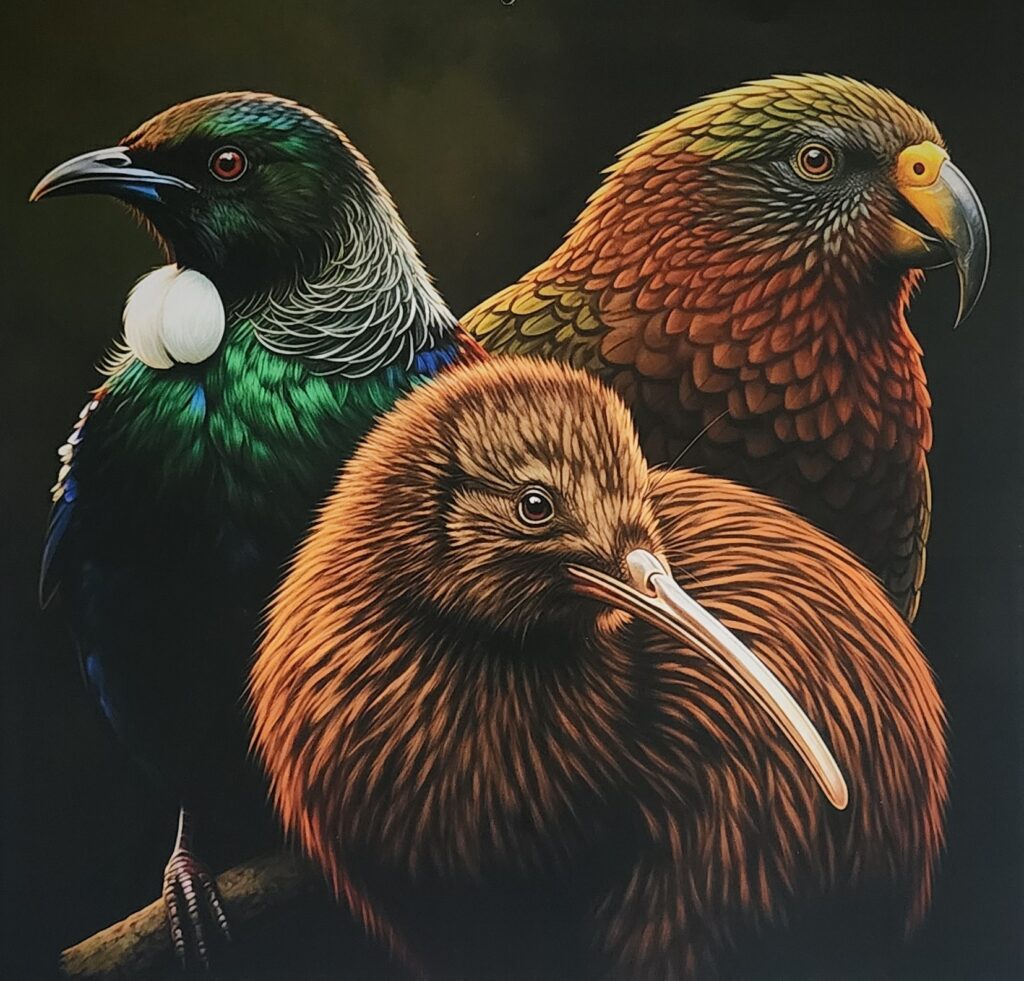
First up was Tūī, a bird famous for its striking feathers and beautiful song. Tūī nervously looked down at the dark, cold forest floor, a place filled with shadows and uncertainty. Overcome with fear of the dangers lurking below, Tūī hesitated and ultimately declined the call.
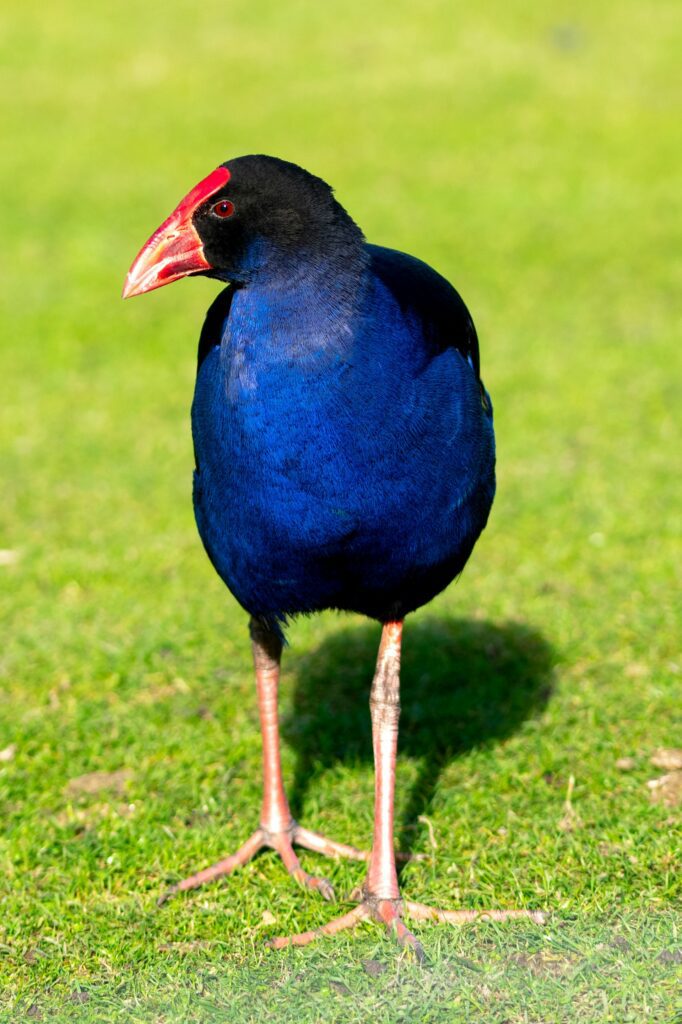
Next, Pūkeko was approached. With its shiny feathers and bright blue color, Pūkeko was both proud and a bit picky. When asked to come down, Pūkeko quickly shook its head, disgusted at the idea of getting its delicate feet wet and muddy in the damp, uninviting ground.
As the call continued, other birds made excuses, too. Some said they were too busy searching for the best berries, while others worried about losing their beauty among the roughness of the forest floor. Their real reasons, disguised as excuses, kept them safe up in the branches.
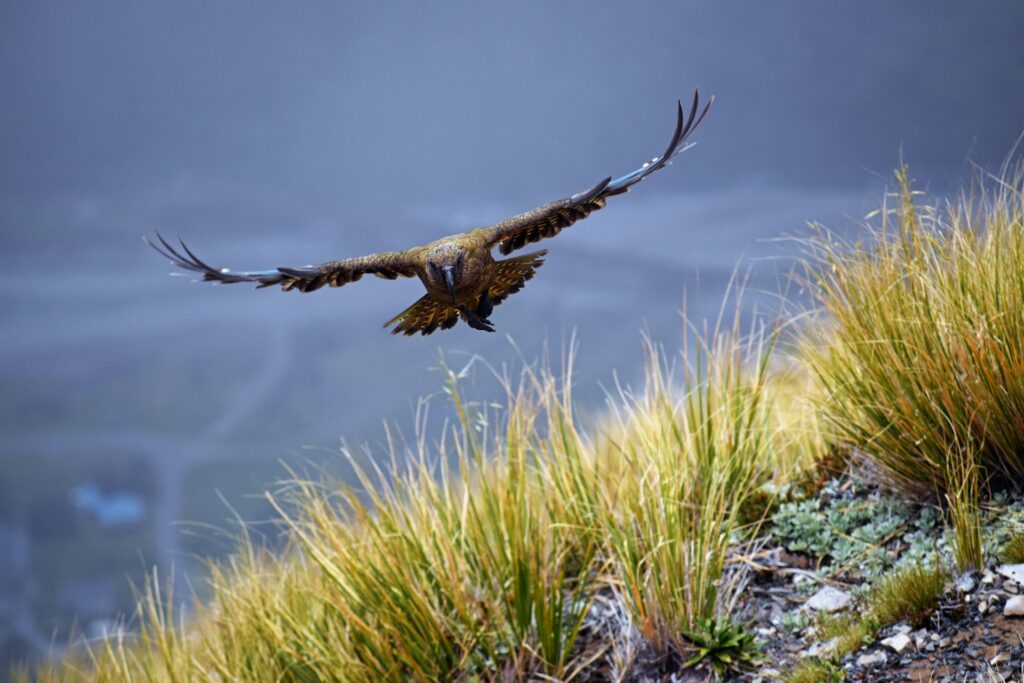
Finally, Tāne-hokahoka looked at Kiwi, a distinctive bird with unique features and captivating feathers. Unlike its colorful friends, Kiwi was more down-to-earth and connected to the world around it. Despite its own beauty, Kiwi really felt for the forest and its inhabitants.
When Kiwi took a look at the area, it saw the dying trees and the sad situation of Tāne Mahuta’s children. The weight of the forest’s suffering hung in the air like a heavy cloud. Even though it would come at a personal cost, Kiwi felt a stirring inside. Understanding how important the mission was, Kiwi decided to leave the cozy treetops behind and take on the essential journey to save the forest and all its creatures.
The Price of Selflessness
Tāne Mahuta, the great god of the forest, solemnly warned the Kiwi about the consequences of accepting the daunting task set before it. He explained that doing so would mean forever forsaking its stunning wings and vibrant, colorful feathers. This is sealing its fate to dwell in the shadows, never again to soar under the bright sun.
Despite the gravity of this warning, the Kiwi resolutely embraced its new destiny. It willingly shed its ability to fly, transforming its body in the process. The once graceful wings were replaced by thick, brown, hair-like feathers that blended seamlessly with the forest floor. Over time, the Kiwi developed strong, sturdy legs, perfectly adapted for foraging among the rich, dark soil and damp leaves. It allows it to navigate its earthly domain with agility and determination. Embracing its role in the ecosystem, the Kiwi became a master of its new life on the forest floor. It finds strength and purpose in its transformed existence.