Exploring the deep cultural history of Rarotonga shows a different side of the island that a lot of tourists miss when they focus only on the beaches. Sure, a rainy vacation can feel like a downer for a tropical holiday. Still, it’s actually a great reason to explore the island’s cool museums, interior roads, and rich tribal heritage.
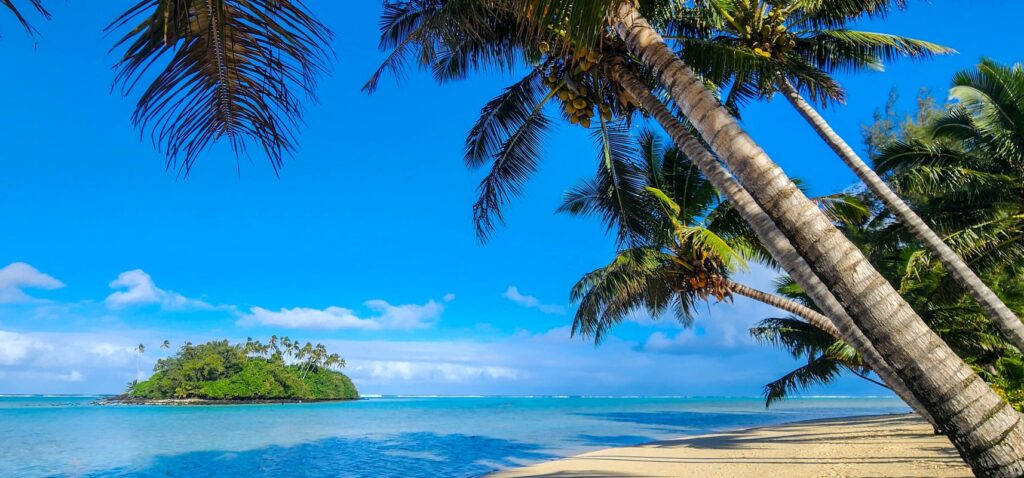
🌴Is the sky the Limit?
No, the Coconut Trees Are!🌴
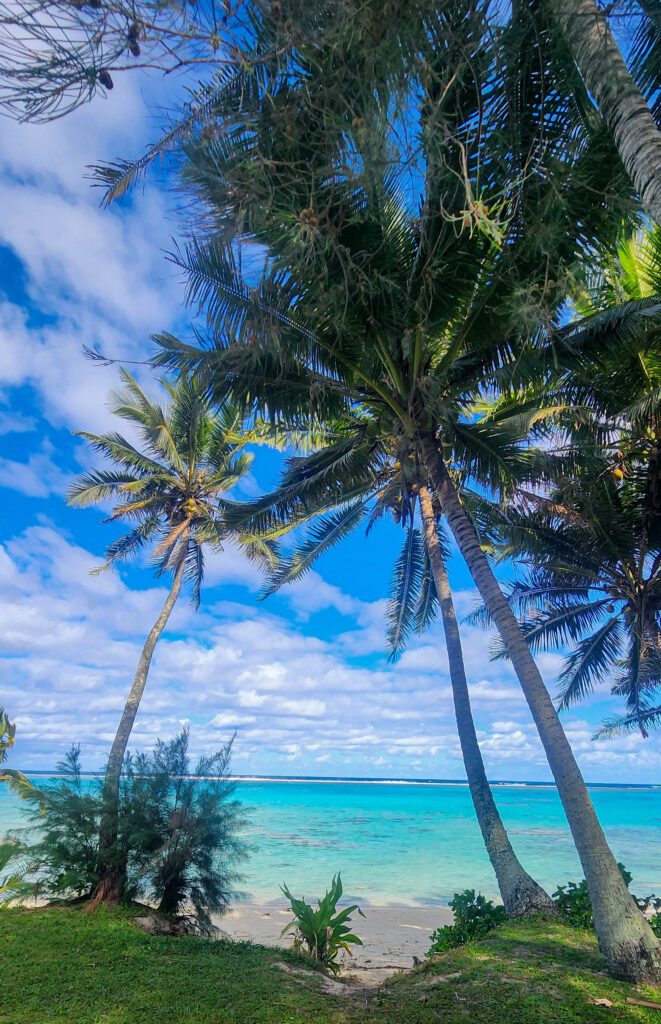
If you stroll through Avarua, the capital town, or cruise down the main coastal road, you’ll see that there aren’t any tall hotels or big concrete buildings. That’s because there’s a local law that keeps buildings from being taller than coconut trees.
This rule is great for preserving the island’s natural vibe, making sure the lush trees and rugged volcanic mountains are always the standout features on the skyline.
It’s a really nice touch that keeps the scenery beautiful!
🛍️You Cannot Buy Land on the Island🛍️
Rarotonga is a cool island where you won’t find “Land for Sale” signs as you do in other tourist spots. Interestingly, neither locals nor outsiders can buy land here. The indigenous people own all of it and divide it among family clans, passing it down from one generation to the next. You can lease land for up to 60 years, but the family has to agree first. If you want to build a house, you’ll also need their okay.
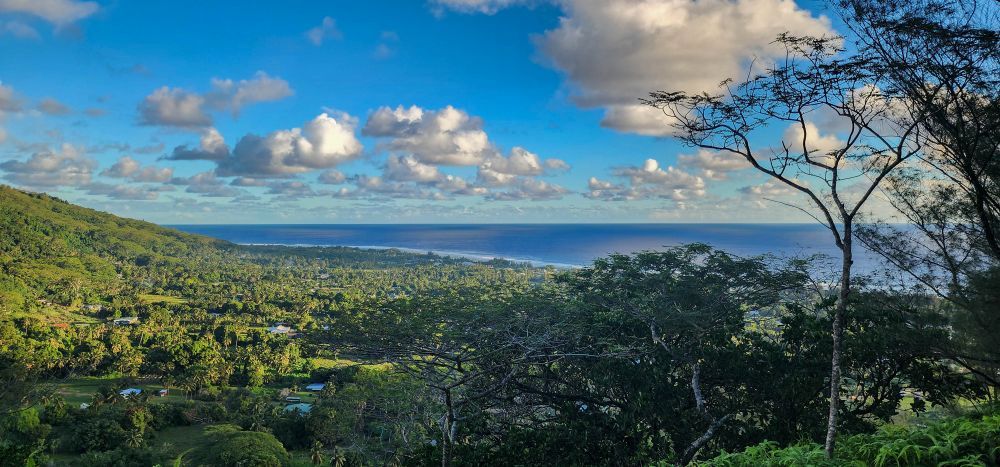
This system, called tapere, keeps families connected to their roots and their ancestral homes. It’s a great way to preserve their culture and heritage!
🛣️The Ancient Coral Highway
Pre-Dates European Arrival🛣️
Long before cars graced the coastal road known as Ara Tapu, the ancient Polynesians constructed an interior road called Ara Metua. In the 11th century, High Chief To’i commissioned the building of this 29-kilometer route, which featured carefully placed volcanic and coral stones.
As you stroll along what’s left of this road, you pass by historic tribal boundary lines and discover cool sacred stone meeting platforms called marae. It’s a great way to soak up the history!
🛶Launching Pad for New Zealand Settlement🛶
Rarotonga has a fascinating history that ties right into the bigger picture of Polynesian expansion. Legend has it that the legendary ocean-going canoes, known as vaka, set sail from Rarotonga around the 13th century, bringing people to New Zealand. This connection helps explain why Cook Islands Māori and New Zealand Māori share such similar languages and cultural backgrounds. Pretty cool, right?
⚫Black Rock Is a Sacred Portal to the Afterlife⚫
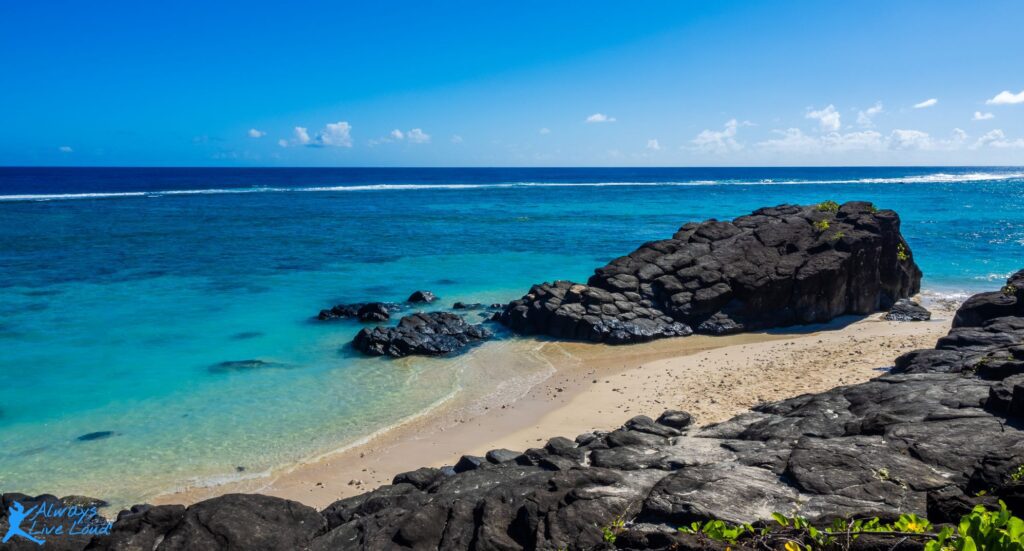
On the northwest coast, there’s an impressive basalt rock formation called Tuoro, or Black Rock. These days, it’s a popular spot for quick photos, but it actually holds deep spiritual meaning in the Cook Islands’ history.
According to ancient traditions, this rock serves as a mystical gateway. Where the spirits of the dead leap off to return to their spiritual homeland of Avaiki. It’s pretty fascinating how it connects to the area’s culture and beliefs!
🌴🛶🛍️🛣️⚫🛣️🛍️🛶🌴
My thoughts: Getting rained out of our beach plans turned out to be an amazing experience! Instead of lounging by the lagoon, we explored the local museums and ventured into the island’s interior. We discovered that Rarotonga is much more than just a beautiful resort. It’s like a living museum filled with Polynesian pride, ancient navigation stories, and traditions that continue to shape island life today.
So, if you find yourself on the island, don’t shy away from a rainy day—embrace it! There’s a wealth of incredible history waiting for you just under the palm trees!