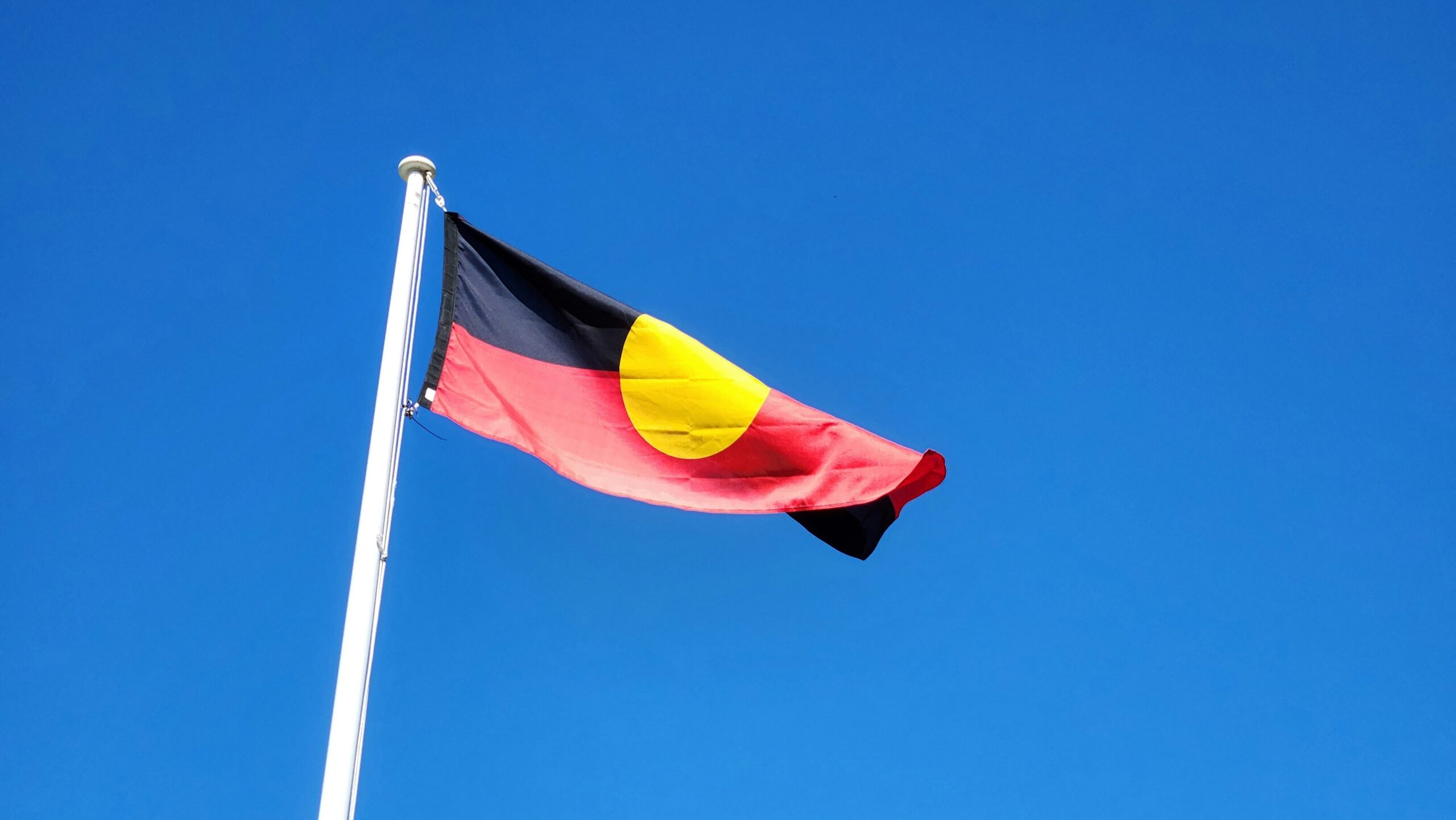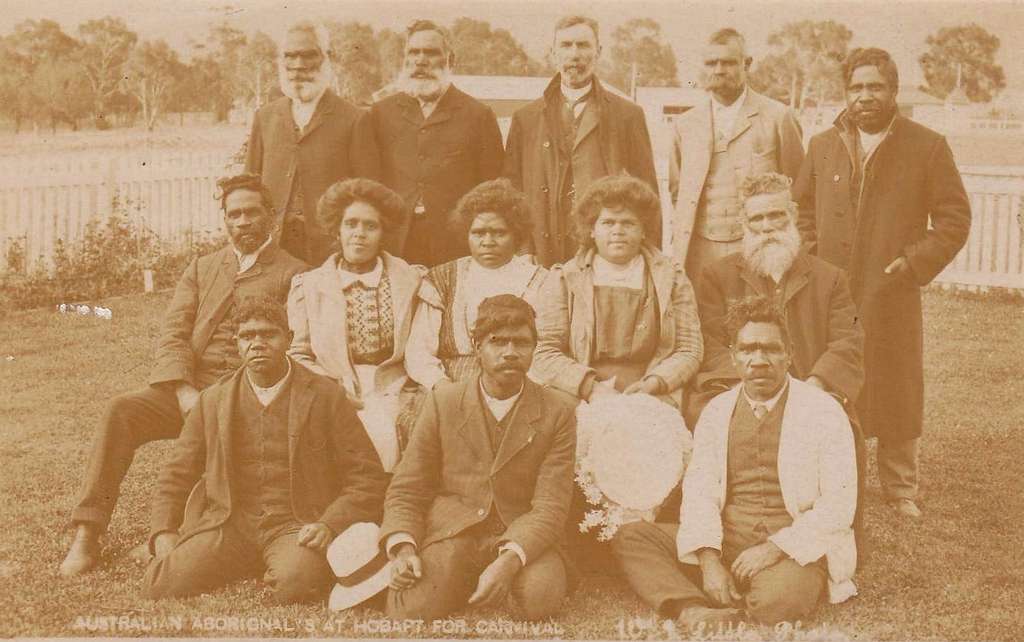
When people think of a “hunter-gatherer” lifestyle, they often picture a super simple way of living. But honestly? Traditional Aboriginal society was basically a highly advanced masterclass in logistics, environmental science, and social engineering—just without the concrete high-rises and annoying Wi-Fi bills.
Let’s dive into the fascinating details of what daily life actually looked like and how everyone played a vital role in keeping the community thriving.
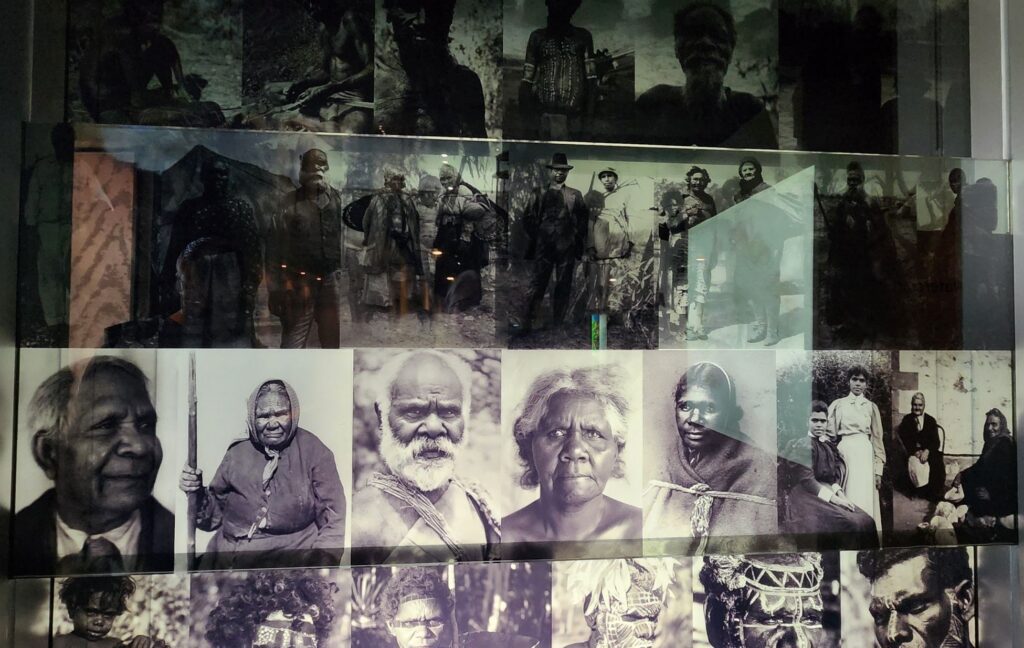
The Ultimate Teamwork: Who Did What?
Survival in the unpredictable Australian bush required a perfect division of labor. It wasn’t about who was boss; it was about playing to everyone’s strengths to keep the camp happy and fed.
🛒Women Ran The Supermarket
While the men were out chasing big game, women worked in collaborative groups to gather food. They pooled together an incredible, living map of botanical knowledge. Armed with digging sticks and carrying containers, they were the absolute backbone of the community’s diet. Why? Because hunting large animals is tough, and men regularly came back empty-handed. If the guys had an unlucky day, the women’s harvest was the dependable safety net that kept everyone from going to bed hungry.
🥩Men Brought The Big Protein
Men focused on hunting large animals such as kangaroos, emus, and coastal dugongs. But if a hunter managed to bring home a massive kangaroo, he didn’t just hoard it all for himself. Meat distribution followed strict social rules. The catch was divided among his relatives according to precise kinship protocols. No greedy hoarding allowed!
🎣Fishing was for Everyone
Fishing was a true group effort. Both men and women could be found casting lines or managing complex traps in reefs, coastal areas, and inland waterholes.
What’s on the Bush Tucker Menu?
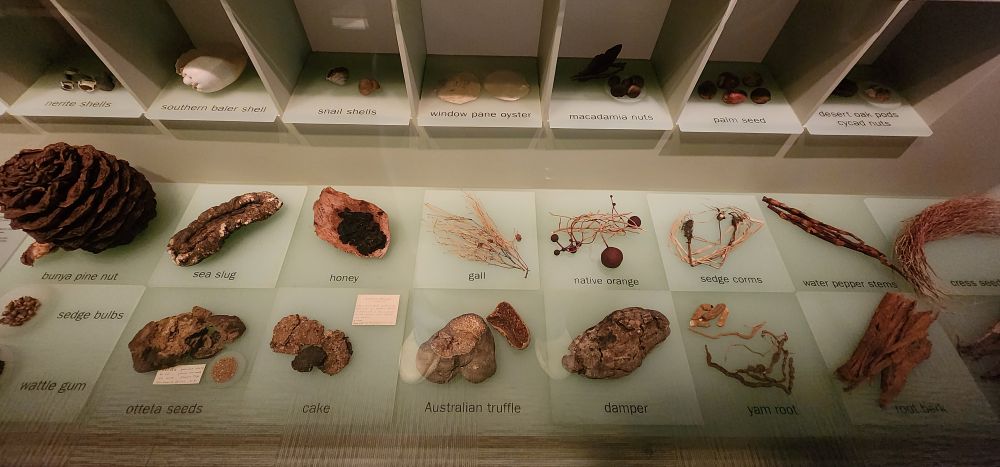
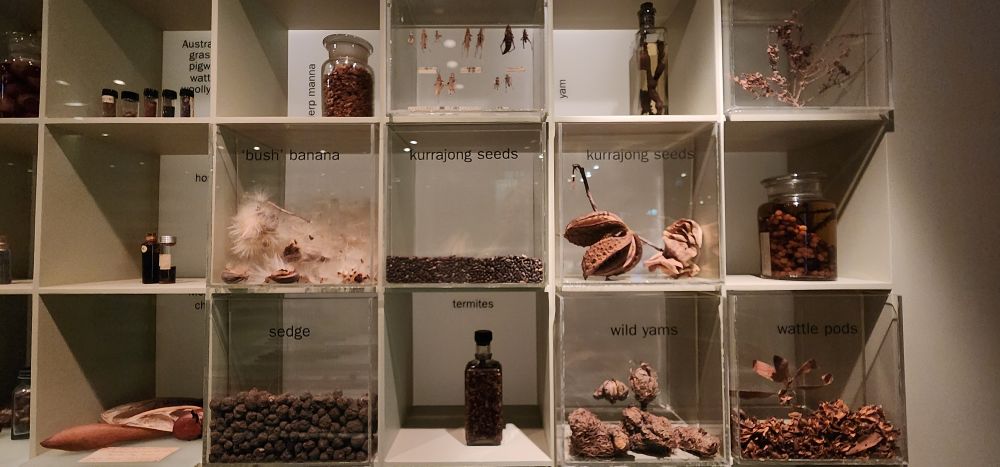
The bush was basically a giant, hidden grocery store if you knew where to look. Women gathered a massive variety of fresh goodies, including:
🌱The Staples: Crunchy kurrajong seeds and versatile wattle pods.
🥬The Veggies & Fruits: Wild yams, sedge, and sweet bush bananas.
🐛The Real Protein Bars: Super nutritious moth grubs and witchetty grubs dug straight from tree roots. (Hey, don’t knock it until you’ve tried it—pure protein!)
The Social Rules: Marriage,
Multi-Wives, and the Ultimate “Village”
If you think modern dating apps and wedding planning are complicated, traditional Aboriginal social laws say, “Hold my digging stick.” Daily life wasn’t a free-for-all; it was governed by an incredibly intricate, genius system called kinship. This system didn’t just map out who your cousins were—it dictated the entire social contract.
👫Matchmaking From Day One
In traditional society, you didn’t swipe right to find a partner. Marriages were almost always promised or arranged, sometimes even before a girl was born. When a young girl reached marriageable age—usually around early adolescence (12 to 13 years old)—she would marry her promised partner. Because young men had to go through years of intense initiation trials and learn tribal laws before they could marry, the prospective husband was usually much older—often in his late 20s or 30s.
💍Marriage
While most men had one wife, polygyny (having multiple wives) was totally legal and seen as a major status symbol. Wealthy or respected elders might have two, three, or even more wives depending on the region. But here’s the plot twist: women often actively encouraged their husbands to take on a co-wife. More women in the family group meant more hands to share the daily workload, more food coming into the camp, and built-in, trusted help for childcare.
😒Extreme In-Law Drama Solutions
This massive age gap meant a husband was often the same age as his young wife’s mother. To prevent any awkwardness, they practiced a strict “mother-in-law avoidance” rule. A man was forbidden from making eye contact, speaking directly to, or even being in the same immediate space as his mother-in-law!
🏙️It Takes A Village
When it came to raising kids, the modern concept of an isolated nuclear family didn’t exist. Under kinship law, your mother’s sisters were also considered your “mothers,” and your father’s brothers were also your “fathers”. A child grew up with a massive safety net of parental figures. Parenting was incredibly loving and permissive; strict, authoritarian discipline was rare. Kids were given the freedom to explore, and they could easily choose to go live with their grandparents or aunts for long stretches if they simply felt like it.
Genius Ancient Tech: Water, Fire, and Superglue
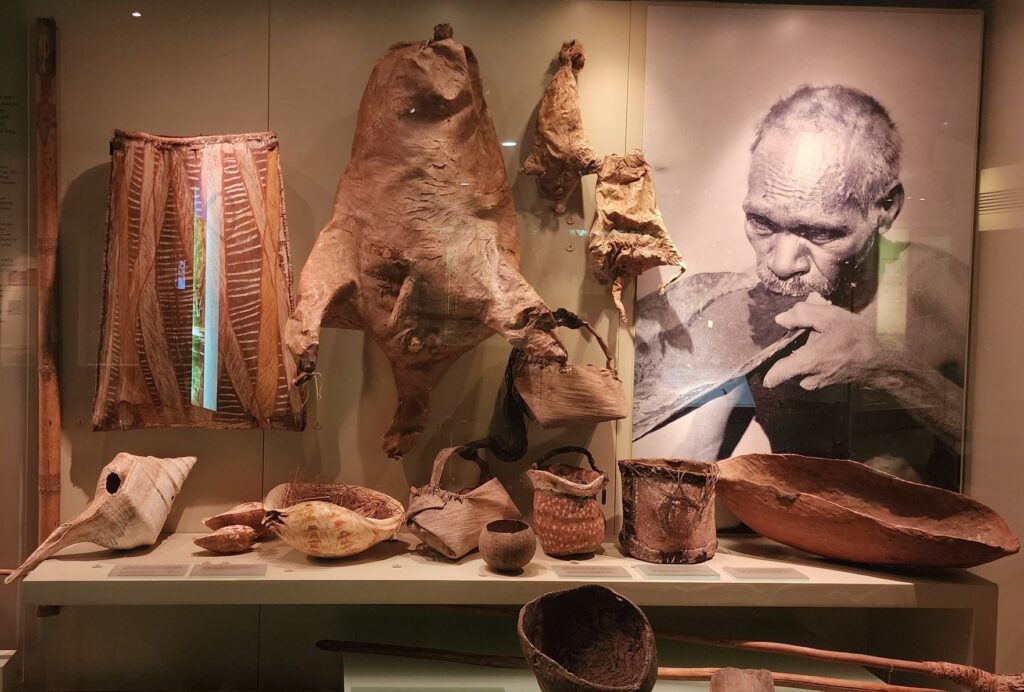
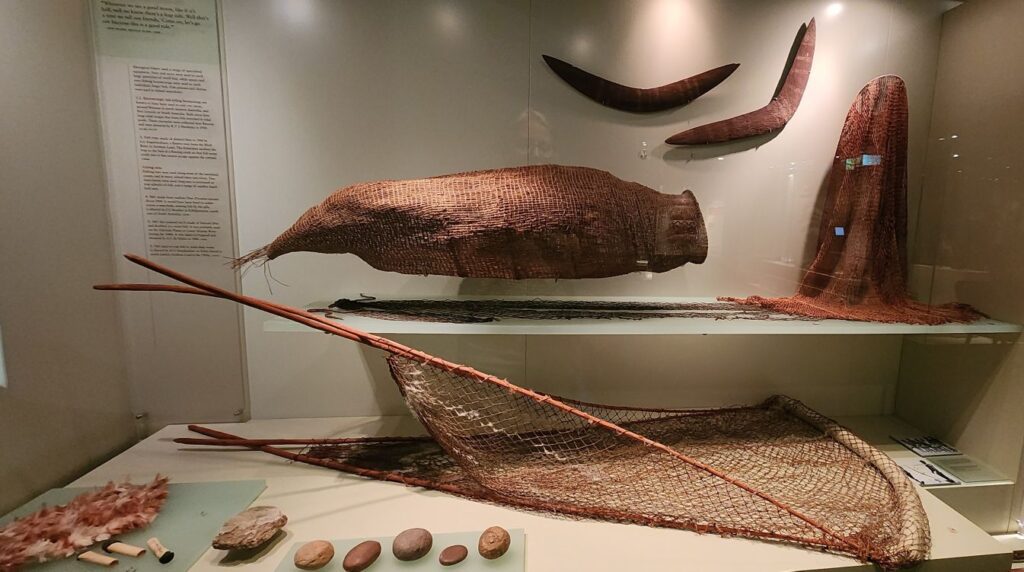
Aboriginal people didn’t build massive structures to change the land; instead, they adapted their tools to move with nature. Because they couldn’t boil water or store food for months at a time, they became masters of lightweight, portable design.
- Nature’s Tupperware: They carried food and water using highly durable, lightweight containers made from local wood, bark, shells, animal bone, or skin.
- The Desert Water Detectives: In dry desert regions, finding water was a literal life-or-death science. They had ingenious ways of tracking down hidden water sources. They cared deeply for these waterholes, protecting them and giving them profound religious and social significance.
- Super Strong Glues: Need to hold a tool together? No problem. They harvested resources straight from the environment—like spinifex resin or grass tree gum—to create waterproof, rock-solid glues. Take that, Gorilla Glue.
“Good Fire” and Bush Pharmacy
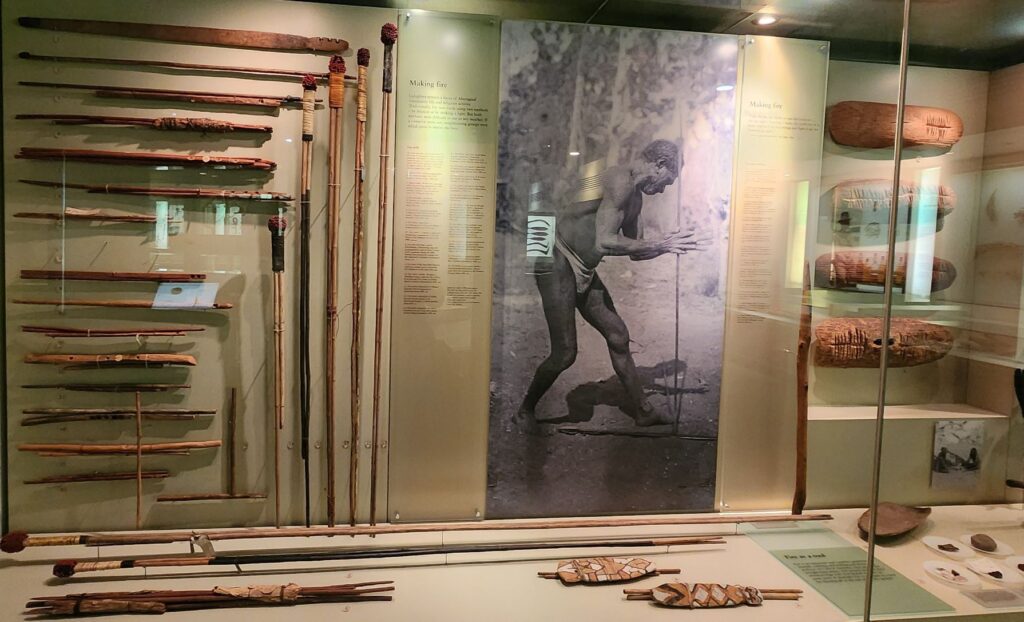
Fire wasn’t something to run away from; it was an essential tool for land care. Through controlled, low-intensity burns (what we call “fire-stick farming”), they kept the environment healthy.
🔥Why burn?
It cleared away dense, choked scrub to make room for fresh plants to grow, kept the land safe from massive wildfires, and even had a spiritual side—clearing away bad energy and unwanted spirits.
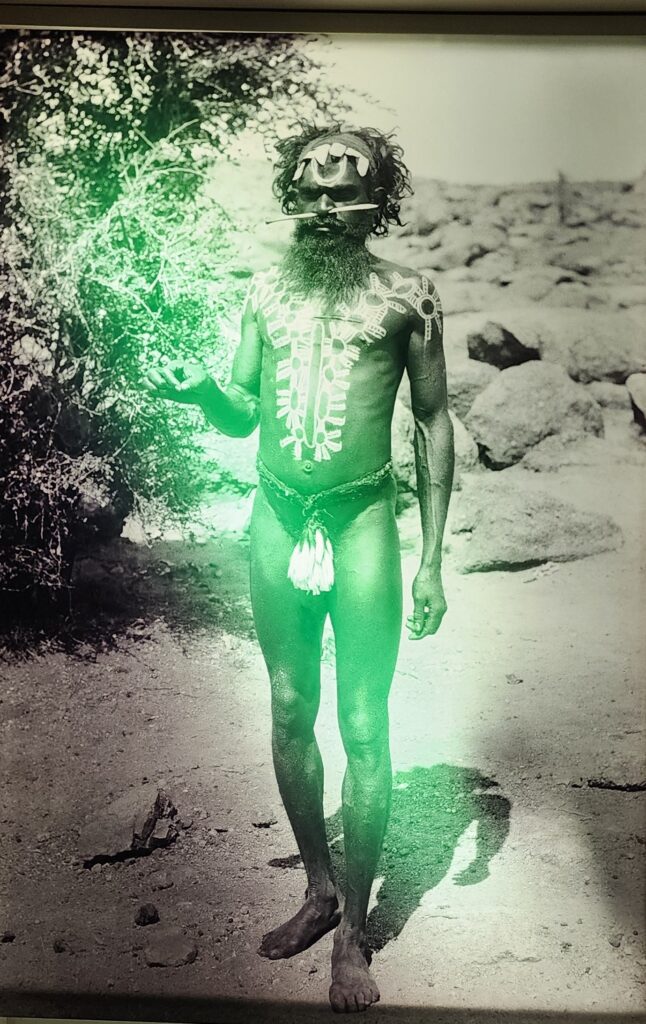
When it came to health, their medical knowledge was seriously advanced. They made remedies from a complex mix of plants, animal products, and minerals. They even knew exactly which plants acted as narcotics or mind-altering substances for ceremonies and pain relief.
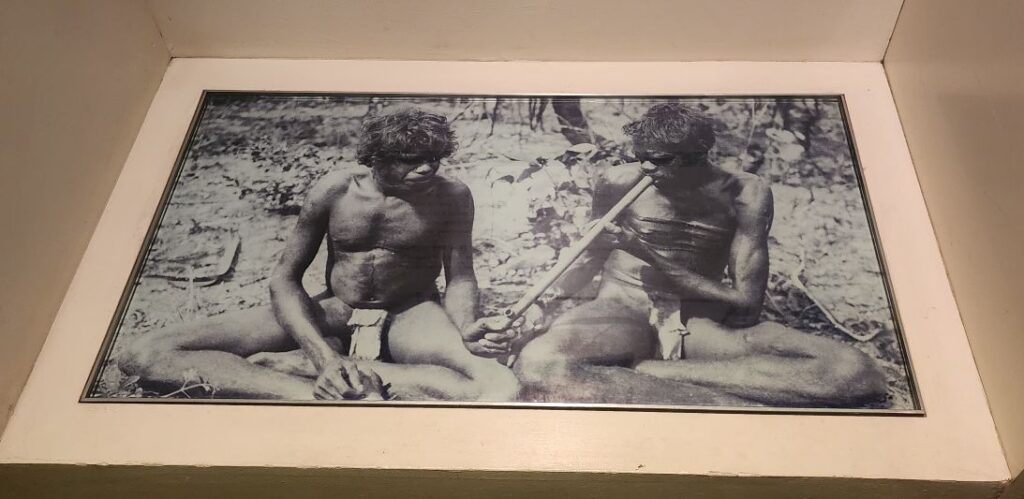
The real rockstars of the community were the medicine men and women. They were held in the absolute highest regard because they could diagnose tricky illnesses and heal physical injuries. Their incredible powers were said to come straight from the Dreaming Ancestors. On top of being doctors, they were also the spiritual police—responsible for keeping the tribal law and fighting off illnesses caused by bad sorcery.
The Verdict
Traditional Aboriginal life wasn’t just about surviving; it was about thriving in a beautiful, calculated dance with the environment. Every plant, every waterhole, and every fire had a purpose. It’s a powerful reminder that sometimes the most sophisticated way to live is to listen to the rhythm of the earth beneath your feet.