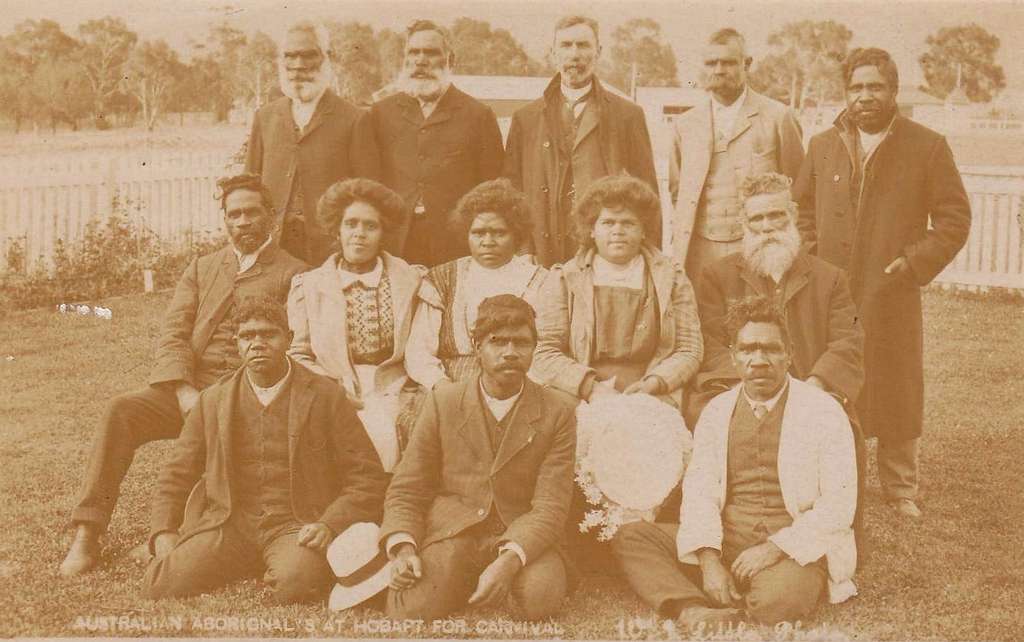
When you step into the massive anthropology department at the Natural History Museum in Adelaide, you are hit with a dizzying sense of deep time. The exhibits are an incredible archive of tools, photographs, and maps detailing the life of the world’s oldest continuous civilization.
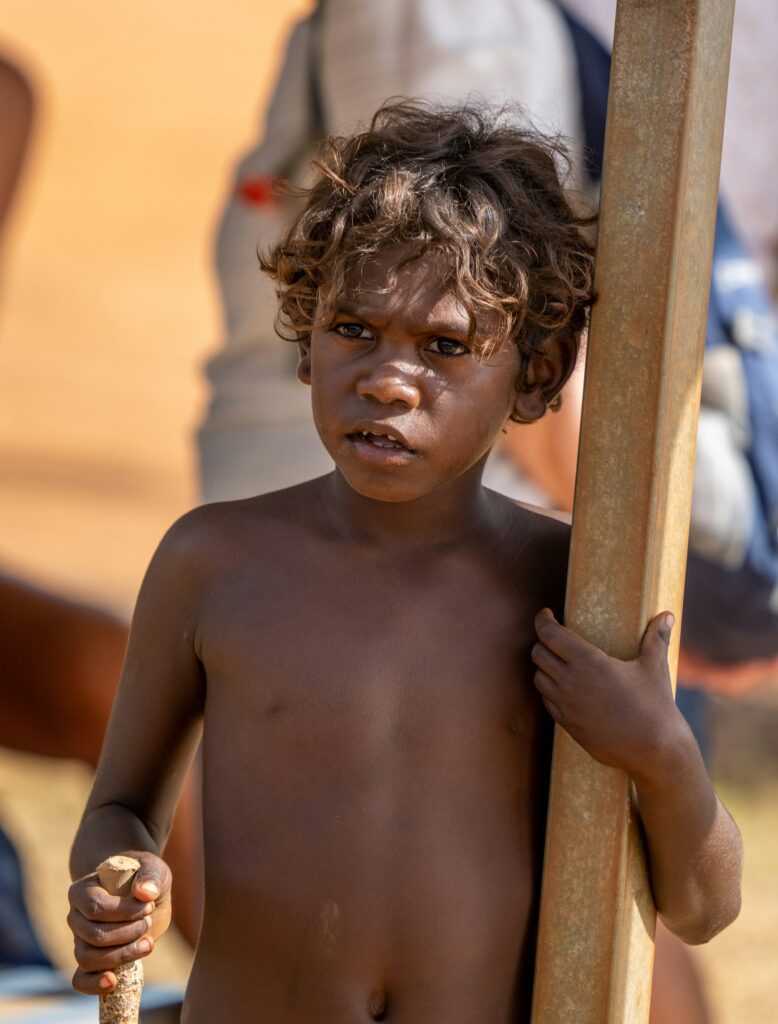
But when you leave the museum and walk out into the modern streets, a harsh reality hits you.
You see Indigenous people working ordinary jobs like anyone else, but you also see a heartbreaking number of them experiencing homelessness. Look closely at how the Australian government treats its First Nations, and a disturbing truth emerges: compared to the Māori in New Zealand or even Native Americans in the United States, Australia’s historical and structural treatment of its Indigenous people is incredibly grim.
To understand how a culture that achieved the impossible wound up so deeply marginalized, you have to look back 50,000 years—and then look closely at the laws that tried to erase them.
The Great Migration Across Sahul
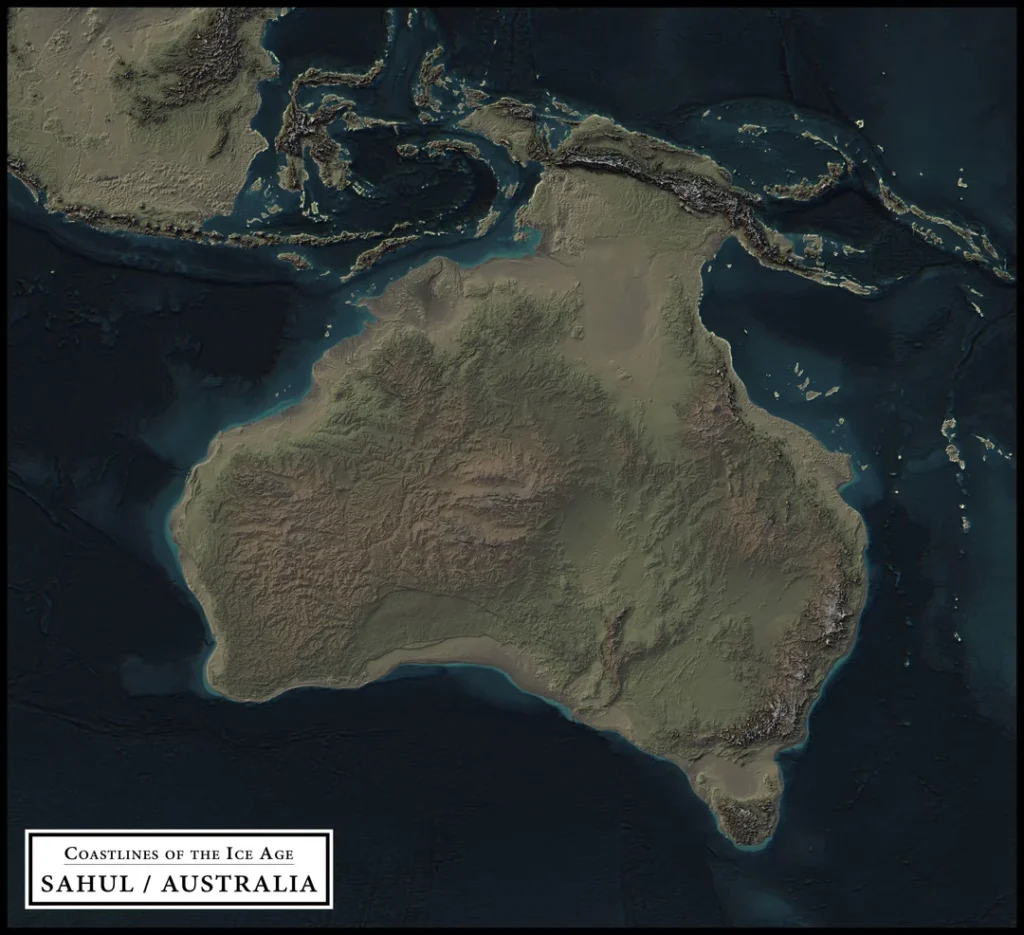
Long before the Pharaohs built the pyramids or the Roman Empire rose and fell, the ancestors of the Aboriginal people were pulling off one of the greatest maritime feats in human history.
About 50,000 to 60,000 years ago, during the last Ice Age, sea levels were vastly lower. Australia, New Guinea, and Tasmania joined together to form a massive supercontinent known as Sahul.
- The Sea Crossing: Even with lower sea levels, Southeast Asia did not connect to Sahul. These first explorers had to cross stretches of open ocean—some up to 100 kilometers wide—likely using sophisticated watercraft. It was a remarkable, deliberate journey of exploration.
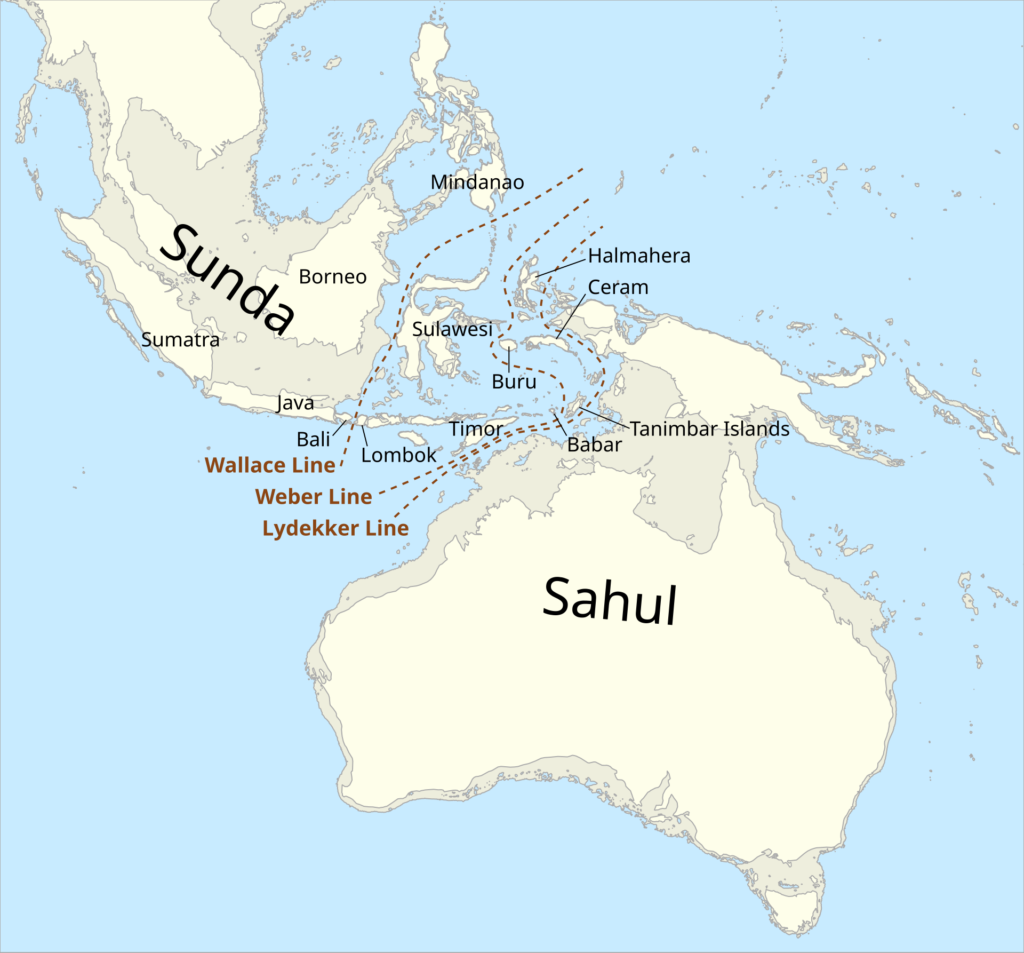
- The Long Walk: Once they made landfall, an incredible epic began. Over generations, these populations spread across the landmass. They walked from what is now Northeast New Guinea all the way down to the southern coast of Tasmania.
- The Deep Isolation: When the Ice Age ended and the glaciers melted, the oceans rose. Around 9,000 years ago, rising sea levels cut off New Guinea and Tasmania from the mainland. The Aboriginal people remained in complete, harmonious connection with the Australian continent, developing over 500 distinct language groups and nations.
The Blueprint of Erasure: Australia vs. The World
So, how does a people with such a resilient, epic history end up facing such severe systemic poverty and homelessness today? The answer lies in how Australia was colonized compared to its neighbors.
In New Zealand, the British signed the Treaty of Waitangi with the Māori, legally recognizing them as stakeholders of the land. In the United States, while the history is bloody and filled with broken promises, the government signed hundreds of legal treaties with Native American people, recognizing a degree of tribal sovereignty.
Australia took a radically different, brutal path.
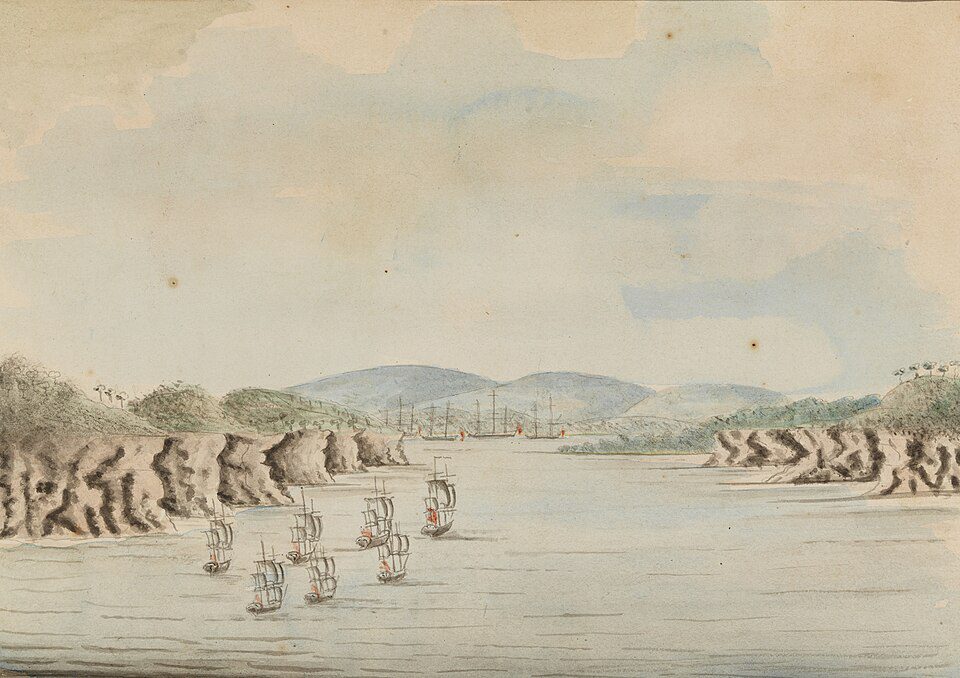
The British declared the continent Terra Nullius—land belonging to no one. Because the Aboriginal people did not fence the land or build European-style cities, the colonizers pretended they didn’t exist as legal human beings. Worse still, early colonial frameworks and martial law declarations effectively permitted settlers to use lethal force to clear Indigenous people from ancestral lands. They were hunted, displaced, and stripped of their legal identity on their own soil.
The Modern Reflection
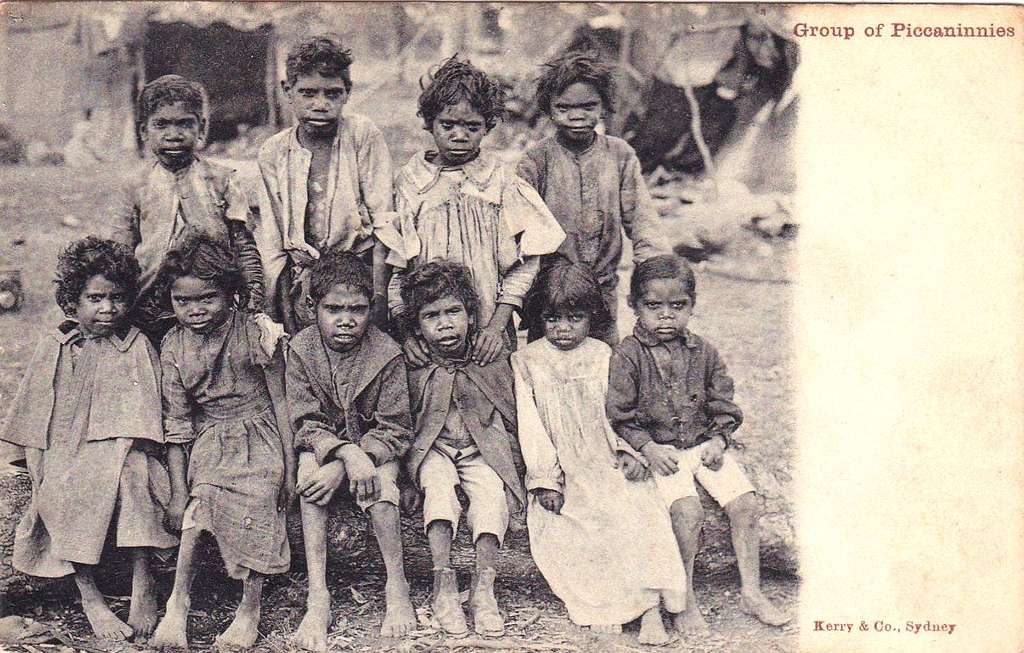
Walking through Adelaide, the weight of this history is visible. But this isn’t unique to South Australia. You can see this exact same reality playing out in any other part of the country. From Darwin and Cairns up north to Melbourne, Sydney, and Brisbane—anywhere in Australia you go, you see it.
The stark contrast between the beautifully preserved, pristine display cases in a museum and the human beings struggling on the pavement outside is a constant reminder that the effects of colonization aren’t ancient history. They are alive and well.
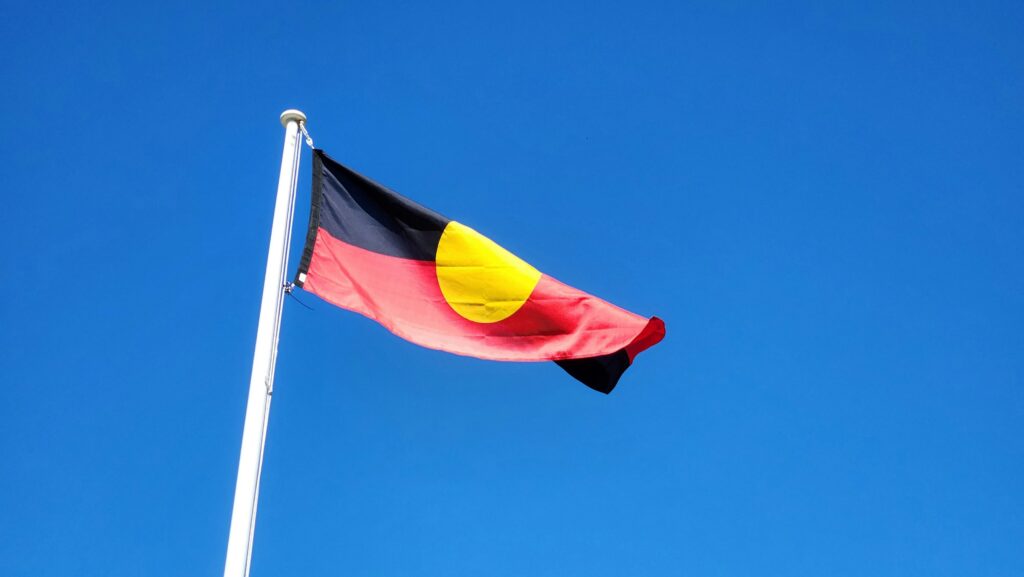
Australia’s First Nations people didn’t just cross an ocean 50,000 years ago; they survived an intentional, centuries-long attempt to erase them. While the government has made modern apologies and legal concessions like Native Title, the gap in health, housing, and equality remains a massive, unresolved shadow over a beautiful country.
The next time we look at a museum exhibit displaying ancient boomerangs and stone tools, we need to remember the living people who inherited that history—and ask why the oldest continuous culture on Earth is still fighting for basic dignity in their own home.