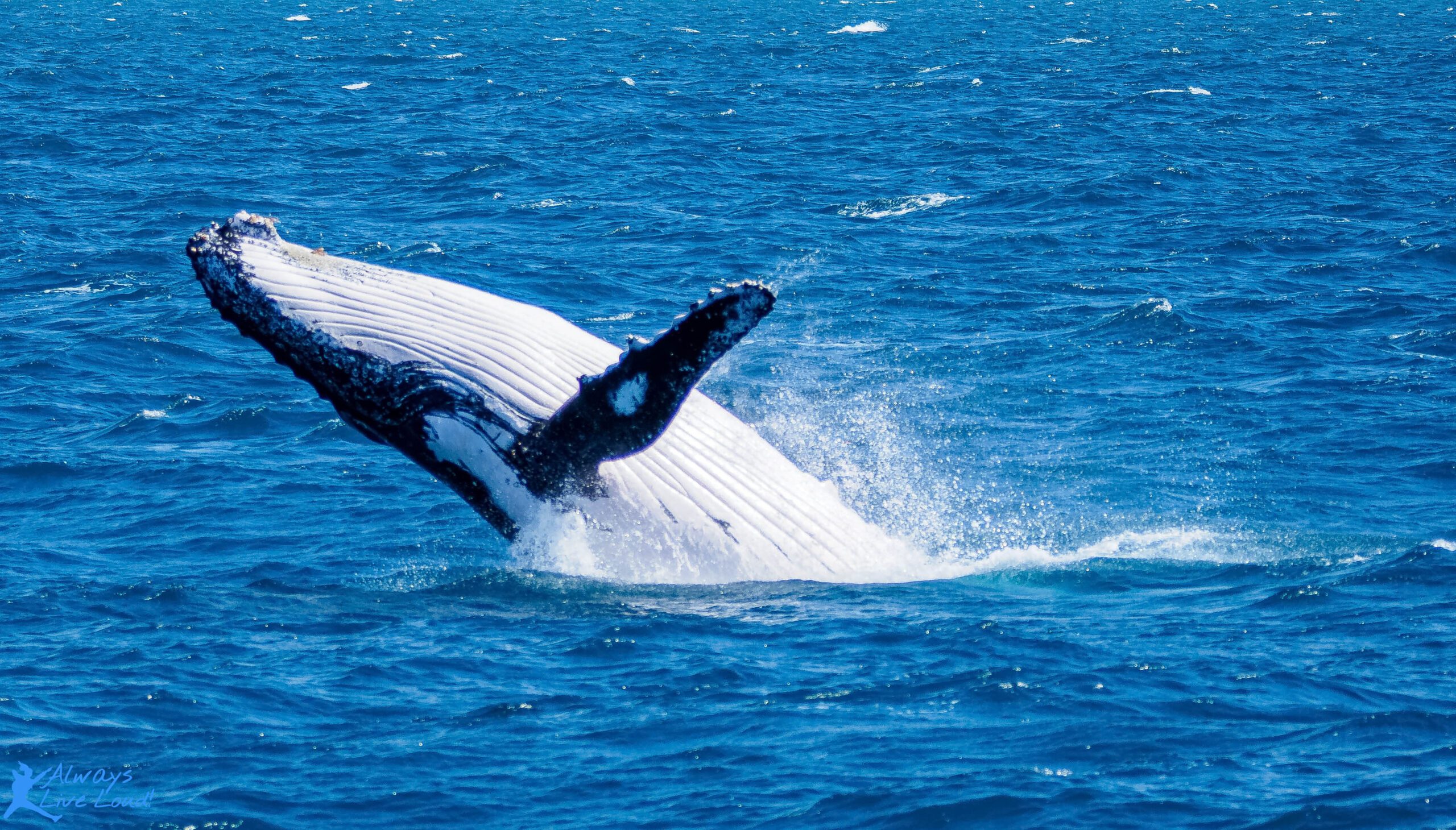
I wrapped up 2025 with another incredible trip to Antarctica and the South Pole.
I’m really lucky to get to visit this unique place a couple of times each year. You might be curious about why I keep going back to a place that could seem empty and dull.
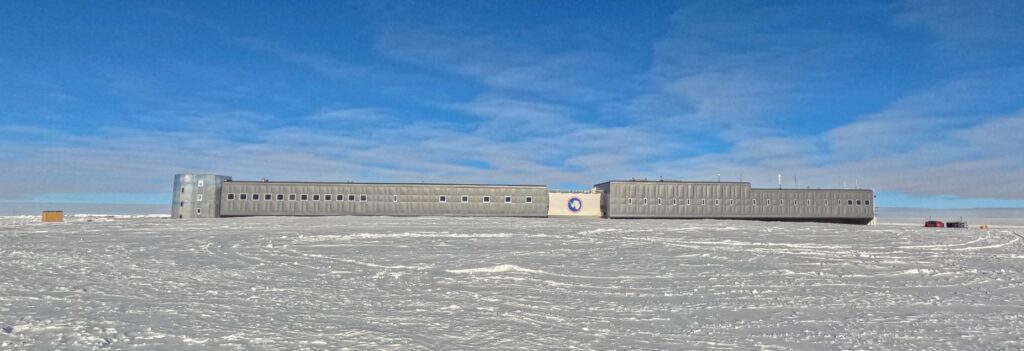
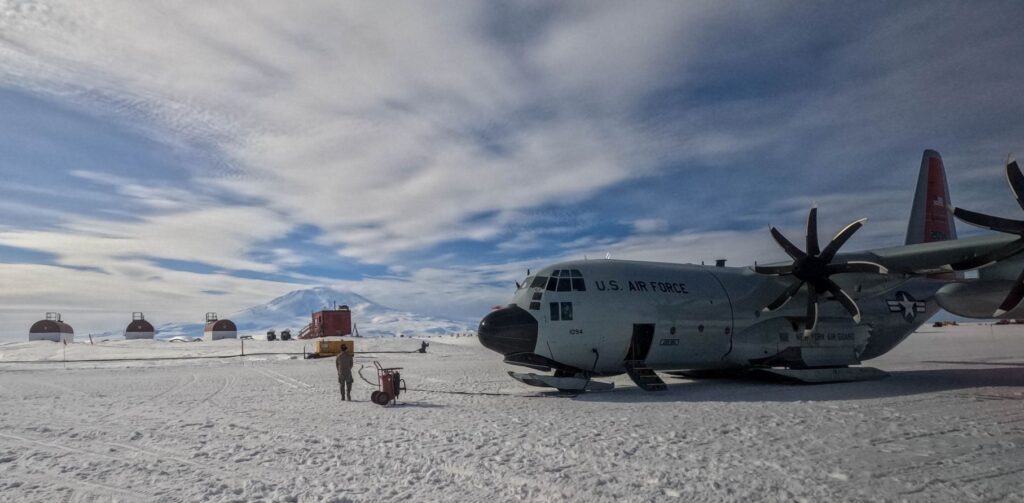
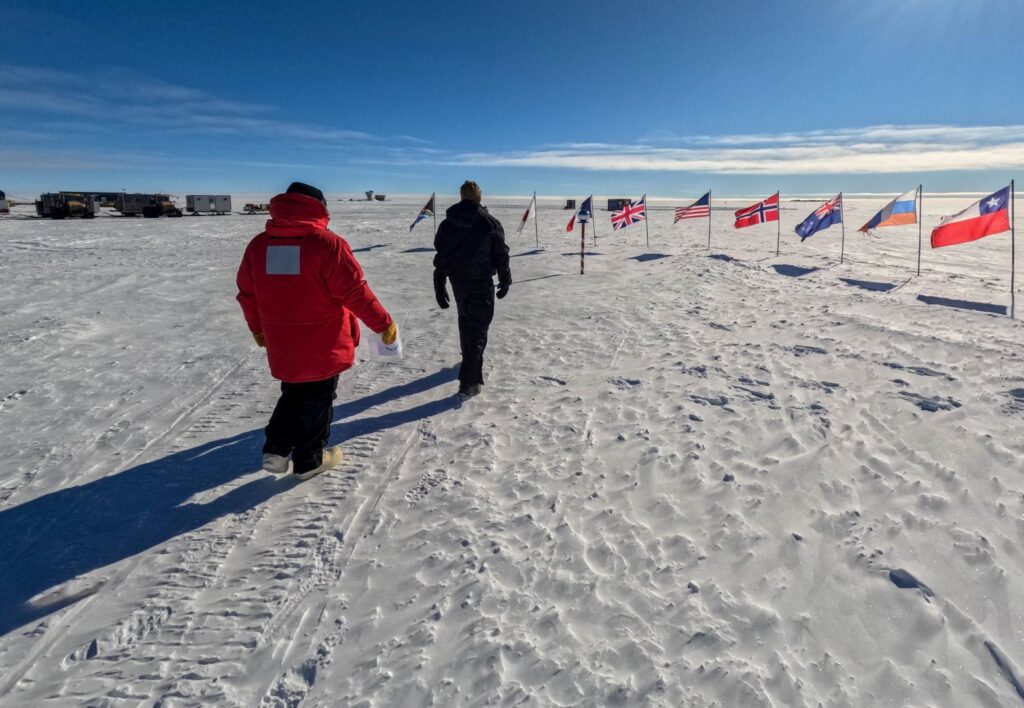
Well, Antarctica is work. But honestly, every time I do, I come away with a fresh take on life. There’s always something fun going on, like hiking, catching a softball game, or just checking out the wildlife. We don’t often see animals, but when we do, it feels like a cool surprise.
Then, connecting with fellow military folks, coworkers, and scientists makes it even better. We get to swap stories and insights about this amazing place. It’s always a new adventure and never boring, no matter how many times I go back.
Traveling to Antarctica offers a deeply transformative perspective on life. The breathtaking landscapes, with their endless stretches of ice and towering glaciers that shimmer under the sun, along with the majestic wildlife—including seals, penguins, and whales—render personal problems trivial by comparison. As you immerse yourself in this vast and pristine environment, your priorities naturally shift.
Despite the continent’s raw beauty, Antarctica presents physical and psychological challenges, such as fierce winds, freezing temperatures, and isolation, which test your resilience. The profound stillness of the surroundings creates a sense of humility and connectedness to nature that is rarely experienced in our fast-paced, modern world. This experience fosters a renewed appreciation for the simple joys of life and the importance of human connection, reminding us of what we often overlook in our daily routines.
Thinking about the incredible journeys of past Antarctic explorers really makes me appreciate the lessons we can learn from their experiences. Take Captain Robert Falcon Scott, who led the Terra Nova Expedition in 1910. He and his team faced unimaginable challenges and sadly lost their lives after reaching the South Pole. Their battle with starvation, exhaustion, and the extreme cold on their way back is a powerful reminder of how tough exploration can be.
Then there are Sir Vivian Fuchs and Sir Edmund Hillary, who made huge progress in the 1950s by being the first to cross the continent overland. They did it with just basic gear and not a lot of survival know-how. Their success shows just how resilient and creative people can be when faced with adversity.
And let’s not forget explorers like Rear Admiral Richard E. Byrd, who played a key role in boosting scientific knowledge with significant research projects. The determination and bravery these individuals showed inspire us to push our own limits and tackle challenges, reminding us of the adventurous spirit that fuels innovation and discovery.
I’m really thankful to have the chance to be here. Even though it’s for work, I get to see and experience what these explorers did. It makes me excited for new discoveries and brings some challenges that help me understand life better, even if it’s just for a little while. It makes me think and expand my view of life.
What makes you take a moment to reflect on your life?