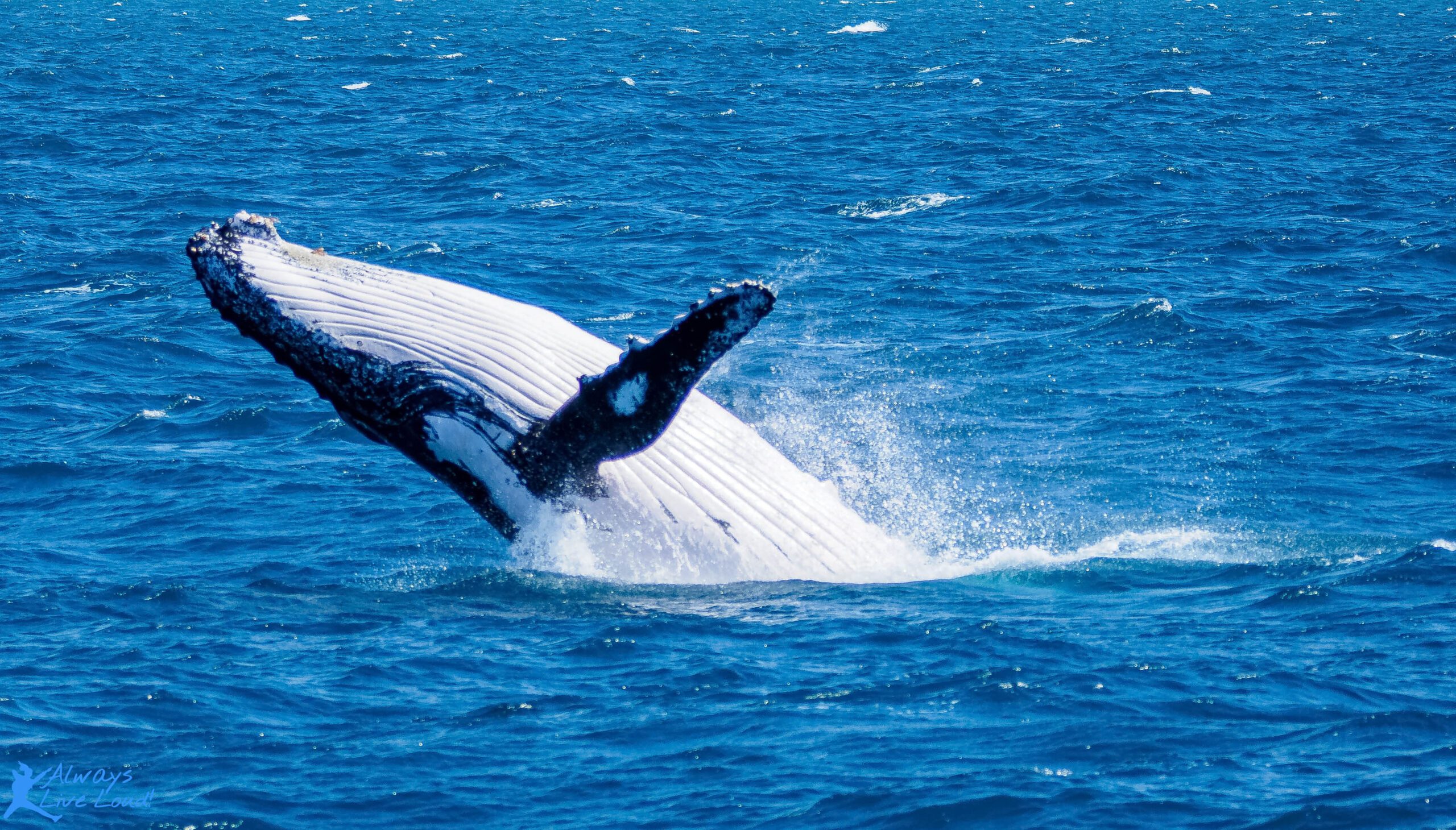
New Zealand boasts a unique culture and lifestyle that you’re sure to enjoy! It is renowned for its warm hospitality, stunning landscapes, and rich cultural heritage.
Immerse yourself in the vibrant cultural treasures and influential figures that shape New Zealand’s unique national identity. The country is known for its diverse culture, influenced by Māori customs, European settler traditions, and the contributions of various immigrant communities.
Kiwiana Icons
Lifestyle

Picture the iconic jandals, also known as flip-flops. However, some Kiwis take it a step further, often opting to go barefoot. Māori culture emphasizes the importance of connecting with nature, and people view being barefoot as a way to foster a relationship with the land.
Although not every public setting is suitable for going barefoot, it is quite common to see people walking without shoes in supermarkets, on the streets, and even in certain workplaces. Furthermore, there is an increasing barefoot movement in New Zealand, with many people advocating for the health benefits of going shoeless, such as improved posture and reduced stress levels.
Isn’t that fascinating?
The Tiki
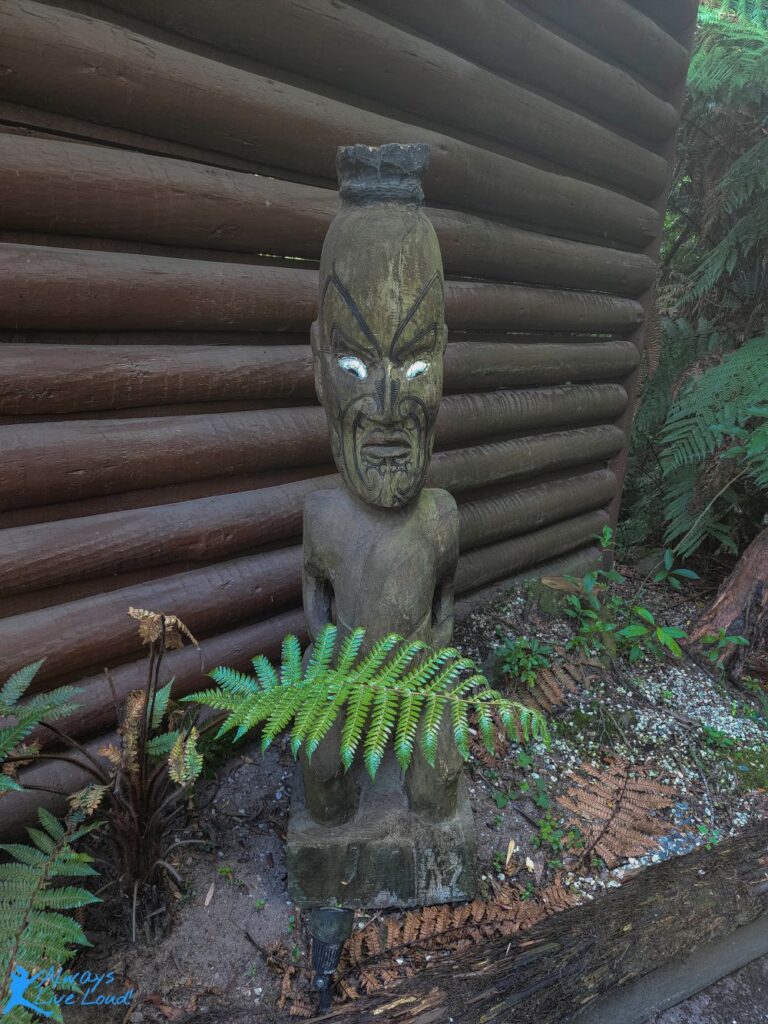
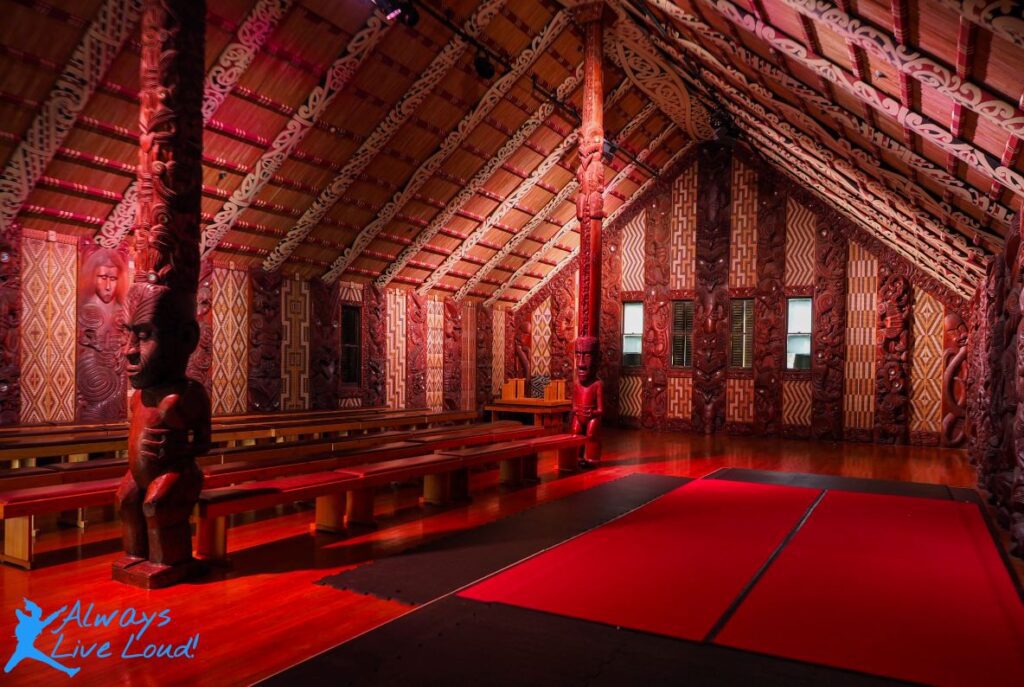
The tiki, a traditional carved figure with intricate designs, serves as a powerful symbol of Māori heritage and exceptional craftsmanship.
These figures, often crafted from wood or stone, embody the spiritual beliefs and ancestral connections of the Māori people.
Each tiki showcases a unique depiction of various tribal stories and values. People often use them in ceremonies, and they treasure them as significant cultural artifacts.
Through its artistry, the tiki highlights the rich cultural tapestry of New Zealand, reflecting the deep connection between the land, its people, and its history.
Sir Edmund Hillary
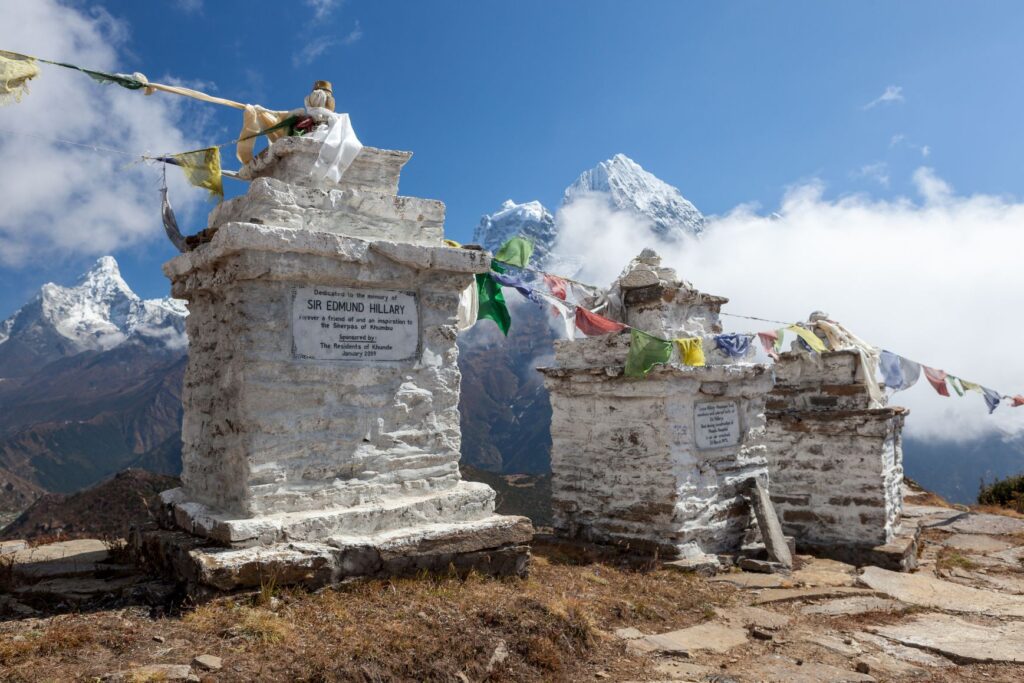
Sir Edmund Hillary, who made history as the first person to successfully reach the summit of Mount Everest on May 29, 1953, is a symbol of New Zealand’s adventurous spirit and pioneering legacy.
His extraordinary achievement not only showcased his remarkable courage and determination but also inspired generations of explorers and climbers worldwide.
Hillary’s relentless pursuit of challenging feats, coupled with his contributions to humanitarian efforts in Nepal, further solidifies his status as a national icon and a testament to the adventurous essence of New Zealand.
Sports Culture
New Zealand has a deep-rooted passion for sports and outdoor activities, reflecting its vibrant culture and stunning natural landscape. The country is particularly renowned for its excellence in sports such as rugby, cricket, and rowing, which are not only popular at the grassroots level but also a source of national pride.

New Zealand’s national rugby team, the All Blacks, is famous worldwide for its skill and sportsmanship, consistently ranking among the top teams in international competitions. In cricket, the Black Caps have made significant strides, competing at the highest levels and achieving notable success in events like the ICC Cricket World Cup.
In the realm of the Olympics, New Zealand consistently impresses with its performance, particularly in sports such as rowing, sailing, and athletics. The country’s athletes have brought home numerous medals, showcasing their dedication, talent, and rigorous training. The combination of a strong sporting culture and access to breathtaking outdoor environments—such as mountains, lakes, and coastlines—encourages Kiwis of all ages to engage in physical activities, further enriching their performance on the international stage.
Overall, New Zealand’s passion for sports not only fosters community spirit but also cements its reputation as a formidable competitor in global.
Everyday Life
Māori Traditions and Customs
New Zealand boasts a vibrant and diverse culture shaped by Māori heritage, European settler traditions, and a variety of immigrant communities.
One of the most significant aspects of Māori culture is the haka, a traditional war dance characterized by vigorous movements and chanting, often performed at ceremonial gatherings and important events, including sports matches.
Additionally, Māori customs such as powhiri (welcoming ceremonies) and hui (meetings) are integral to community life, emphasizing the importance of hospitality, kinship, and respect for ancestors. The concept of mana (spiritual authority) and tapu (sacredness) plays a crucial role in guiding behaviors and social interactions within Māori communities.
Traditions with contemporary influences
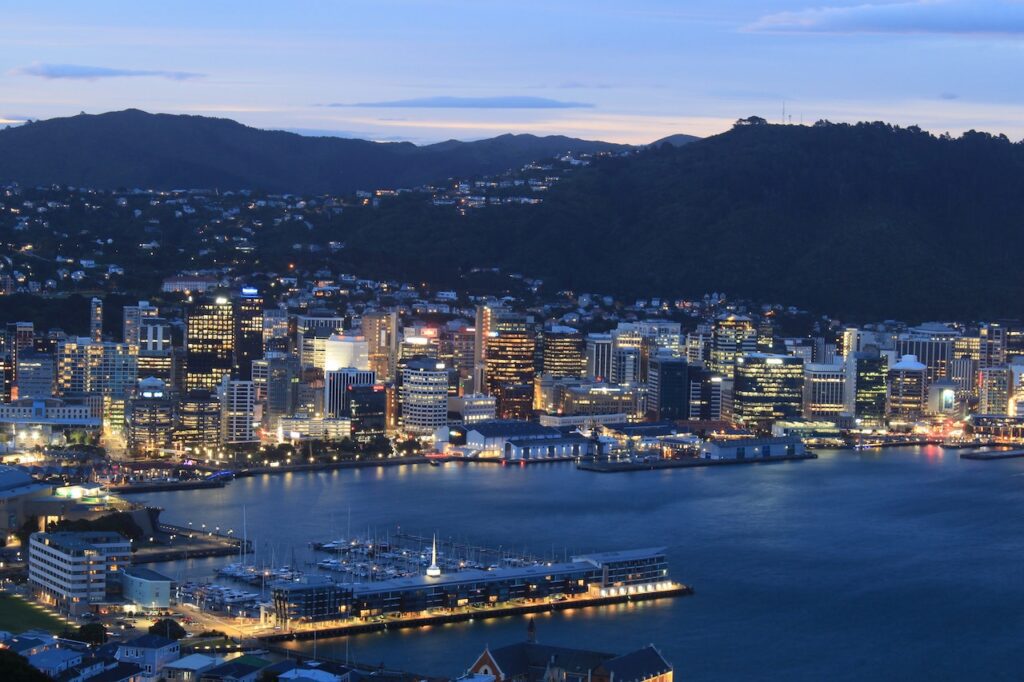
Daily life in New Zealand reflects a blend of these traditions with contemporary influences. In urban centers like Auckland and Wellington, residents often participate in a fast-paced lifestyle filled with modern amenities, cultural festivals, and a thriving café culture that showcases a fusion of international cuisines. Local markets and art galleries highlight the work of both established and emerging artists, providing a platform for creative expression.
In contrast, rural areas tend to maintain strong connections to nature and agricultural practices. Communities are often close-knit, with daily life revolving around farming activities and outdoor pursuits such as hiking, fishing, and surfing, which showcase the country’s stunning natural landscapes. Outdoor events, local festivals, and gatherings cultivate a strong sense of community and belonging, reflecting New Zealand’s ethos of “whanaungatanga” (kinship and connection).
Overall, New Zealand’s cultural landscape is rich and dynamic, characterized by a deep respect for its heritage while embracing modern influences that continue to shape the identity of New Zealanders today.