Are you planning a trip to New Zealand?
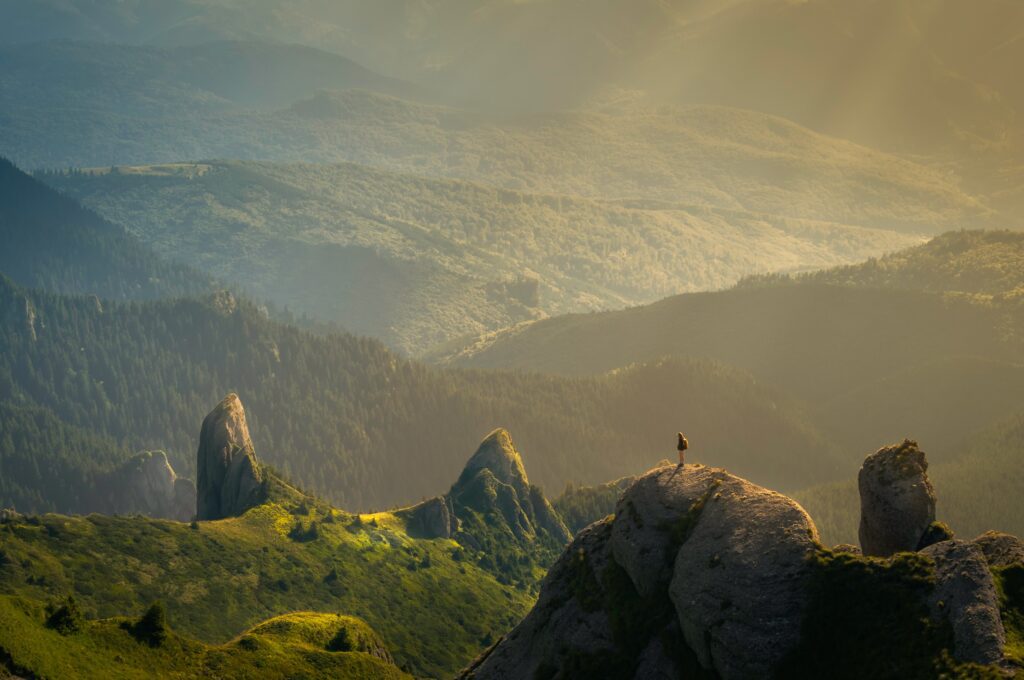
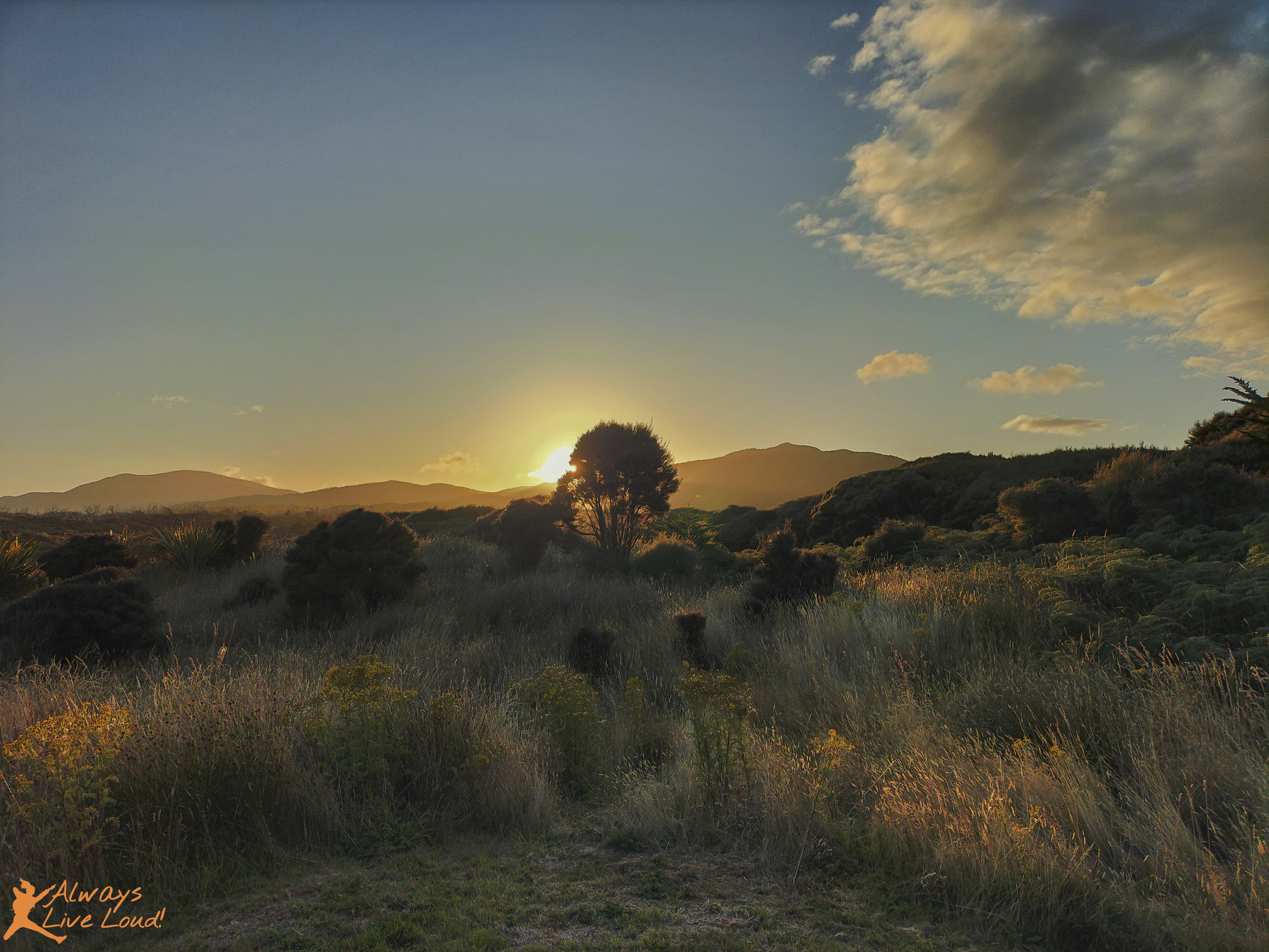
New Zealand is famous for its stunning landscapes, vibrant Māori culture, and friendly locals. Visitors are often captivated by its majestic mountains, breathtaking fjords, impressive glaciers, and pristine beaches. This diverse environment makes New Zealand a top choice for both adventure seekers and nature enthusiasts.
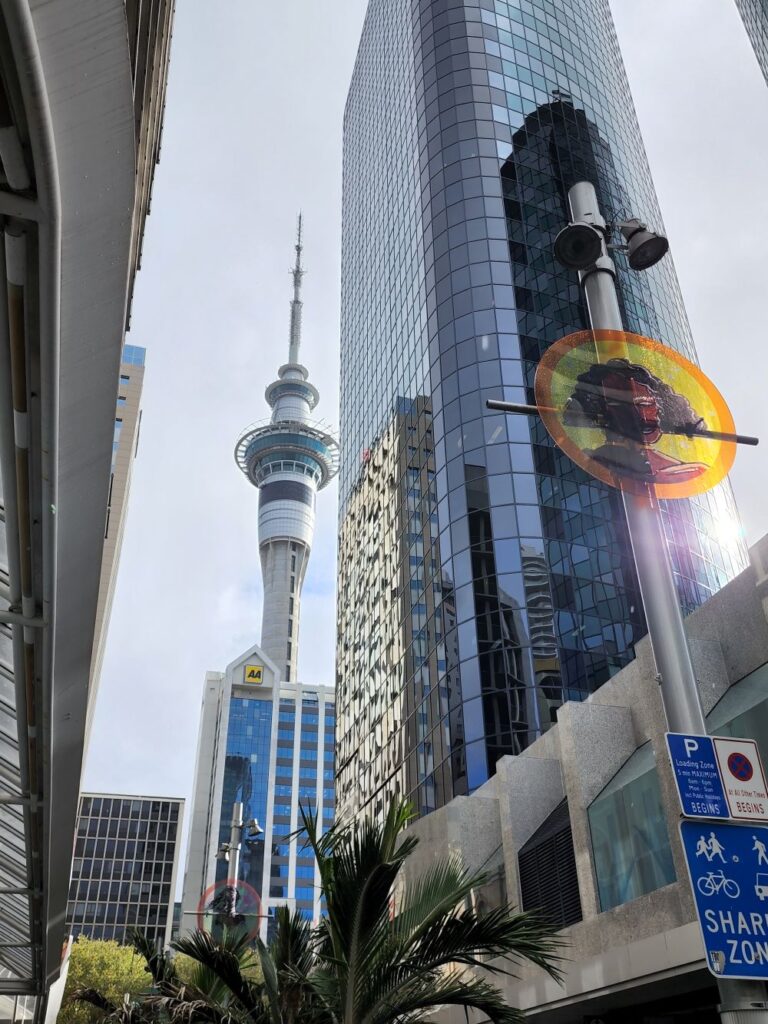
Having lived in New Zealand for the past three years, I frequently receive questions about where to go and what to expect from a trip to this remarkable country.
Many people are often unaware of the essential steps involved in planning their visit. Before embarking on your journey, it’s necessary to understand a few key points.
New Zealand offers not only spectacular scenery and a wide variety of adventure activities but also important practical considerations. These include the best times to visit, strict biosecurity laws, transportation options, and tips for driving in New Zealand, as well as being aware of the local weather conditions.
Additionally, costs can significantly influence your trip planning and overall enjoyment.
Here are seven things to know:
1️⃣ Strict Biosecurity Laws
New Zealand has strict biosecurity laws to protect its unique environment. You must declare any food, plant materials, or animal products that you bring into the country, as some items may be entirely prohibited.
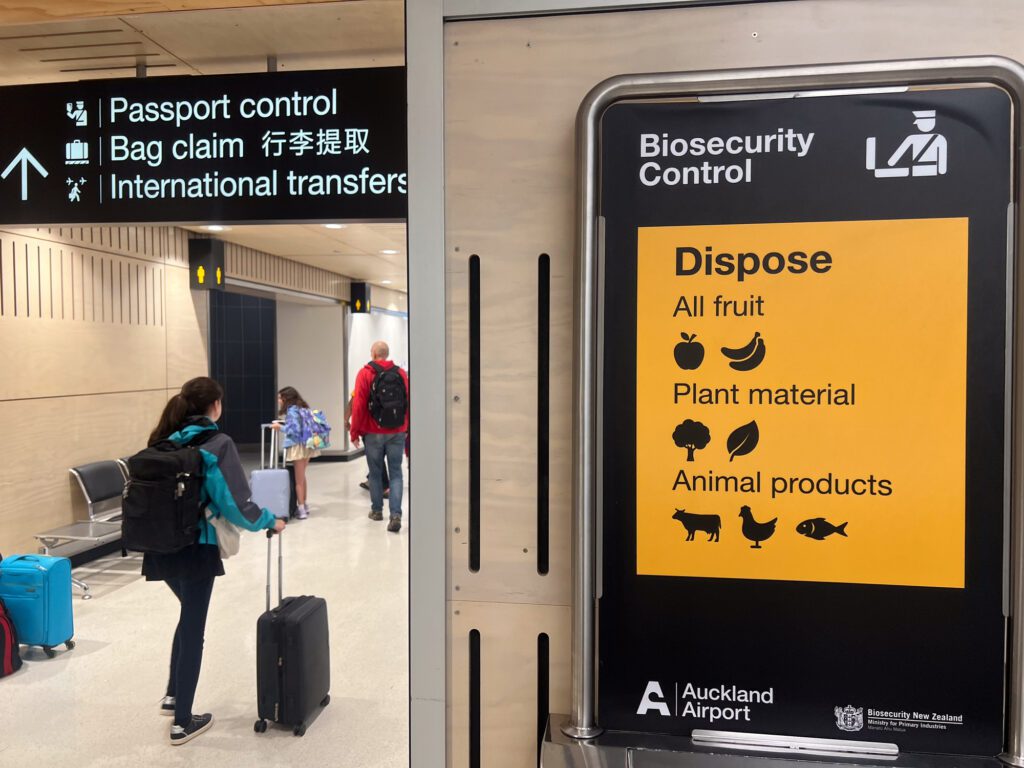
Additionally, you are required to declare your hiking equipment on the New Zealand Traveller Declaration (NZTD) or arrival card, regardless of its cleanliness. Failing to declare these items can result in a fine of NZ$400 or prosecution.
Biosecurity officers will inspect your gear, especially your footwear, for dirt or organic materials that could pose a risk. If your equipment is found to be dirty, it can be cleaned at the airport, which may cause delays, particularly if other items also require inspection.
To avoid issues, ensure your hiking boots and camping gear are clean and free from dirt and organic matter. Also, refrain from bringing any food with you.
2️⃣Driving on the Left
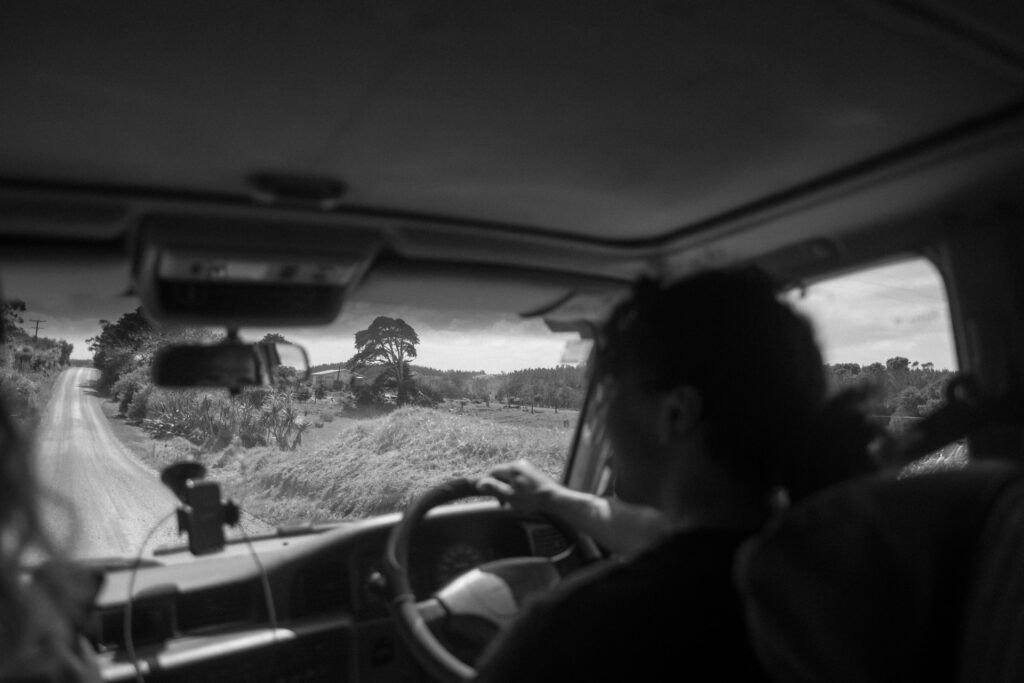
In New Zealand, drivers follow the left-hand side of the road, and vehicles are designed for right-hand driving. This can be particularly challenging for those accustomed to driving on the right side, so it’s essential to exercise extra caution, especially when turning at intersections or junctions.
Always remember to stay on the Left.
Consider using a GPS or a physical map to assist with navigation, as internet connectivity can be unreliable outside of urban areas.
3️⃣Changing weather

New Zealand’s weather is notoriously unpredictable, with conditions that can shift dramatically within a single day. This variability is especially evident on the North Island, where quick downpours can happen even when the sun is shining.
If you plan to travel around New Zealand, it’s wise to pack layers of clothing, including lightweight shirts, warm sweaters, and waterproof jackets.
This preparation will enable you to adapt to a range of weather conditions, from chilly morning temperatures to warm afternoons and unexpected rain showers.
Regardless of the time of year you visit, be ready for the possibility of experiencing all four seasons in just one day!
4️⃣The Great Outdoors
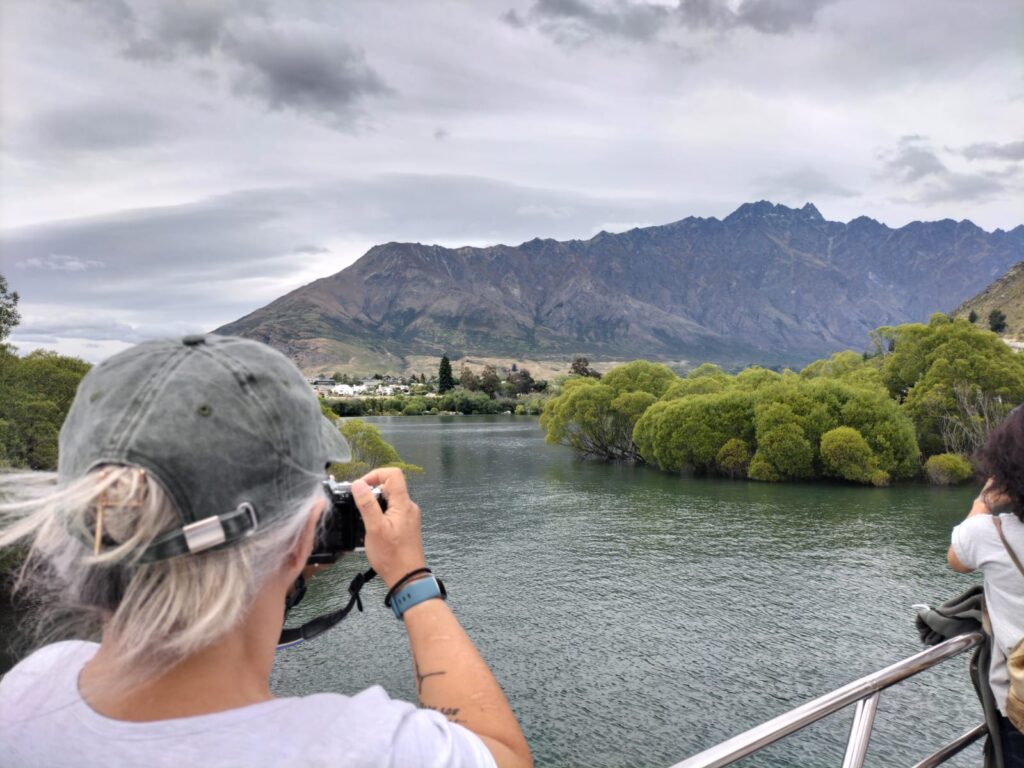
New Zealanders have a strong connection with nature, making outdoor exploration a popular activity. Before you embark on your adventure, it’s important to plan your trip:
If you are going for a hike, research the terrain and track conditions. Research information on elevation changes, challenging sections, and potential obstacles, such as river crossings.
As mentioned earlier, the weather in New Zealand can change rapidly. Use reliable sources, such as MetService, and be prepared to adjust your plans if conditions worsen.
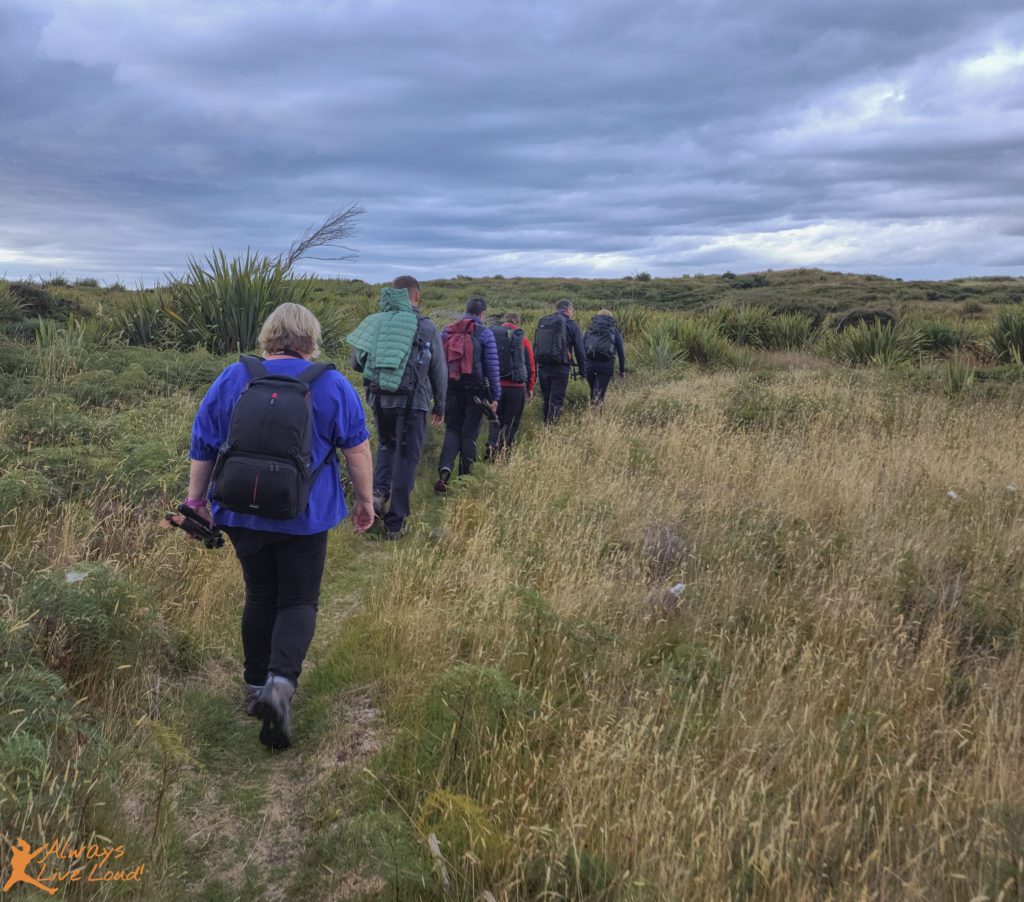
It’s wise to inform a trusted person about your intended route, expected return time, and contingency plans in case of adverse weather conditions. This information is crucial for search and rescue efforts, should they be necessary.
Since you may encounter unexpected situations, it is essential to carry enough food, water, warm clothing layers, a first aid kit, and an emergency shelter, especially on longer trips.
While toilet facilities are available throughout New Zealand, many areas lack rubbish bins. Please respect the environment by taking your litter with you.
5️⃣Cost of Living

New Zealand can be quite expensive, especially regarding food, accommodation, and gas (petrol).
Dining out, particularly in tourist areas, tends to be pricey, and groceries may also cost more than you are used to. To save money, consider booking accommodations and tours in advance.
Choose a place with a kitchen or kitchenette that allows you to prepare your own meals instead of relying on on-site dining or room service. This option offers greater flexibility with meal times and dietary choices.
It’s essential to plan your budget carefully.
6️⃣Unique Cultural Aspects

New Zealand has a rich Māori culture, making it a fantastic opportunity to learn about and experience it during your visit.
You can explore Māori history and language, as Te Reo Māori is one of the country’s three official languages. Visiting a marae, which is a traditional meeting ground, is a great way to learn about Māori customs and traditions.
7️⃣Paying at the restaurant and Tipping

When dining at a restaurant in New Zealand, the payment process usually involves going to the counter to settle your bill before leaving, as waitstaff do not take payments at your table. This practice is common across many establishments in the country.
Additionally, I would like to note that tipping is not customary in New Zealand. While you may choose to leave a tip for exceptional service—it’s not expected and should be at your discretion.
Most locals and frequent visitors appreciate the straightforward pricing, which allows you to focus on enjoying your meal rather than worrying about calculating tips.
So…
I hope this list provides valuable insights to help you better understand what to expect when traveling to New Zealand. Traveling always presents aspects we may not be accustomed to, especially in a country with different cultural and societal norms, such as New Zealand. It is definitely worth visiting to experience the beautiful scenery, observe the wildlife, and learn about some of the Māori traditions—all while prioritizing safety.