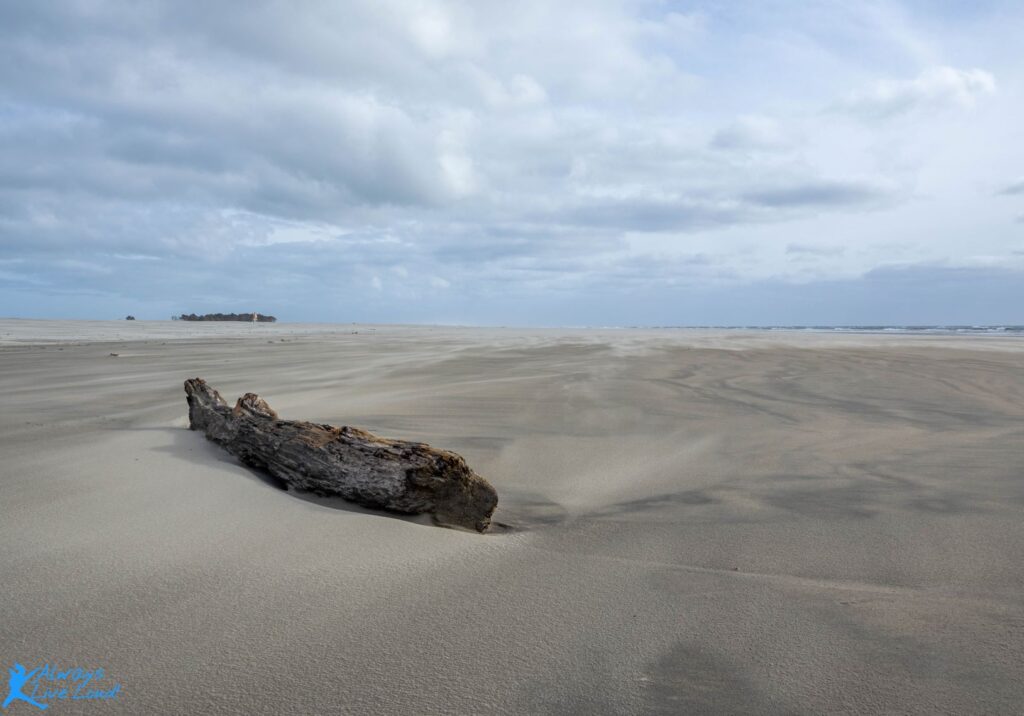
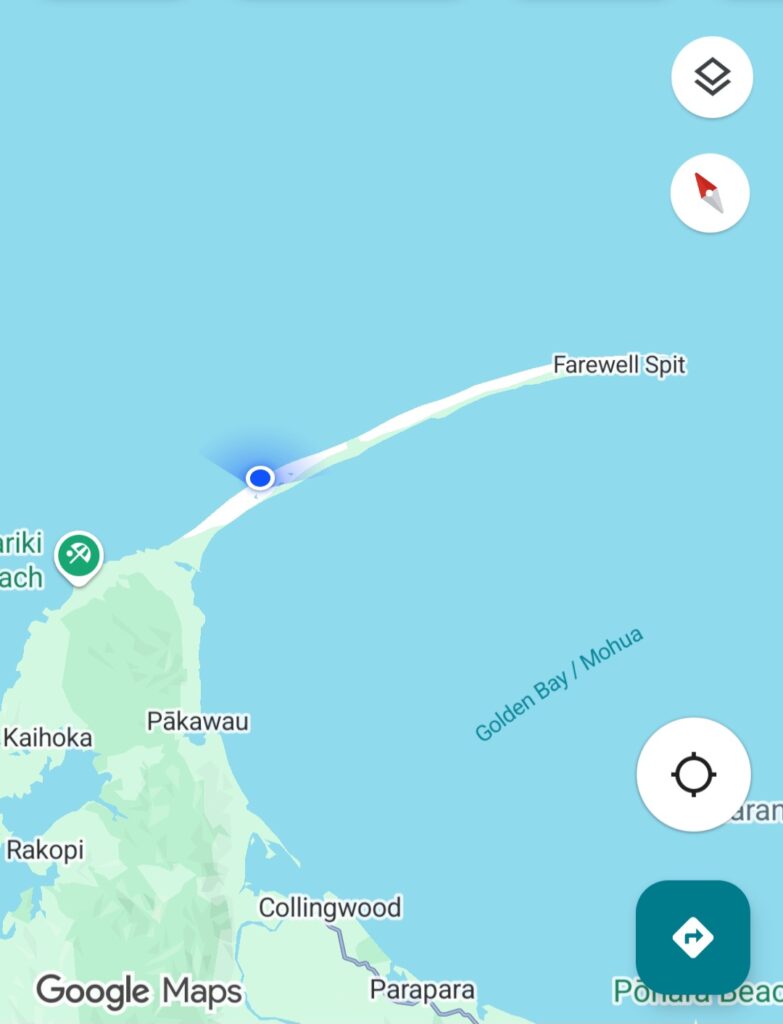
My journey at Farewell Spit was a delightful surprise. Farewell Spit is renowned as one of the top five longest natural sand spits in the world. Stretching approximately 35 kilometers eastward from Cape Farewell in Golden Bay on the South Island of New Zealand. Its unique geography gives it an intriguing shape that resembles the head of a kiwi, the national bird and symbol of New Zealand, which I found particularly fascinating.
As part of my photography group, we embarked on “The Farewell Spit Tour,” a guided experience that allowed us to explore the stunning landscapes and diverse wildlife of the area. The tour provided us with the opportunity to capture breathtaking images of the pristine beaches, rolling dunes, and the abundant birdlife, including flocks of migratory shorebirds that frequent the spit. Engaging with the knowledgeable guides enriched our understanding of the area’s ecology and cultural significance, making our visit even more memorable and safer.
The Longest Sand Spit
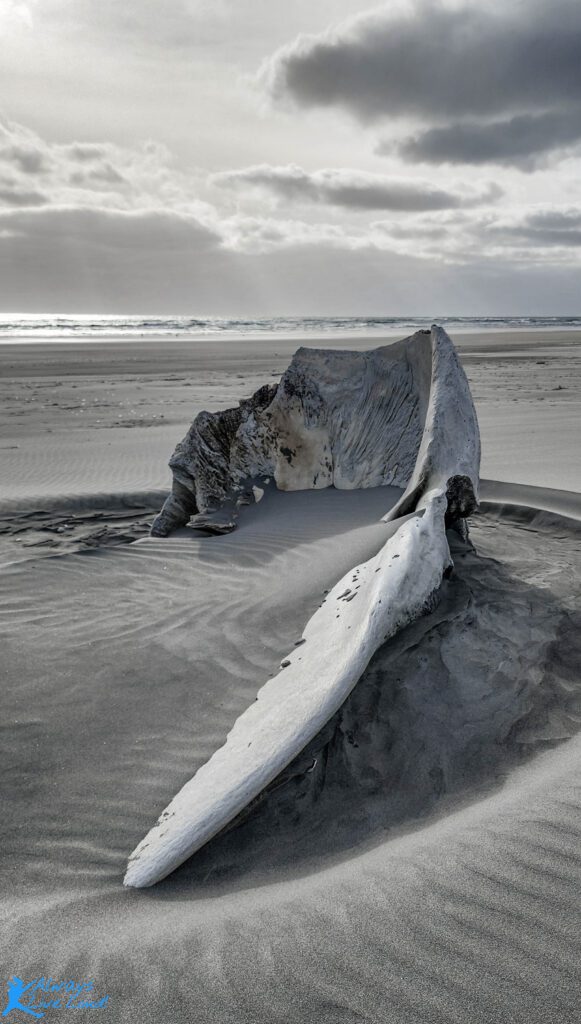
This sandpits, a narrow strip of land, was formed over thousands of years through the continuous action of wind and waves. These natural forces have gradually transported and deposited sediment from the nearby west coast, creating a unique coastal feature. The sediment, consisting of fine grains of sand and small pebbles, has accumulated to shape the sandpit, which serves as an essential habitat for local wildlife and a barrier protecting the shoreline from erosion.
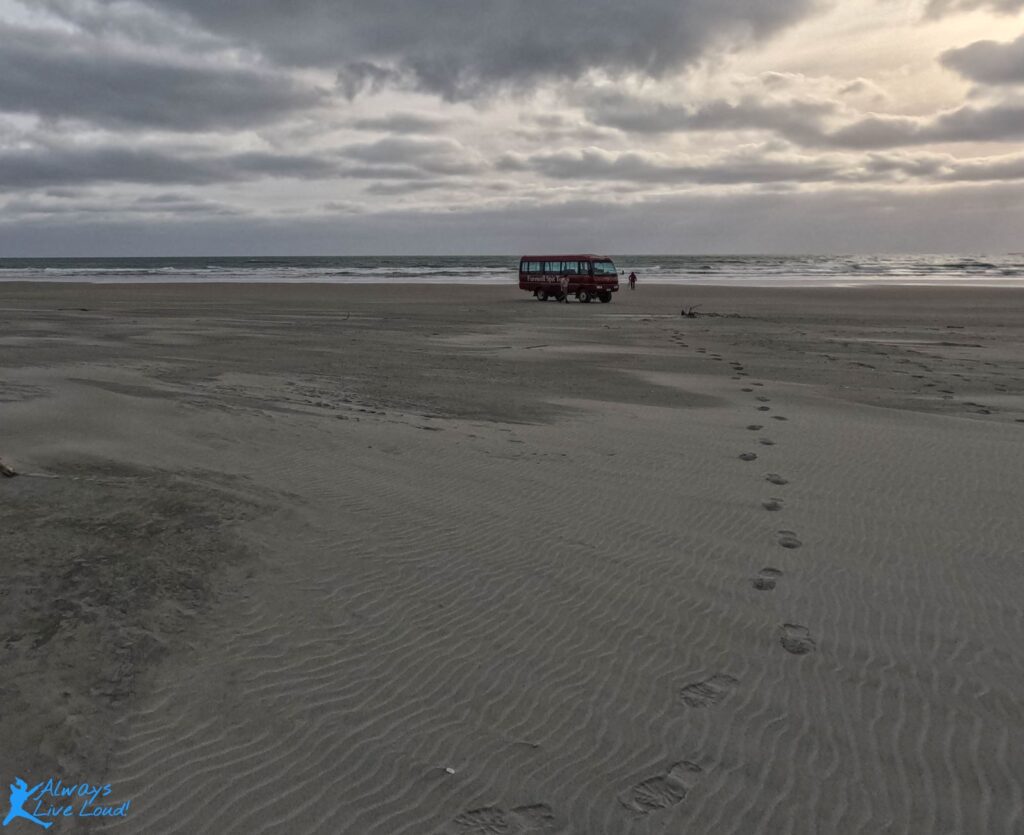
Visitors can explore the first 4 km of the spit independently, making it an excellent option for tourists seeking a self-guided experience. For those wanting to fully appreciate the entirety of the spit, joining a guided 4WD tour to see the lighthouse is highly recommended. Please note that access to the lighthouse is only available during low tide, ensuring a safe and enjoyable visit, which is why further exploration beyond the designated area is restricted during high tide.
Wildlife
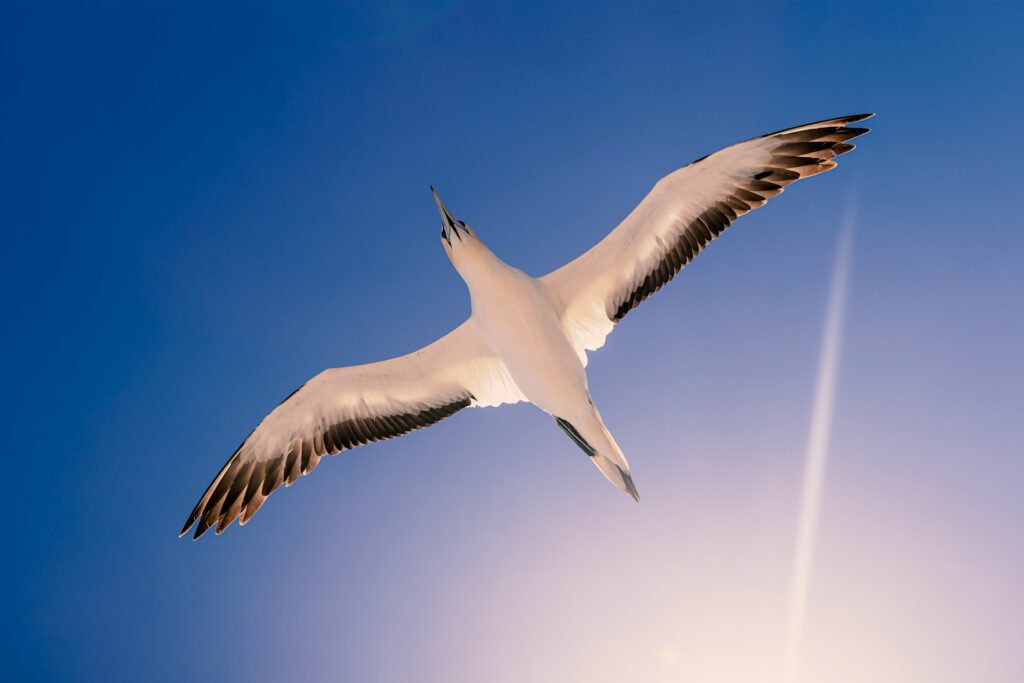
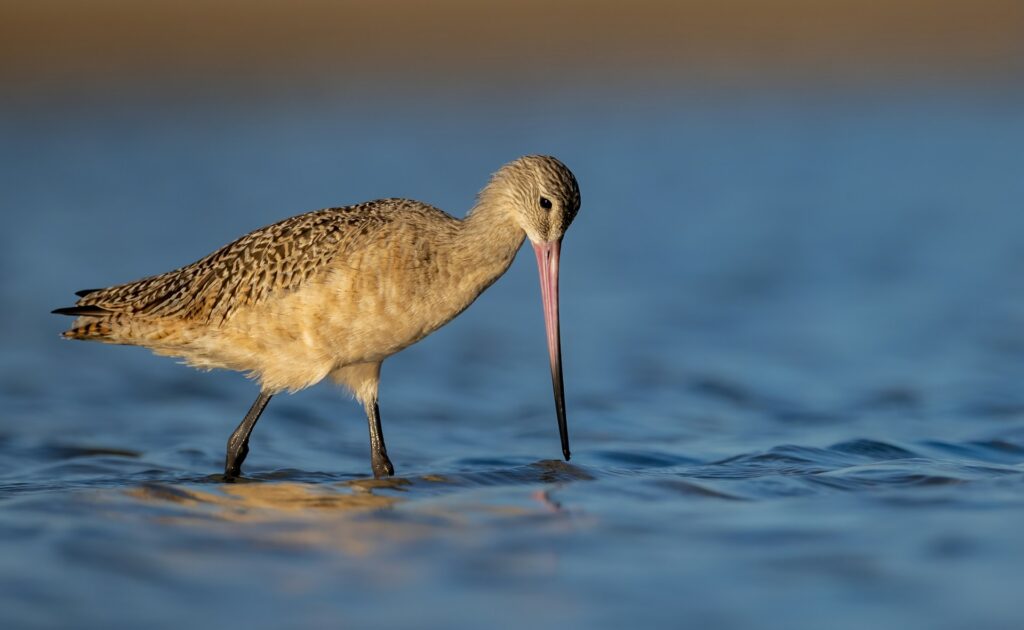
Farewell Spit is a valuable nature reserve and celebrated bird sanctuary, acknowledged for its importance as a wetland of international significance. This area plays a critical role as a stopover for more than 90 species of migratory wading birds, offering essential breeding and feeding grounds, particularly for species such as bar-tailed godwits. The reserve also supports a considerable colony of gannets.
Moreover, visitors to Farewell Spit have the opportunity to observe fur seal pups and a variety of marine life that washes ashore, enriching the experience of this diverse ecosystem. By appreciating and protecting this remarkable area, we can ensure it remains a haven for wildlife and a destination for nature enthusiasts.
The Experience
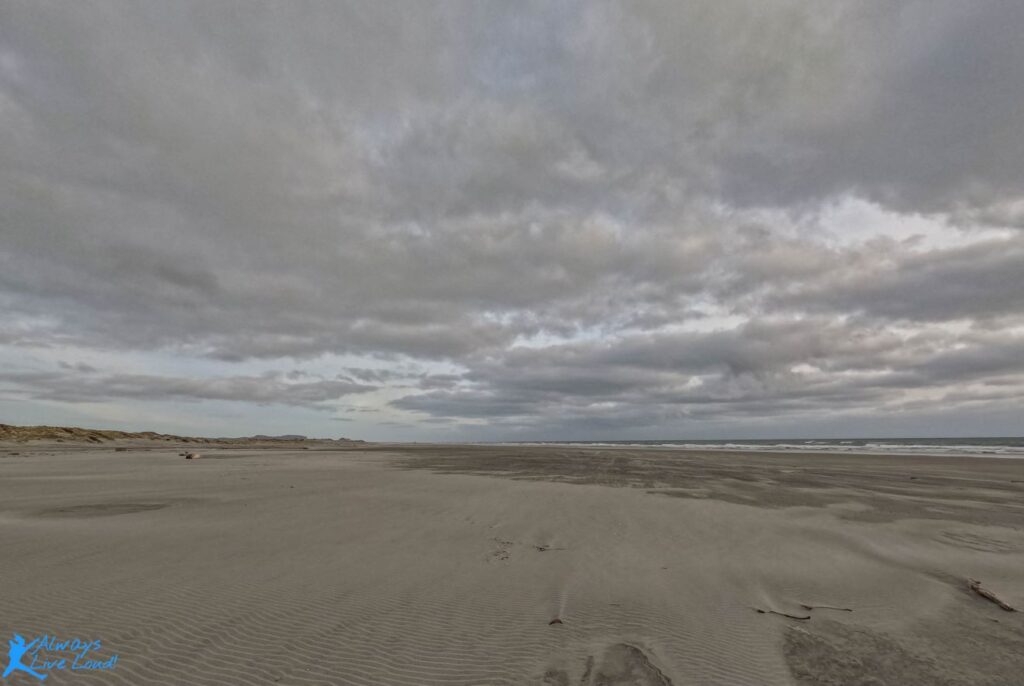
Golden Bay is one of the few places in New Zealand that I still have on my bucket list to visit! Since arriving in 2022, I’ve had a fantastic time traveling all over this beautiful country, and now I’m wrapping up my adventures in my final destinations. The Nelson area, at the northern tip of the South Island, is known for its absolutely stunning scenery, with miles of golden sandy beaches and picturesque coastal views. Even though August isn’t the warmest month and the weather can be a bit tricky, I couldn’t resist the chance to experience all the beauty this region has to offer!
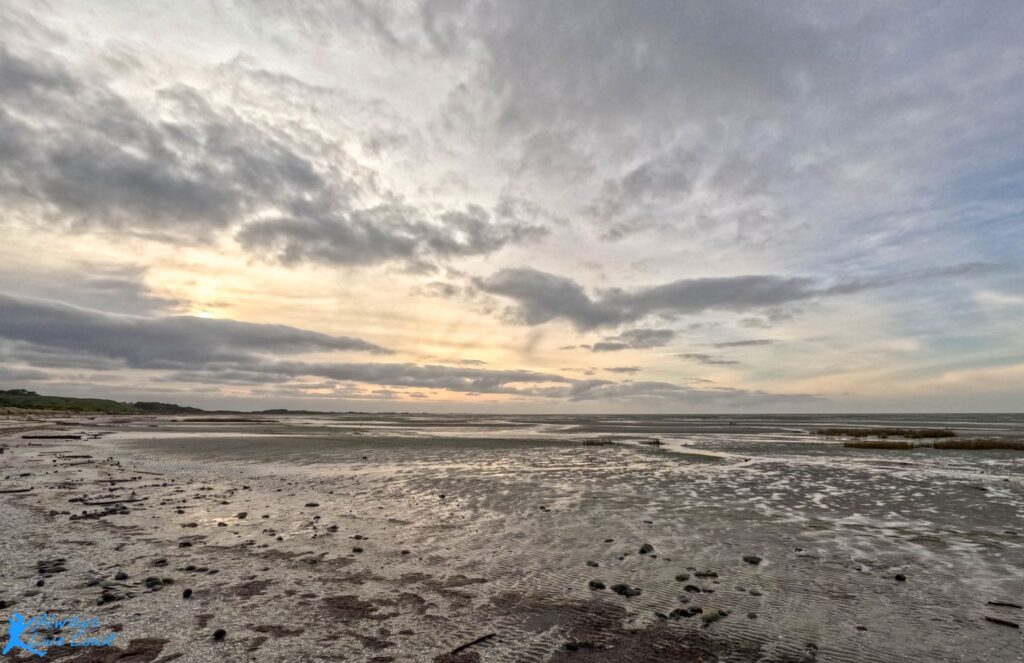
The tour I joined was particularly fascinating, as it offered an opportunity to observe a diverse array of wildlife, especially various bird species, which thrive in the area. Although we spotted fewer seals than expected, the experience was still memorable. We completed the entire tour, including a visit to the iconic lighthouse that stands sentinel over the rugged coastline, providing impressive views of the sea and the surrounding landscape.
Golden Bay is a great destination.