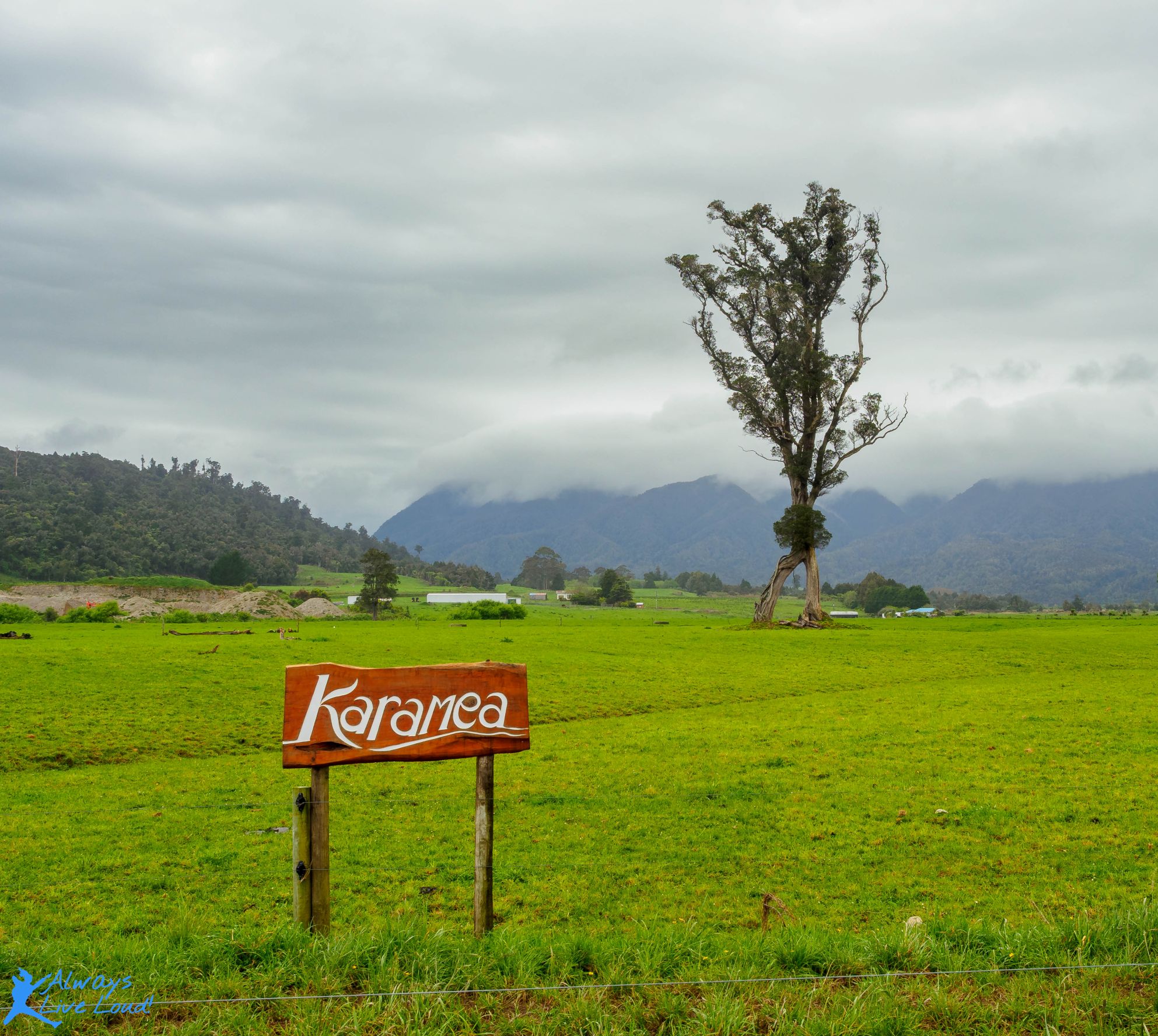
Somewhere on the West Coast of New Zealand’s South Island, the highway simply gives up. It runs out of tarmac and leaves you to contemplate your life choices. Squeezed between a roaring, angry Tasman Sea and the vertical, bush-clad peaks of Kahurangi National Park, Karamea sits. It is the absolute, literal definition of the end of the road.
The Journey to the Lost Gem
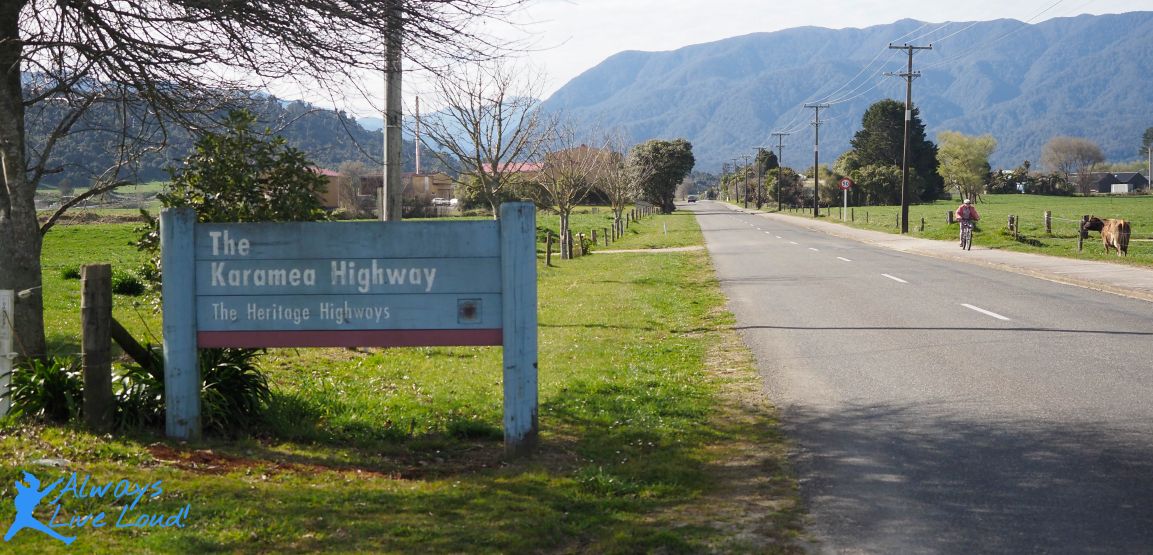
If you arrive here and suddenly decide you want to pop over to Collingwood, I have terrible news for your GPS. There is no shortcut. You have to turn your car completely around. Retrace your steps all the way back down south to Westport, and join State Highway 6 for a massive, winding drive. Because on this side of the island, civil infrastructure is delightfully basic. Essentially, one lone road runs from Jackson Bay in the deep south to Karamea in the north. It makes this town a true lost gem—a place you reach only if you love untouched nature and have a stubborn willingness to drive to the very edge of the map.
Returning to a Prehistoric Paradise
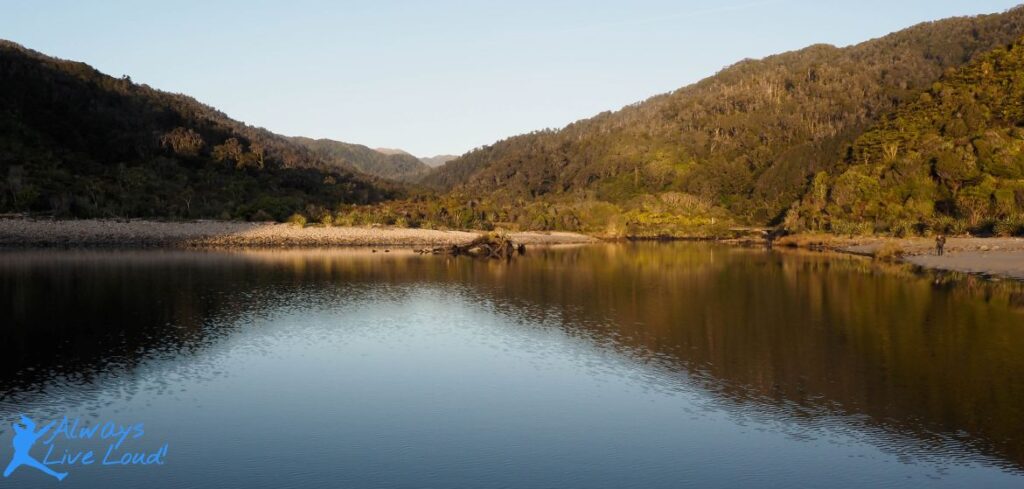
Returning here after three years, I was instantly reminded of why this corner of the world is so captivating. The West Coast doesn’t look like the rest of New Zealand. The dense forest carries a distinct, prehistoric flair, boasting vibrant green vegetation that feels like a living portrait of what the planet looked like thousands of years ago.
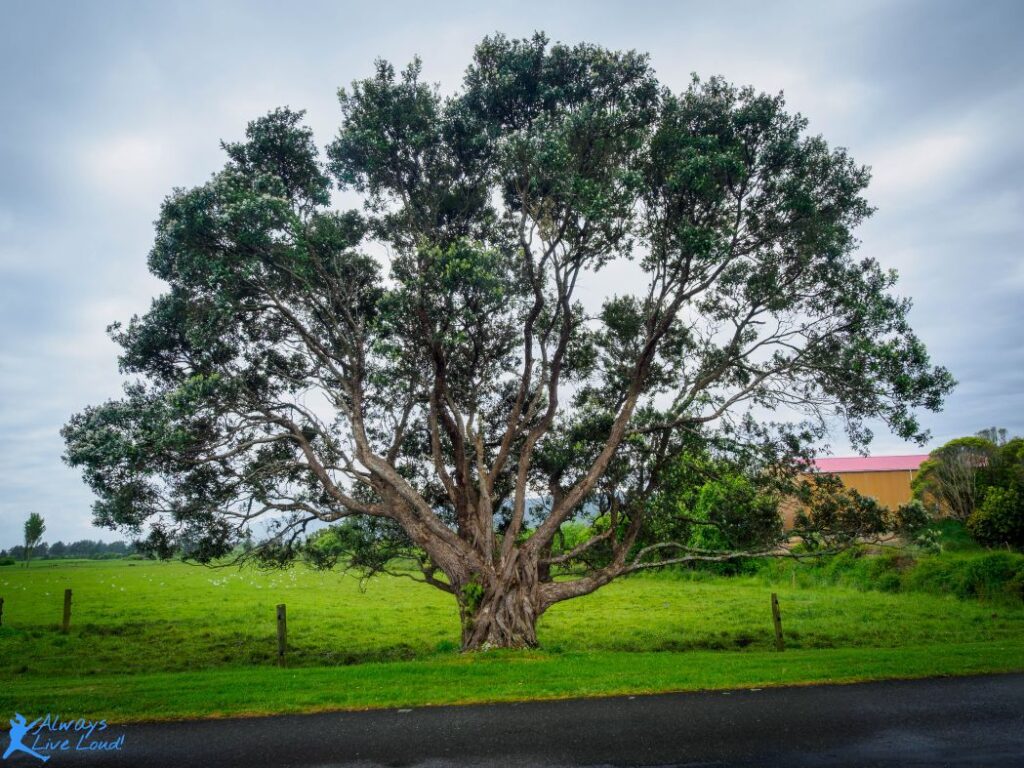
Our photography group stayed for three nights, and true to the Coast’s reputation, the weather was wildly unpredictable. But a bit of moody West Coast rain and mist shouldn’t stop an adventure. We leaned into the elements, packed our gear, and chased the light across some of the region’s most spectacular landscapes.
Wildlife Wins and Pure Luck
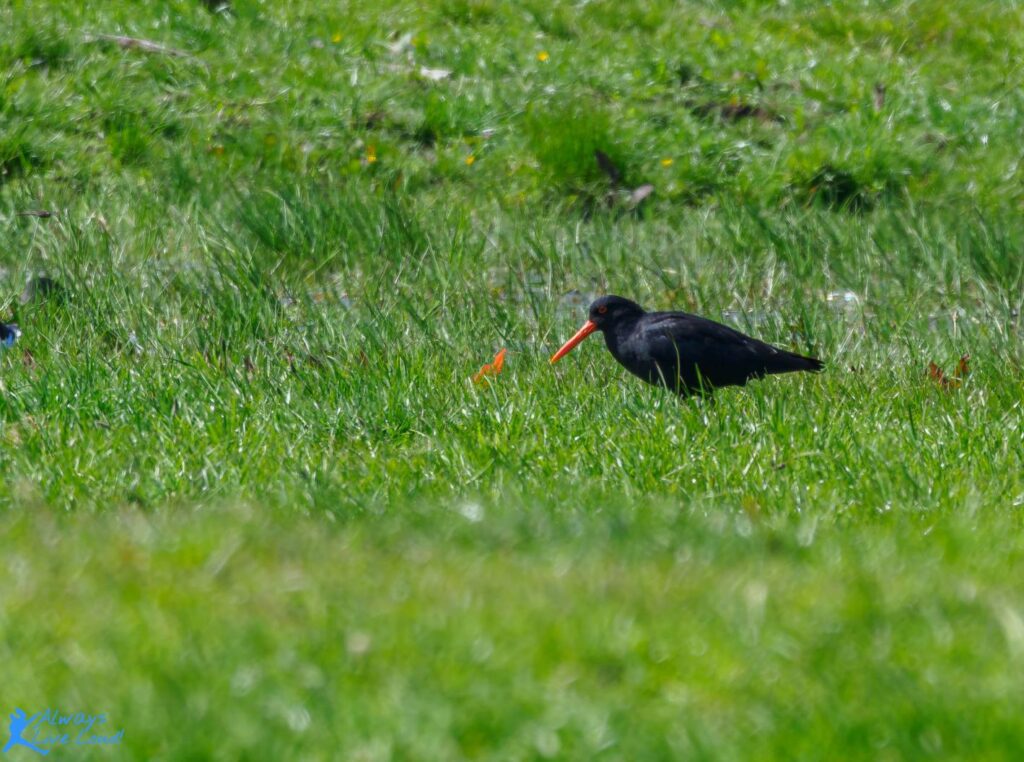
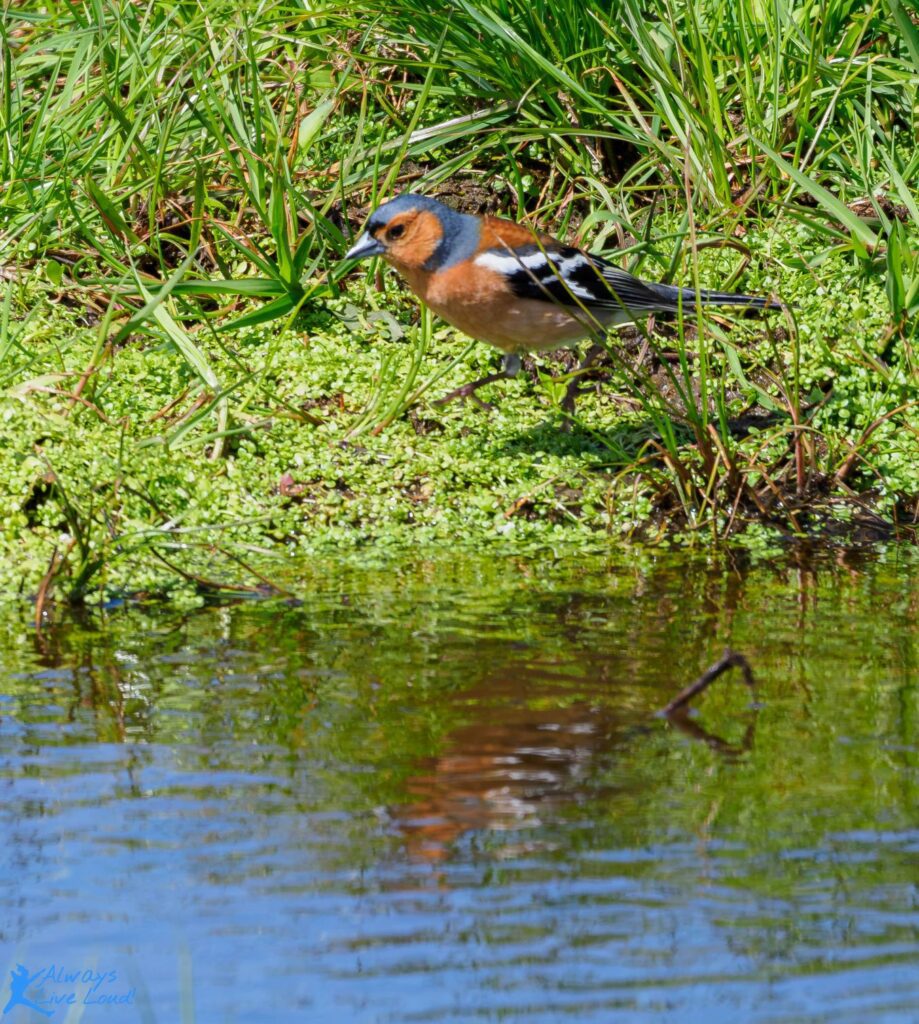
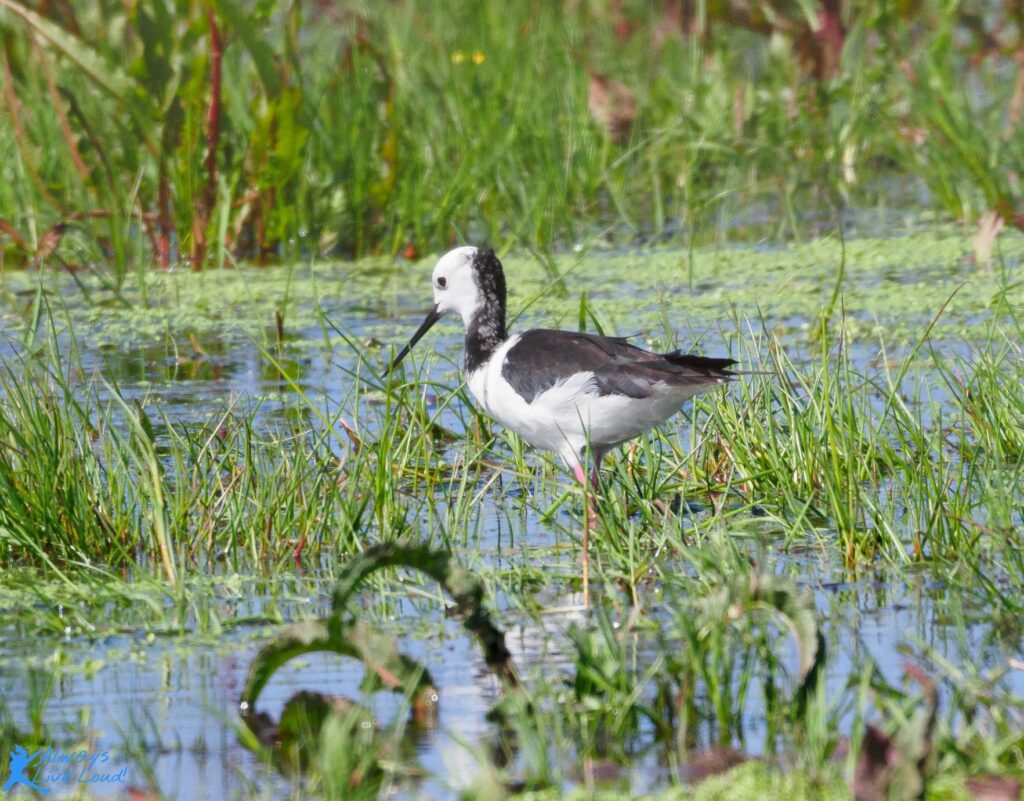
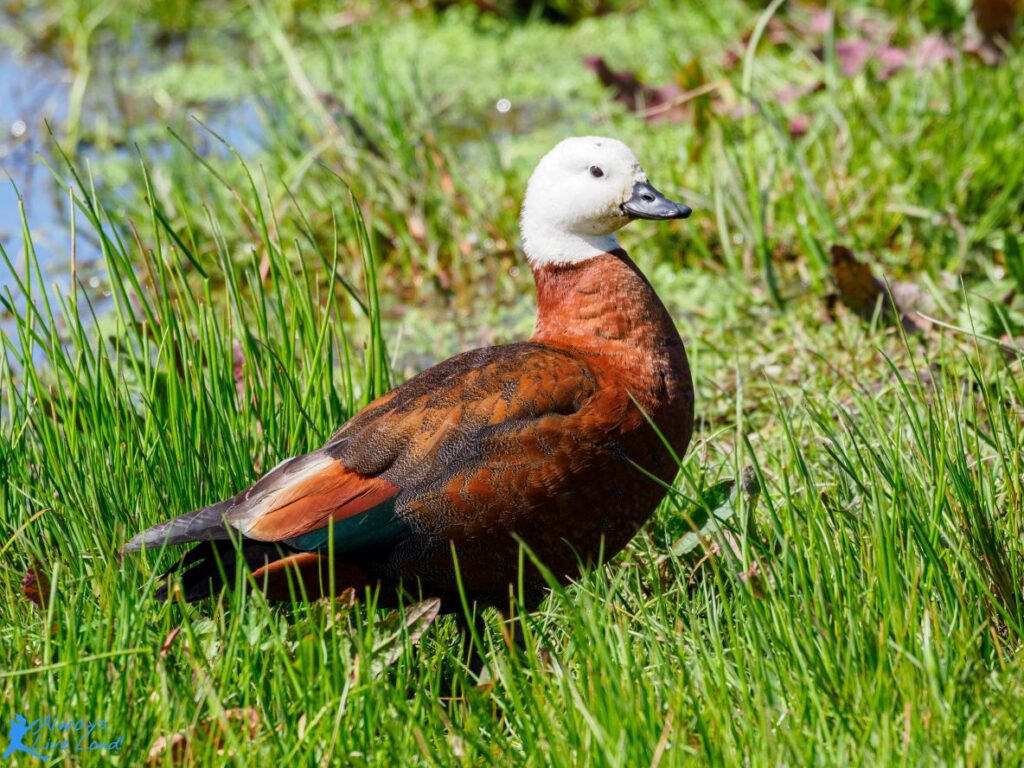
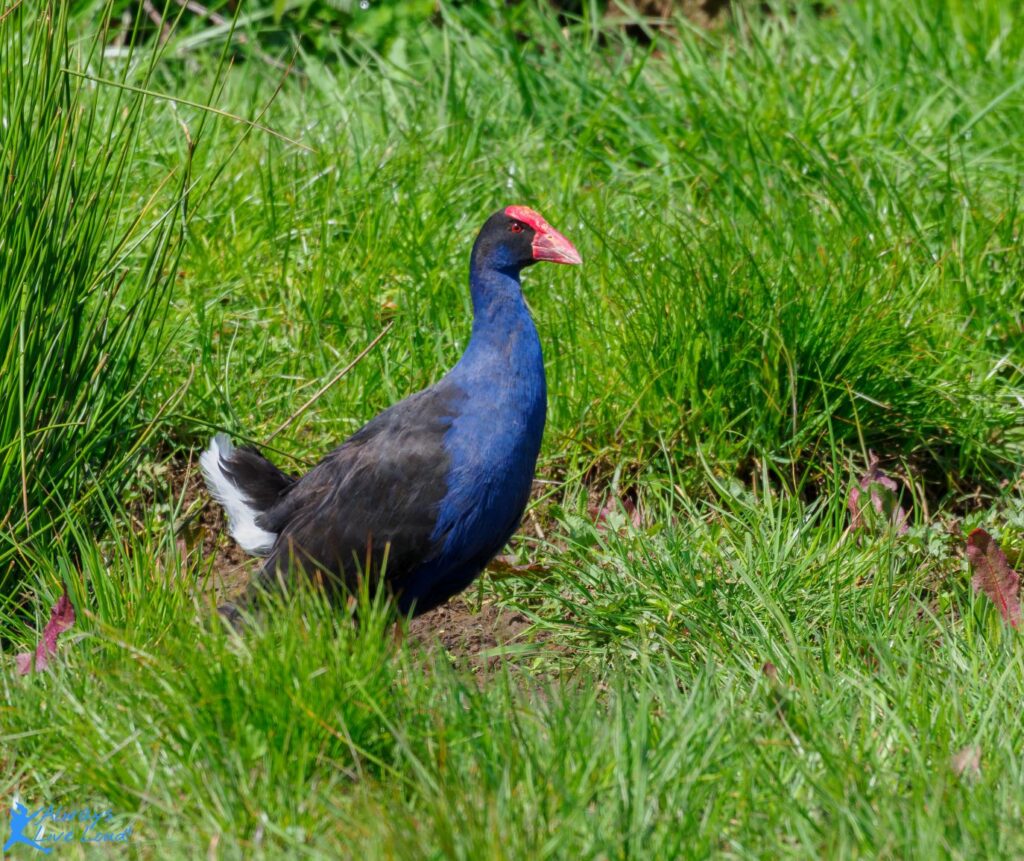
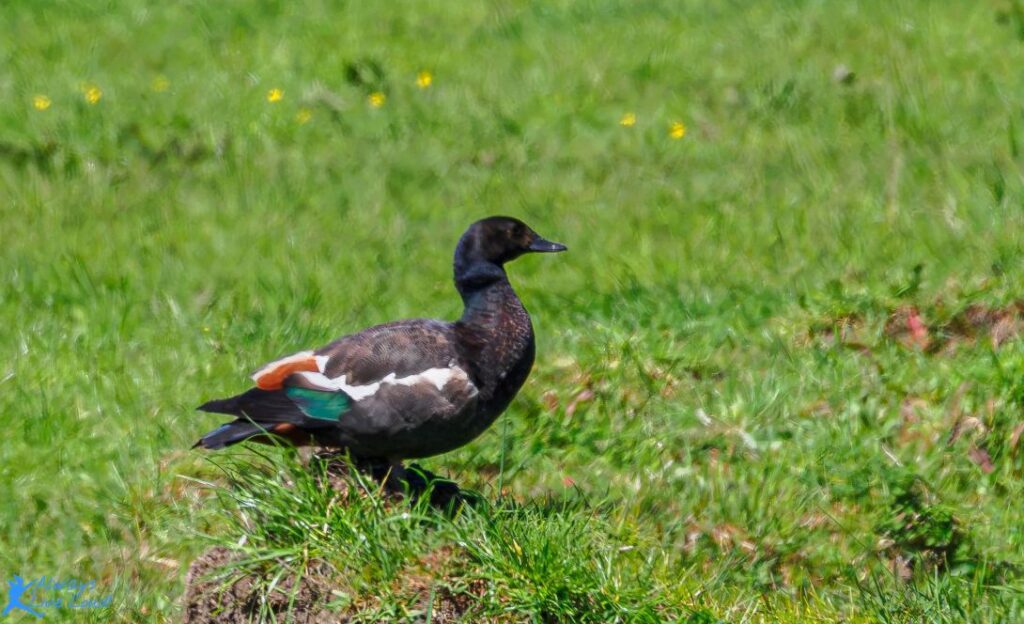
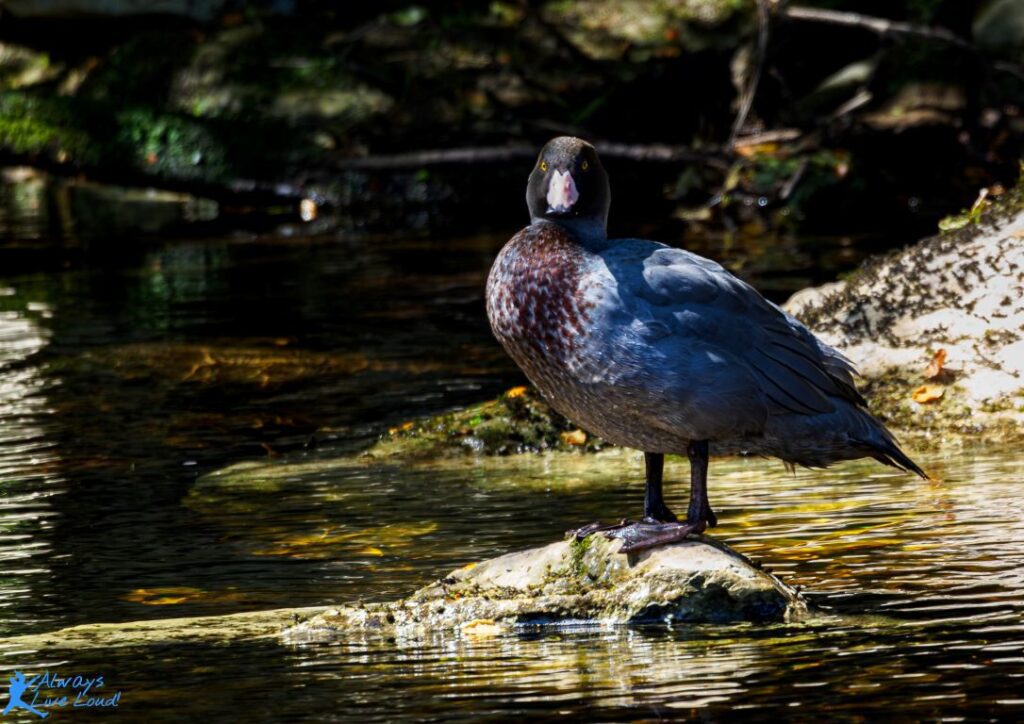
Beyond the jaw-dropping scenery, we were treated to an incredible amount of birdlife throughout the trip. Our long telephoto lenses certainly got a workout. The absolute highlight of the weekend was a stroke of pure, unadulterated luck: we spotted a whio, New Zealand’s famous blue duck. These beautiful, river-dwelling birds are exceptionally rare, highly endangered, and notoriously difficult to find. Honestly, coming across one hanging out in the rapids felt like winning the wildlife photography lottery without even buying a ticket!
The Town Center: Simple, Charming, and Tight-Knit
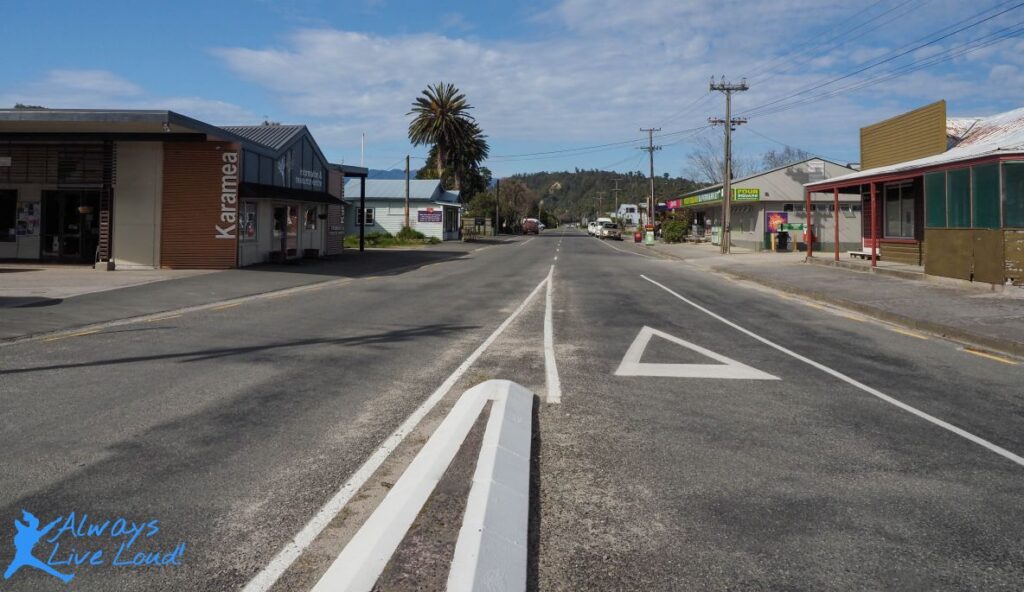
Karamea itself is a wonderfully tiny town where everything happens at a beautifully relaxed pace. The heart of the local economy centers on a handful of community staples. These include the local Four Square supermarket, a cozy general store, a local art gallery, and a couple of small shops.
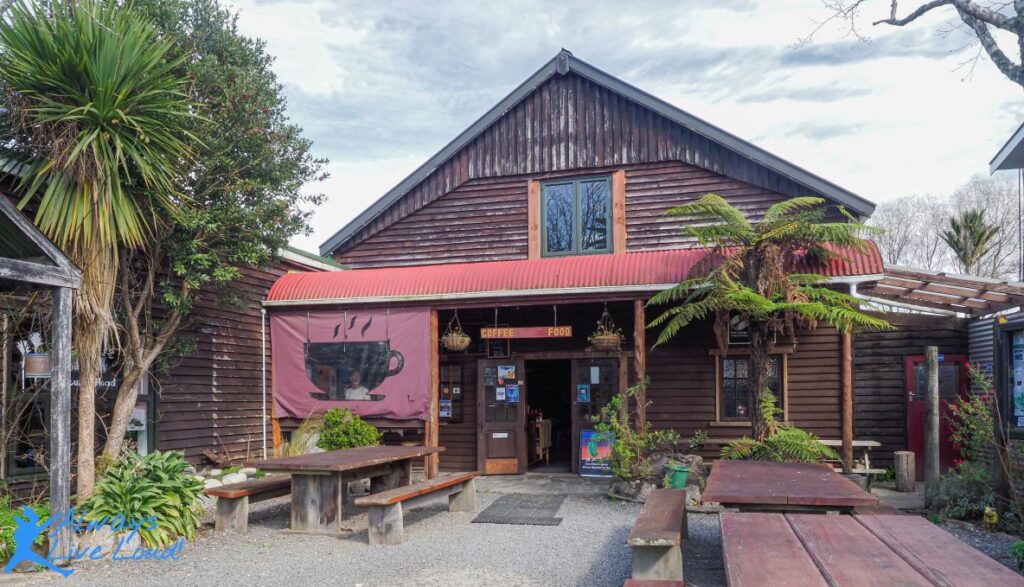
A fantastic local coffee shop sits at the center, serving the best sandwiches and fresh smoothies. It was our go-to spot to dry off, warm up, and refuel after a soggy morning of shooting.
Tucked neatly into the landscape, you’ll also pass the local museum, the fire station, a couple of historic churches, and the town cemetery. It is the kind of quiet, untouched settlement that is entirely authentic and blissfully free of traffic lights.
Meeting the “Walking Tree”
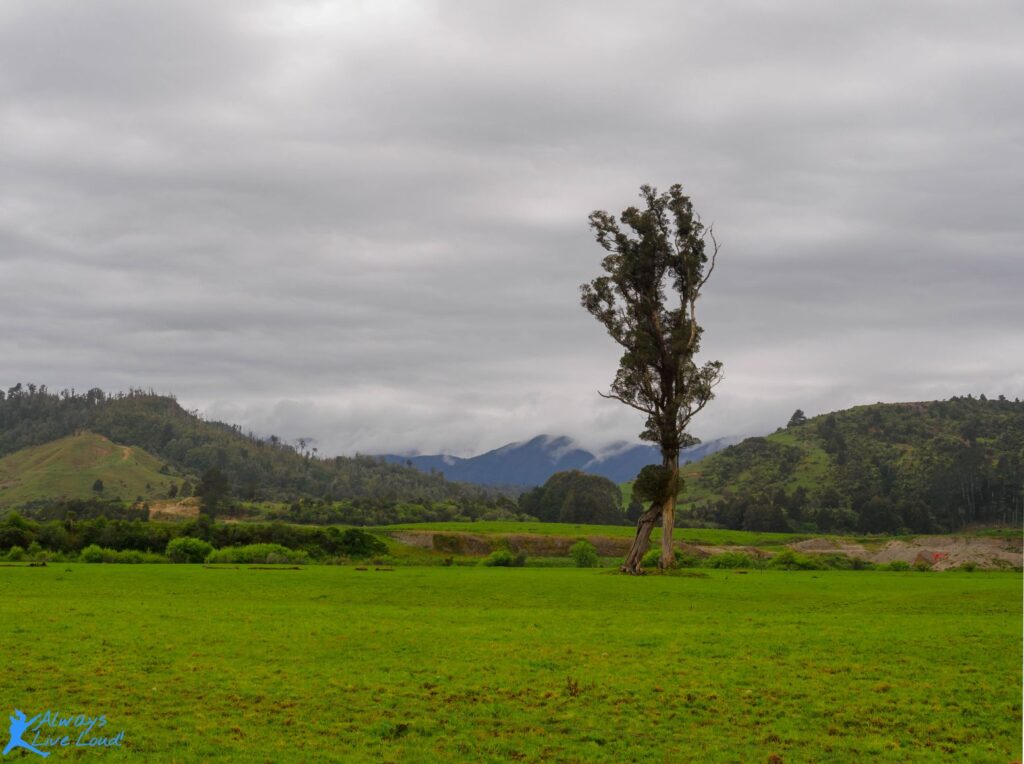
Like many small, isolated towns across New Zealand, Karamea has its own quirky, hyper-local landmark that it capitalizes on for tourism. For this town, it’s the famous “Walking Tree.” Located just a short trek away, this massive Northern Rātā looks exactly like it grew two giant, wooden legs and froze mid-stride while trying to sneak out of the forest. It’s undeniably a bit touristy, but as landscape photographers, we absolutely couldn’t resist capturing this bizarre, living sculpture.
With the town explored, here is where we spent the rest of our time chasing the wilder side of the region:
The Moria Gate Arch
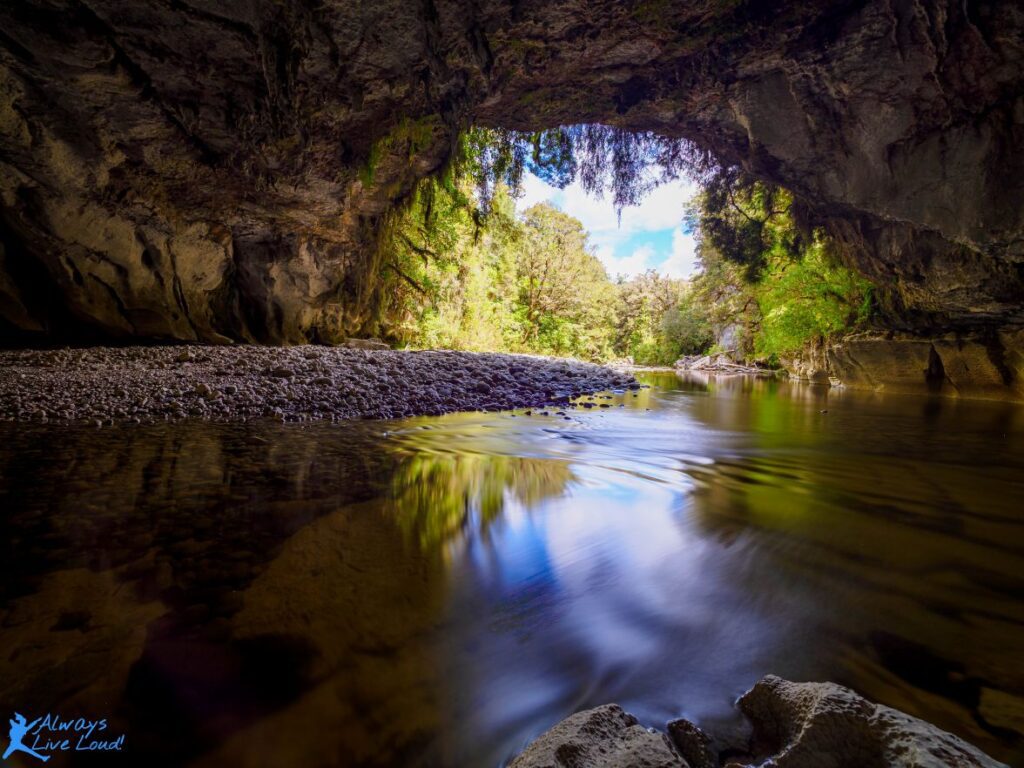
Hidden deep within the Ōpārara Basin, this spot feels straight out of a fantasy novel. You walk through lush native forest. Then, you scramble down a steep rock staircase with chains. It tests your grip. Finally, you stand before an ancient limestone arch. It spans the tea-colored waters of the Ōpārara River, stained with tannins. The moody, overcast sky only added to the cinematic drama, making the ancient rock and emerald moss pop beautifully through our lenses—and it was right around these clean, rushing river currents that we had our lucky blue duck encounter.
Little Wanganui Beach
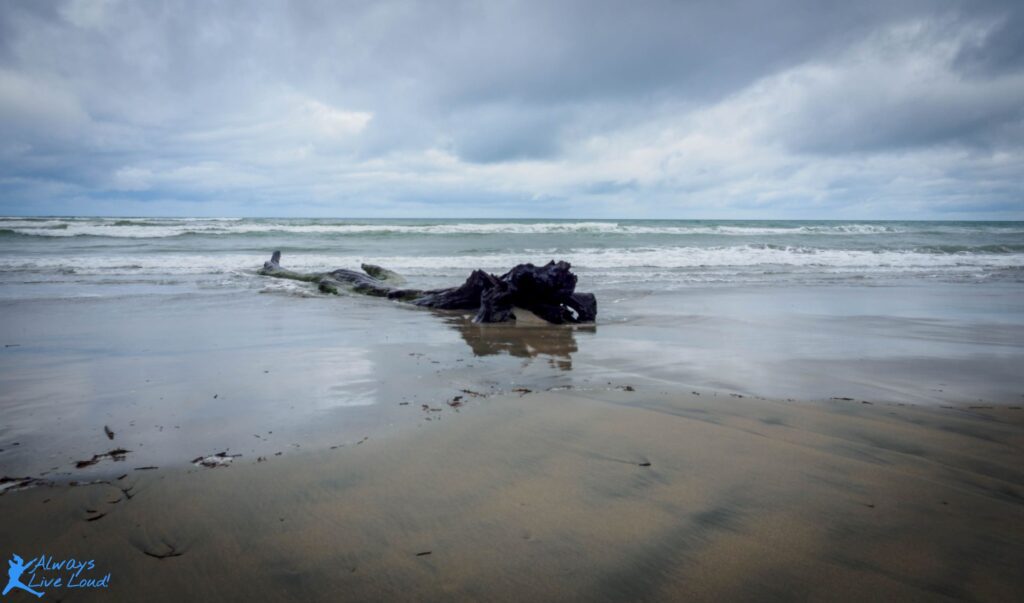
Located just south of the main township, Little Wanganui is a raw, windswept stretch of coastline where the river aggressively meets the sea. It’s a spectacular spot to capture the sheer, terrifying power of the Tasman Sea, with low-hanging sea mist hovering over the surf and dramatic driftwood scattered across the black sand like giant, forgotten natural sculptures.
Kohaihai Beach & The Nikau Palm Loop
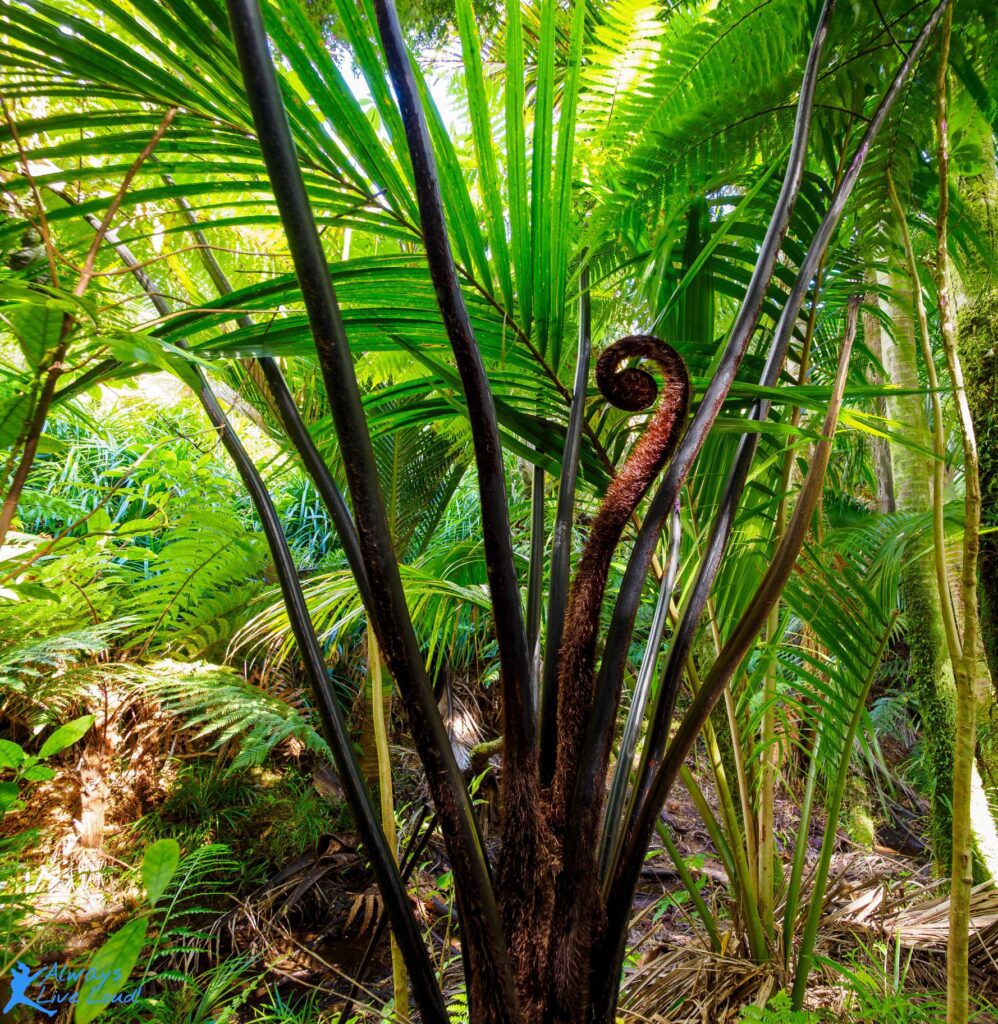
This is where the famous Heaphy Track officially begins, and it is easily one of the most visually stunning coastal spots in the country. The Nikau Palm Loop trail takes you directly through a dense grove of native nikau palms. They look entirely out of place in a temperate country, giving the entire forest a sub-tropical, dinosaur-era aesthetic. Even under heavy gray skies, the symmetry of the palm fronds against the dark, roaring backdrop of Kohaihai Beach provided incredible contrast for our landscape shots while native forest birds flitted through the canopy above, completely unbothered by the drizzle.
The Verdict: Is Karamea Worth the Journey?
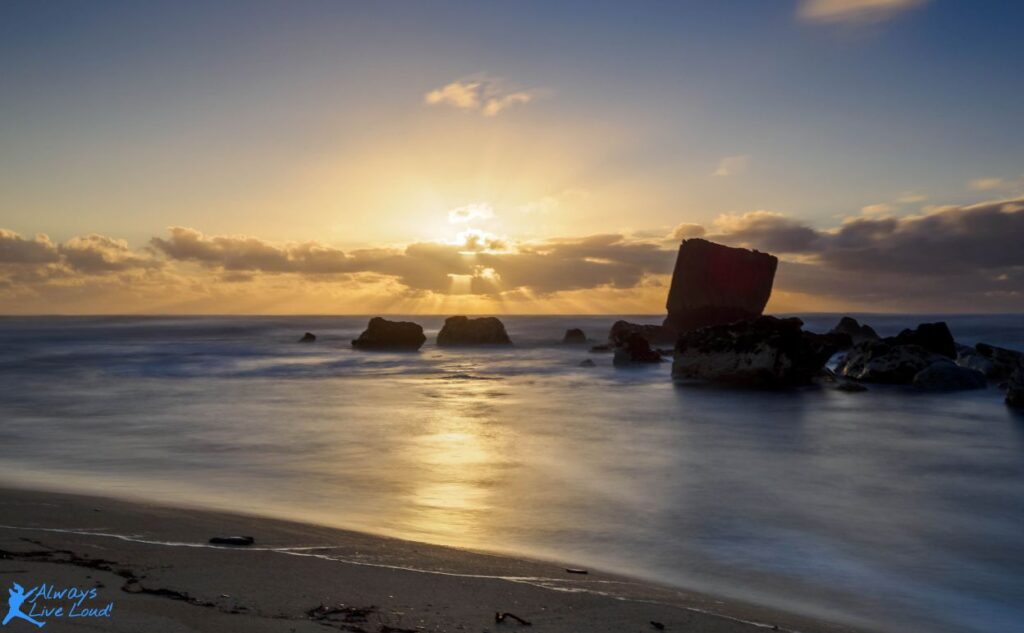
Karamea isn’t a place you stumble across by accident while looking for a petrol station; it’s a destination you choose with absolute intention. The long, winding drive back to Westport and the reality of the unpredictable West Coast weather might deter the casual tourist who melts in the rain. But for anyone who truly loves raw, prehistoric nature, that isolation is exactly what makes it a masterpiece.
Whether you are hunting for rare wildlife, framing a subtropical palm grove, or just grabbing a hot smoothie in a tight-knit town center, Karamea offers something vanishingly rare in the modern world: a genuine sense of frontier adventure. If you have the time, pack your camera, buy a waterproof jacket, and drive until the road literally runs out. You won’t regret it.