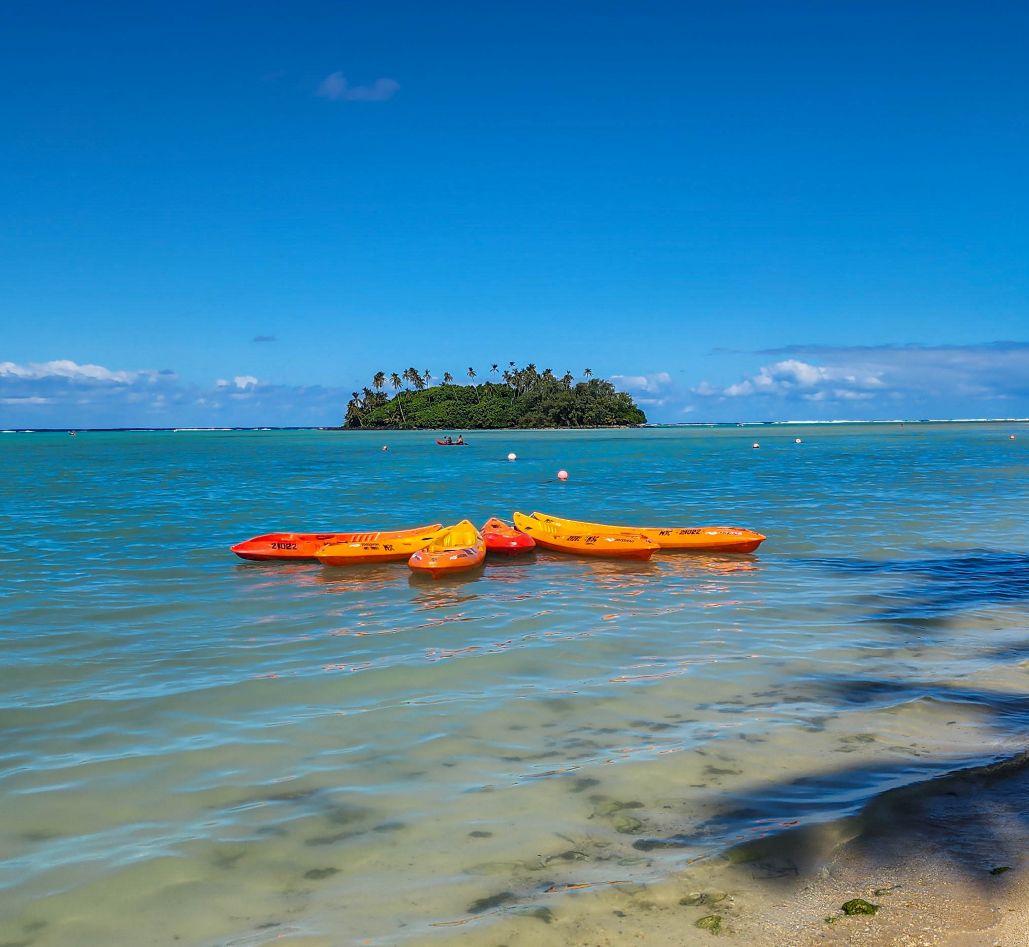
What is it that makes New Zealand so appealing?
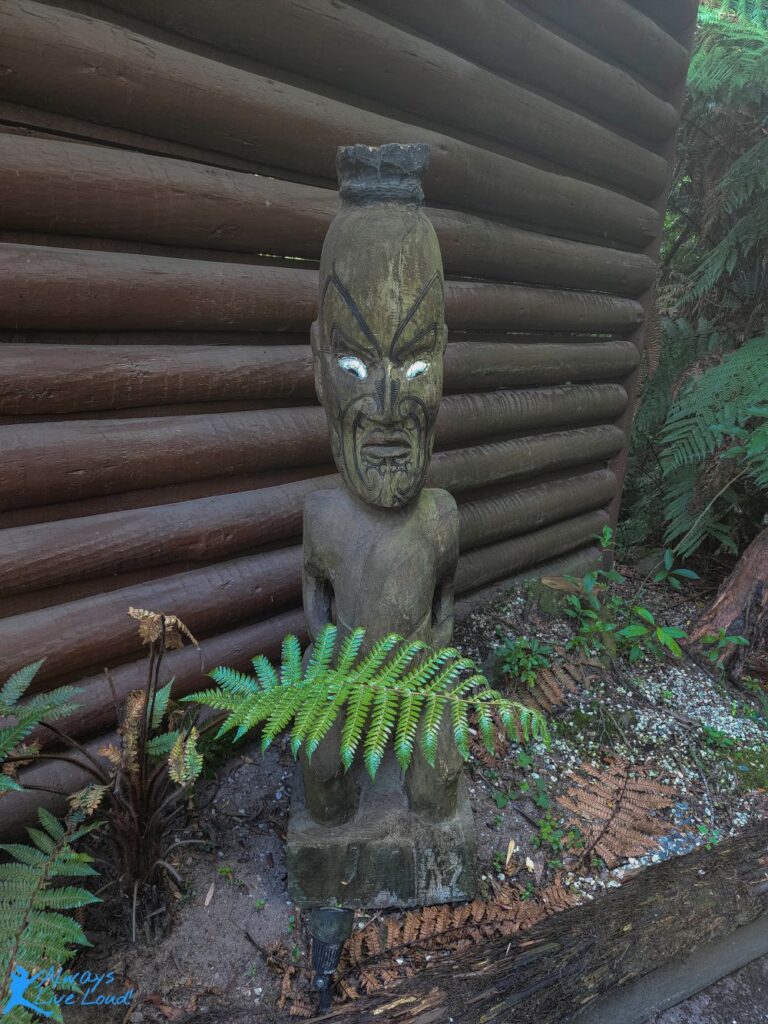
This is a question I’ve been excited to explore, especially after spending four wonderful years here. I’ve come to appreciate the charm that draws tourists and those seeking a long-term home. The stunning landscapes, the rich Māori culture, and the modern way of life all contribute to a truly special experience.
My journey as a new resident has been a mix of excitement and some unexpected challenges. I was over the moon about moving to this incredible destination, but I soon realized that some of my expectations—shaped by glossy travel brochures and tales from well-traveled friends—didn’t quite match reality. Adjusting to a new culture, managing the cost of living, and sometimes feeling a bit isolated from the rest of the world were hurdles I hadn’t anticipated.
I’m looking forward to sharing both the enchanting aspects of New Zealand and the real-life challenges of living here, hoping it paints a balanced picture of this fantastic place!
The Popular Reasons
Adventure sports are a big part of what makes New Zealand so exciting! Whether it’s bungee jumping off the famous Kawarau Bridge in Queenstown, hiking through the stunning landscapes of the Tongariro Alpine Crossing, or hitting the slopes of the Southern Alps for some skiing, there’s an adventure waiting for everyone.

Nature lovers will also be thrilled by the unique wildlife here, including the beloved kiwi and the adorable kakapo.
New Zealand is known for its fantastic quality of life, and you can see why!
The clean and green environment speaks volumes about our commitment to sustainability, with many efforts focused on renewable energy and conservation programs. Plus, there are countless outdoor activities to enjoy, encouraging everyone to lead an active lifestyle and soak up the beauty of nature.
Many people find New Zealand to be a safe and welcoming place to call home. With a laid-back lifestyle and friendly communities, it’s no wonder families choose to settle here to raise their children in such a nurturing environment.
The Other Side of the Coin
Just like any place in the world, New Zealand has its ups and downs. While it’s a beautiful country, there are a few challenges to keep in mind. The cost of living can be quite high, and being a bit isolated means traveling to other countries can also get pricey. Plus, certain job markets can be limited. On top of that, public transportation might not always meet your needs, internet quality can vary, and there are some environmental issues, like waterway pollution from agriculture.
Economic and cost-related issues
If you come here on vacation, the cost of living may seem quite different since you’re only spending a short time and then heading home. You get to enjoy all the incredible highlights of the country! However, if you decide to move here, things change a bit. It’s a whole new adventure!
High Cost of Living
Living in New Zealand is expensive. The groceries can get pricey. Locally grown produce in New Zealand is often not cheaper than imported produce due to factors like high domestic labor costs, the high cost of importing farming inputs, a lack of farming subsidies, and the smaller scale of the New Zealand market compared to other countries.

Conversely, imported produce can be cheaper for New Zealand consumers due to these factors, even with the added cost of international shipping.
Utility expenses can add up quickly, especially if you’re living in an older home with outdated windows and structure. These houses often lack proper insulation, which means they can take a considerable amount of time to warm up in the winter. On the other hand, newer homes are built with modern standards in mind, but they might still have only partial insulation.
Buying a house is probably one of the biggest investments you’ll make, and the country’s isolation means that many materials must be imported, which can drive up costs. Plus, the mortgage system here is quite different from what you might find in the U.S. or Europe, and I have to say, the entire home-buying process can feel a bit overwhelming—almost like a banking scam at times! That’s why I think renting might be an excellent choice for many people.
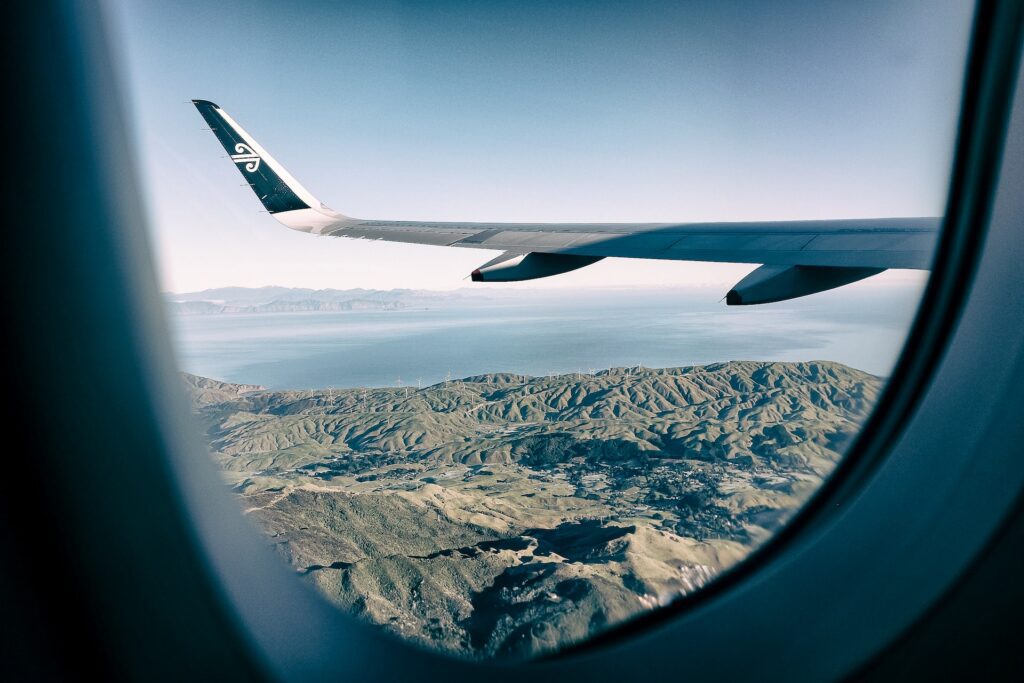
Expensive Travel
Traveling to and from New Zealand can be quite expensive because of its isolated position in the southwestern Pacific Ocean. The considerable distance from major international airports and the limited number of direct flights contribute to higher airfare costs. Additionally, travelers often face extended travel times and potential layovers, which can make the overall journey more costly and time-consuming.
Limited Job Opportunity

The job market can feel a bit restrictive, especially for those looking for factory and specialized roles, with many opportunities limited to certain industries in the area. Plus, salaries for these positions are often lower compared to countries like Australia or the United States, where the compensation packages tend to be more competitive and the labor conditions are generally better. It’s important to keep in mind that there’s quite a difference between wages and the cost of living.
Recently, New Zealand has faced economic challenges, prompting many Kiwis to seek better opportunities abroad. In fact, around 126,400 people have left the country, which is a 10% increase from last year.
What’s particularly concerning is the number of New Zealand citizens leaving; in the year leading up to September 2025, about 72,700 Kiwis decided to move away, resulting in a net loss of about 46,400. It’s a tough situation, but many are hoping for brighter prospects ahead!
Infrastructure and daily life
Poor Public Transportation
Many people find the public transportation system challenging to use. Factors such as unreliable service, infrequent schedules, and limited coverage can make it challenging for residents to access essential services and commute smoothly.
Internet Quality
Over the last decade, internet quality has significantly improved. It’s surprising to think that less than 10 years ago, many still relied on dial-up connections. In major cities, the internet service is decent. However, during storms, I sometimes experience issues with my connection.
In contrast, outside of urban areas, internet speeds can be slow and connectivity may even be nonexistent.
Environmental issues
New Zealand, often celebrated for its clean reputation, is currently grappling with significant pollution challenges in its rivers and waterways, largely driven by intensive agricultural practices and rapid urban development.
In urban settings, the expansion of impermeable surfaces increases runoff, which introduces various pollutants, including heavy metals, oils, and sewage, into rivers. The accumulation of these contaminants poses a threat to aquatic ecosystems, endangers wildlife, and compromises the safety of drinking water for local residents.
Water quality reports indicate that a considerable number of rivers throughout the country, including those in the South Island, are affected by pollution. A government study has revealed that nearly 60 percent of New Zealand’s rivers exceed acceptable pollution levels. In contrast, about 45% of the total river length is unsuitable for swimming due to concerns about bacterial infections.
Geographic and social factors
Isolation
New Zealand is located in the southwestern Pacific Ocean, making it geographically remote from many major global destinations. The considerable distance from key international hubs means that flights to and from the country can be quite expensive, often requiring long layovers and multiple connections. As a result, travel to and from New Zealand can become a considerable investment of both time and money.
Slow pace life
I appreciate the quietness of New Zealand; it’s one of its positive features. The slower pace of life allows me to connect with others, nature, and myself, which is now essential to my life. That said, some individuals may find the peace too serene, particularly if they are accustomed to a more lively atmosphere.
Challenging to Make Friends
Many New Zealanders have established friendships that develop over long periods, often beginning in school or at work. As a result, they tend to have a lower tolerance for intimacy in the early stages of friendship, which means it takes longer for them to form deep connections with new people. Kiwis often exhibit a “small town mentality,” reflecting a subconscious reluctance to change their social dynamics. This can lead to perceptions that they are “hard to crack” or unwilling to include newcomers in their social circles.
New Zealanders tend to prefer organized social events, making it difficult for them to accept last-minute invitations. This preference can reduce the spontaneity of genuine moments, turning them into meticulously planned affairs.