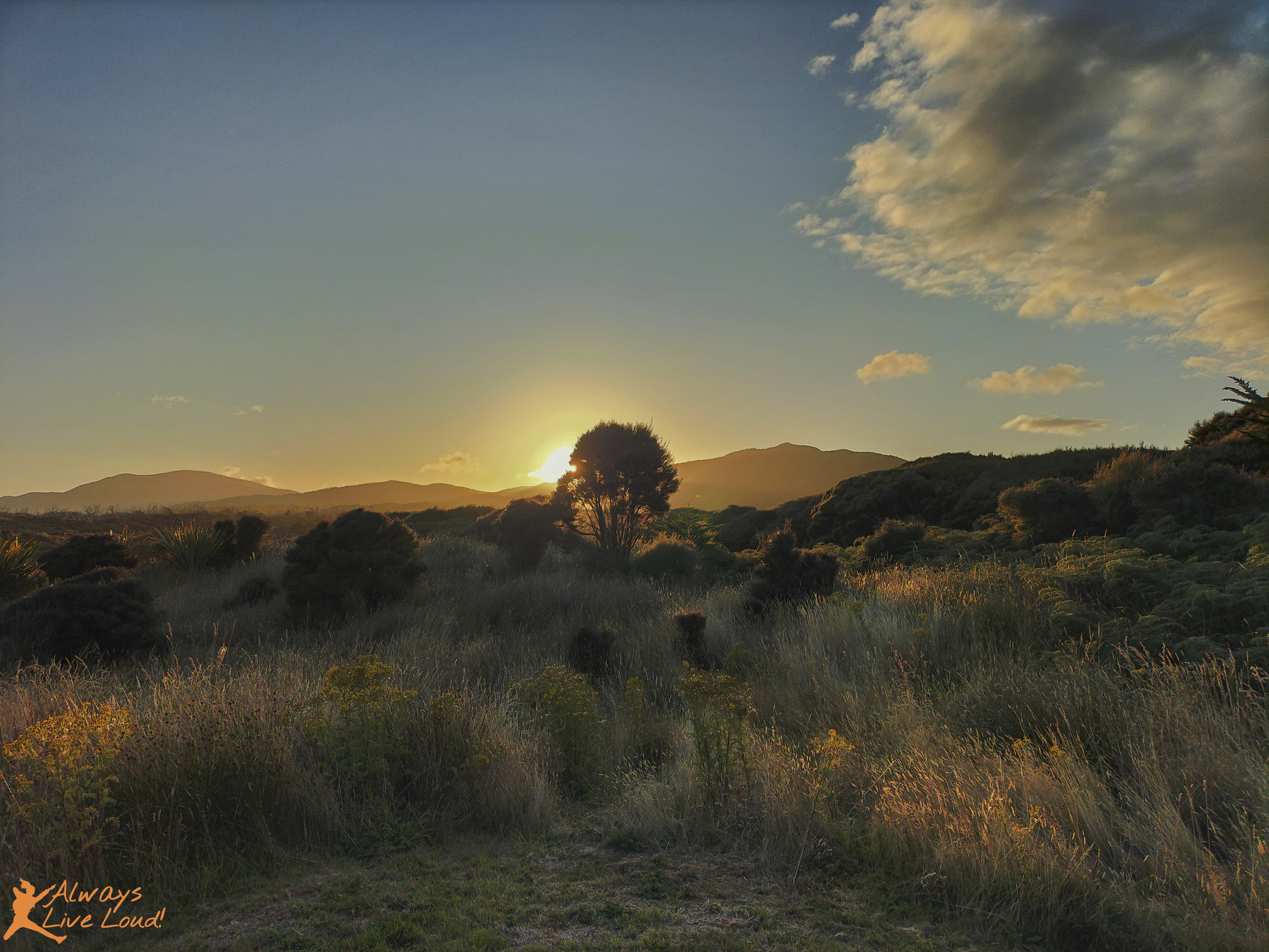
On the western side of Rarotonga, the majestic mountain Raemaru stood, renowned as the tallest in the region. Its towering presence cast a generous shadow over the village at dawn. It allowing the villagers to enjoy a little extra sleep. This unique advantage made Maru a source of admiration and envy among neighboring villages.
The fame of Maru eventually reached Aitutaki. The chiefs Vaeruarangi and Tamatoa were inspired by the stories of this remarkable mountain. Eager to experience its wonders for themselves, they gathered their strongest warriors. With crafted large canoes, and prepared their tools for the journey to Rarotonga. After offering prayers to their god Rongo, the Aitutaki warriors set sail, arriving at Rarotonga under the cover of night. With determination, they began to remove pieces of the mountain.
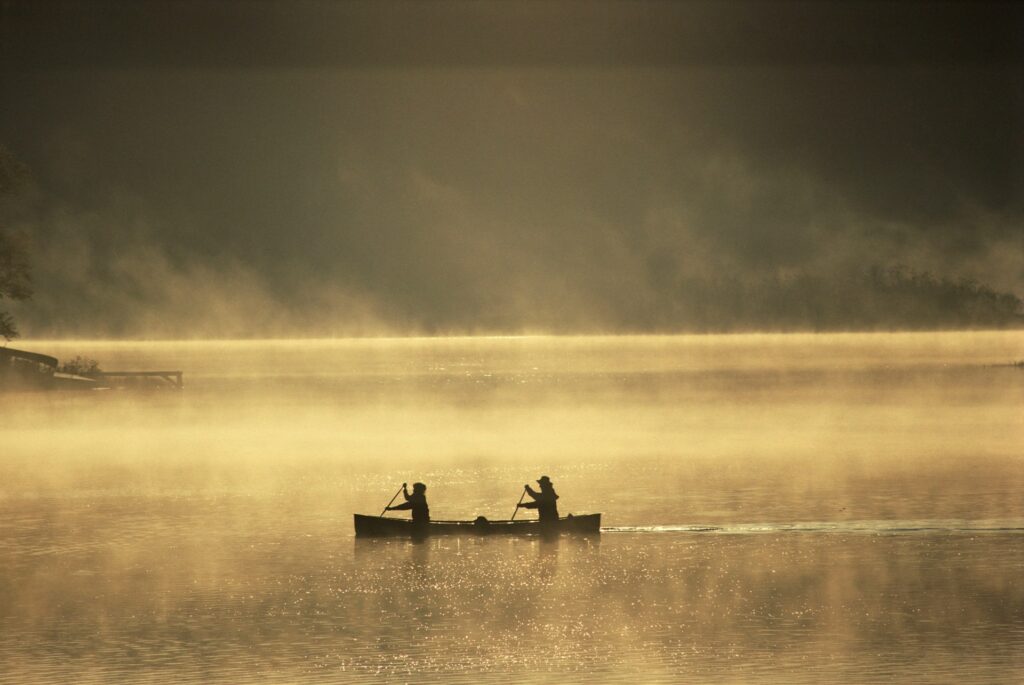
Unbeknownst to the Puaikura people, who were fast asleep, the warriors worked efficiently to load the mountain’s sections onto their canoes. When the Puaikura warriors discovered the theft, they sprang into action, but despite their best efforts, the Aitutakians managed to evade capture, paddling swiftly away until they disappeared from view.
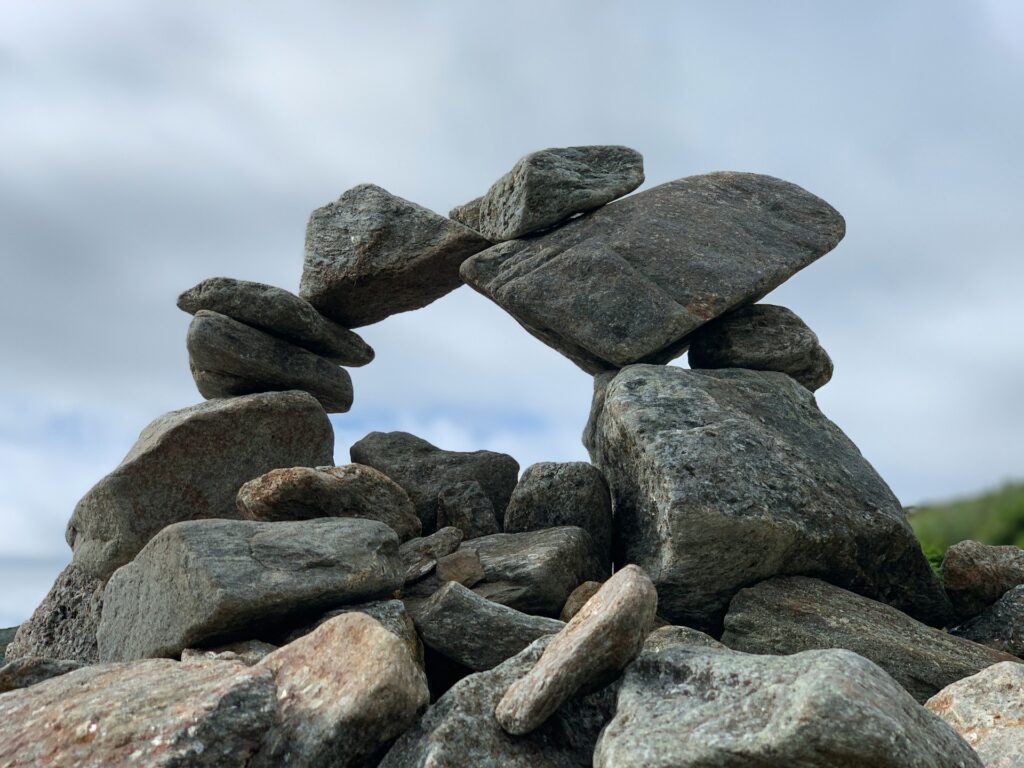
Four days later, the Aitutakians returned to their village of Amuri, where they positioned the pieces of Maru. Unfortunately, the mountain had lost several sections during the journey, transforming it into a hill, which they chose to rename Maunga Pu, meaning “top of the mountain.”
Meanwhile, the Puaikura people, initially determined to reclaim their mountain, recognized the unexpected benefits of waking up early. They found that their early starts allowed them to catch better fish at dawn. Embracing this newfound perspective, they decided to abandon their quest for Maru and adapt to their life with the shorter hill, turning a challenging situation into an opportunity for growth and resilience.