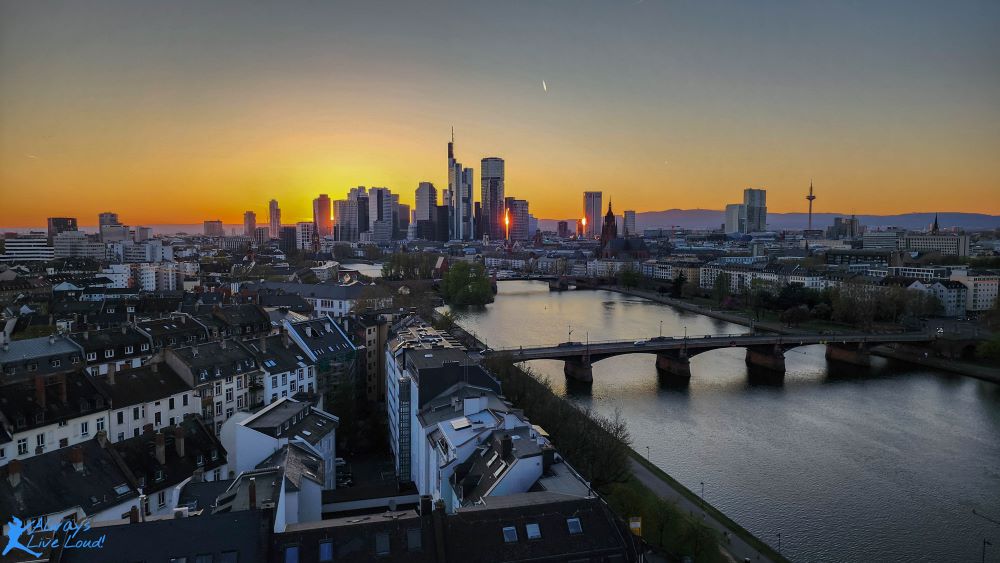
Frankfurt proudly refers to itself as “the smallest metropolis in the world,” a description that often surprises first-time visitors.
Upon arriving, many find themselves remarking, “What a charming small town!”
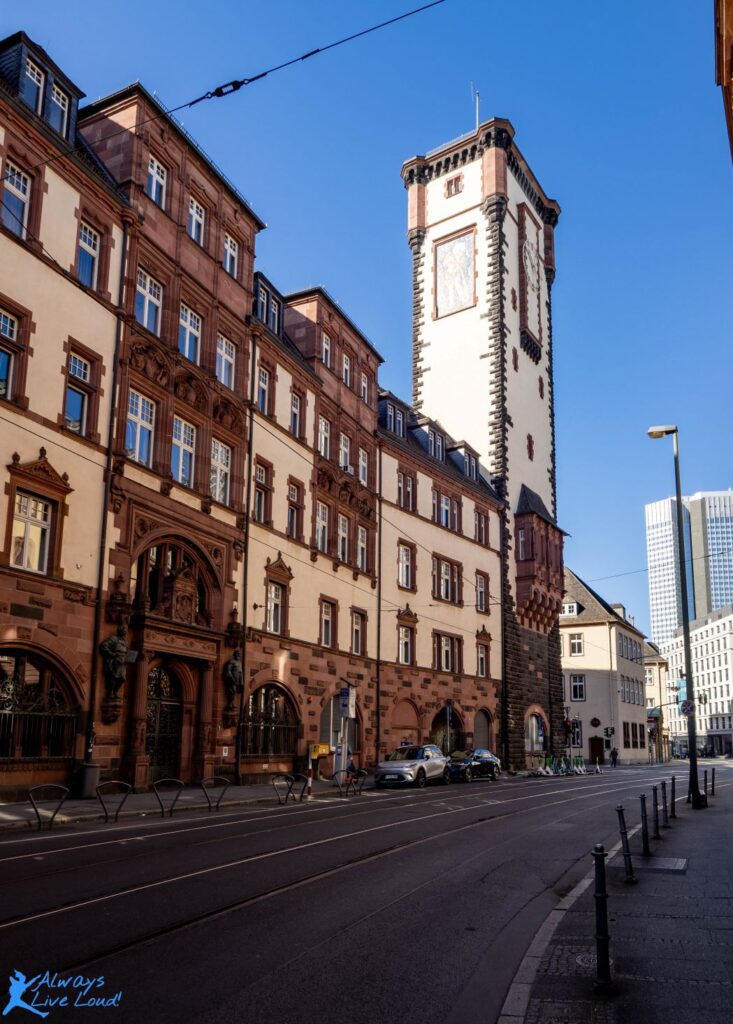
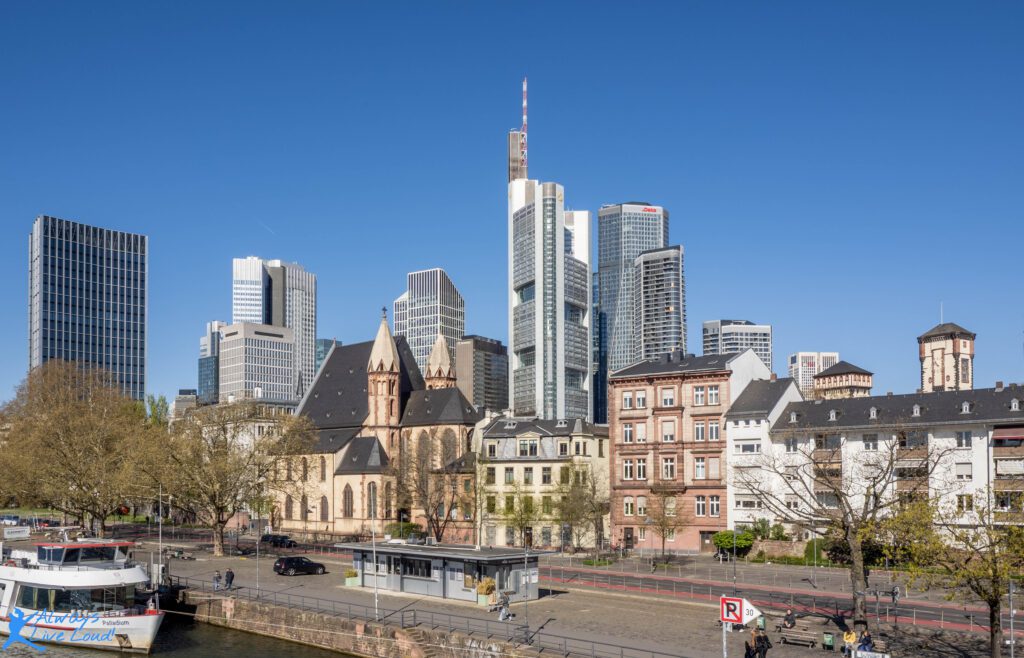
Despite being home to 750,000 residents, Frankfurt represents only about one-tenth of the total population of Hesse, contributing to its unique blend of urban energy and small-town feel.
It is commonly known as “Mainhattan” because of its striking skyline filled with skyscrapers, particularly the Commerzbank Tower, the tallest office building in Europe. It has the third-highest skyscrapers in Europe, after London and Moscow.
The nickname reflects the city’s location along the River Main and the similarity of its skyline to that of Manhattan in New York City.
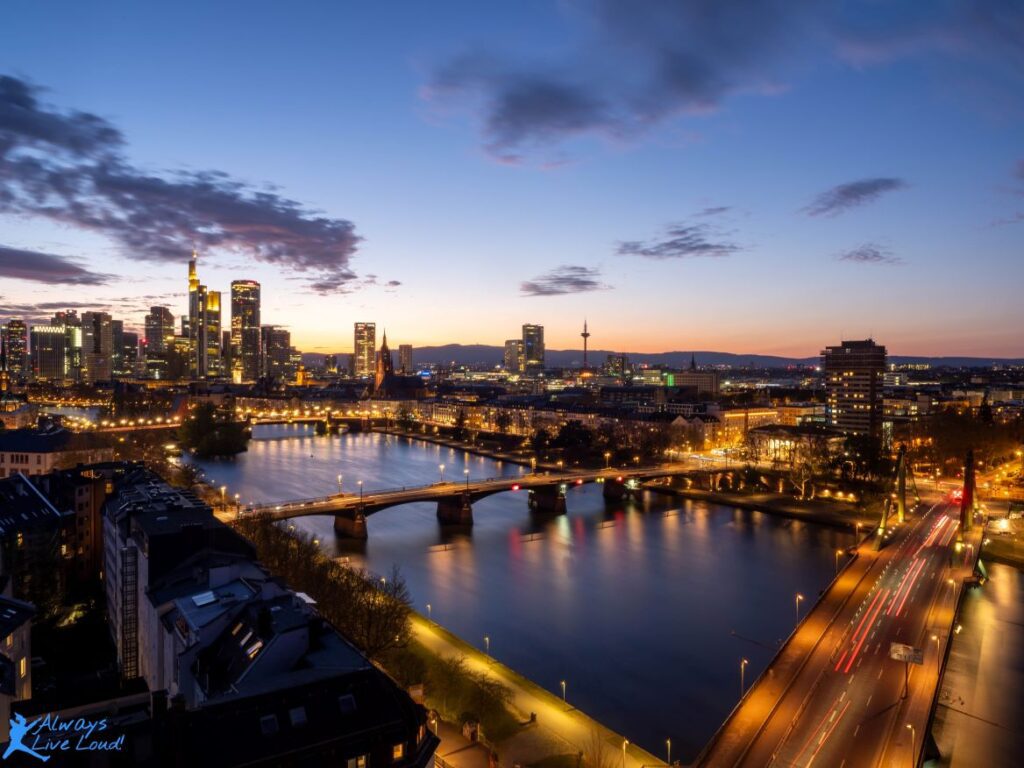
Notable attractions that draw visitors include the renowned Frankfurt Book Fair, the picturesque Römerberg Square with its charming medieval buildings, the Goethe House, and the captivating Museumsufer, a stunning riverside stretch lined with world-class museums.
The city also boasts a dynamic culinary landscape, where you can savor its iconic “Frankfurter” sausages and explore the bustling Kleinmarkthalle, a market brimming with fresh produce, local delicacies, and international flavors.
With such an array of cultural offerings, experiencing everything Frankfurt offers can be daunting in just one day. However, if you find yourself on a long layover or Frankfurt is included in your road trip across Germany, here’s a guide to make the most of your day in this captivating city.
Opera house in Frankfurt
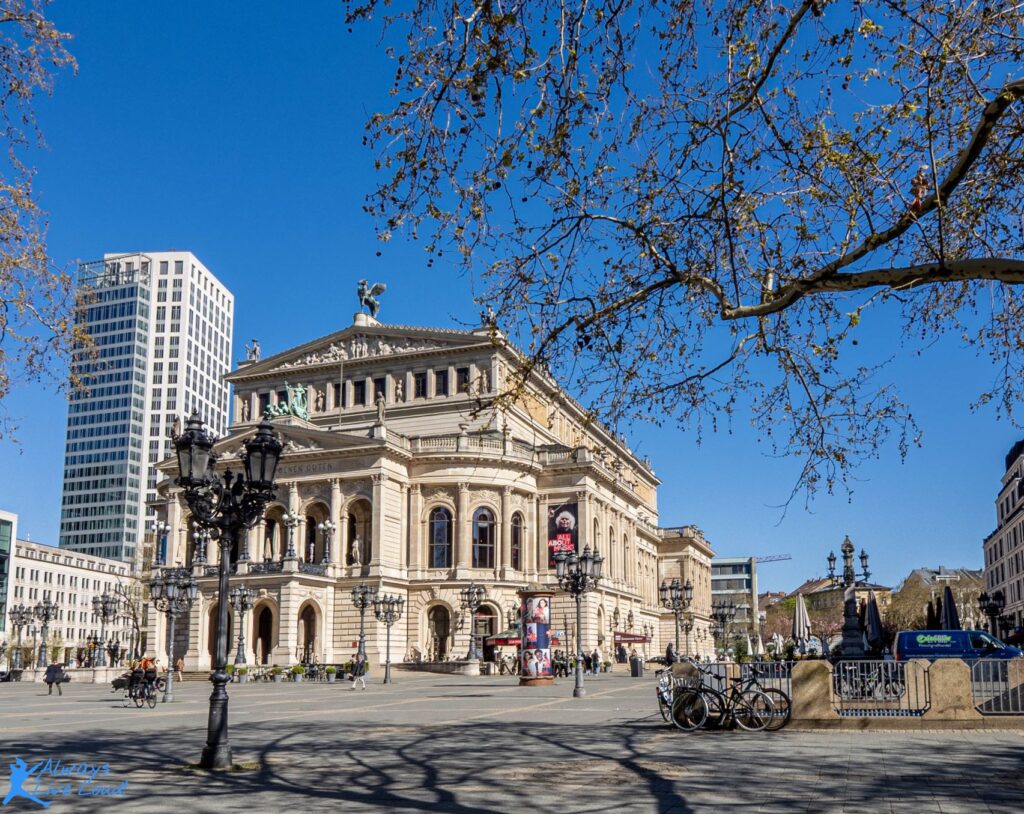
This stunning building, designed in the Neo-Renaissance style, was originally constructed as the city’s opera house in 1880. Unfortunately, it was destroyed by bombs in 1944.
In the 1970s, the Alte Oper was faithfully restored to its original design and transformed into a concert hall. To access the building, you will need to purchase tickets for guided tours. However, you can freely visit the square in front of the building, known as Opera Square, which is beautifully designed. Here, you can appreciate the architecture and enjoy a variety of eateries and shops.
Römerberg
Frankfurt’s New Old Town is a major attraction for everyone.
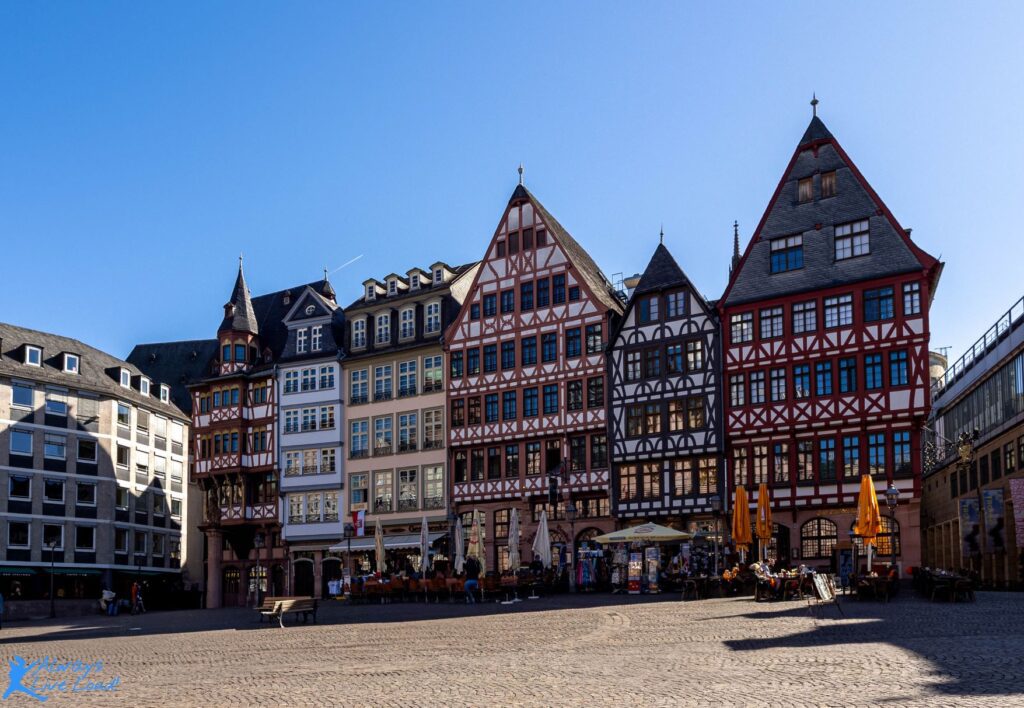
Since the 9th century, Römerberg, which was initially known as Samstagsberg. It has played a significant role in the cultural and historical tapestry of the region. This central square in Frankfurt has hosted various important events, including vibrant markets where traders gathered to sell goods. It also lively fairs celebrating local traditions, and thrilling tournaments showcasing chivalric competitions. Additionally, Römerberg has been a focal point for festivals that brought the community together in celebration.
Historically, it also served as the site for solemn executions, casting a stark contrast to its festive activities. Moreover, the square has hosted imperial elections. This is where critical political figures were chosen, and coronations marked the ascension of new leaders. This rich history makes Römerberg not just a geographical landmark but a symbol of the enduring legacy of the region’s past.
You can also find the Römer and the Old St. Nicholas Church in this square.
The Römer
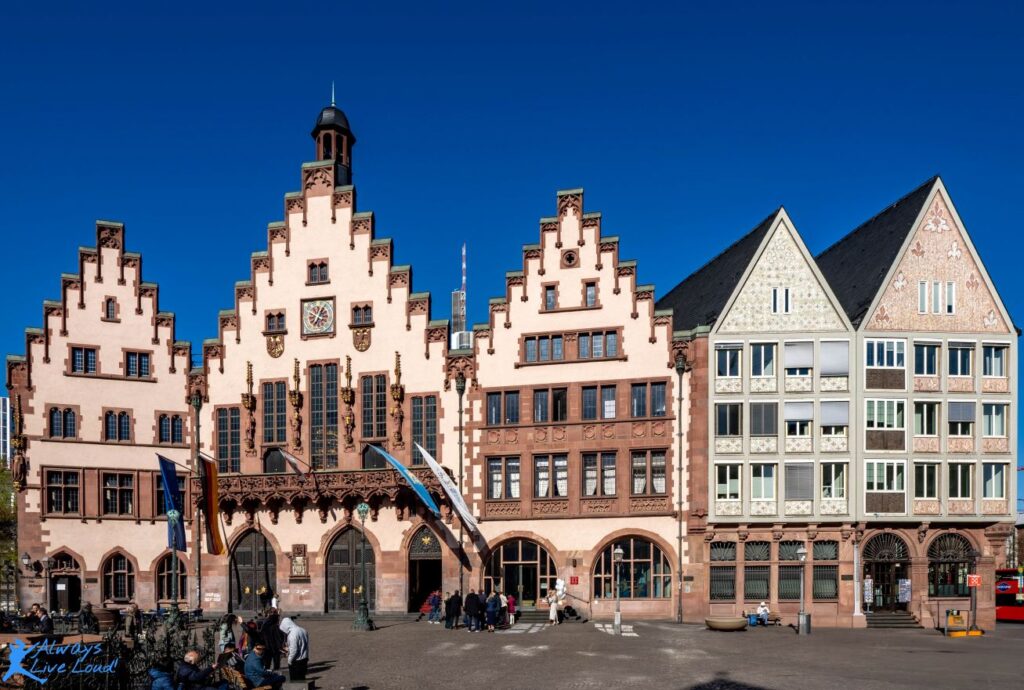
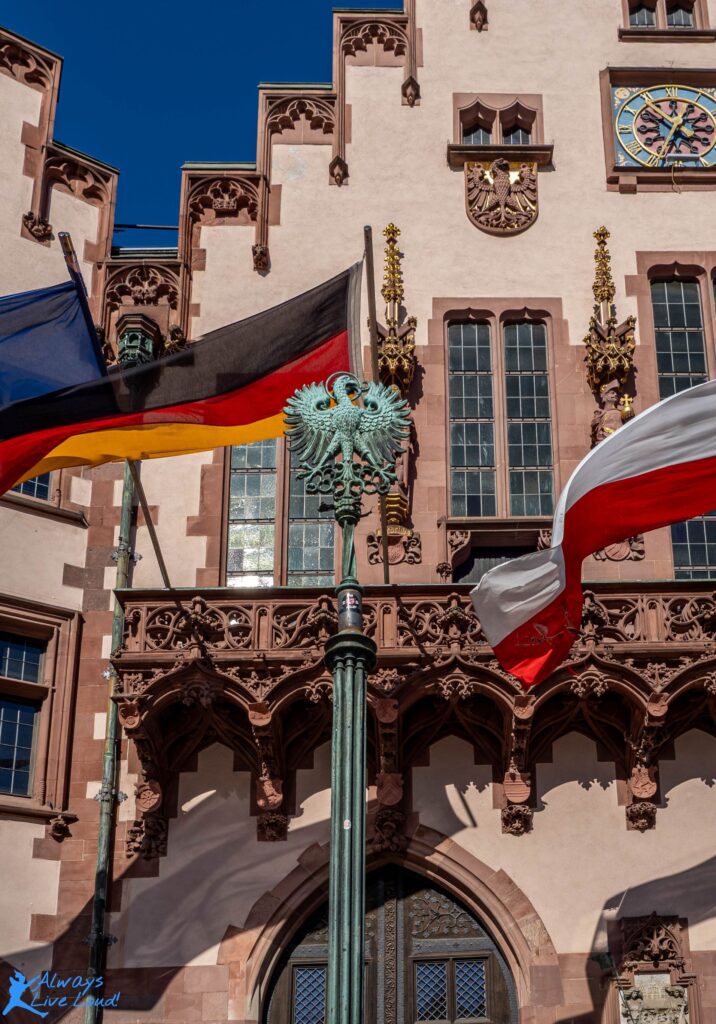
The Römer is a stunning medieval building renowned for its unique architectural style and rich history.
For over 600 years, it has served as the city hall (Rathaus). It played a pivotal role in local governance and civic life.
Initially constructed in the 14th century, the Römer features a distinctive façade with three adjoining gabled houses. Each one of these houses contributing to its iconic appearance. Its function as a city hall has made it a center for critical political events, ceremonies, and celebrations, solidifying its status as a symbol of Frankfurt’s heritage and identity.
Visitors frequently admire the building’s intricate details and the charming Römerberg square, which enhances its historical significance.
The Old St. Nicholas Church
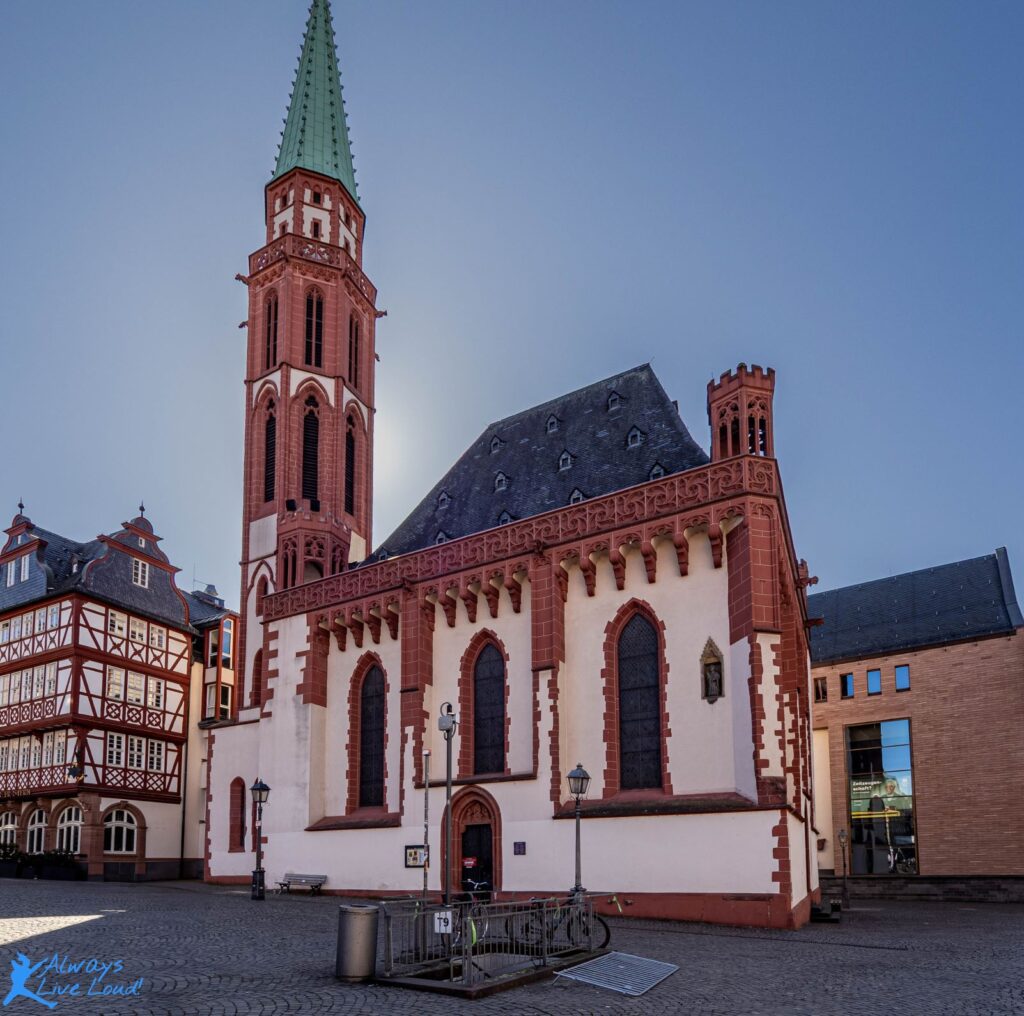
The Church is a beautifully preserved medieval Lutheran church that boasts an intriguing legend.
This legend revolves around Saint Nicholas, a miracle worker. He was celebrated for his extraordinary deeds, including the revival of children and the rescue of sailors from treacherous seas.
Visiting this church provides an excellent opportunity to explore its rich history and experience the sense of wonder it has to offer!
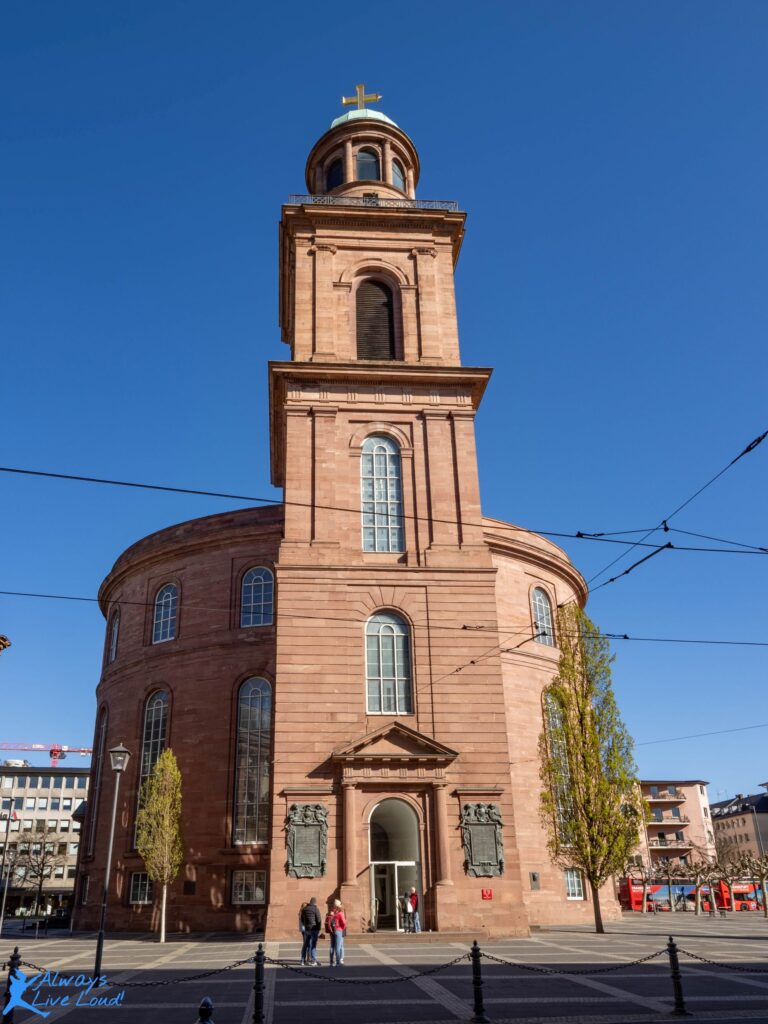
St. Paul’s Church
The Church is a beautiful historic building that serves as an exhibition space and a memorial.
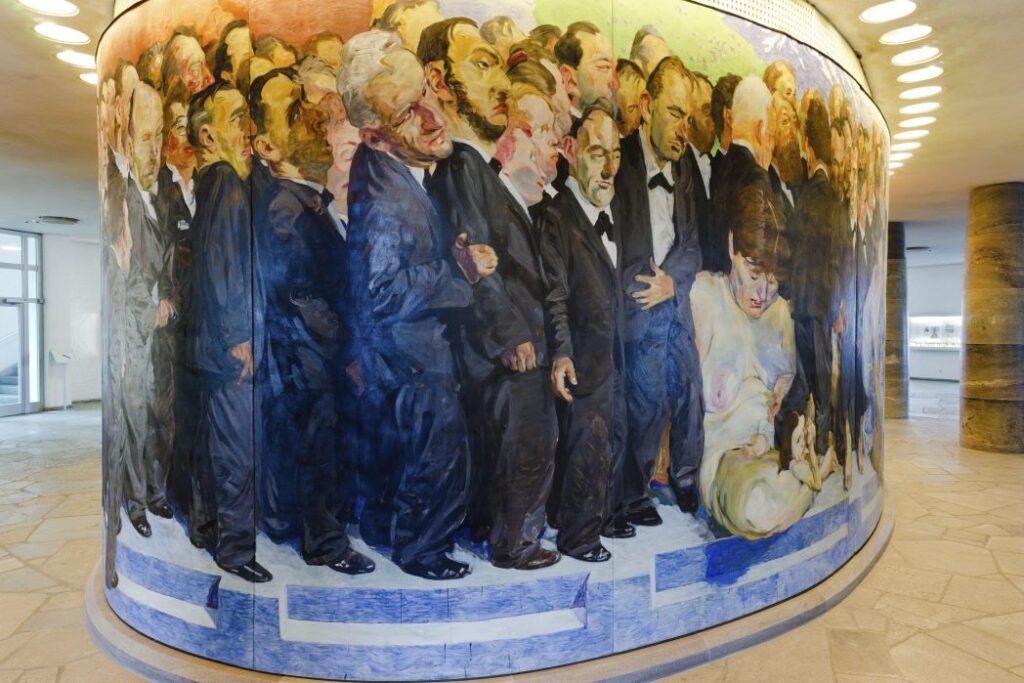
On the central wall of the ground floor, a striking mural by the talented Berlin artist Johannes Grützke thoughtfully illustrates the Assembly marching toward the church.
Constructed in the 18th century, it originally served as a monastery before transforming into a Protestant Lutheran church. The church is famous for being the location of Germany’s first democratic parliament in 1848.
Today, St. Paul’s Church is an important symbol of German democracy.
It attracts visitors who want to explore and reflect on history.
The exhibitions focus on the church’s past and the growth of democratic ideas in Germany.
Entry to the church is free.
St. Bartholomew Cathedral
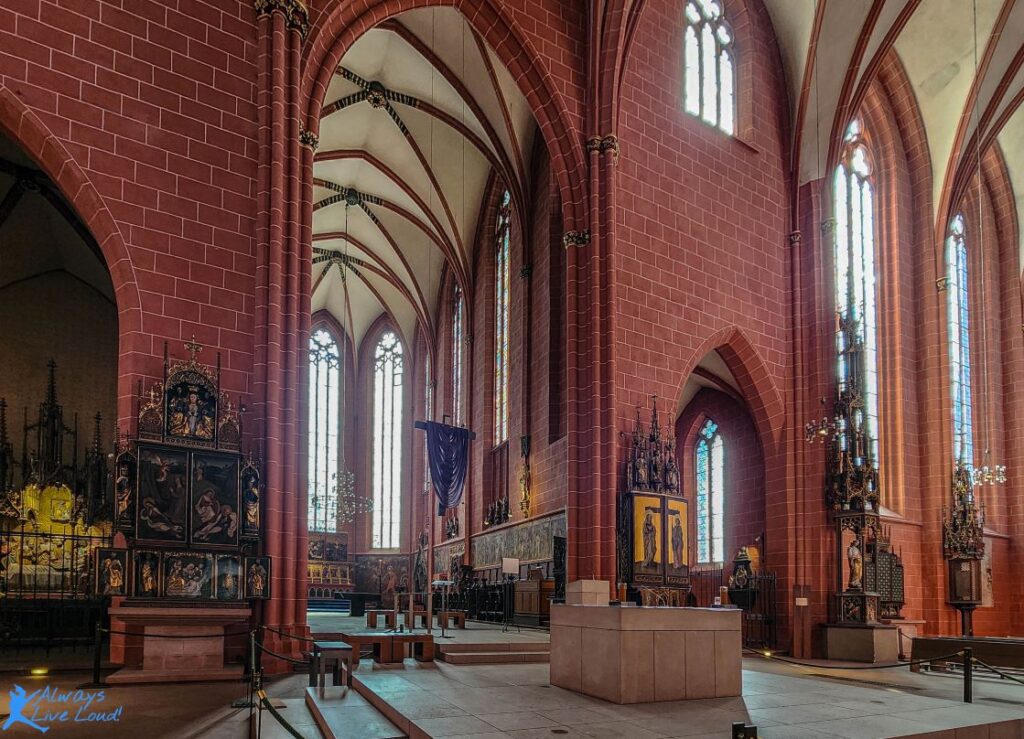
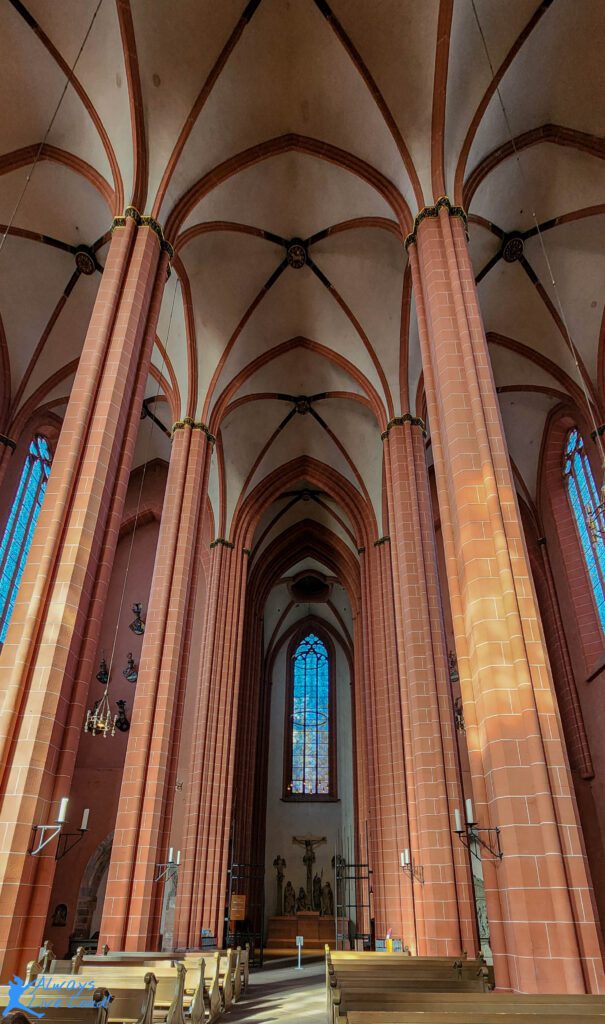
St. Bartholomew’s Cathedral, affectionately called an “Imperial Cathedral” (Kaiserdom), captivates visitors, even though it is not technically a cathedral since it was never designated as a bishop’s church. Since 1356, it has played a special role in royal history, serving as the venue for royal elections thanks to the Golden Bull of Charles IV.
From 1562 to 1792, the coronation altar crowned ten monarchs as emperors!
This building is the fifth on this site and has a rich history dating back to an early Merovingian chapel from 680, followed by a Carolingian hall church.
After World War II, restoration efforts for the cathedral began in 1948, leading to its current beauty. When you visit, you’ll see the stone-vaulted atrium built between 1879 and 1880 and a stunning Baroque altar depicting Mary’s Assumption. The vibrant red colors in the nave were added during restorations from 1992 to 1994. Don’t miss the Elector’s Chapel, located south of the medieval High Choir, where kings were once elected!
From April to October, visitors can climb the tower, which features 324 steps leading to an observation platform. You will enjoy stunning panoramic views of Frankfurt’s skyline, the River Main, and the surrounding hills.
Golden Waage House
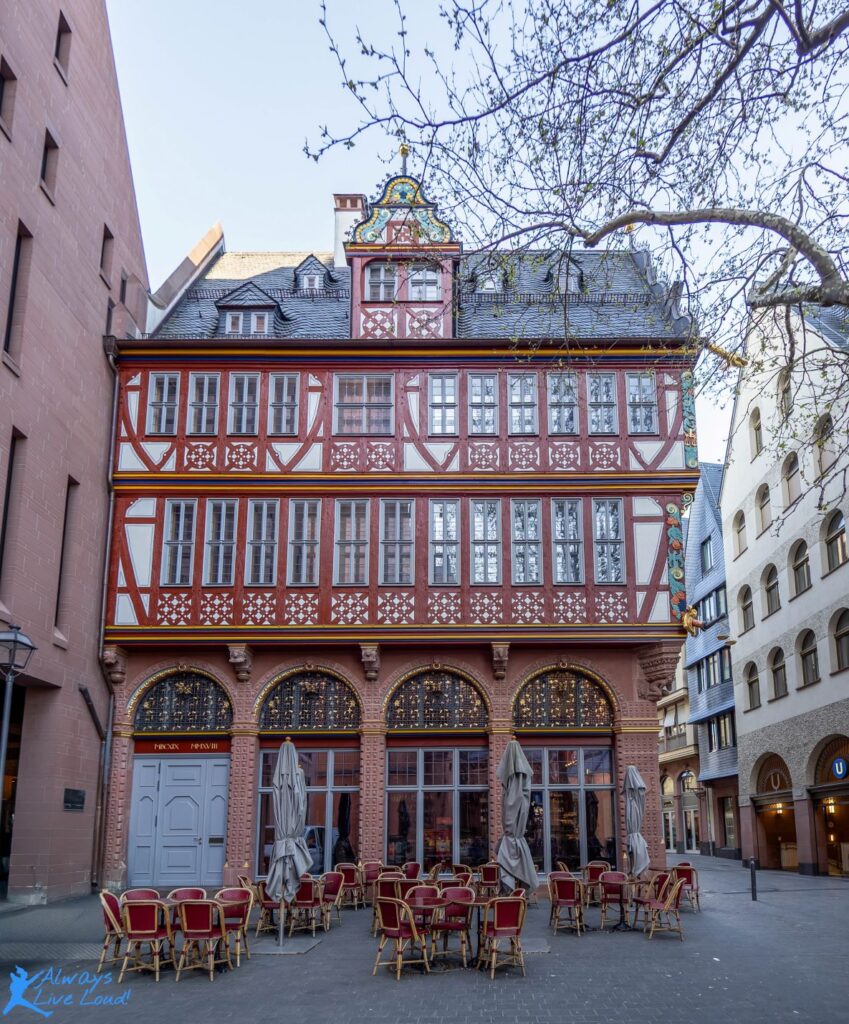
This beautiful historic building is located right next to the Bartholomew Cathedral. The Goldene Waage, once the home of the Dutch merchant and confectioner Abraham van Hamel, played a significant role among the buildings in the New Old Town.
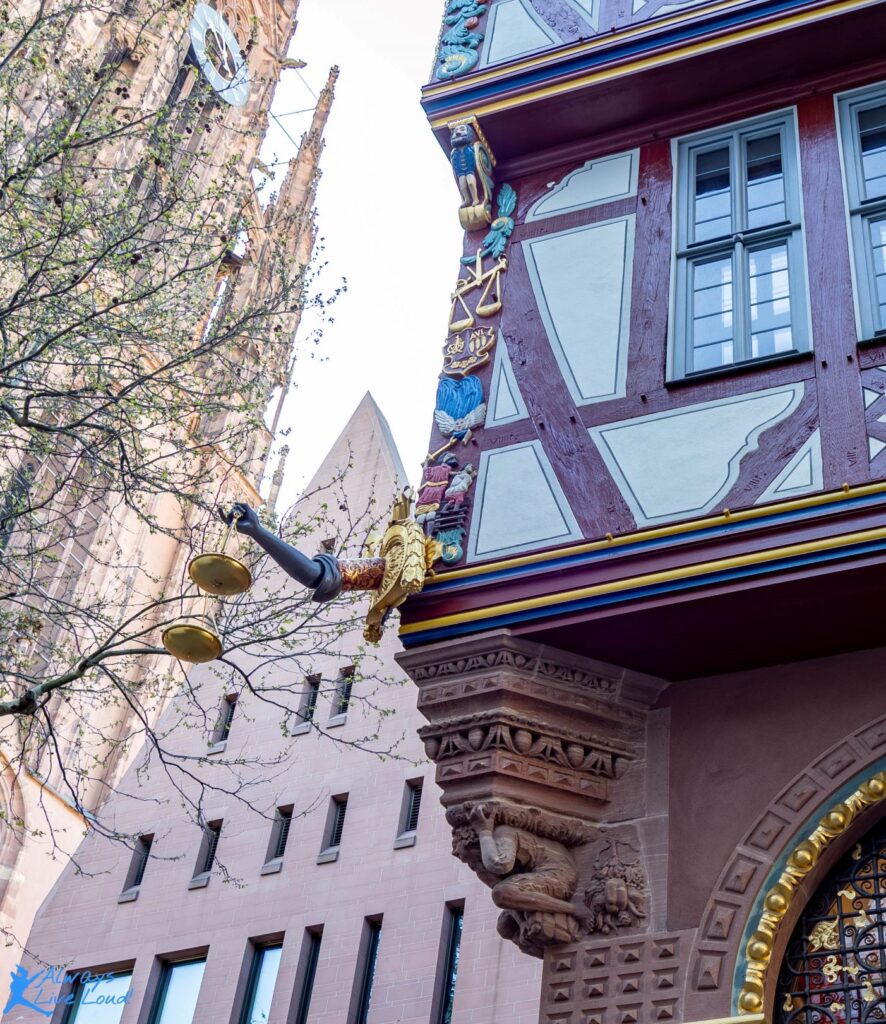
The reconstruction of this building took place after the war, featuring a half-timbered design in its original colors. The furnishings on the upper two floors reflect the original state during van Hamel’s occupancy, which began in 1618.
Access to this part of the Goldene Waage is only available through a guided tour of the Historical Museum. This tour highlights the Belvederchen, a green roof garden that offers a fantastic view of the cathedral and the city.
On the ground floor, a coffee house welcomes Frankfurters and their guests, allowing them to enjoy delicious cakes in a unique historic ambiance, whether in
The Palmengarten
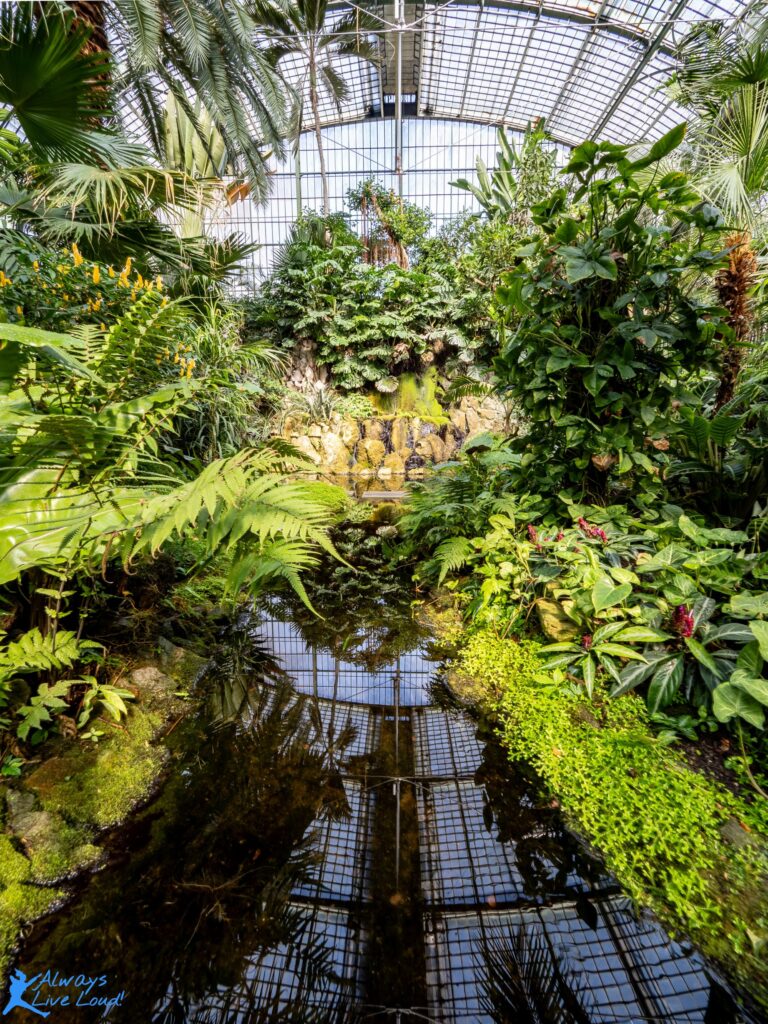
During my trip to Frankfurt, I couldn’t resist visiting Palmengarten, especially since it’s such a popular tourist attraction.
Having explored botanical gardens in New Zealand and Australia, I was curious to see how this one compared.I was pleasantly surprised to see how beautifully maintained and well-organized it is!
Palmengarten is genuinely a lovely place to spend some time. It offers the perfect escape from the hustle and bustle of city life and provides a peaceful refuge surrounded by the beauty of nature.
I highly recommend it!
Thank you for reading!🌻