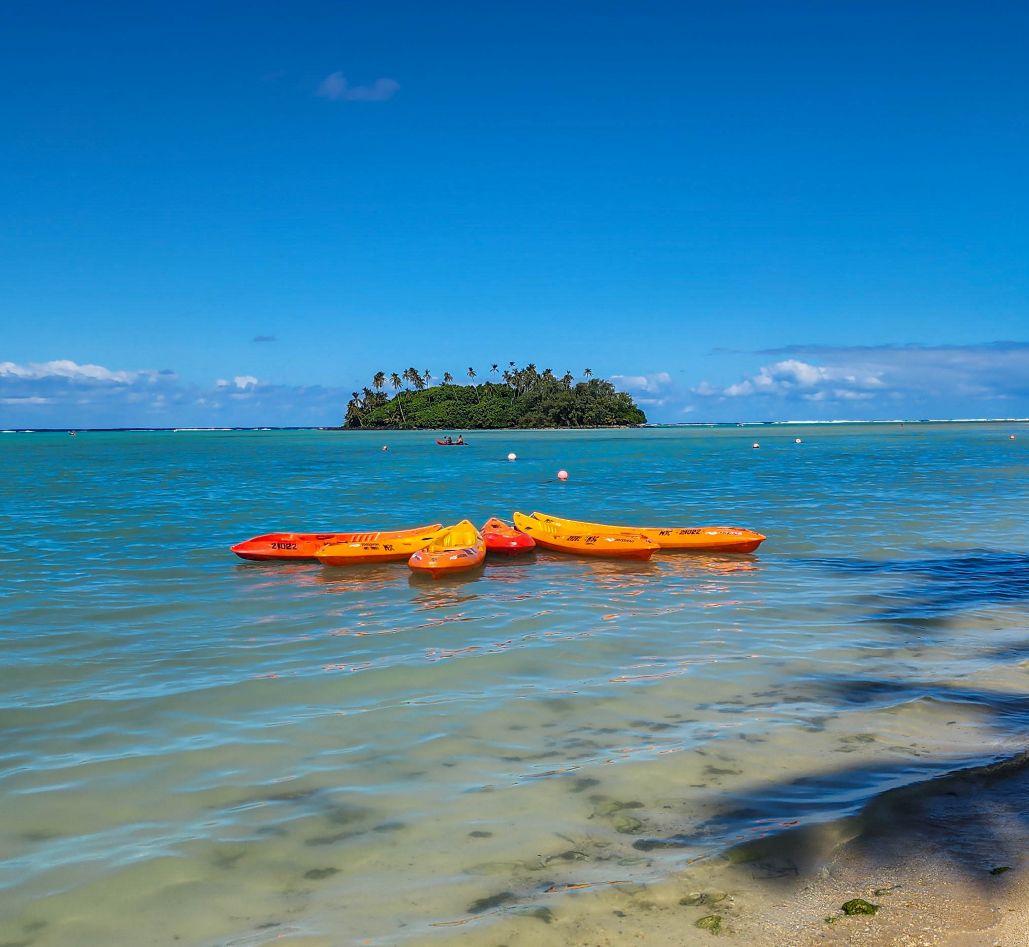
10 Common Mistakes to Avoid is a list that is important to keep in mind while visiting New Zealand.
We’ll discuss some cultural norms and social etiquette that can significantly enhance your experience. Just a quick heads-up: I’m focusing on the key things for short visits. If you ever think about living here, there’s so much more to explore! Let me know if you’d like me to talk about that in another video.
New Zealand has a unique culture shaped by its indigenous Māori heritage and diverse immigrant communities, making it essential to understand the local customs and traditions. Even if you’re here for just a short vacation or holiday, being aware of a few essential rules can significantly enhance your experience.
By being aware of these customs and practices, you can ensure a more enjoyable and respectful experience during your visit to this beautiful country.
1️⃣ Māori culture
You’ll have lots of chances to explore and enjoy Maori Culture! This rich culture is closely connected to the natural world, which is seen as a living entity full of spiritual meaning and a source of nourishment. For Māori, the land and water are considered taonga (treasures) that are central to their identity and well-being.

When engaging with Māori people and their culture, it’s important to show them the utmost respect, as they are the indigenous people of New Zealand. This means being careful not to enter sacred sites without permission and being aware of their cultural and spiritual traditions. Also, remember to visit a marae (Māori meeting grounds) only if you have an invitation or are accompanied by someone familiar with the customs and traditions of the Māori people.
2️⃣Environmental Etiquette
Taking care of the environment is really important here in New Zealand!

Avoid littering and embrace the Leave No Trace principles, so that we can all enjoy the beautiful, clean public spaces together. When you head out for camping, hiking, or a picnic, remember to bring some trash bags so you can take any rubbish home with you.
A friendly reminder to not sit on tables, even the picnic ones, in public areas. This comes from Māori beliefs about keeping bodily wastes and food separate, as they hold the tapu (sacred) nature of both in high regard.
Additionally, it’s best to avoid spitting in public places, as it may be perceived as disrespectful. We want to keep the community clean.
3️⃣Respect Safety Warnings
Beaches, gorges, and rivers can be beautiful, but it’s important to exercise caution regarding rip currents, which can be strong and unpredictable. Always check local beach reports and flag warnings before entering the water. You’ll find signs by rivers and gorges indicating whether swimming is allowed or not. It’s crucial to respect these signs because they are there for a reason.
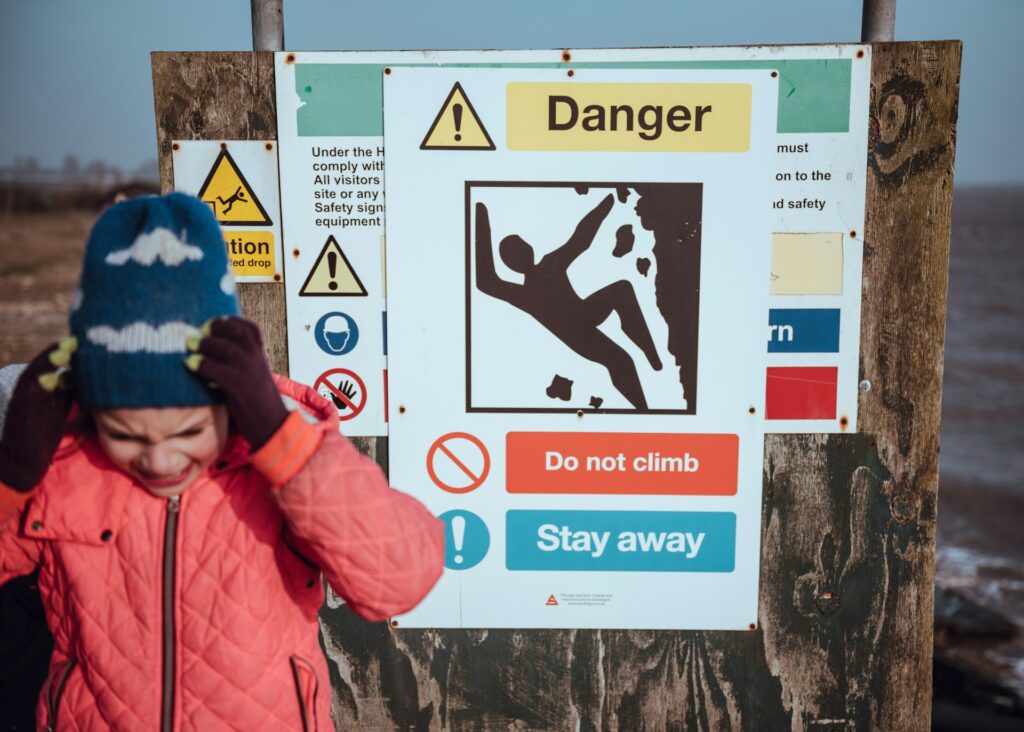
Remember, some places are remote, and rescue is not immediate. If you’re unfamiliar with the conditions or if the water seems rough, it’s best to stay on land.
When you spot seals, sea lions, or other native wildlife, please remember to keep at least 50 yards away from them. This helps keep both you and the animals safe.
It’s best to enjoy watching them from a distance without direct interaction, and please avoid feeding them. Feeding can create risky situations and can change their natural behaviors.
Enjoy your wildlife experience safely!
4️⃣ Sunscreen
In New Zealand, you might hear people recommending sunscreen or come across ads encouraging its use, and there is good reasoning behind that.
The sun can be particularly intense due to the country’s thinning ozone layer, resulting in high UV levels that can cause sunburn, premature aging, and skin cancer. New Zealand has one of the highest rates of melanoma (a type of skin cancer) in the world.
Sunscreen is a crucial tool for protecting the skin from harmful UV radiation, especially during outdoor activities. As a result, it’s important to make sunscreen a regular part of your daily routine to safeguard your skin from potential damage. Avoid staying under the sun for too long.
Don’t forget to reapply every two hours, or more frequently if you’re swimming or sweating. Always apply a broad-spectrum sunscreen with an SPF of at least 30, even on cloudy days, because ultraviolet (UV) radiation can still penetrate through clouds and cause skin damage.
5️⃣Language and culture
While you don’t have to, picking up some basic New Zealand slang can really give you a leg up in understanding conversations and the local humor. By getting to know the fun words and phrases that Kiwis use, you’ll have an awesome time connecting with the culture and maybe even share a laugh or two with the locals!

Kiwi slang is a special part of the New Zealand English dialect that adds plenty of character.
Another essential point to consider is that not all New Zealanders are familiar with each other or share a common identity with Australians.
While both nations are located in the South Pacific, New Zealand and Australia possess distinct cultures, histories, and customs that shape their identities. Recognizing these differences can significantly enhance your interactions with locals, as it demonstrates respect and understanding of their unique perspectives.
New Zealand is particularly renowned for its rugby culture, with the All Blacks being one of the most iconic teams in the sport. Their unique performance rituals, including the haka—a traditional Māori war dance—are celebrated worldwide and symbolize the country’s deep connection to its indigenous heritage.
Furthermore, a strong rivalry exists between Australia and New Zealand in various sports, particularly rugby league, where matches often evoke national pride and passionate competition. You should go for a game, it’s pretty intense!
Additionally, it’s advisable to steer clear of sensitive topics such as politics. Engaging in light-hearted conversation about local customs, outdoor adventures, or culinary delights, such as New Zealand’s famous lamb, can create a more positive and welcoming atmosphere.
6️⃣ Driving
Driving in New Zealand presents unique challenges that set it apart from driving in Europe or the United States. It’s important to approach this experience with a sense of humility regarding your driving skills. Being aware of the differences and staying attentive on the road can help ensure a safer and more enjoyable journey. Here are some key points to consider:
Just a quick reminder that we drive on the left side of the road here. It’s also a good idea to check out some driving rules since they can be different from what you’re used to in the States or Europe. Make sure to give them a read before you arrive.
After Landing🛬
When you land in New Zealand, you have to pick up your car or van.
Be mindful of the effects of jet lag after your long flight. It can leave you feeling tired and out of sorts. Before you hit the road, take a moment to check in with how you’re feeling. Consider taking a break to hydrate and rest, or wait until you’ve had some time to adjust to the new time zone before getting behind the wheel. Prioritizing rest can significantly improve your focus, reaction time, and overall driving performance.
Driving during the night🚗
Whenever possible, try to avoid driving after dark, especially during the winter months when visibility can be tricky. With snow, rain, and frost, the roads can become slippery and icy. If you have to head out at night, ensure your headlights are in good working order, and consider slowing down to improve your visibility. And don’t forget to keep an eye out for any obstacles or wildlife on the road!
Time to drive to destination⏲️
Driving in New Zealand is a beautiful adventure, but it can take a bit longer than you might think! Although it may seem like a small country, don’t be fooled—getting around can take time. For instance, the drive from Auckland to Russell in the Bay of Islands is about three and a half hours. If you’re traveling from Auckland to Wellington, plan on spending around seven and a half hours. A trip from Christchurch to Tekapo will take you about three hours, while getting to Queenstown takes around six hours.
The roads here have their unique charm, but they can be quite different from what you’re used to in the States or Europe. Some can be narrow and winding, with a few hazards, such as steep inclines and gravel surfaces, especially in more rugged or rural areas.
Overall, road safety in New Zealand is fairly good—just be aware that the road death rate is a bit higher compared to Australia and most of Europe. So buckle up, take your time, and enjoy the stunning scenery along the way!
7️⃣ Tipping

In New Zealand, tipping isn’t really a thing, and that’s because hospitality workers get a living wage that takes care of their basic needs.
So, when you see the prices for food and drinks, they usually include service charges. This means everyone is treated fairly, making the hospitality scene more welcoming for both staff and visitors.
If you experience truly exceptional service, you’re welcome to show your appreciation with a small gesture, but it’s not necessary.
8️⃣ Head Out on a Hike Unprepared
New Zealand is an absolute gem for hikers, with so many amazing trails—often called “tramps” in Kiwi slang—waiting to be explored! You’re in for a treat when you visit.
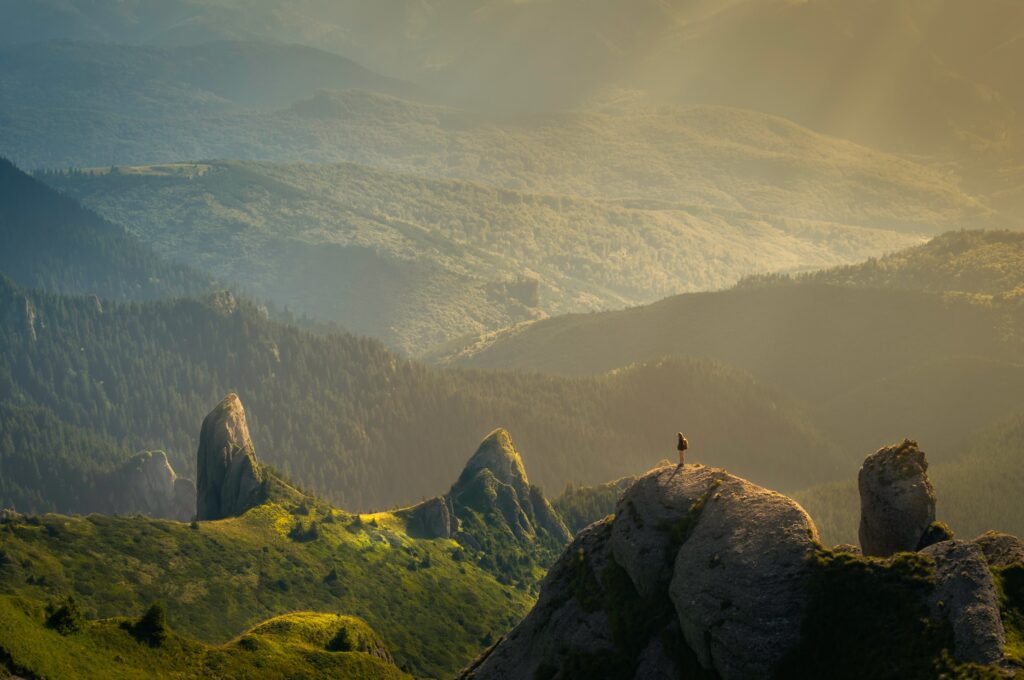
To have the best hiking experience, it’s important to be well-prepared!
I can’t stress enough how helpful it is to check the weather forecast before you hit the trails, since New Zealand’s weather can be a bit unpredictable. Wearing the right gear and clothing will help you stay comfortable and safe while soaking in the stunning views. Plus, don’t forget to let someone know where you’re going!
If you can, grab a friend to hike with—you’ll have so much more fun together!
Don’t forget to pack some tasty snacks and plenty of water to keep your energy up. While you can safely drink tap water in New Zealand, it’s best to avoid untreated water from lakes and rivers, just to be safe. By gearing up properly and planning ahead, you’ll have an unforgettable time exploring the beautiful outdoors in New Zealand!
If you’re thinking about hiking a remote trail, don’t forget to bring a Personal Locator Beacon (PLB)! It’s a great safety tool, and you can easily rent one at various Department of Conservation visitor centres across New Zealand.
Happy hiking!
9️⃣ Don’t over-plan. Keep it simple
Overplanning your trip can sometimes make you miss out on amazing experiences. It’s easy to fall into the trap of cramming too many activities into your schedule!

The more you try to squeeze in, the more you might feel the urge to add even more. While some online guides might make it sound like you can see an entire country in just two weeks, that’s usually not realistic.
New Zealand is filled with breathtaking landscapes and a ton of activities, so it’s nearly impossible to see everything in one visit. Two weeks is just not enough time to explore it all, and even a few months might not be sufficient.
Instead, focus on the things that really excite you and build your itinerary around those highlights. By taking it a bit easier, you’ll have more time to relax and truly soak in all the spectacular sights and attractions of New Zealand.
If you only have two weeks for your New Zealand getaway, consider picking either the North Island or the South Island and the Stewart Island to explore. Each one has so much to offer, and after experiencing New Zealand, you’ll definitely want to come back for round two!
🔟 Don’t rely solely on public transportation
New Zealand is a fantastic place to explore, but the reliability of transportation can vary depending on your location and the mode of transportation you choose. In major cities like Auckland, Wellington, and Christchurch, you’ll find great bus and train networks, but keep in mind that they might not always be super reliable.
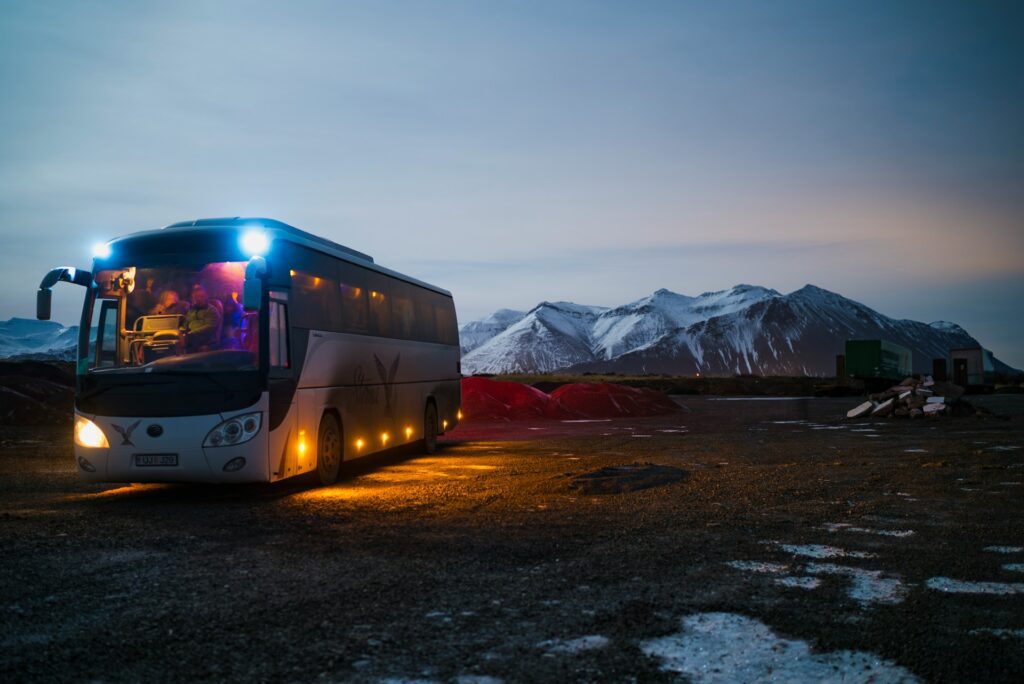
If you want to soak in New Zealand’s breathtaking landscapes, encounter its unique wildlife, and hike some incredible tracks, you’ll find that relying on public transportation alone might not cut it. Most intercity travel involves private bus companies and scenic tourist trains, which can be a fun experience in themselves!
With such a vast and beautiful country to explore, having a car makes a difference in your adventure. It gives you the freedom to discover all the hidden gems New Zealand has to offer!
So🤔
I hope this list of 10 things to avoid in New Zealand helps you gain a better understanding of what to expect while planning your trip. It’s super important to know some basics when you’re visiting a new country, so you can feel comfortable and understand what’s acceptable in a place that might have different cultural norms.
I’d love to hear your thoughts on the 10 points I shared in this video! Do you have any questions about them, or is there anything else you’d like me to cover? Please leave a comment below.
Remember, this is just a starting point—there’s so much more we can chat about.
When you visit, you’ll have the opportunity to explore and discover all the things that matter to you.