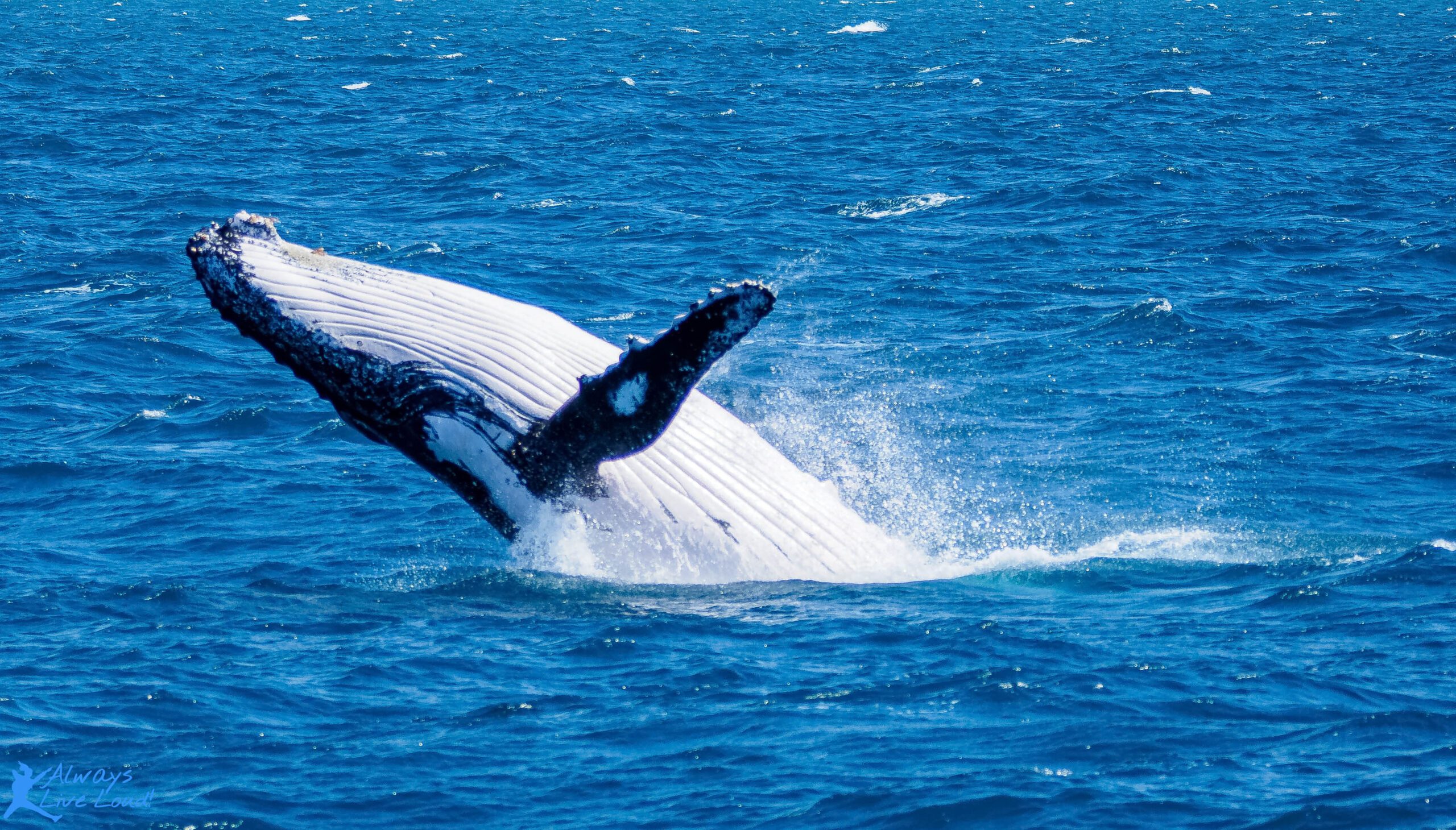
Cape Farewell is a distinguished headland located at the northernmost tip of New Zealand’s South Island, offering a remarkable display of rugged beauty. Strong westerly weather patterns have shaped the landscape, carving a unique archway into the quartz sandstone cliffs that leads dramatically into the ocean.
In addition to its natural splendor, Cape Farewell also serves as an important cultural landmark. Many people believe that Abel Tasman was the first European to explore this region in 1642, paving the way for later explorers. Captain Cook subsequently named it Farewell Spit in 1770, further embedding its significance in history. This fascinating blend of natural and cultural elements makes Cape Farewell a noteworthy destination for both visitors and historians alike.
Where is Cape Farewell?
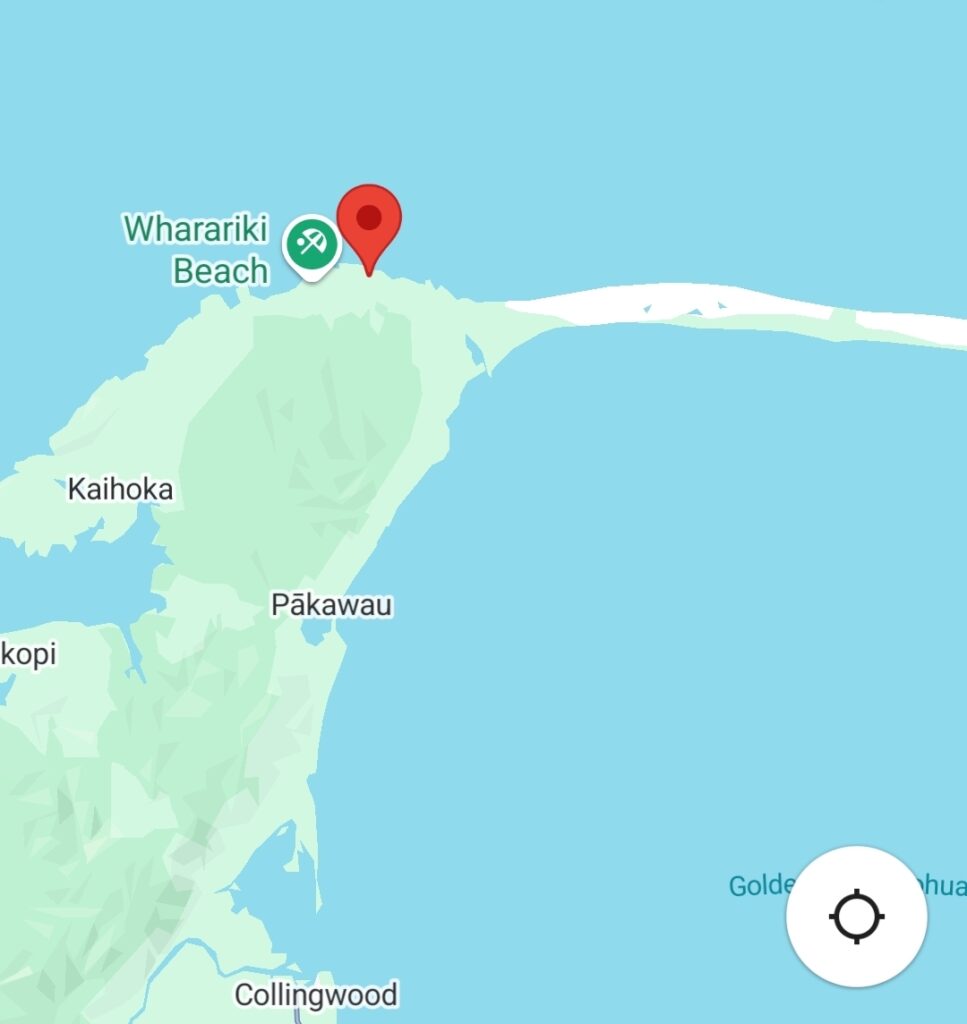
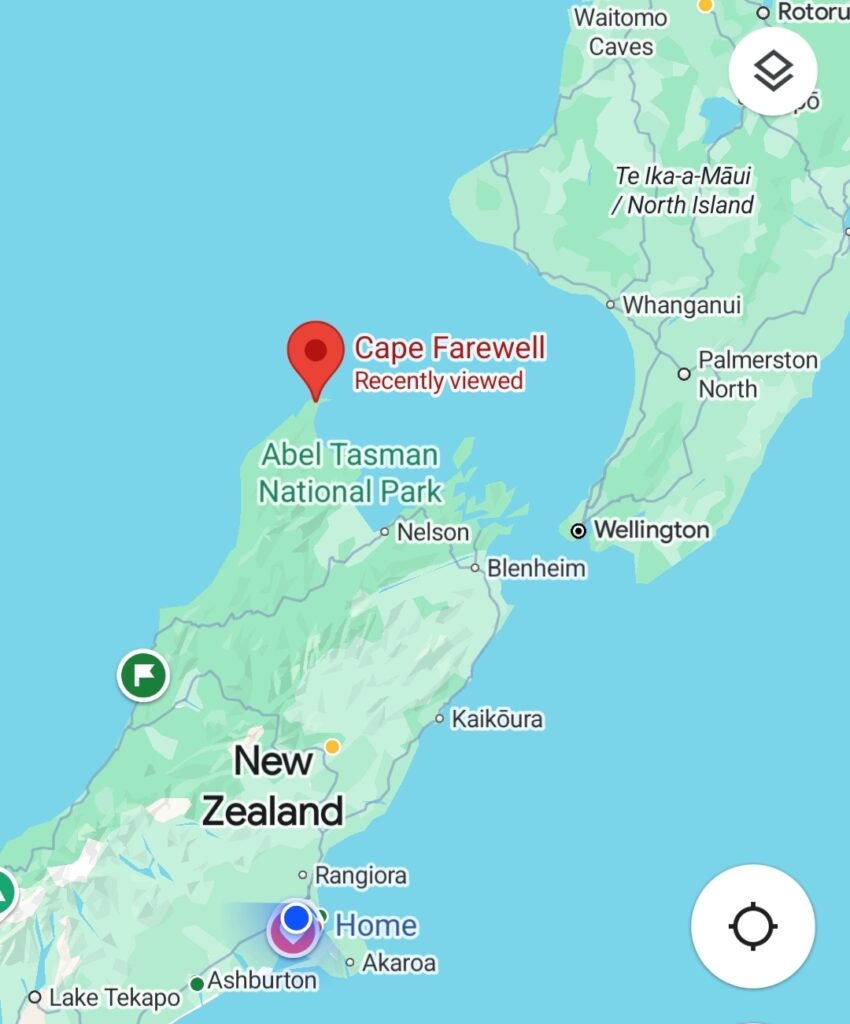
Farewell Spit, situated at the northernmost point of New Zealand’s South Island, boasts the longest sand spit at 25 km and is part of a nature reserve. When you arrive at the car park, you will find a walking trail. At the end of this trail, there is a lookout platform with safety fencing. The view from the platform is stunning, but please be cautious, as there are unfenced cliffs beyond the lookout.
The nearest airport is Nelson Airport, located 151 km (94 miles) away. If you’re driving from Christchurch, the distance is approximately 546 km (340 miles), which takes about 7 hours.
The History of Cape Farewell
This area boasts a rich Māori history and plays an important role in European exploration. The Ngāti Waewae iwi, who have called this region home for centuries, deeply connect it to their vibrant traditions and legends.
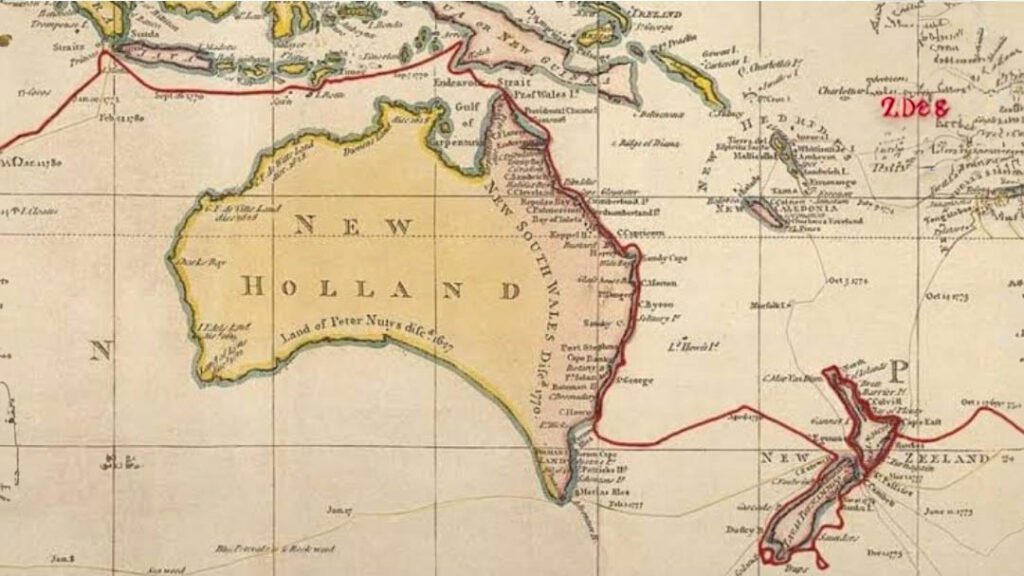
European exploration kicked off in the early 17th century, and one of the first key figures was Abel Tasman, who made his way to New Zealand in 1642. Then there’s Captain James Cook, who named Cape Farewell during his voyage in 1770. His journey was a big deal for mapping out the beautiful coastline we know today!
By looking at the vibrant connection between its Indigenous roots and the waves of European settlers, you’ll gain a deeper appreciation for how these different stories have come together to shape the region’s identity today. It’s a journey that promises to be both enlightening and enjoyable!
The Stories Behind the Name

Captain James Cook named Cape Farewell during his first voyage in 1770. As he was leaving New Zealand for Australia, this was the last piece of land he saw, which makes it quite an important landmark!
Along the way, Captain Cook also took the time to map out the surrounding area, including the spit and the headland to the west. It’s fascinating to think about the history behind this beautiful place!
The Significance of Farewell Spit
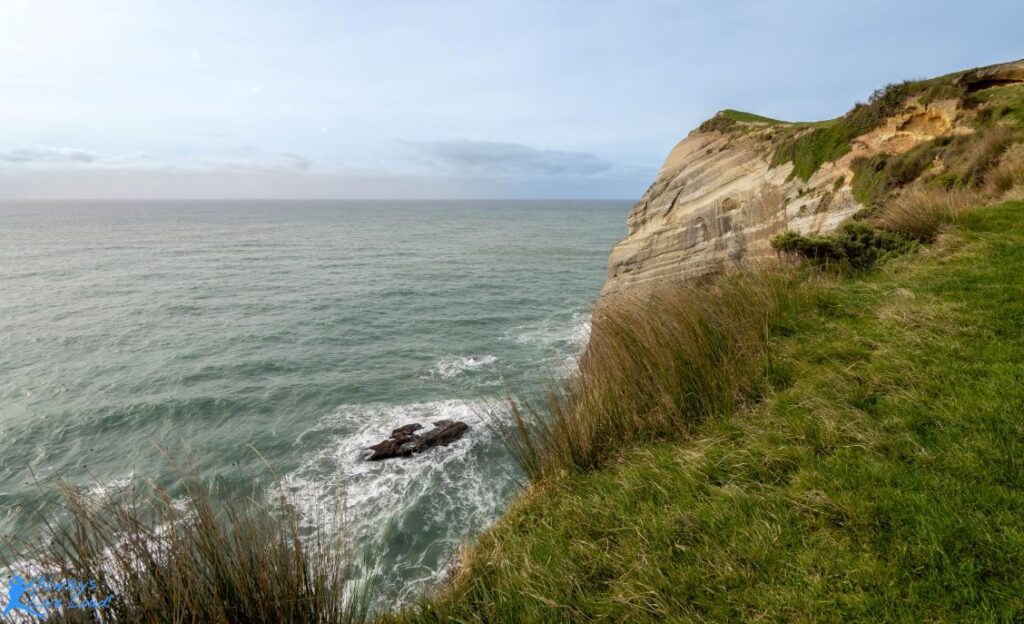
Cape Farewell is a fascinating place, famous for its unique geological features!
You’ll find stunning quartz sandstone cliffs that rise dramatically above the ocean, as well as the long, beautiful sand spit known as Farewell Spit. Both of these remarkable formations have been shaped by the forces of coastal erosion. The cliffs are almost vertical, and they drop steeply into the water, forming part of the Farewell Formation, which is made up of sandstones and conglomerates.
Exploring the Māori Connection
Cape Farewell (Te Waipounamu) is a truly special place for the local Māori, as it’s seen as a spot where spirits journey to the afterlife. This beautiful area has a rich history, known for its settlements, moa hunting, and the strategic pā sites that dot the landscape.
While many people think of Cape Reinga as the main departure point for spirits, Cape Farewell is also lovingly recognized as a place of transition from the physical world.
Is it worth visiting Farewell Spit?🤩
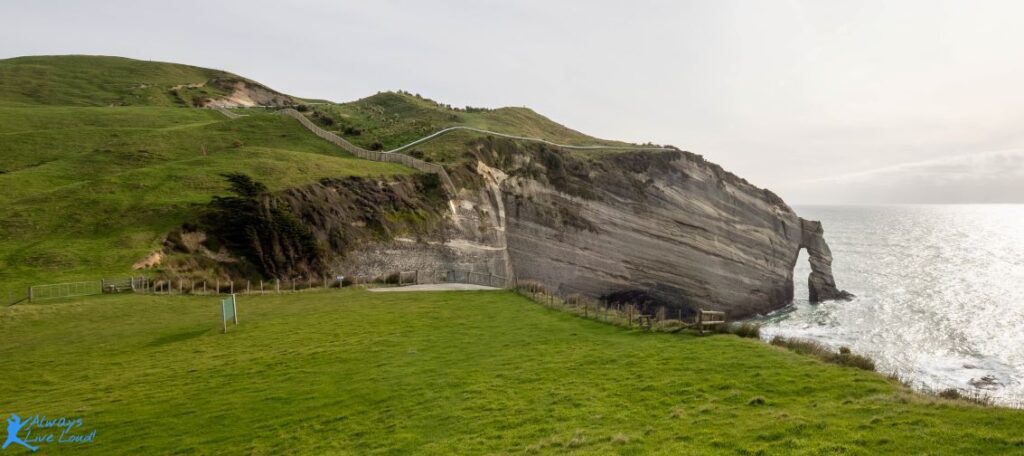
Absolutely!
You should definitely consider visiting Farewell Spit and Cape Farewell. This spot is truly special, with its stunning natural beauty and amazing wildlife. Make sure to check out the main viewpoint for some fantastic views of Cape Farewell, and don’t miss the short walks in either direction—they’ll lead you to even more breathtaking sights!
The Puponga Farm Park tracks have a variety of walking options, including some great routes to Pillar Point and beyond, all showcasing gorgeous scenery. Plus, if you’re in the area, Wharariki Beach is just a quick trip away. It’s famous for its incredible rock formations and picturesque coastal views.
Enjoy your adventure!