Māori legends and myths tell rich narratives that the Māori people of New Zealand have transmitted orally through generations, reflecting their beliefs, values, and traditions.
These stories often feature iconic figures, such as demigods and ancestral heroes, and explore themes related to creation, nature, and the human relationship with the spiritual world. They serve not only as entertainment but also as a means of preserving cultural identity and imparting moral lessons to younger generations.
The story of “Māui fishing up the North Island” features the demigod Māui, who performs extraordinary feats in Māori myth.
The Myth
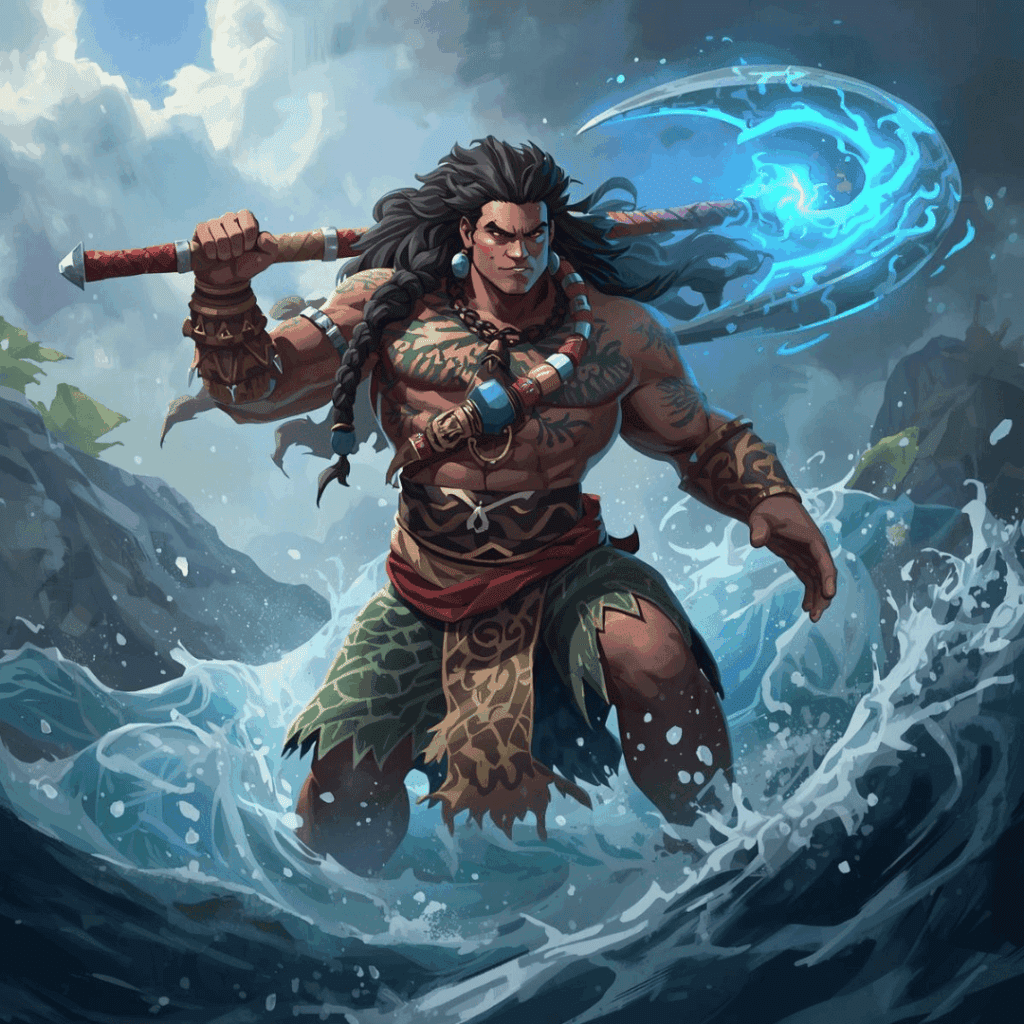
In this legend, Māui, the clever and adventurous demigod of Polynesian mythology, decided to sneak away and join his brothers on a fishing trip in the vast ocean. They embarked on a daring adventure using a magical fishhook crafted from their grandmother’s jawbone, a sacred heirloom believed to possess extraordinary powers.
Māui cast his line into the deep blue waters. As he pulled the line taut, he felt a tremendous tug, showcasing his strength and cunning as he caught a giant fish—much larger than any his brothers had ever seen. Māui successfully fished the North Island from the depths of the ocean, causing it to rise majestically above the waves. This remarkable catch would not only amaze his siblings but also change the course of their journey and their understanding of Māui’s true abilities.
Te Ika-a-Māui
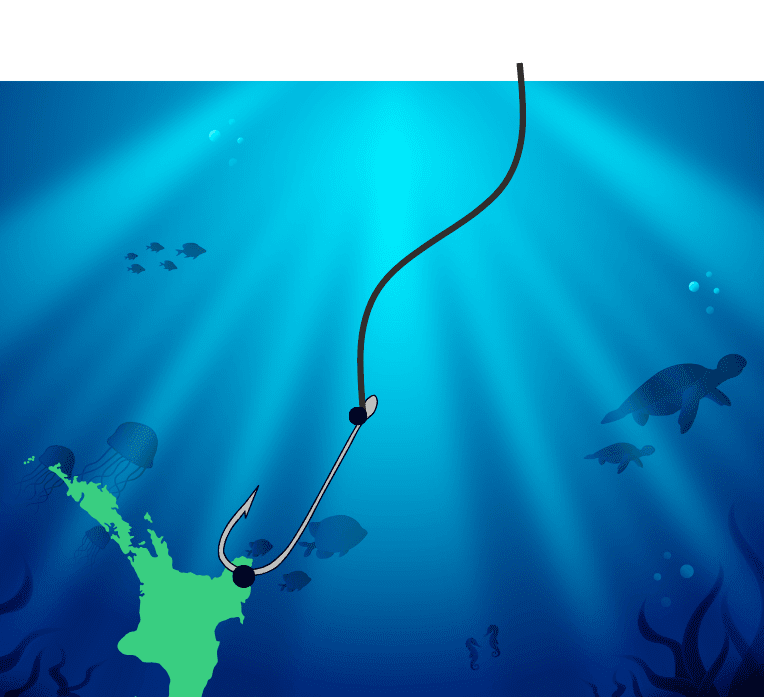
When Māui skillfully pulls on his fishing line, he astonishes himself by discovering that his catch is not just a fish. Instead, he pulls up a vast expanse of land from the depths of the ocean, which he later names the North Island of New Zealand.
In Māori culture, it is called Te Ika-a-Māui, meaning “the fish of Māui.” This incredible feat not only showcased Māui’s remarkable strength and cleverness but also marked a significant moment in the creation stories of the Māori people, highlighting the deep connection between their culture and the land.
Creation of the Landscape
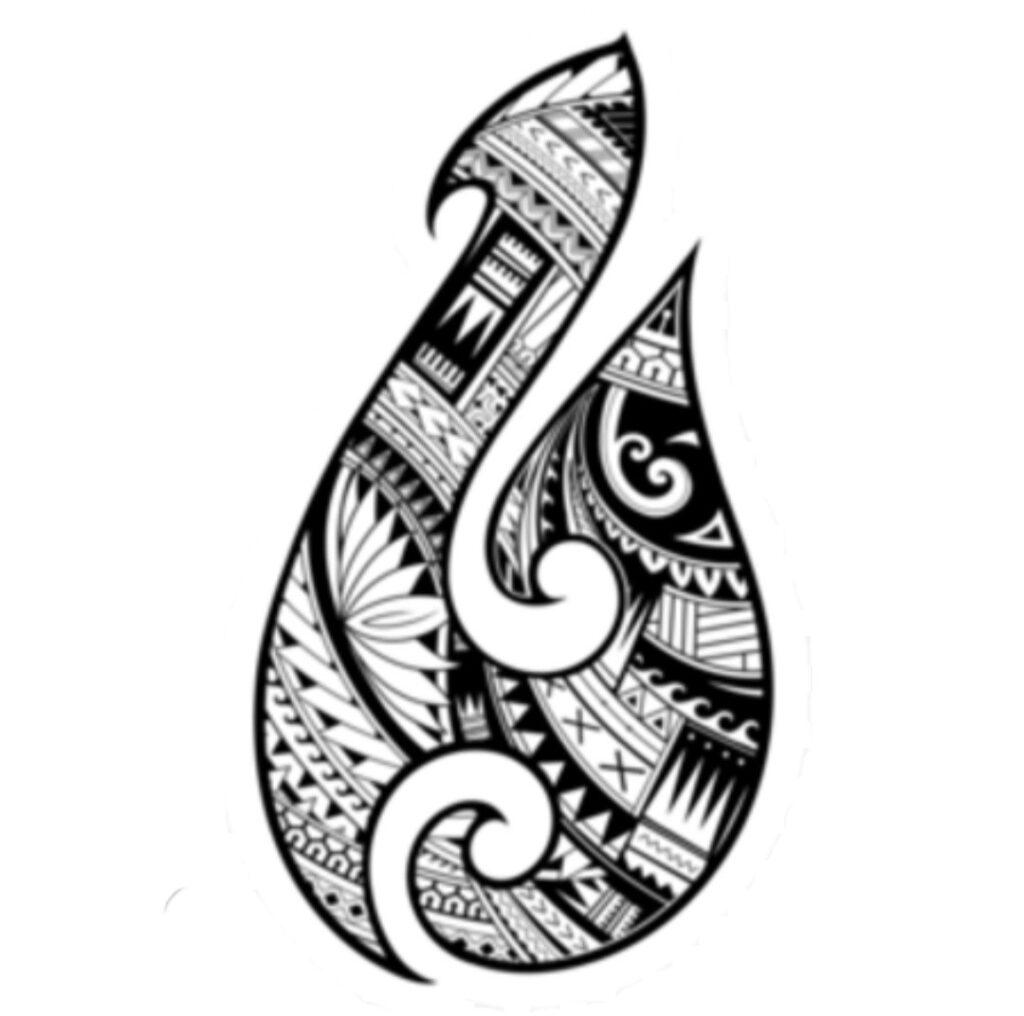
According to the legend, after the miraculous capture of the island, Māui instructed his brothers to skillfully carve the great fish he had caught from the depths of the ocean. This carving led to the creation of the landscape. He shaped notable features such as the sweeping curve of Cape Kidnappers, which contributes to the scenery we see today. This distinctive landmark is known as Te Matau-a-Māui, which translates to “Māui’s fish hook.” This name underscores the tale’s significance. It’s the connection between the land and Māui’s legendary prowess as a demigod and provider for his people.
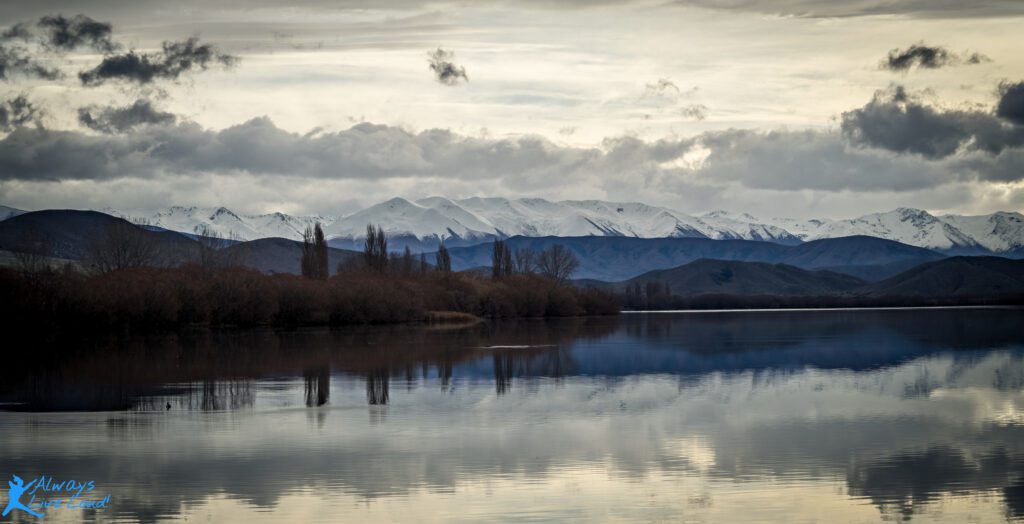
The south and Stewart Island
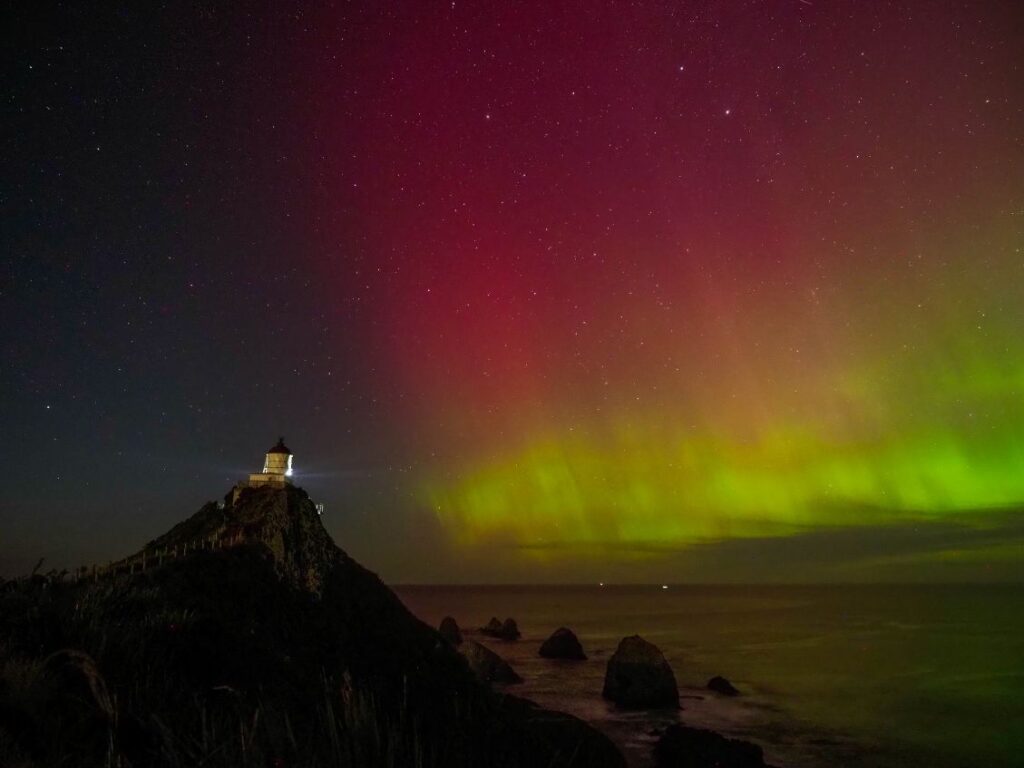
The Legendary demigod Māui voyaged across the ocean in his canoe, which represents the South Island of New Zealand, known as Te Waka-a-Māui.
Additionally, Stewart Island, located south of the South Island, is known as Te Punga-a-Māui. It means “the anchor stone of Māui.”
This signifies its role as the stabilizing anchor for Māui’s canoe within these rich cultural narratives.
My thoughts🫵
I hope you found this legend as captivating as I did. Myths and legends often serve to explain the origins of significant events or natural phenomena. In this instance, the story illustrates how the unique shapes of the terrain—such as towering mountains, winding valleys, and serene lakes—have shaped the striking landscape we see today.
Māori stories are consistently refreshing and enlightening, offering rich insights into their culture and traditions. These narratives not only entertain but also emphasize the profound relationship the Māori people have with the natural world. It reflects their beliefs, values, and respect for the environment.
The deep connection with nature is woven throughout their tales. It showcases how they perceive and relate to the land, flora, and fauna around them.