
On our travels through the North Island, we made a lovely pit stop in Pūhoi. This charming little town is really inviting with its fascinating history and beautiful riverside views. Pūhoi means “slow water” in te reo Māori. This fits perfectly since the Pūhoi River gently winds its way through town, adding to the laid-back vibe. With its cute buildings and green surroundings, it’s a great place to take a break and enjoy the peaceful scenery. And so we did!
It’s important to note that Pūhoi is home to New Zealand’s most popular cheese.
Pūhoi Cheese🧀

Pūhoi is known for its amazing cheese, which is a favorite across New Zealand. The town’s strong Bohemian heritage really shapes its cheesemaking, bringing in authentic European techniques and recipes. One of the key players in putting Puhoi on the cheese map is the Puhoi Valley Cheese Company, started in the 1980s. They focus on making award-winning cheeses, like bold blue cheeses, creamy bries, and rich Gouda.
By blending high-quality local ingredients with traditional cheesemaking methods, they’ve crafted a variety of flavors that highlight the area’s cultural vibe and beautiful scenery in the stunning Pūhoi Valley. Visitors often get to enjoy tastings and tours. This gives them a better understanding of the cheesemaking process and the community’s dedication to quality.
We checked out the museum to learn more about the area’s history, and it was pretty cool to find out that the town has strong Bohemian roots from Czech settlers.
☝️The Museum
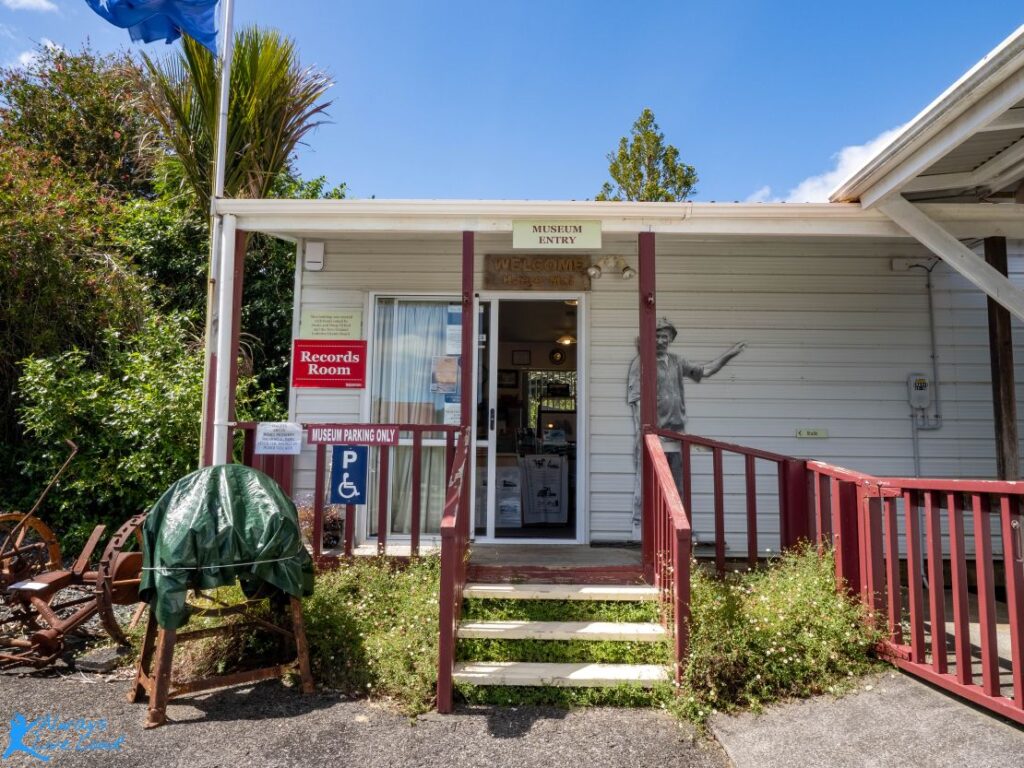
Bohemian Heritage & History
Pūhoi was started back in 1863 by Czech settlers, particularly German-speaking folks from Bohemia (now in the Czech Republic). These immigrants brought along some cool traditions, farming methods, and a tight-knit community vibe that their descendants keep alive today. This strong community spirit adds to the area’s charm and its well-known local beer.
Who were they?
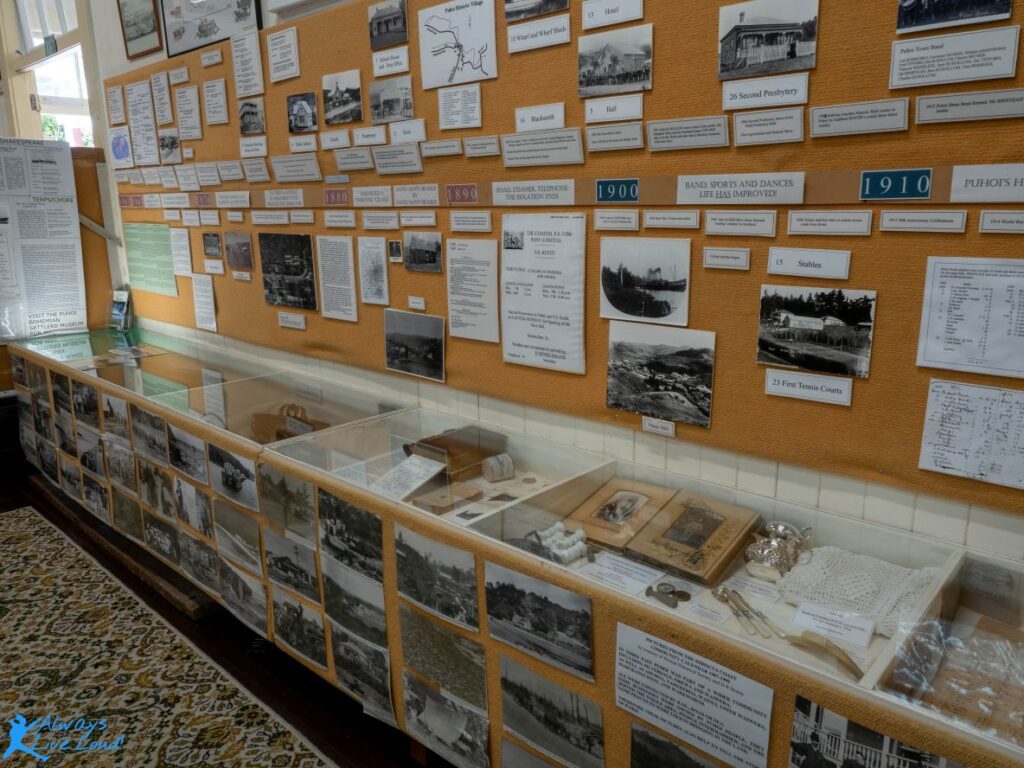
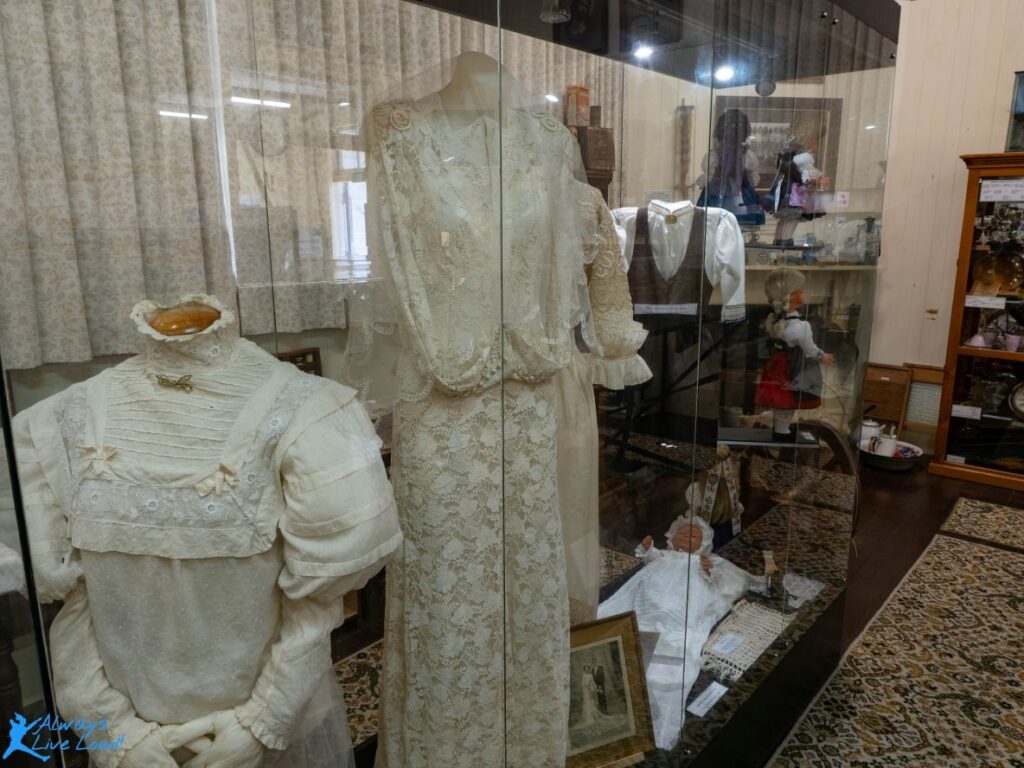
In 1863, Captain Martin Krippner took a group of 83 settlers from Staab (now called Stod) in Bohemia to New Zealand, looking for better opportunities. Most of them were small farmers and skilled workers, excited to create better lives for themselves. Their journey was a big step towards a brighter future in a completely new place.
Upon their arrival
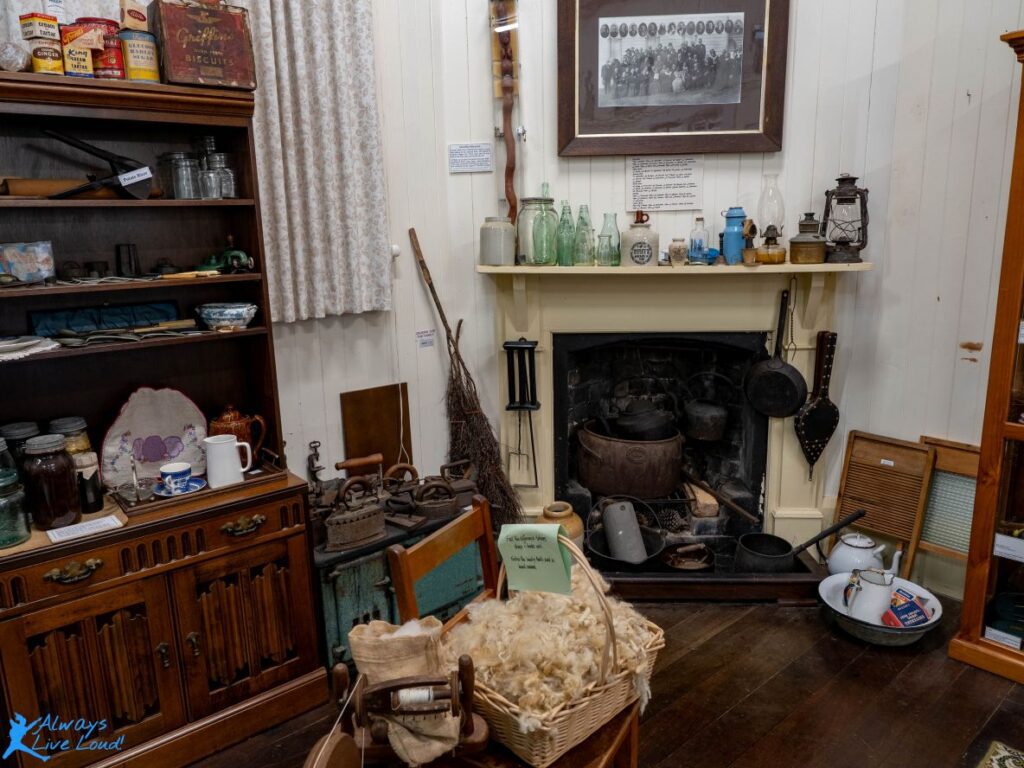
After a long journey at sea that lasted four months, the settlers arrived in June 1863 at a stunning but rough landscape. Back then, New Zealand didn’t have much infrastructure and was just starting to develop as a colony.
The settlers put in a lot of hard work to clear the thick bush for farming, and they got essential help from the local Māori, especially Chief Te Hemara Tauhia, who shared food and farming tips. This cooperation is similar to what early American settlers experienced with Native peoples to survive.
Between 1863 and 1876, more settlers came in, creating farms and changing the land into fields and communities, which helped lay the foundation for New Zealand’s agricultural industry.
Cultural Legacy
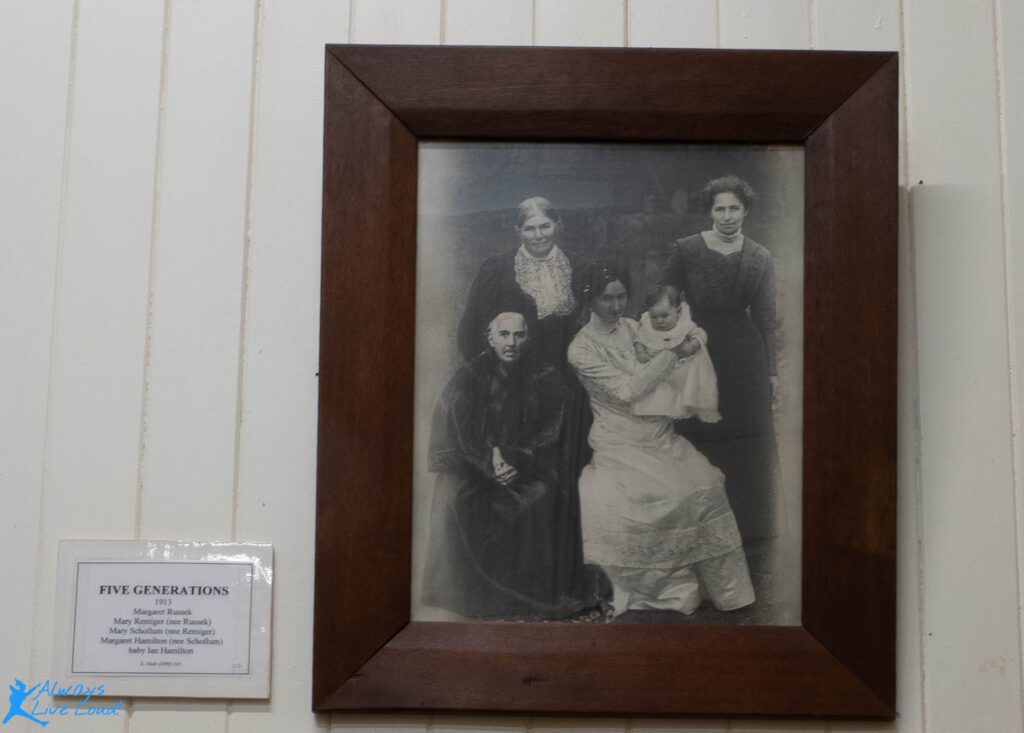
The descendants of the settlers remain connected to their roots and celebrate their heritage through traditional music featuring the dudelsack, a type of Bohemian bagpipe, as well as various customs.
They started out identifying as Bohemians, but over time, their identity has become more complex. Still, they’ve done a great job of fitting into New Zealand society while keeping their unique identity intact, as detailed in a ResearchGate article.
They’re known for their loyalty to the Catholic Church and for strong bonds within their community.
Pūhoi Today
Pūhoi has a cool Bohemian vibe with its colorful, artistic homes and winding streets. It’s a fun place to be, filled with cultural events, festivals, and artisan markets, where lots of descendants of the original settlers keep the lively atmosphere going.
Don’t miss the Pūhoi Heritage Museum if you’re curious about local history. Plus, you can check out some great kayaking spots and enjoy regional brews, making Pūhoi a must-see if you’re in the area!
The Church⛪
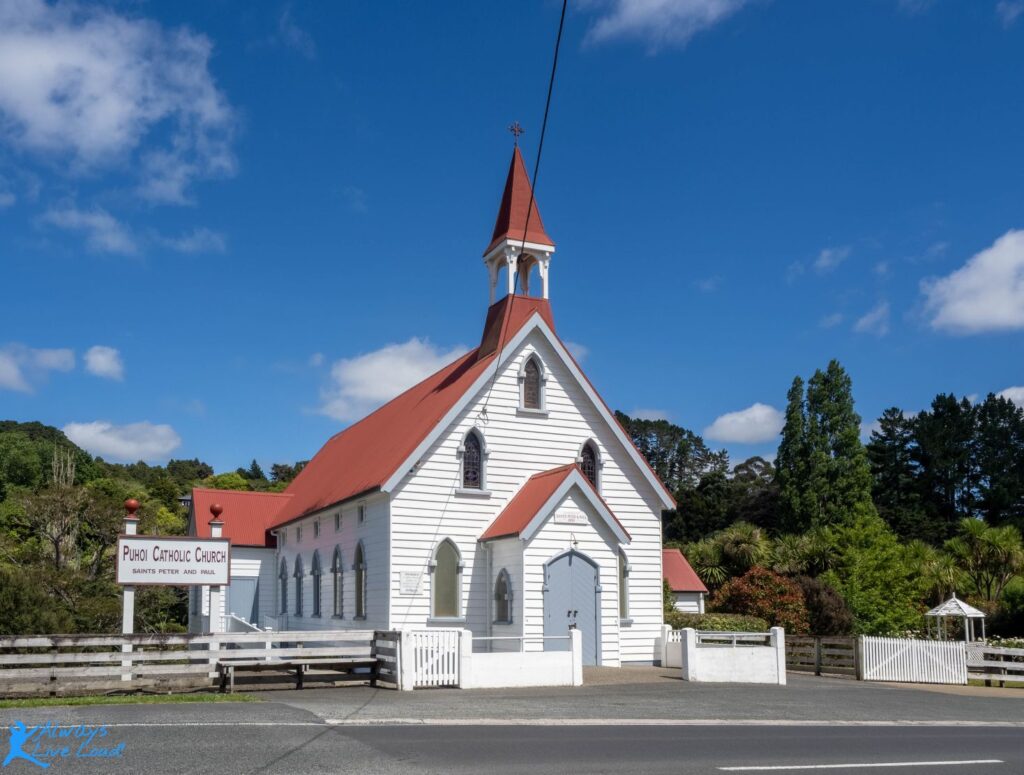
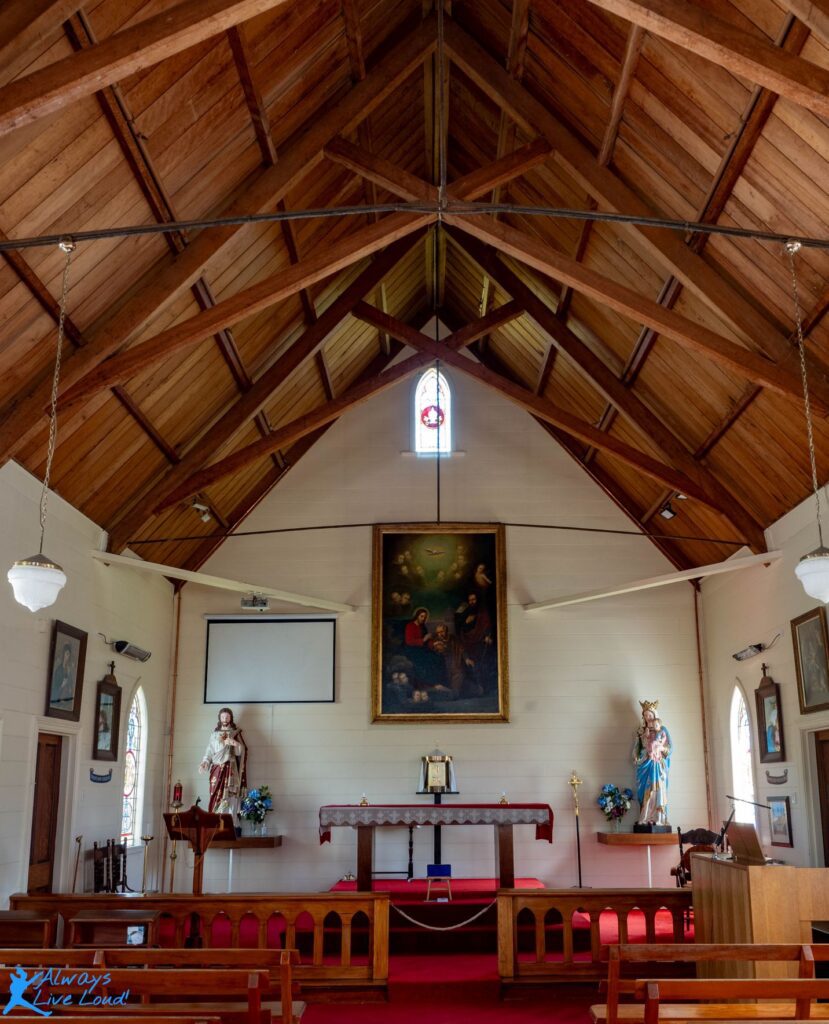
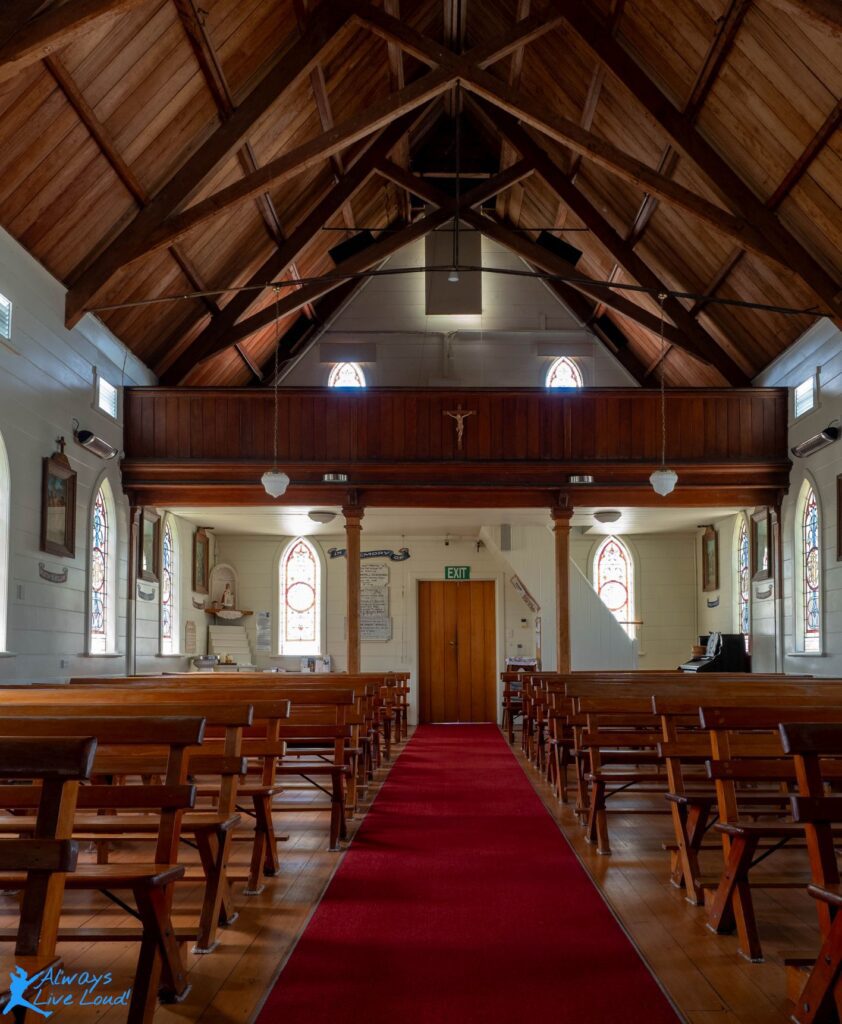
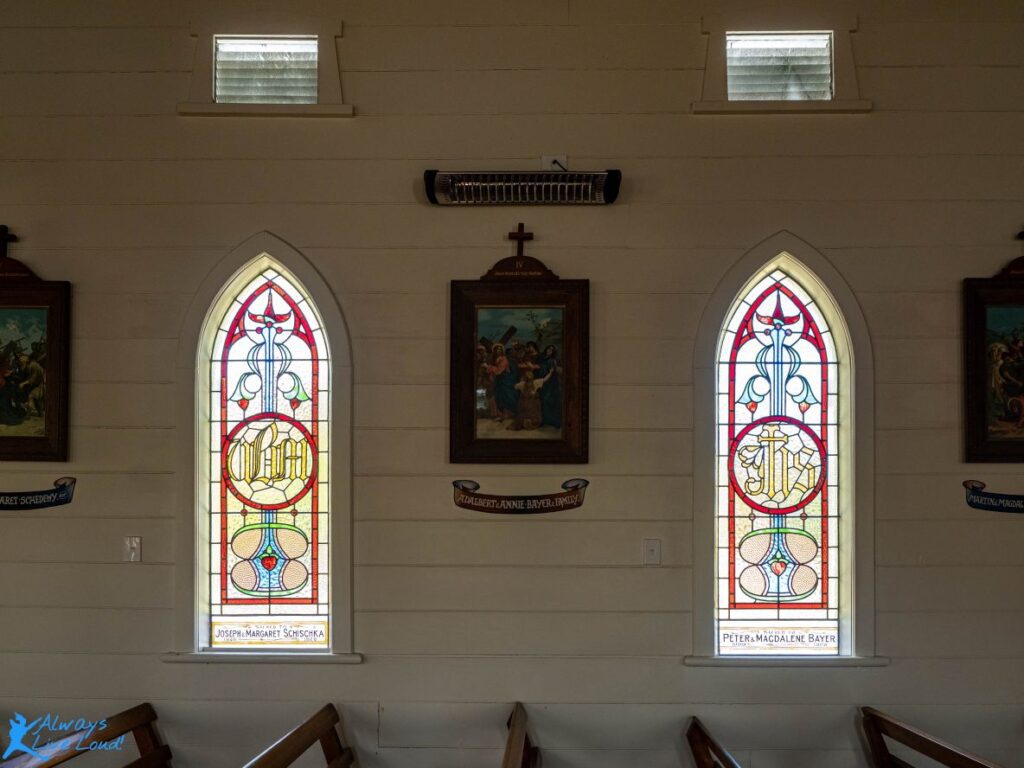
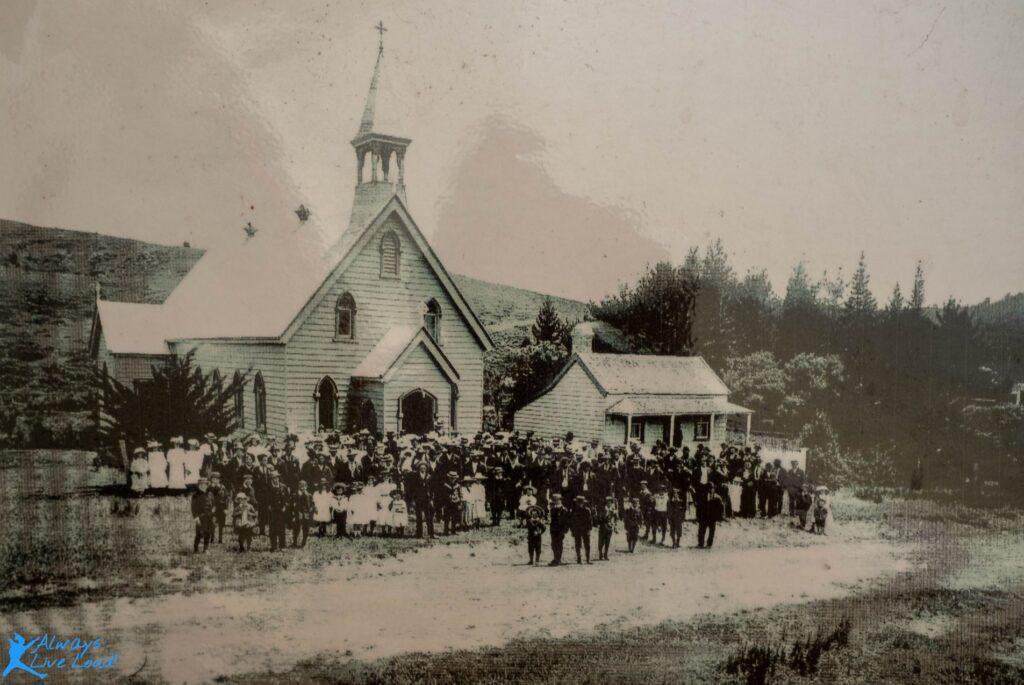
St. Peter and St. Paul’s Church is a historic spot and a great example of Gothic architecture. Known for its stunning stained glass windows and intricate stonework, this church was built by the early Bohemian community and opened its doors on August 10, 1881—just in time for the feast day of Saints Peter and Paul.
The church is an essential link to Pūhoi’s Bohemian heritage, highlighting a unique part of New Zealand’s culture. To keep it safe and sound, efforts have been made to reinforce it with modern materials such as Fibre Reinforced Polymer (FRP).
The Library📖
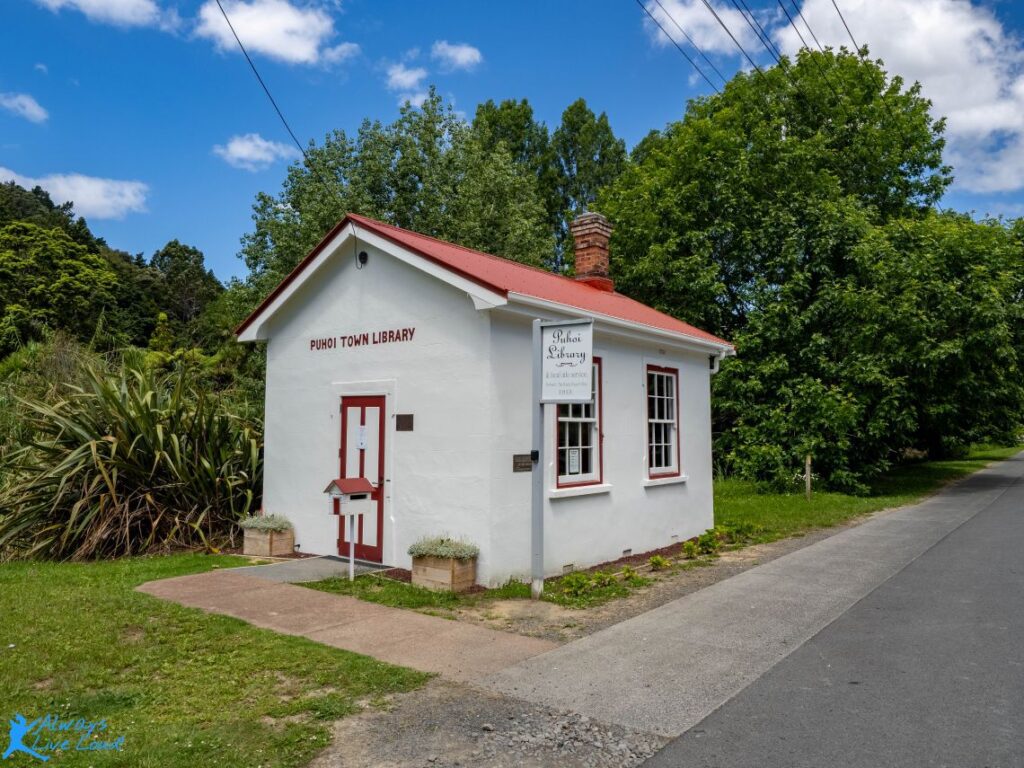

Initially built in 1913 as the local Road Board office, this cute little building turned into a public library in 1923. Today, Pūhoi’s historic Town Library is a charming spot rich in history and important to the community. It keeps the architectural style of its time while showing off the spirit of how Pūhoi has grown over the years, reflecting the town’s dedication to education and public service since the beginning.