New Bedford, Massachusetts
New Bedford, Massachusetts, Known as “The Whaling City,” New Bedford has a rich history and is the sixth-largest city in the United States due to its once-thriving whaling industry.
When my husband and I arrived at our friend’s place, we were delighted to discover that it had once been the famous Wamsutta Mills . These mills were the first to produce cotton cloth, you know!
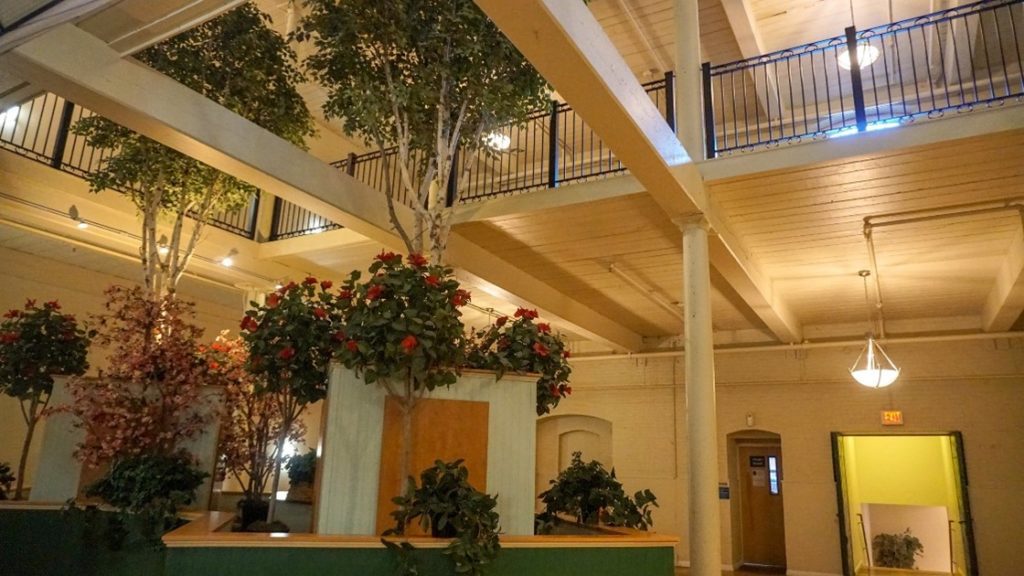
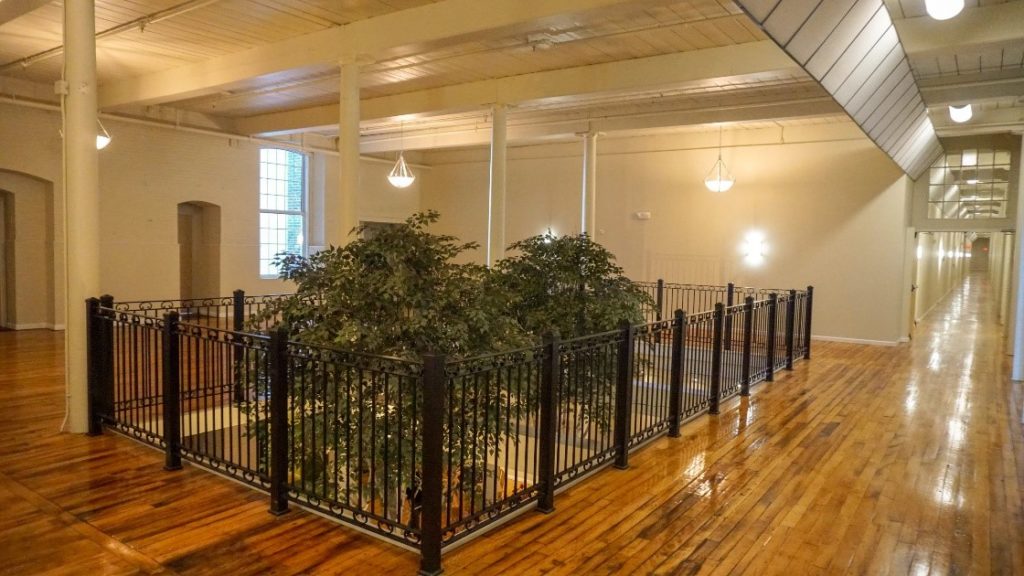
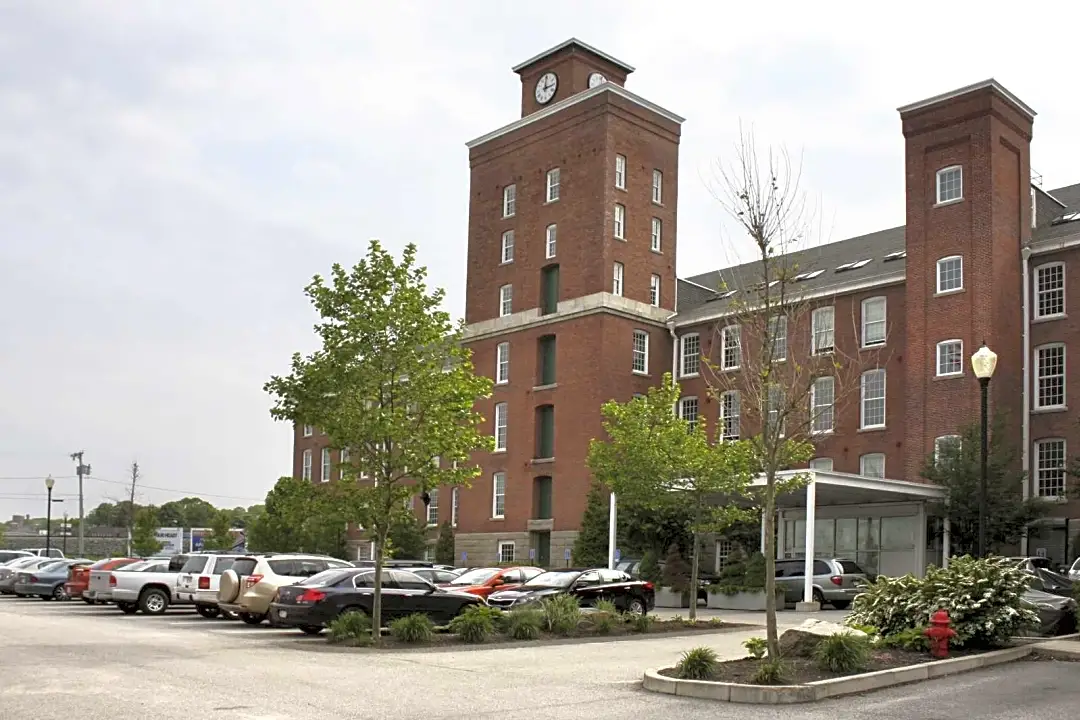
In 1846, Thomas Bennett Jr. built the mill, which opened two years later in 1848. According to the New Bedford Historical Society, New Bedford became one of the leading manufacturers of cotton yarns and textiles in the country after the turn of the century, producing high-quality goods. By 1920, during its peak, there were 28 cotton establishments operating 70 mills, providing employment for 41,380 people.
I had the pleasure of visiting a beautifully renovated textile mill in Downtown New Bedford, Massachusetts, which now accommodates apartments. The experience was both delightful and rejuvenating.
Downtown New Bedford, Massachusetts
I took a leisurely walk on Waters Street, located in downtown New Bedford. The area is steeped in history, and each building tells its own unique story.
Best Bank
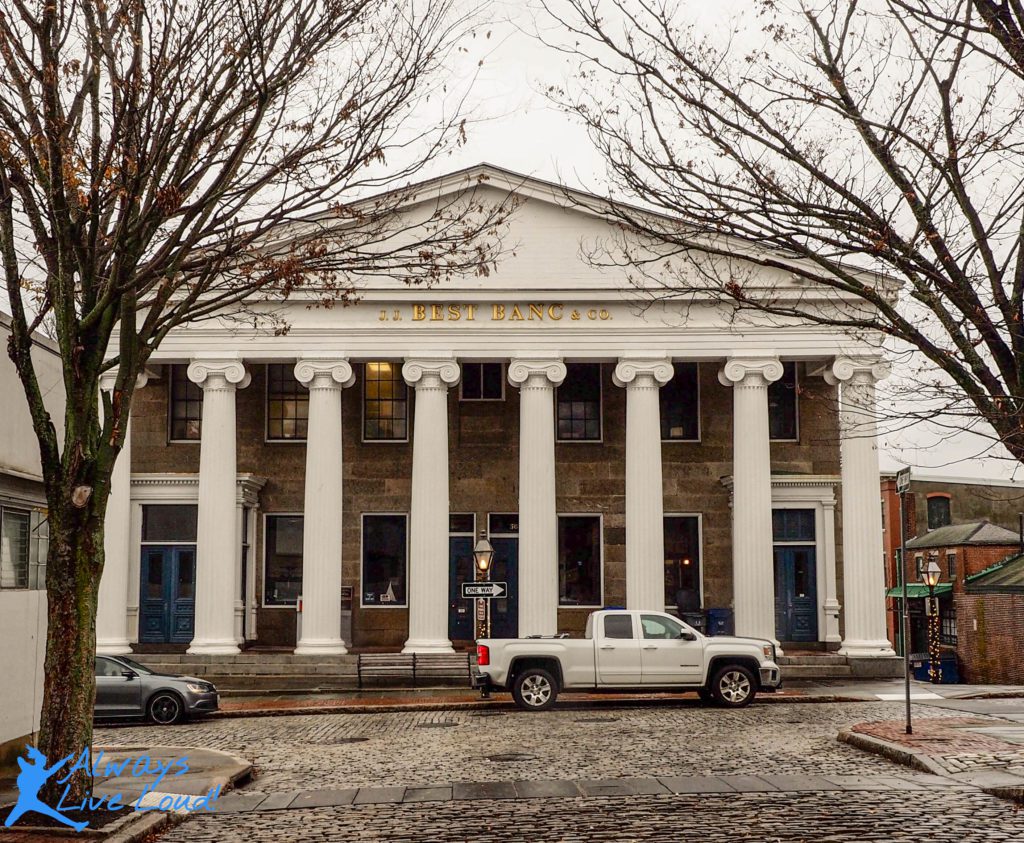
I couldn’t help but notice the distinctive design of the Best Bank building, which piqued my curiosity.
For 61 years, the building housed two banks: the Merchant Bank on the right and the Mechanic Bank on the left.
Waters Street was similar to Wall Street in New Bedford during its heyday. The wealthy whaling elites would deposit their money on the right side, while the modest business owners and skilled professionals would deposit their funds on the left.
Several establishments, such as insurance offices, law firms, county jails, and libraries, are still located on this street.
Mariners’ Home

The Mariners’ Home is located next to the Whaling Museum. During the whaling era, sailors who worked on these ships spent most of their lives at sea. When they returned to port, many of them were poor, unskilled, and unfamiliar with New Bedford, and had nowhere to stay.
The daughter of William Rotch Jr., a prominent whaling merchant, generously donated her father’s house in 1850 to provide refuge to sailors in need of assistance. As the whaling industry declined, the house evolved into a retirement home for retired seamen.
These men led difficult and dangerous lives without much pay. When they were hired for a journey, they weren’t allowed to bring their own things. Instead, they were given an “outfit” with clothes and supplies for the journey, and the cost was deducted from their earnings. Unfortunately, their pay was often so low that they came back with very little or no money at all.
New Bedford Institution for Saving
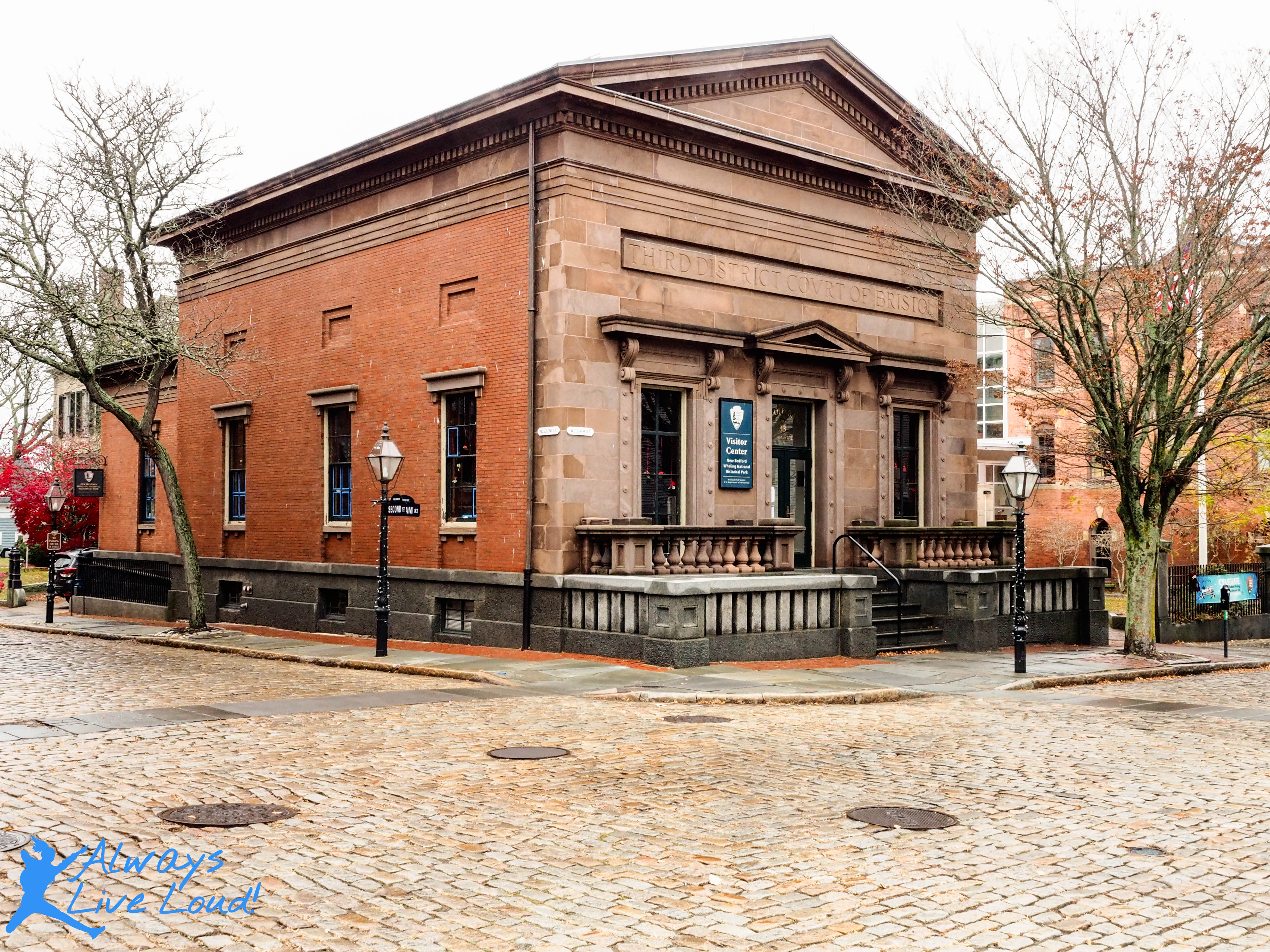
Sure, here is the rewritten text: On the other side of the street, you can find the “New Bedford Institution for Saving.” This building was originally a bank established in 1854 to safeguard the savings of “industrious mechanics, laborers, seamen, widows, minors, and others in moderate circumstances.” However, it has had different occupants since 1899.
The U.S. Customary Duty
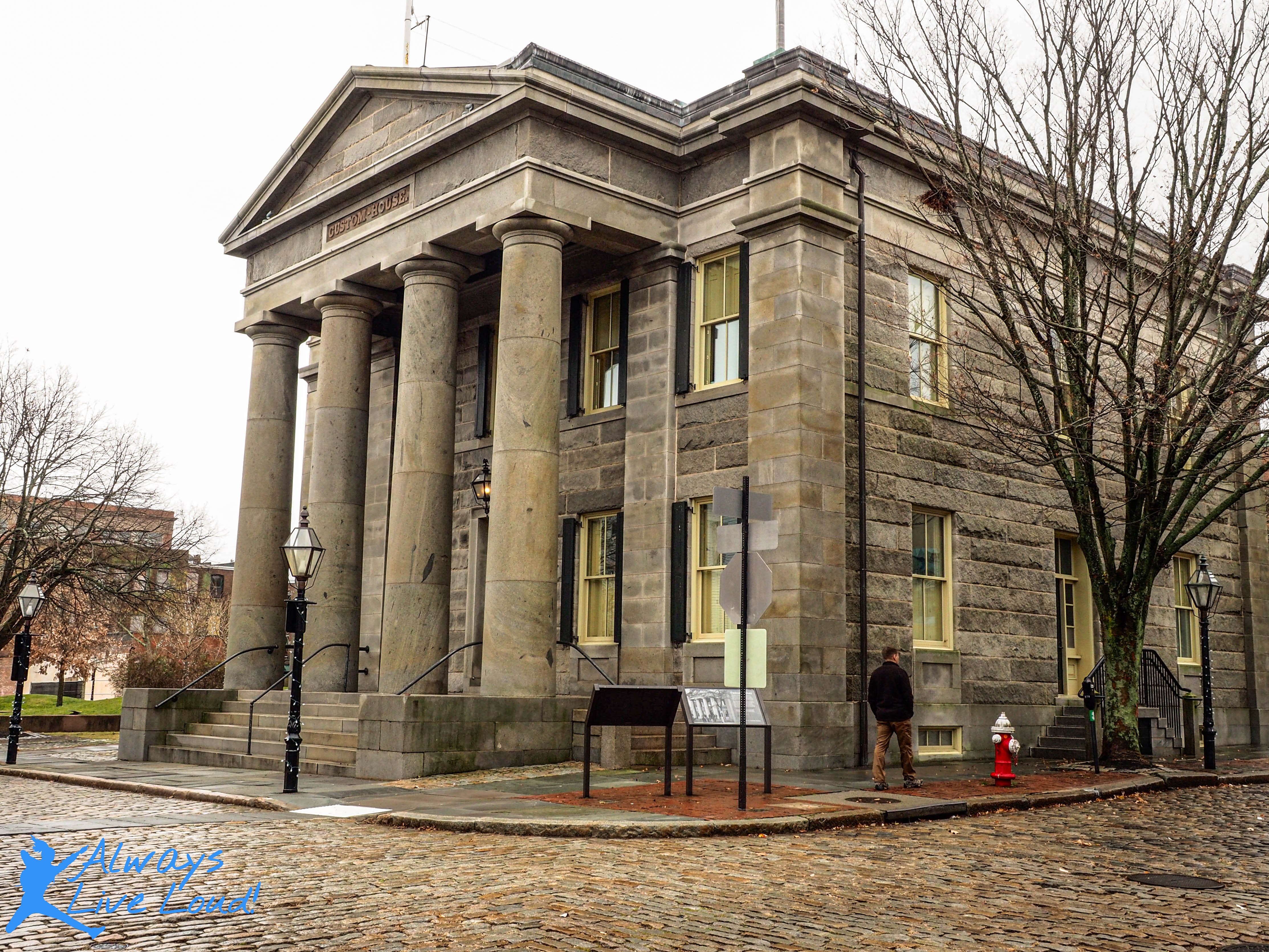
As we walk along the street, we can see many buildings and homes built by wealthy whaling merchants who wanted to be close to the docks and commercial area. They conducted their business in this area and became wealthy from whaling.
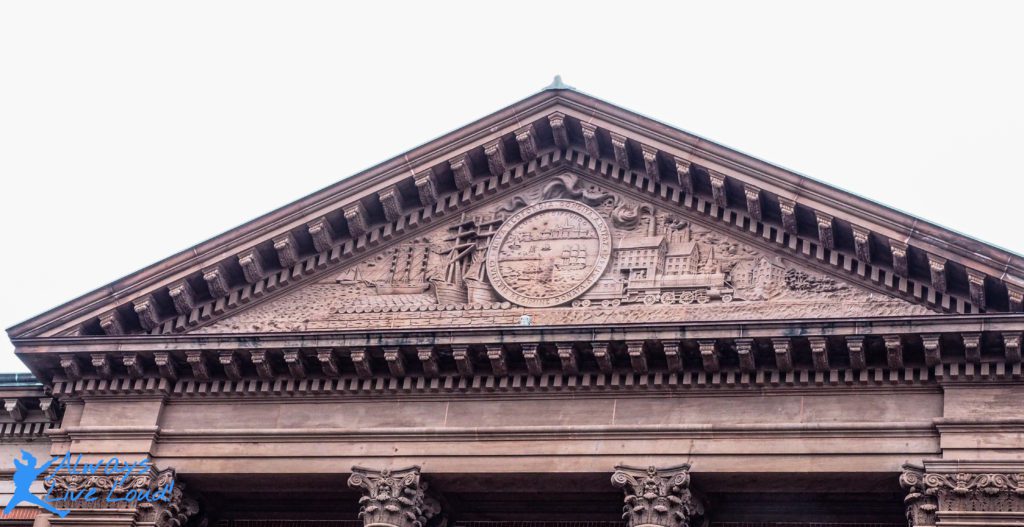
The U.S. Customs Office is located on the right side of the street. Ship captains are required to register their crews and declare their cargo at this location before they can be granted clearance to enter or leave the port.
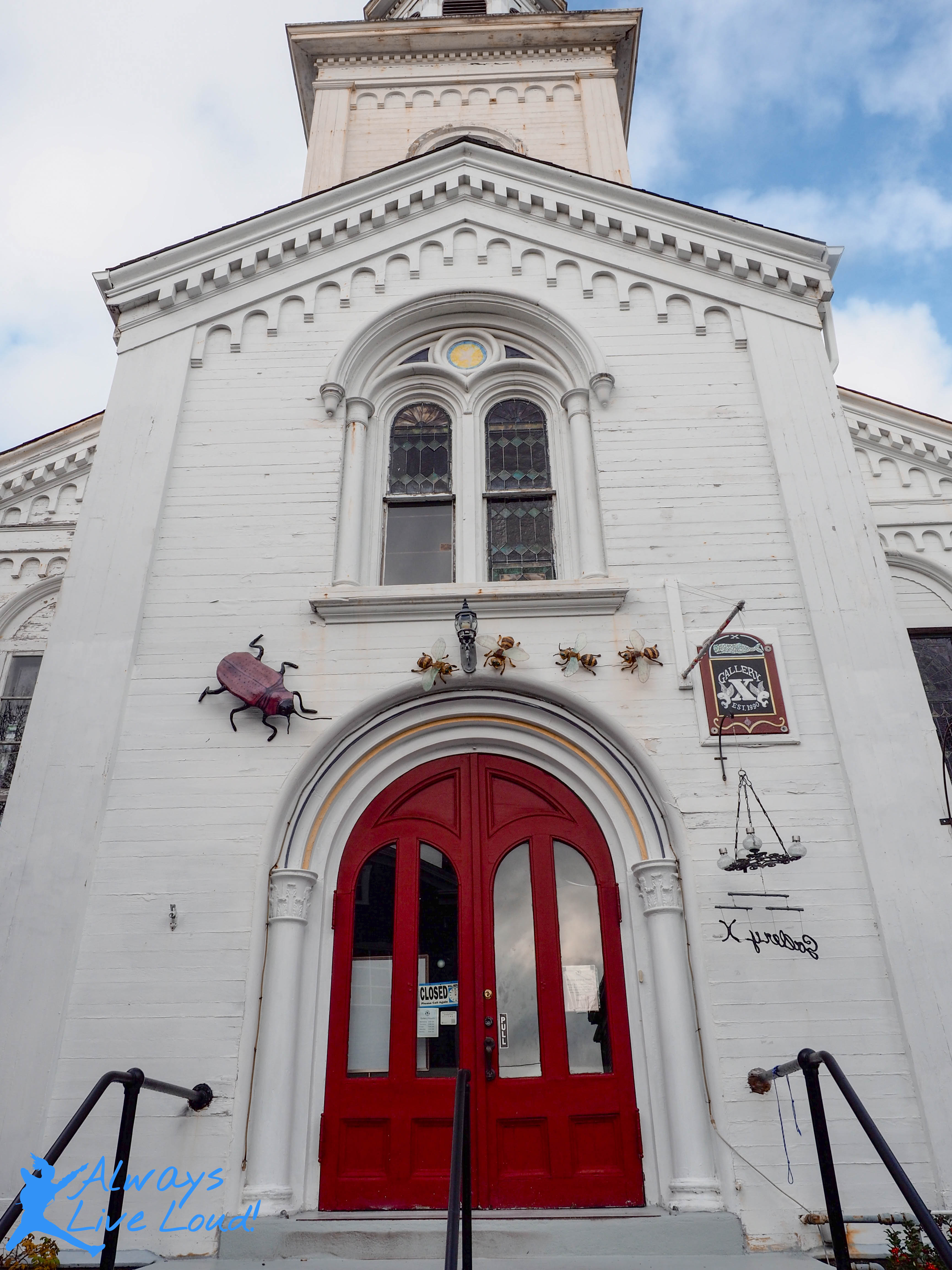
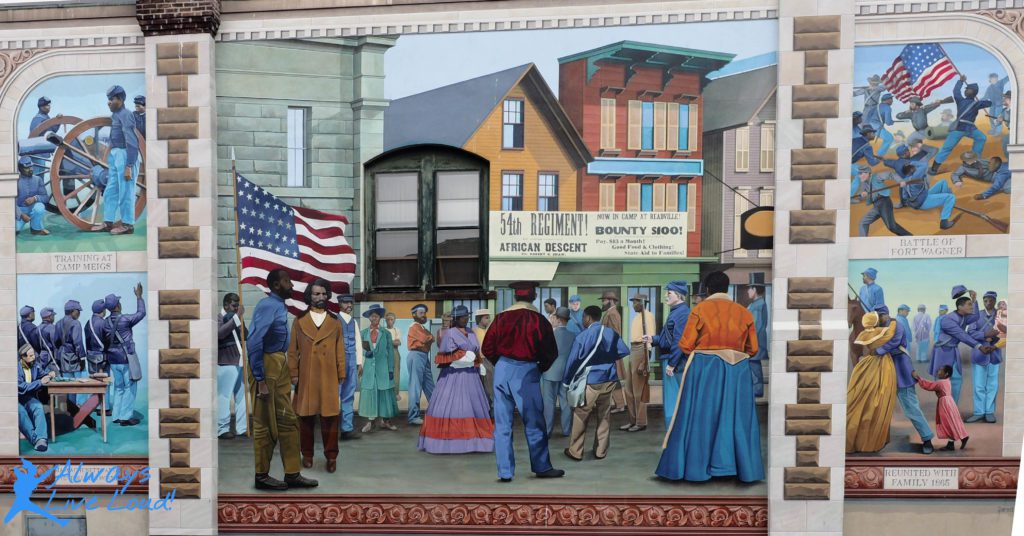
Even in December, the downtown area is bustling with activity and crowds. Despite this, we took a leisurely stroll and admired the historic buildings, stunning architecture, and beautiful art scattered throughout the city.
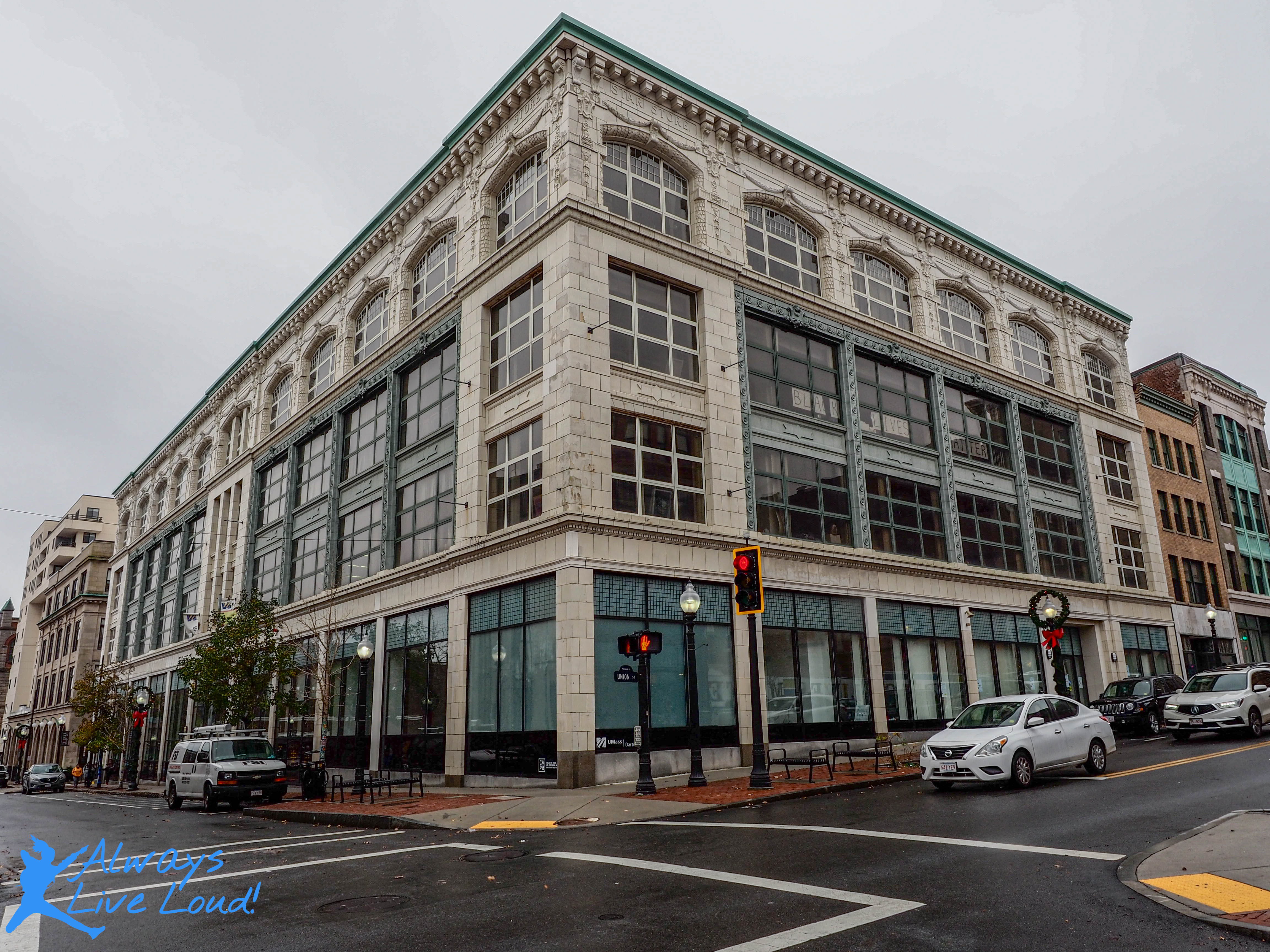

The New Bedford Whaling Museum
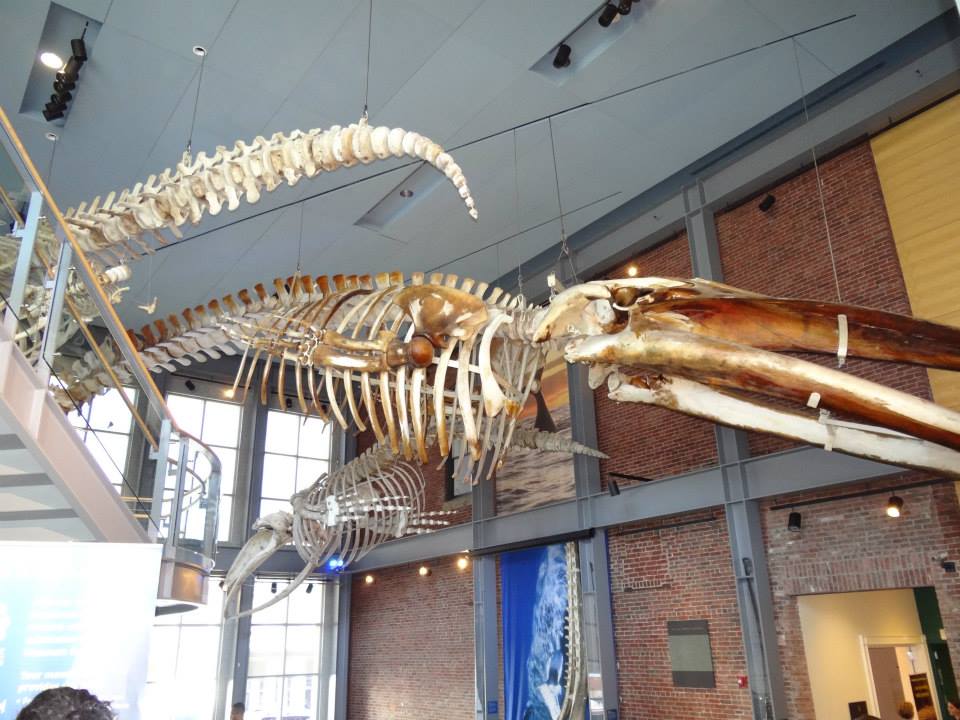
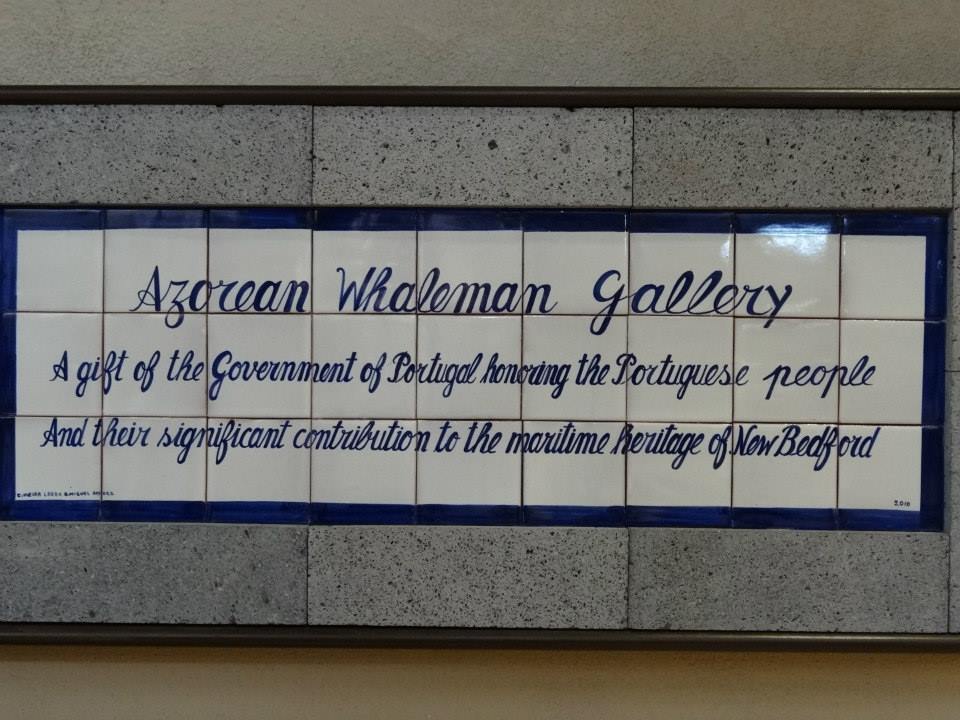
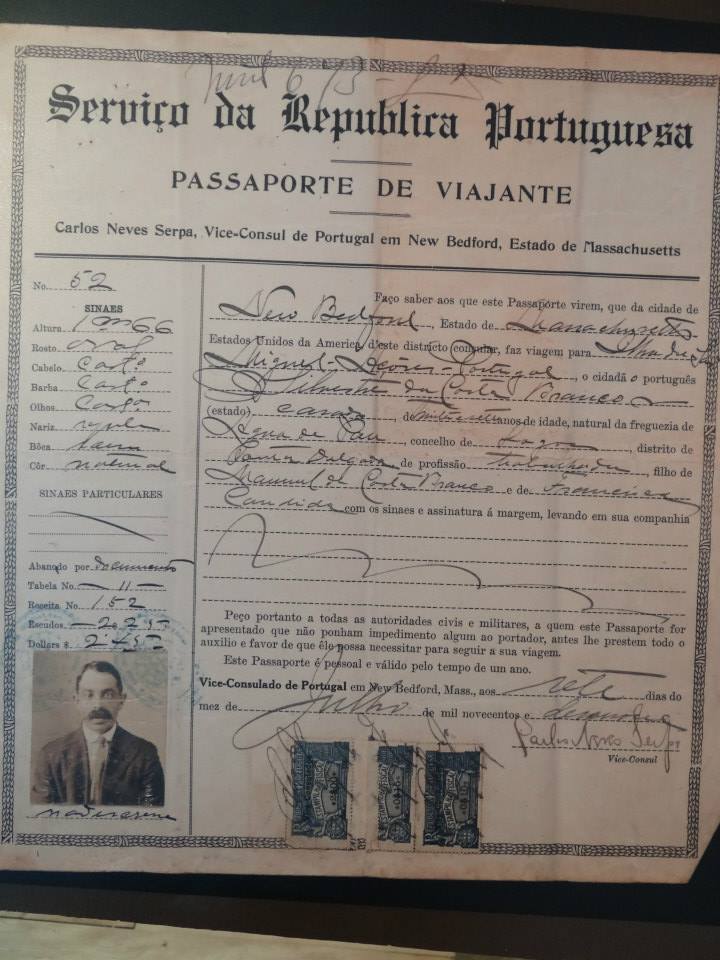
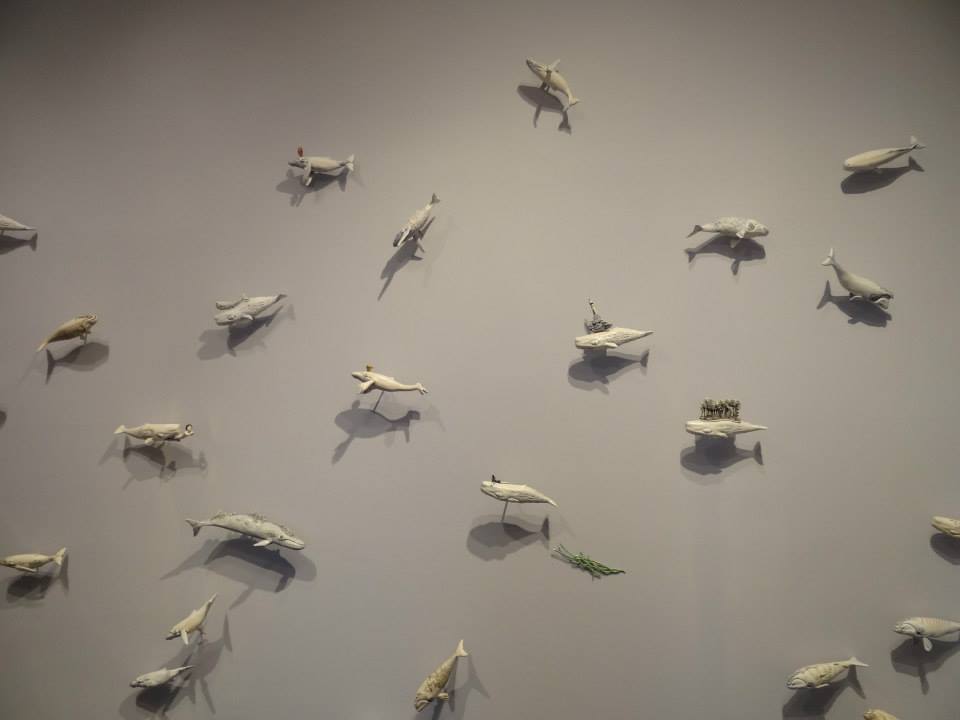
I recommend visiting the New Bedford Whaling Museum The museum provides an intriguing look into the history, science, and art of the whaling industry, as well as its international cultural impact. Additionally, the museum offers programs that address global issues including natural resource depletion, industry diversification, and the significance of tolerance in a multicultural society.
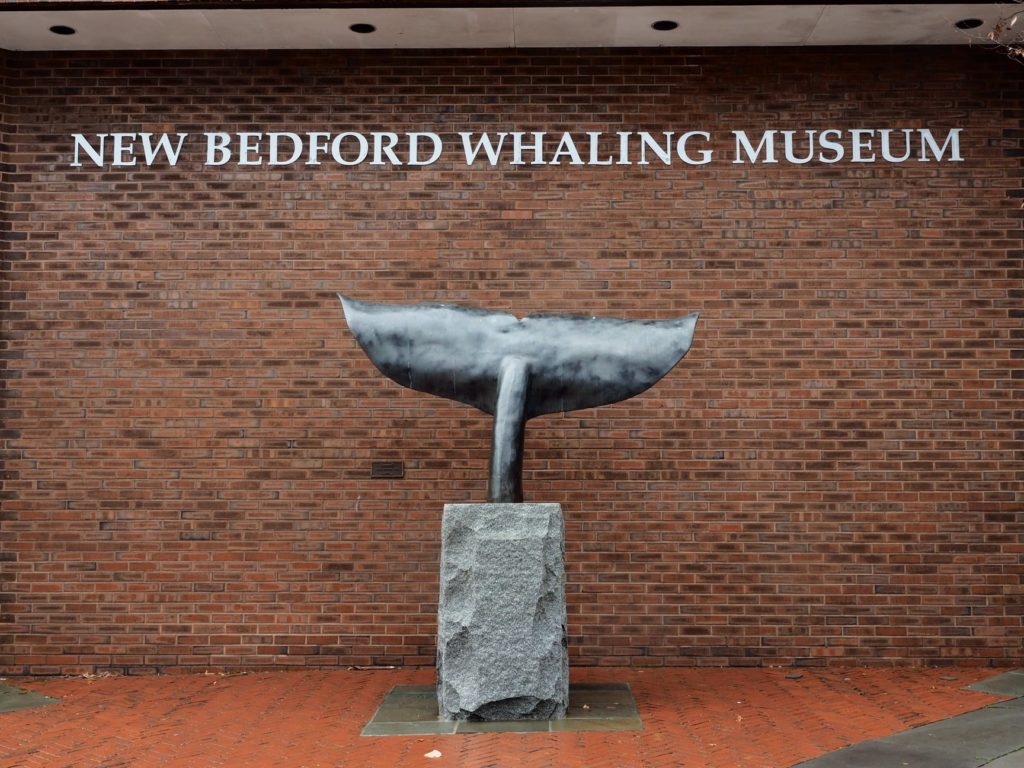
Plan to spend a few hours exploring this fascinating museum.
🌳
“A people without knowledge of their past history,
origin, and culture are like a tree without roots.”
-Marcus Garvey
Make sure to include New Bedford in your travel plans; it’s a must-visit destination. Explore the delightful cobblestone-lined streets of downtown.
Don’t miss the historical landmarks in the area, such as the Fishing Heritage Center, New Bedford Whaling Museum, Seamen’s Bethel, and Mariner’s Home.