This was the story of the most recent event of the 19th Century when immigrants started to pour into New Zealand and try to make a better life for themselves and their families.
At the beginning of the 1850s, settlers discovered gold in the Coromandel area (northeast of the north island). The news ran fast, and many other immigrants came to New Zealand to try their luck. This flux increase of settlers had a colossal impact on New Zealand’s economy, and this was the first major gold rush in Otago.
The idea was to create a town where it could portray the life of the gold rush settler in the 19th Century. Railway and vintage car enthusiasts decided to build Shantytown. Shantytown brought many buildings together to depict immigrant life in New Zealand at the end of the 19th century.
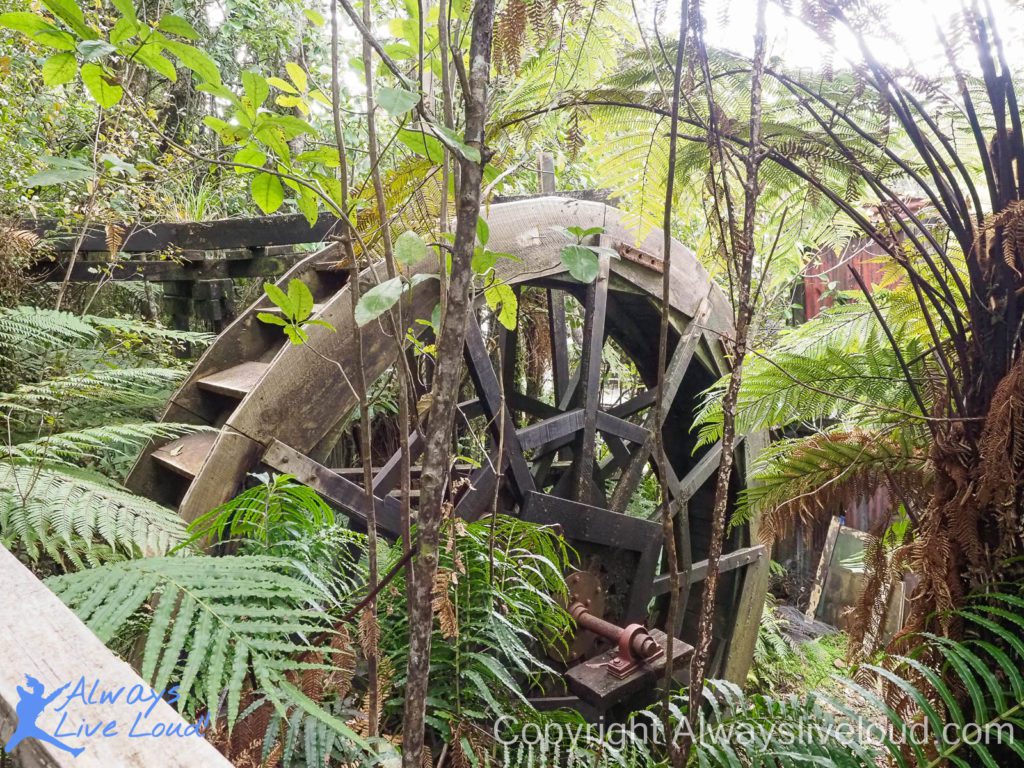
Stamper Battery
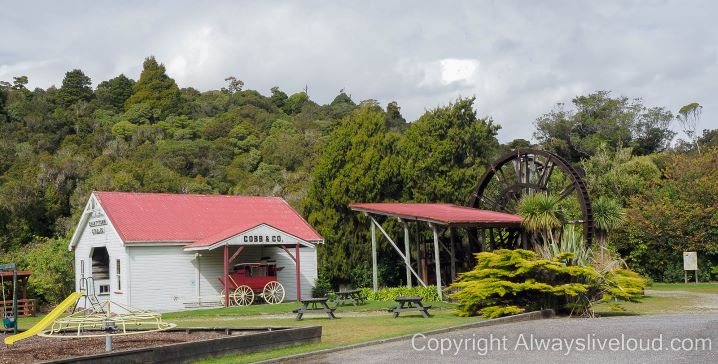
This replica is of the stamper, which crushed quartz to release small gold veins from the grip of the quartz rock. The stamper utilized heavy metal hammers powered by water or steam.
China Town
We can find the critical participation of Chinese immigrants in New Zealand. I think Chinese immigrants help to build nations all over the world. Once again, people reported their presence here.
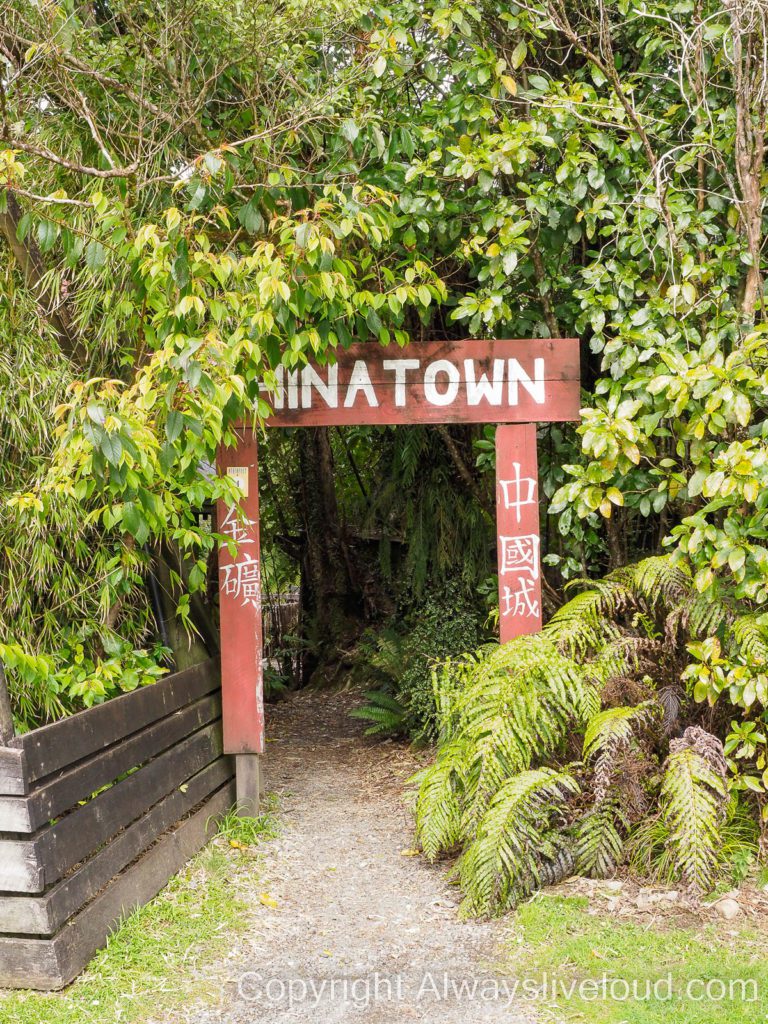
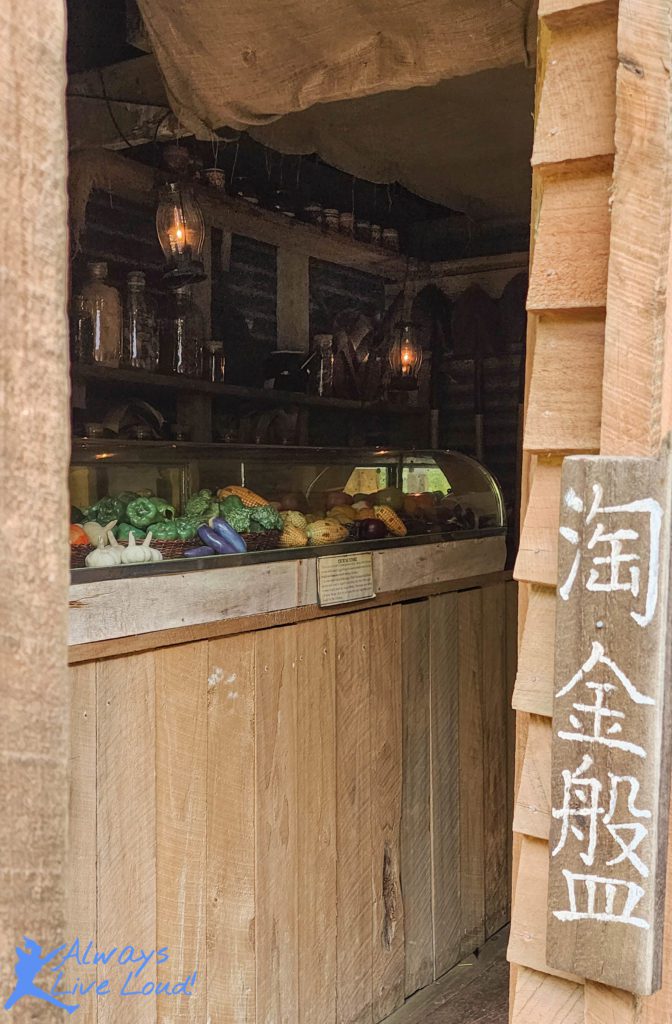
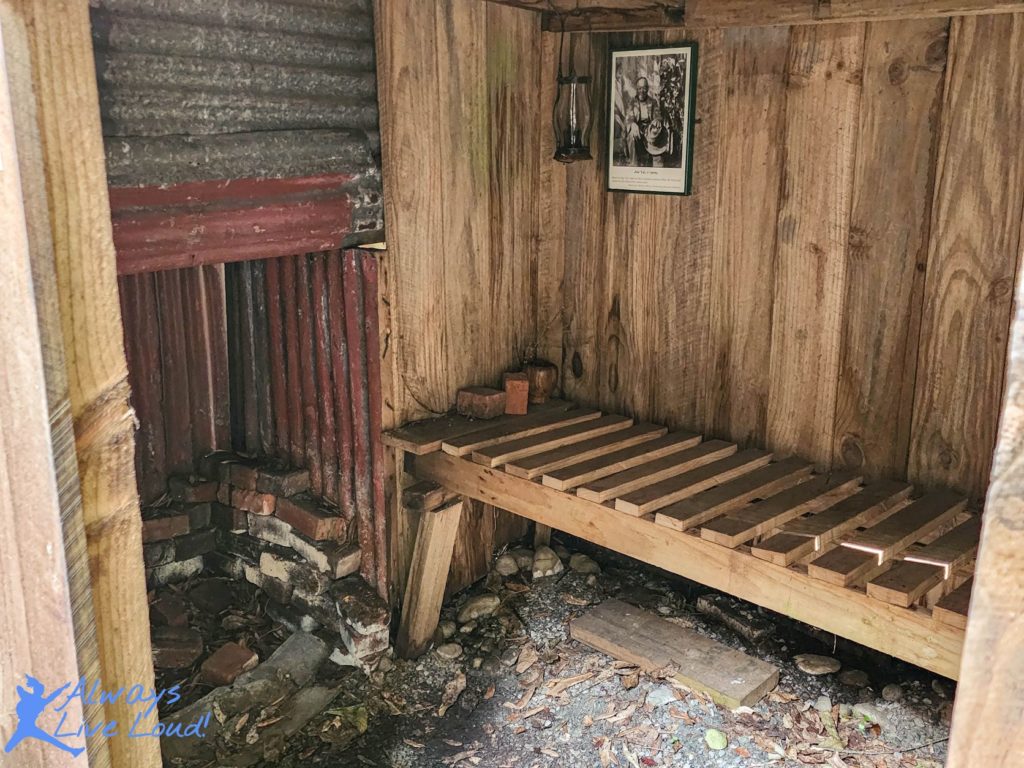
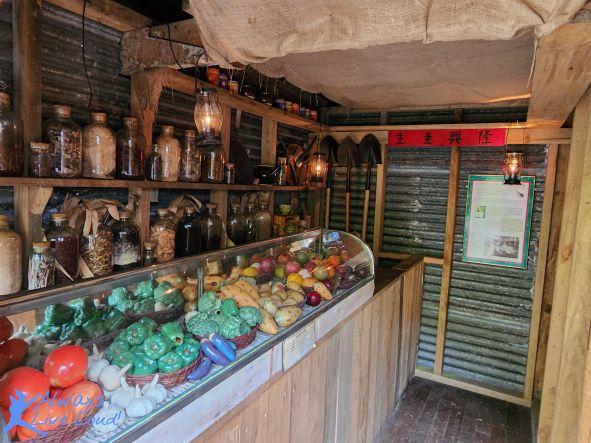
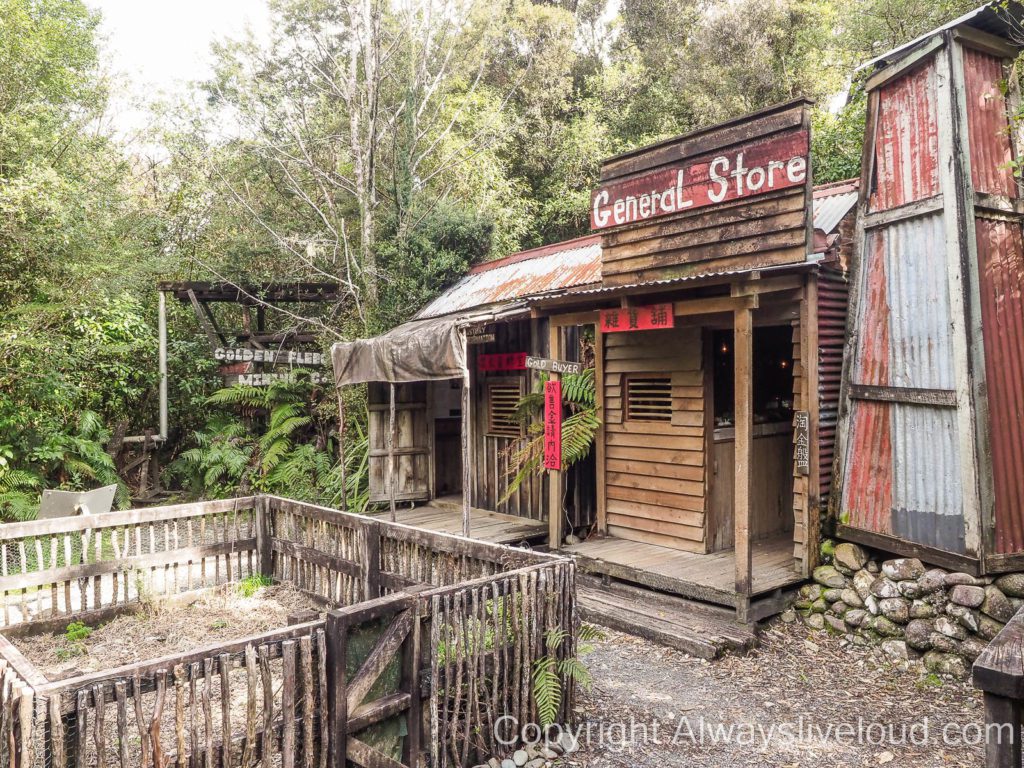
The Chinese began arriving on the West Coast of New Zealand in 1867. The other settlers resented them because they represented competition, despite being hard workers and respectful of the culture and new society.
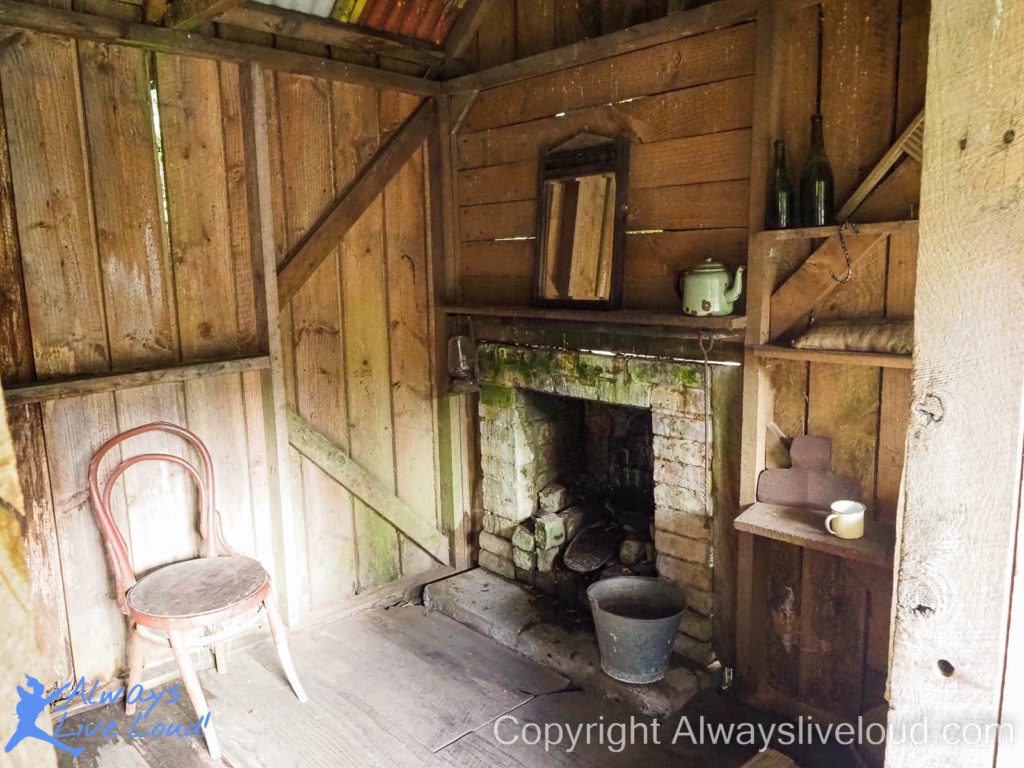
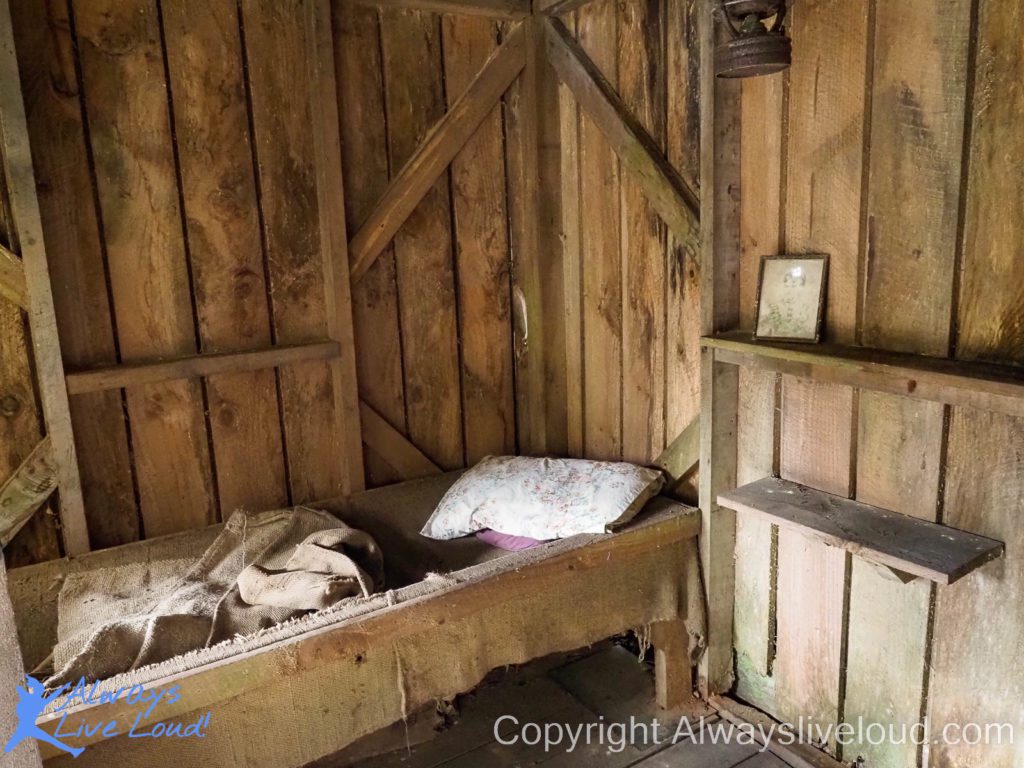
This is a representation of a home for a settler with a family. It was costly to bring the wife to New Zealand. The ones who would come were usually wives of wealthy merchants. In the 1890s, six wives lived in Greymouth (a nearby town). Occasionally, successful miners would marry a local woman.
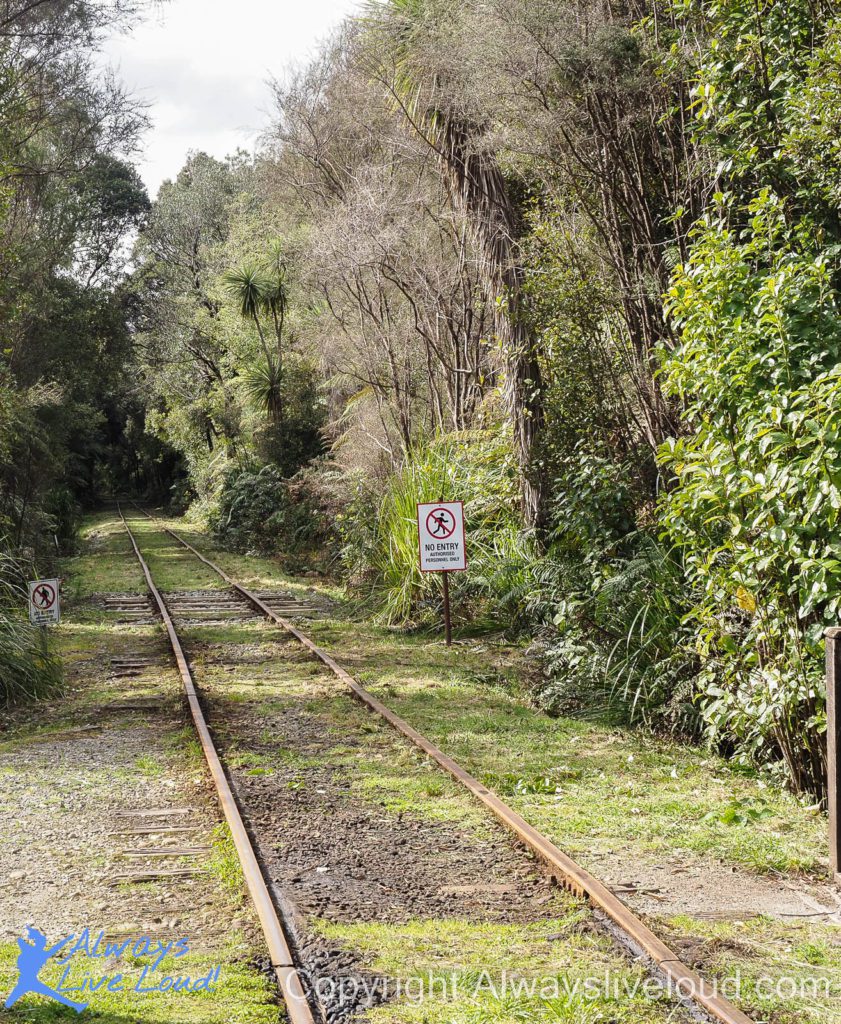
Railway Station and Tramway
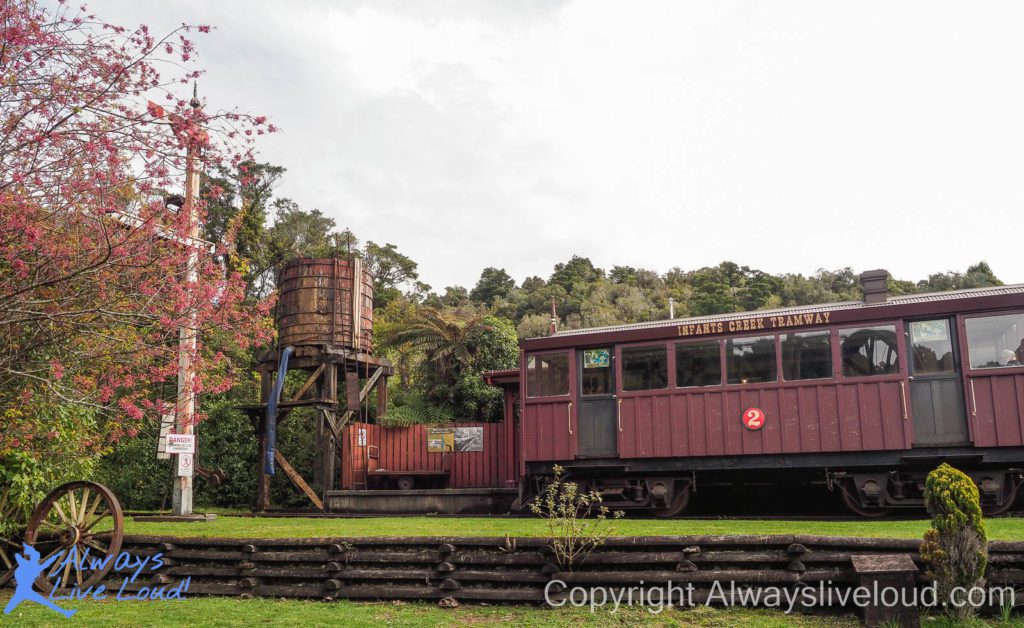
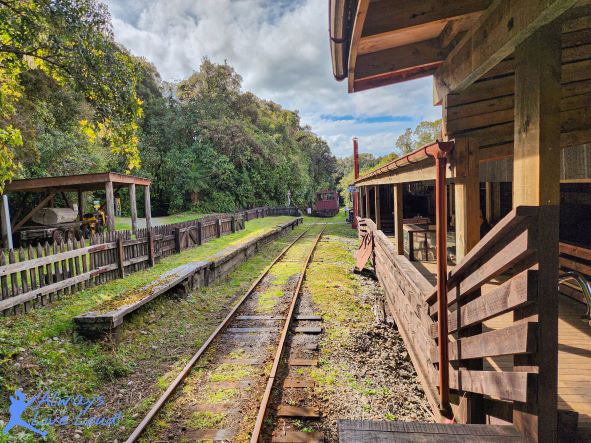
The builders constructed the railway station in the 1900s. The train was a significant renovation that linked the little towns dispersed in New Zealand. Market gardeners and dairy farmers sent their products to the city, and newspapers and mail arrived by train, as we know, both essential news sources and gossip.
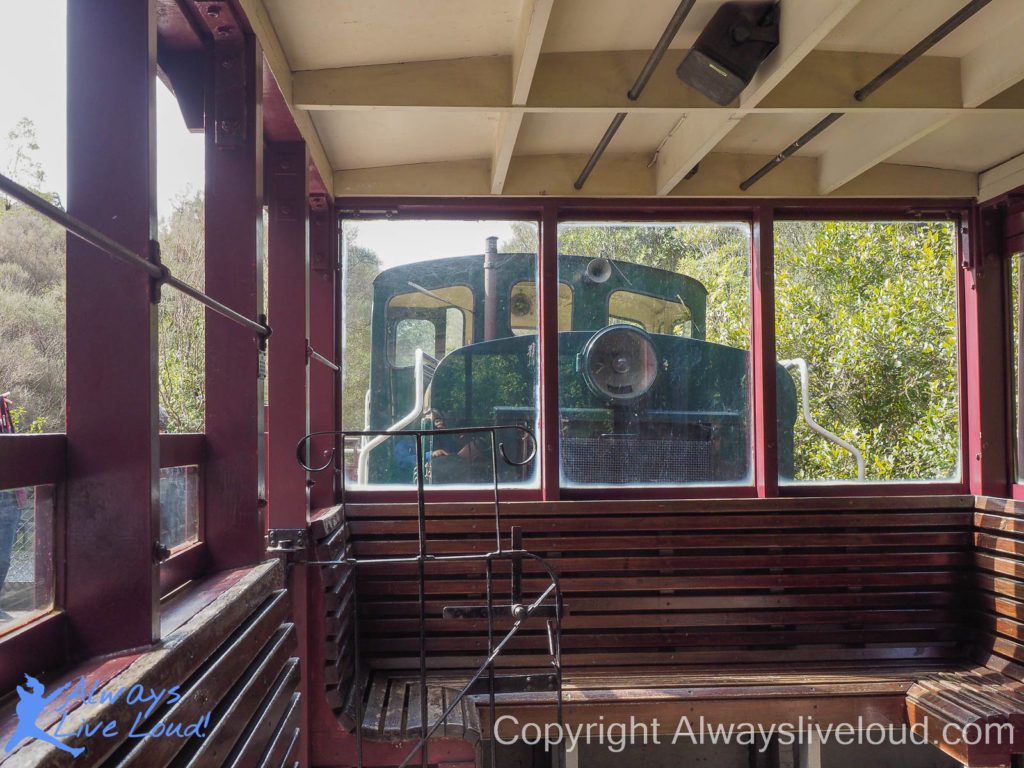
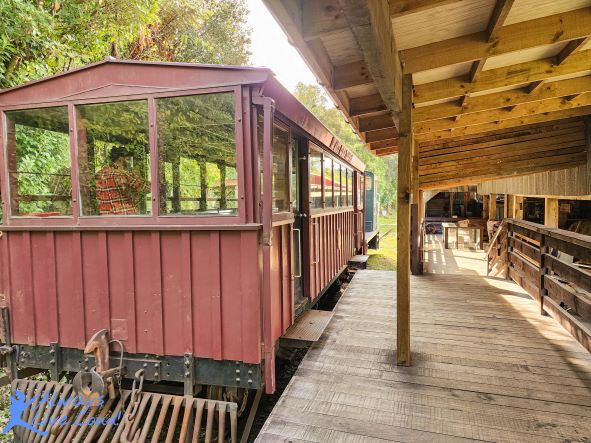
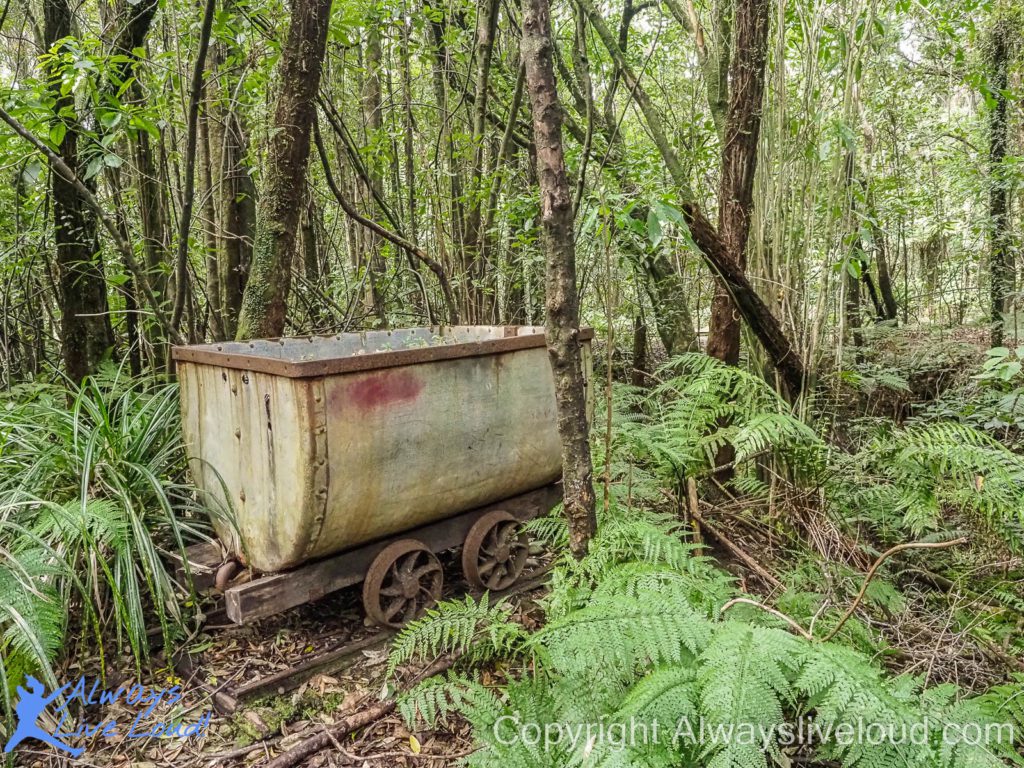
This locomotive is a type and scale of the native forest bush tramway. This tramway is one of the three rare bush trams that have been preserved in their original conditions.
Sawmill
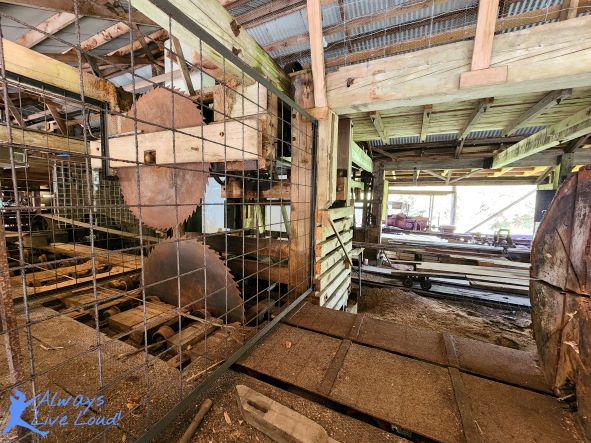
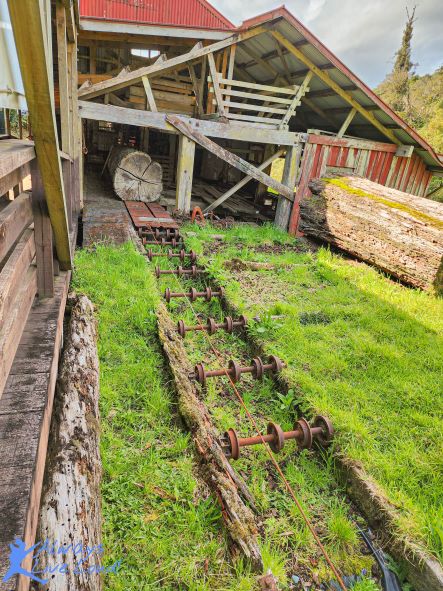
The sawmill was relocated from Browns Creek near Ikamatua. Until the 1890s, there were a lot of sawmills like this one. Due to the operating costs, the mill was forced to close.
Jail
The nimers population was law-abiding and careful about their business. There were some villainous characters among this populace. According to the Shantytown Museum: “The burgess-Kelly gang were active on the West Coast for a few months and boasted that they had ‘put away thirty’ isolated miners whose disappearance wasn’t noticed.
Two men were hanged on the West Coast, Anthony Noble for the murder of an eight-year-old girl in 1871 and John Donoghue for the murder of his neighbor, James Gifford, at Dunganvile in 1884″.
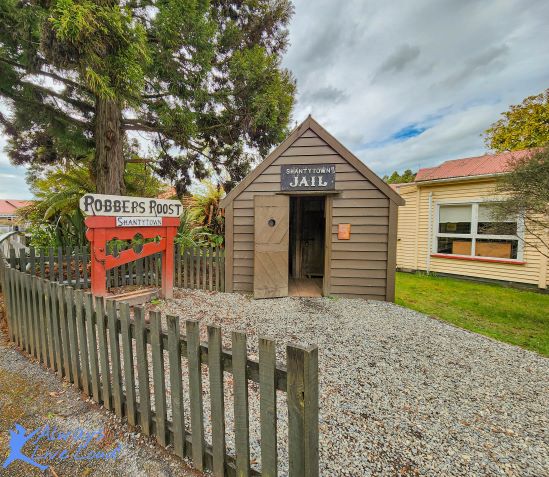
The towns were usually not violent; they were like any other town. Usually, the imprisonment was for drunkenness, assault, debt, or having no visible means to support.
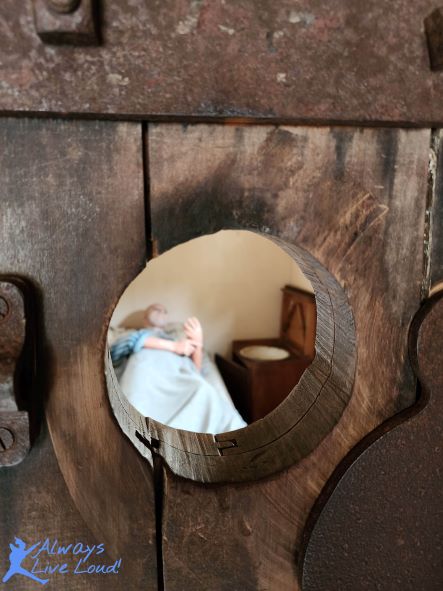
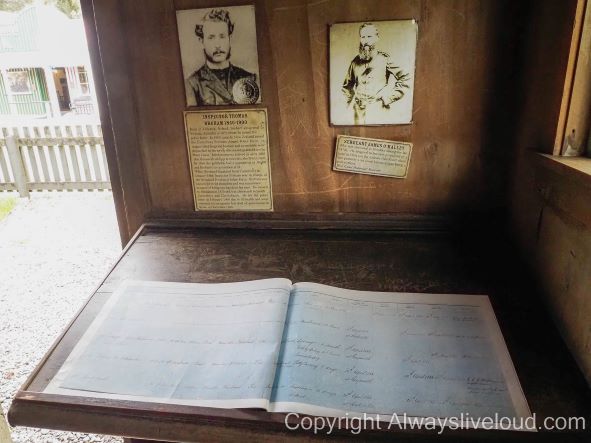
Small confinements like this one were for restraining prisoners on their way to Hokitika, including those who had a short sentence by the local magistrate.
The daily ration for a male prisoner doing hard labor in 1868 was:
- 8 ounces of oatmeal
- 20 ounces of bread
- 12 ounces of meat
- 16 ounces of potatoes
- One once of the sugar
- 1/2 ounce of salt
- 1/2 ounce of soap
Gold Panning
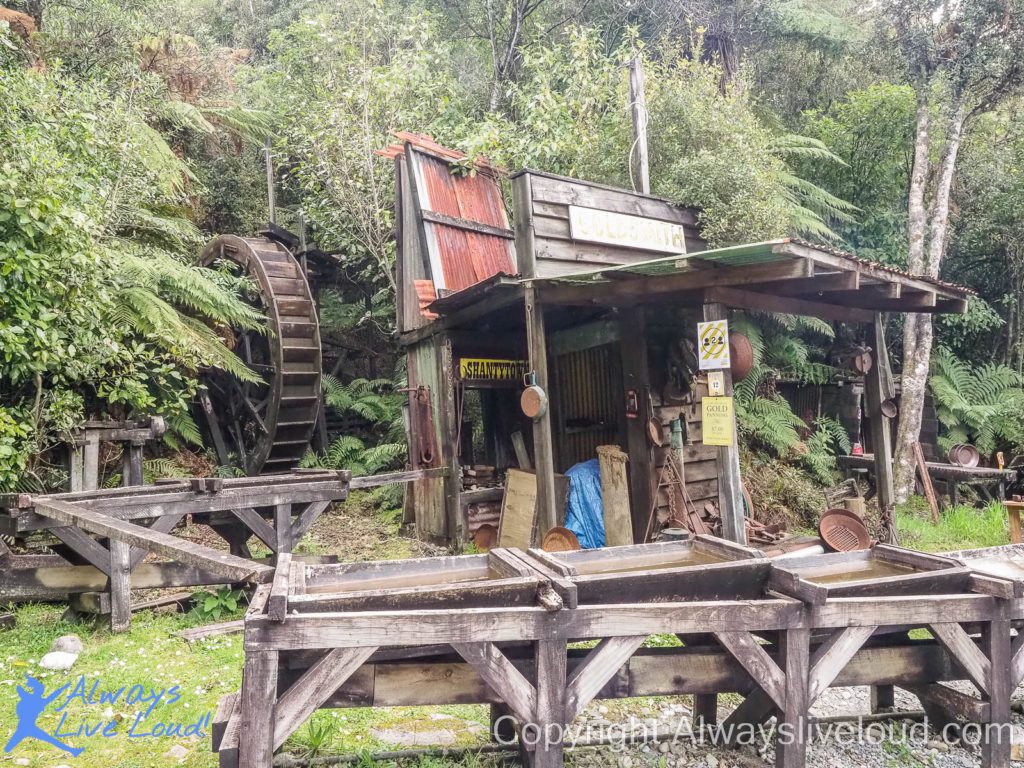
For NZD$7, you can have the panning experience.
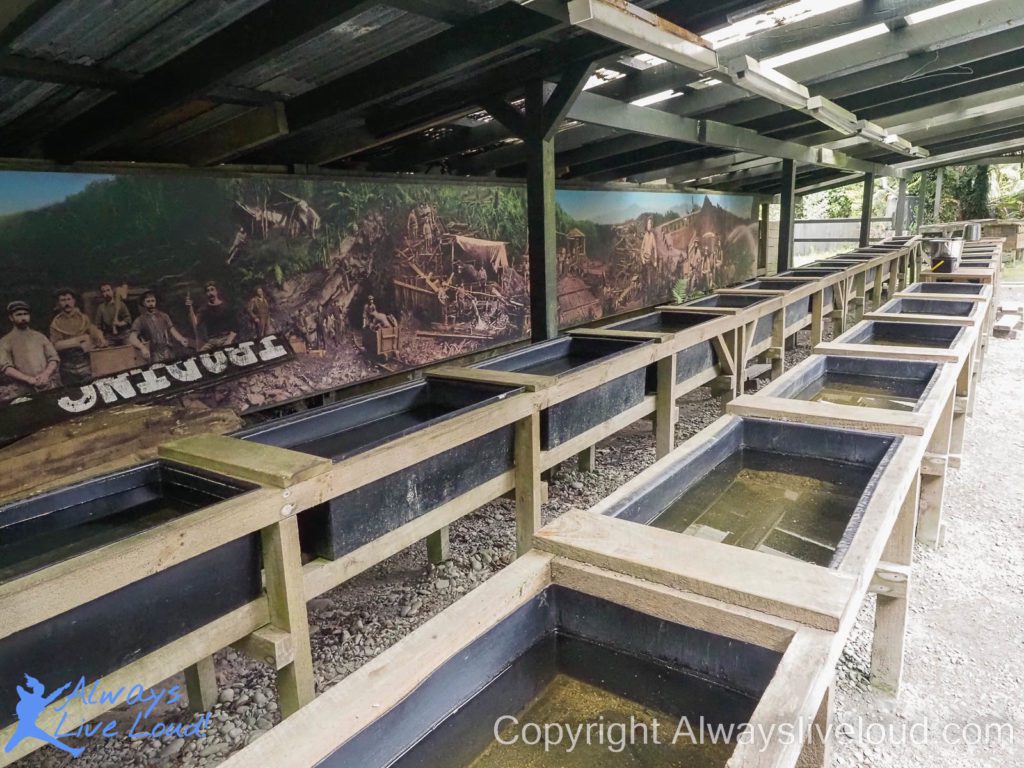
Nearby, there is an old sluicing claim, a rough backcountry shanty, and Rosies’house.
Post Office
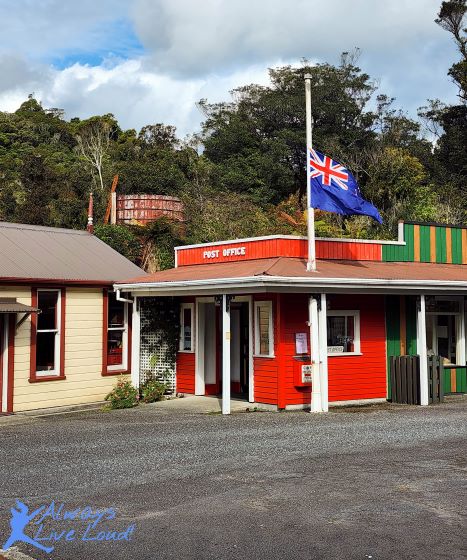
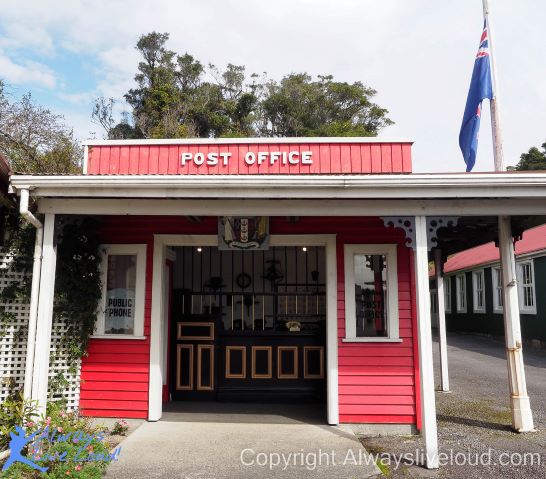
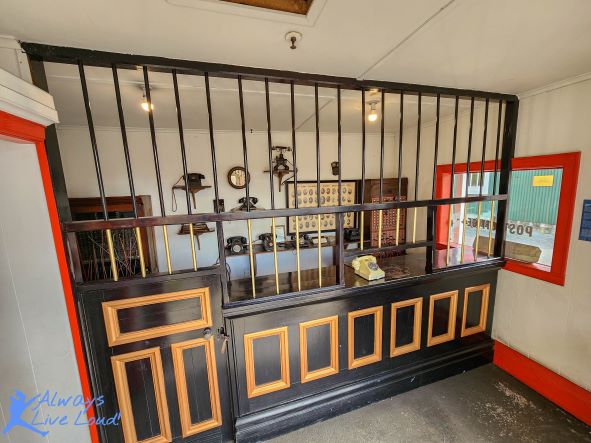
It opened in Grey River on 1 August 1864. Rueben Waite, the first storekeeper on the West Coast, managed it. Before the Post Office opened, the mail was carried by local Maori. After, the mail would arrive at Hokitika, Greymouth, and Westport by sea and then be carried by mail carriers on horseback. In October 1865, the Hokitika post office ran out of stamps. You can see how important the mail has become.
Bakery
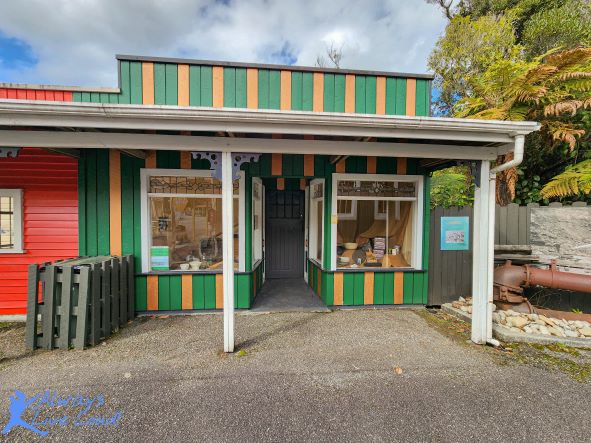
The bakery was an essential part of people’s life at that time. Every morning, a fresh load of bread was baked. Usually, the baker was a shopkeeper and delivery roundsman. Bread bakers were usually men, and pastry cooks and cake bakers were often women.
Church
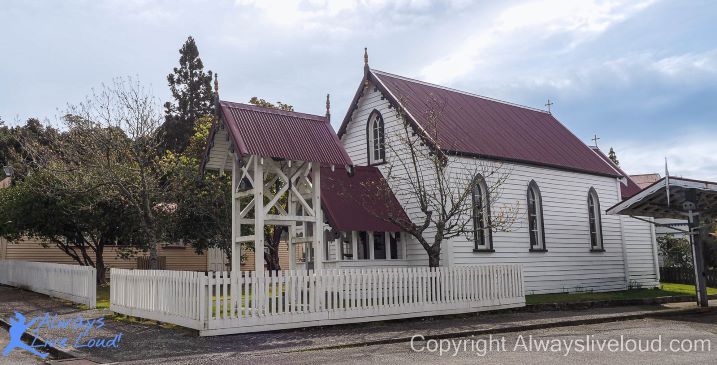
This inter-denominational church was initially built in the gold-mining town of No Town in 1966. It was made of a softwood called Kauri, which grows on the northern island. The church was sent as kits to Grey River, and No Town’s was the last destination. By 1922, No Town had become a ghost town and had been donated to Shantytown.
Bank of New Zealand
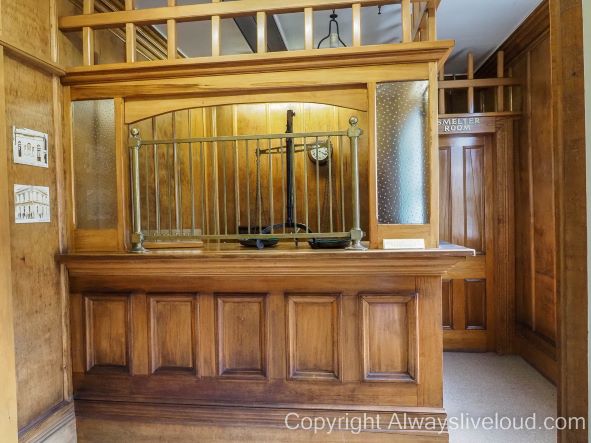
BNZ was built in a small town on the West Coast. It was formed in 1861 and opened a branch in Hokitika in 1865 due to the gold rush period. The building was made of solid brick and worked and guarded by double doors of massive iron.
Golden Nugget Hotel
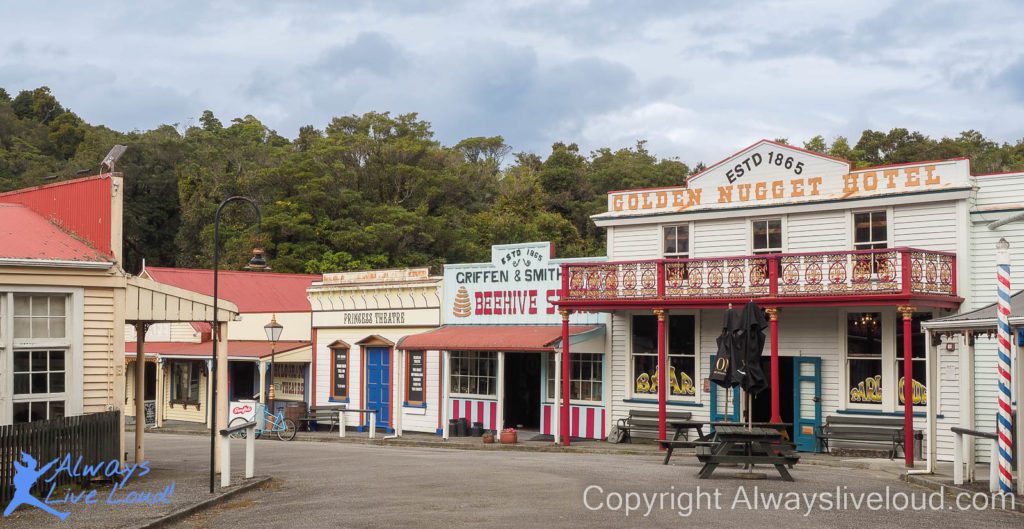
The West Coast had hundreds eager to cater to the miner’s thirst during the gold rush. The proprietors had barmaids to convince the miners to spend their gold. This was the busiest place in town.
Barber Shop
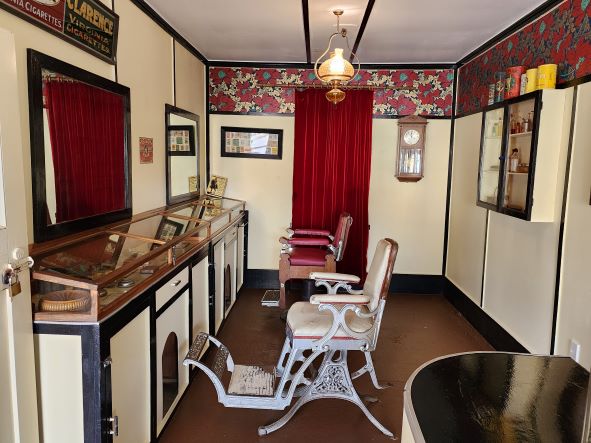
The Barbershop was a versatile place because the barber did not only cut hair and shaved beards. But he also pulled teeth and read and wrote letters for illiterate people. He also sold tobacco and kept a newspaper library for his clients. This was the male world gossip. They would spend hours at the Barbershop.
Shoe Store Hannah
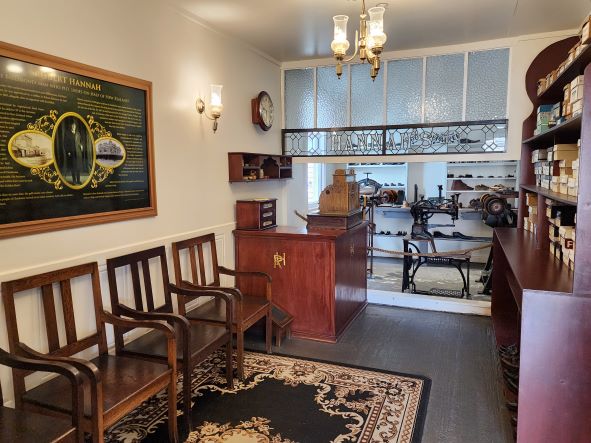
Shoes were a must, so any town, even the smallest, would have a shoe store. Due to the nature of the work and the rugged country’s environment, the boots must be constantly repaired. Robert Hannah became one of the largest shoe manufacturers and retailers in New Zealand. While traveling in New Zealand, I have often spotted Hannah’s shoe stores.
Fire Station
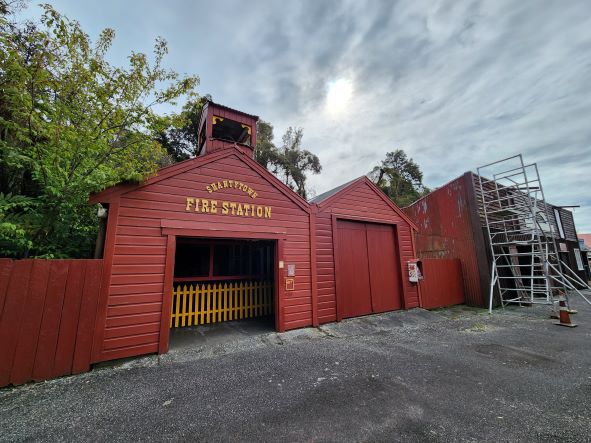
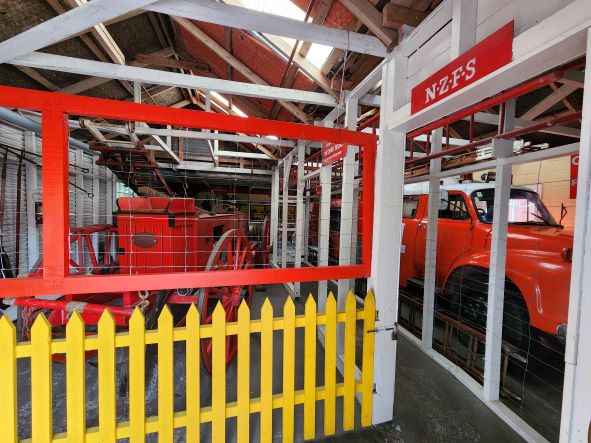
The volunteers’ Fire Brigade was established on 27 April 1867. The equipment was acquired with money donated by the residents. The equipment was a second-hand fire engine imported from Melbourne, a four-wheeled hook, a ladder carriage, 20-foot ladders, 20 leather buckets, and assorted hoses.
I hope you enjoyed visiting Shantytown. This little town has a lot to see and read. If you come to visit Hokitika, you can swing by Shantytown.
The photos do not do justice to how beautiful this place is. If you like history and step back in history, you should come over here and delight yourself at Shantytown.
“Travel and change of place impart new vigor to the mind.”