Visiting and Working in Antarctica is probably a dream for many. Antarctica is currently the least explored continent on Earth and is probably the most complex and expensive place to reach. Nearly all of the continent’s surface is under permanent ice cover. In some places, the ice reaches over a kilometer in thickness. Scientists or contract workers are the main travelers to Antarctica, supporting ongoing scientific research projects.
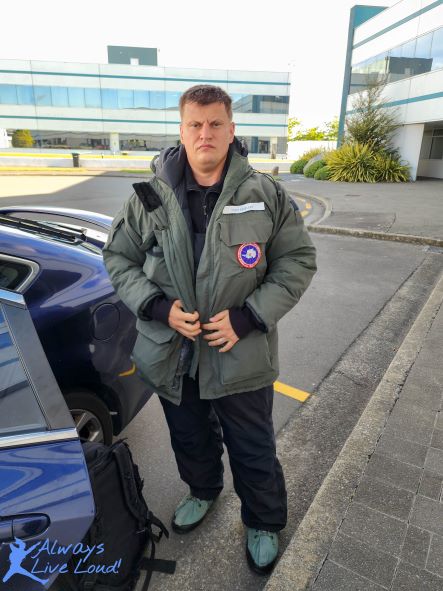
I am a US government employee providing food safety inspections to National Science Foundation (NSF) in Antarctica. My job is to travel to Antarctica at the beginning and the end of austral summer.
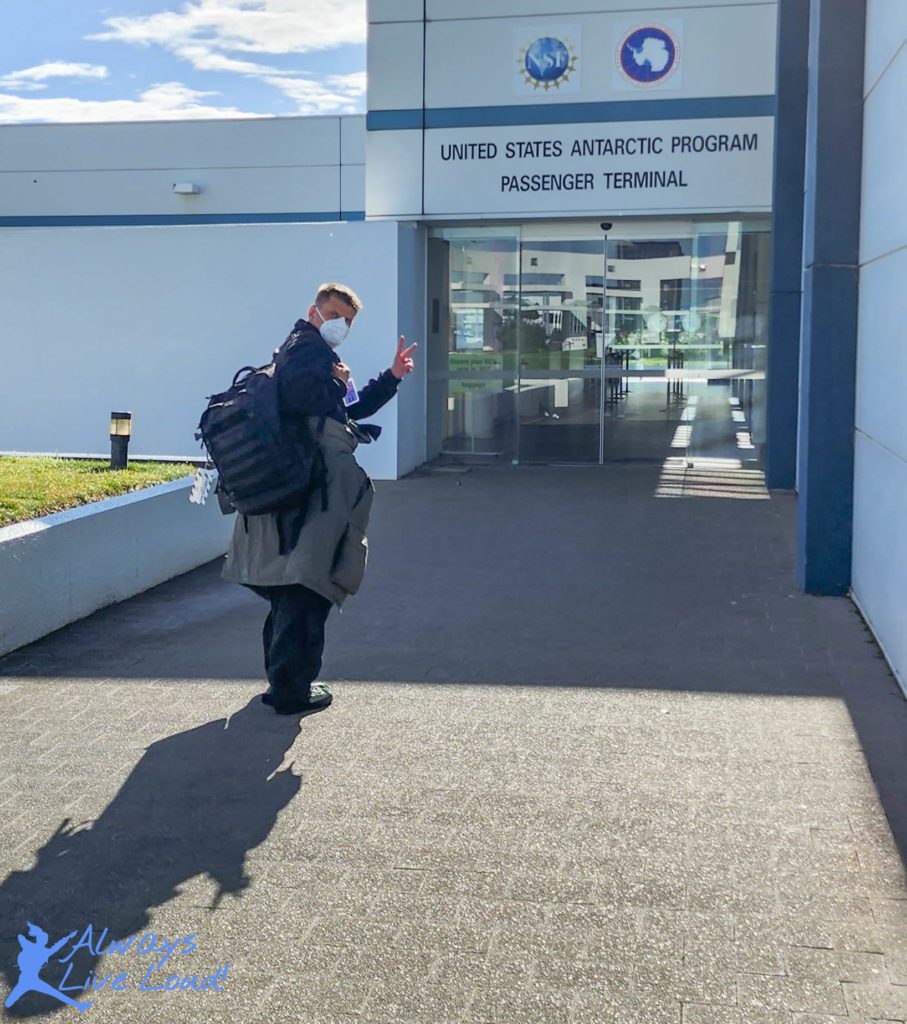
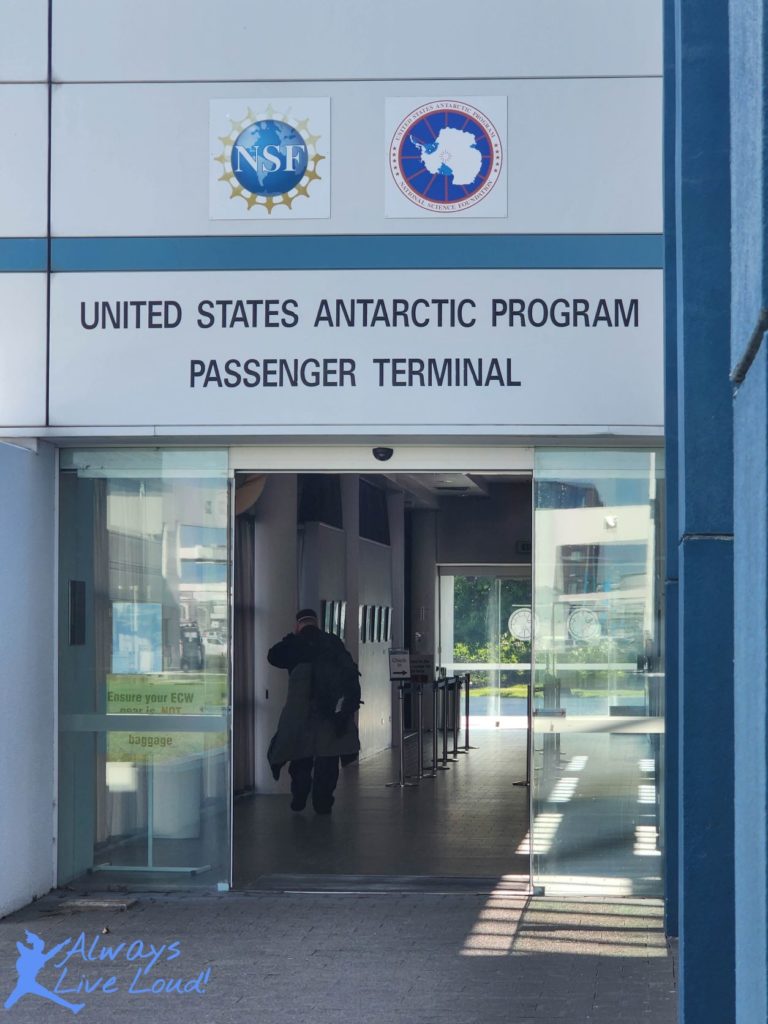
Approximately 30 countries participate in scientific research in Antarctica. Some of the bases open year-round, while others only open during summer. The NSF oversees all US scientific research carried out in Antarctica. McMurdo station is the US central research station in Antarctica. It is located on the south tip of Ross Island. During the austral summer, McMurdo station comes to life. All maintenance, support, and supply procedures are carried out during these months. The “skeleton crew” of approximately 150 people stays back to face the winter challenge.
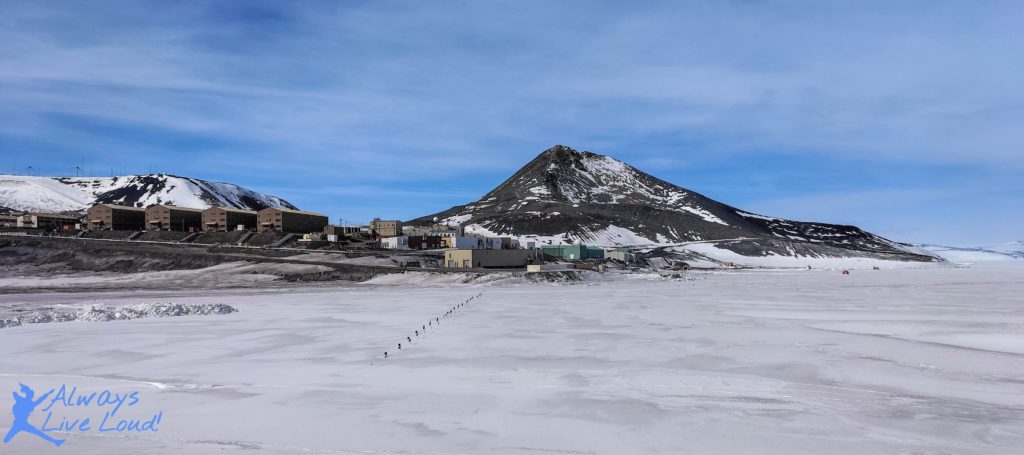
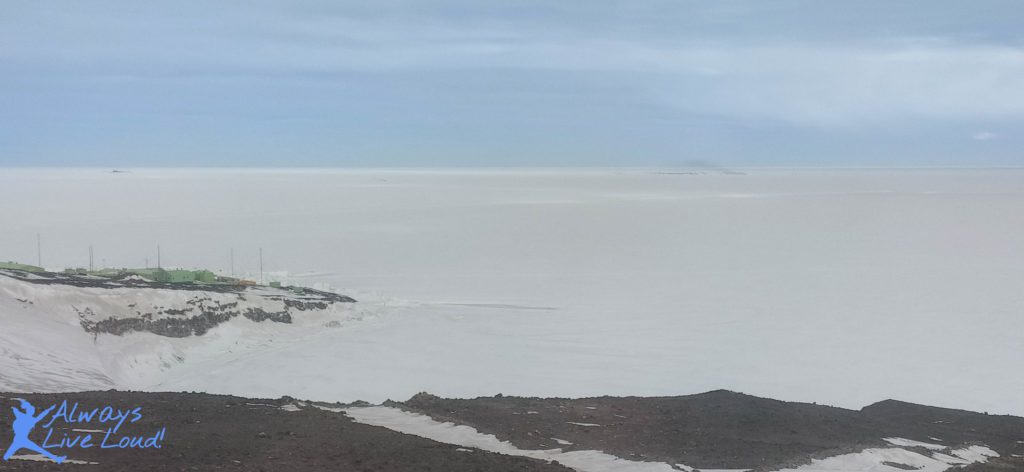
What and where is McMurdo Station?
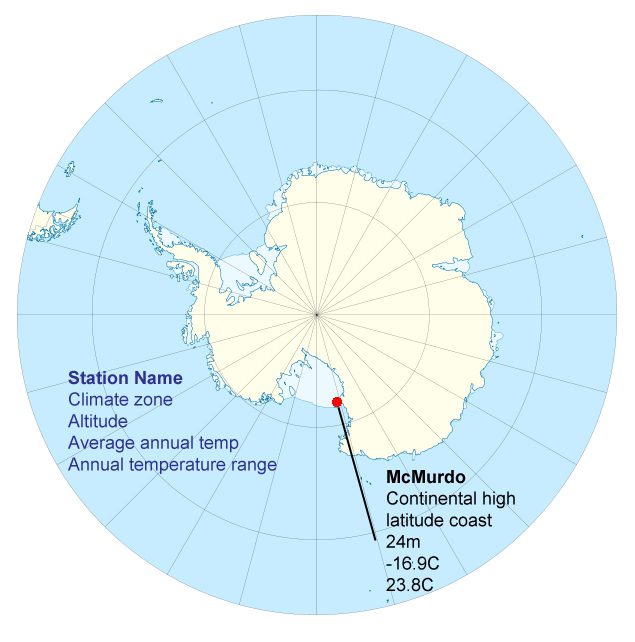
McMurdo Station is a US research facility established in 1956 and located at the south point of the Antarctica continent. It is built on solid land at the south tip of Ross Island and the end of a peninsula called Hut Point Peninsula.
This is the center of scientific programs and experiments. McMurdo is the starting point for many field parties that travel to different places in Antarctica to carry out scientific work.
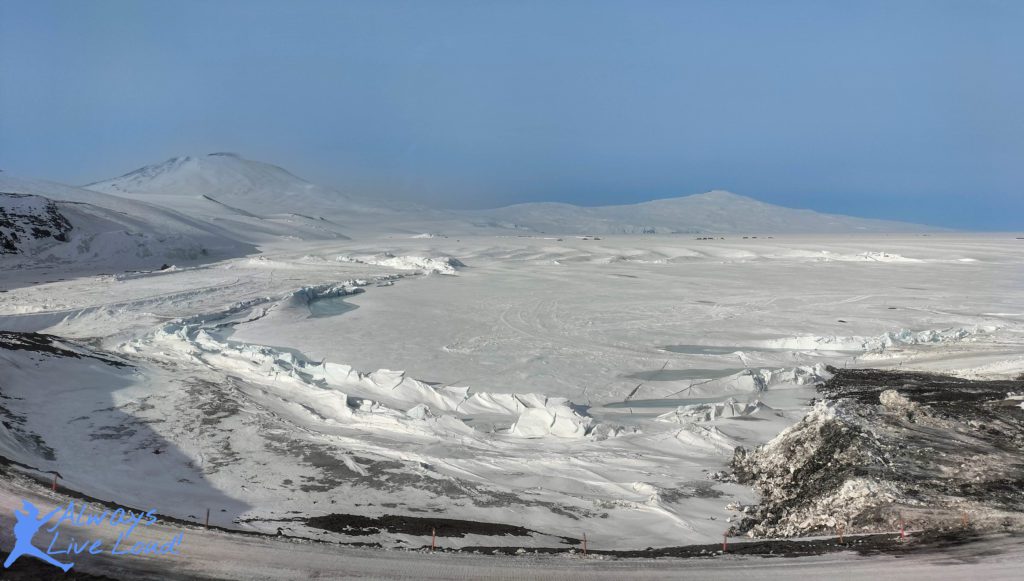
McMurdo Station has numerous permanent structures that accommodate more than 1000 personnel during the summer. It is a city with administrative buildings, laboratories, workshops, fire departments, medical centers, sleeping quarters, dinner facilities, warehouses, and recreational facilities. It is interesting to note that McMurdo has an active volcano nearby called Mt. Erebus.
Food in Antarctica
The US resupply ship arrives at McMurdo in January with food and other winter supplies. Most food arrives either frozen or in a dry but can-be-frozen state. Very little food is delivered from New Zealand and Australia in fresh form during summer. All the incoming food is stored at McMurdo food warehouses and later distributed throughout numerous research facilities and camps.
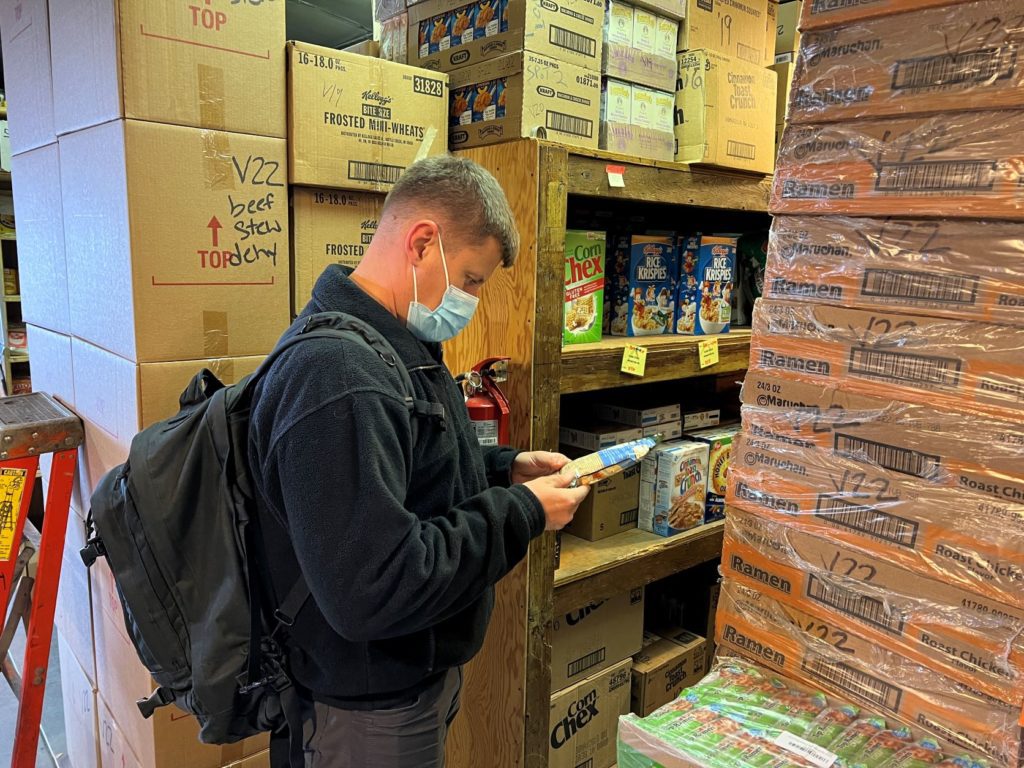
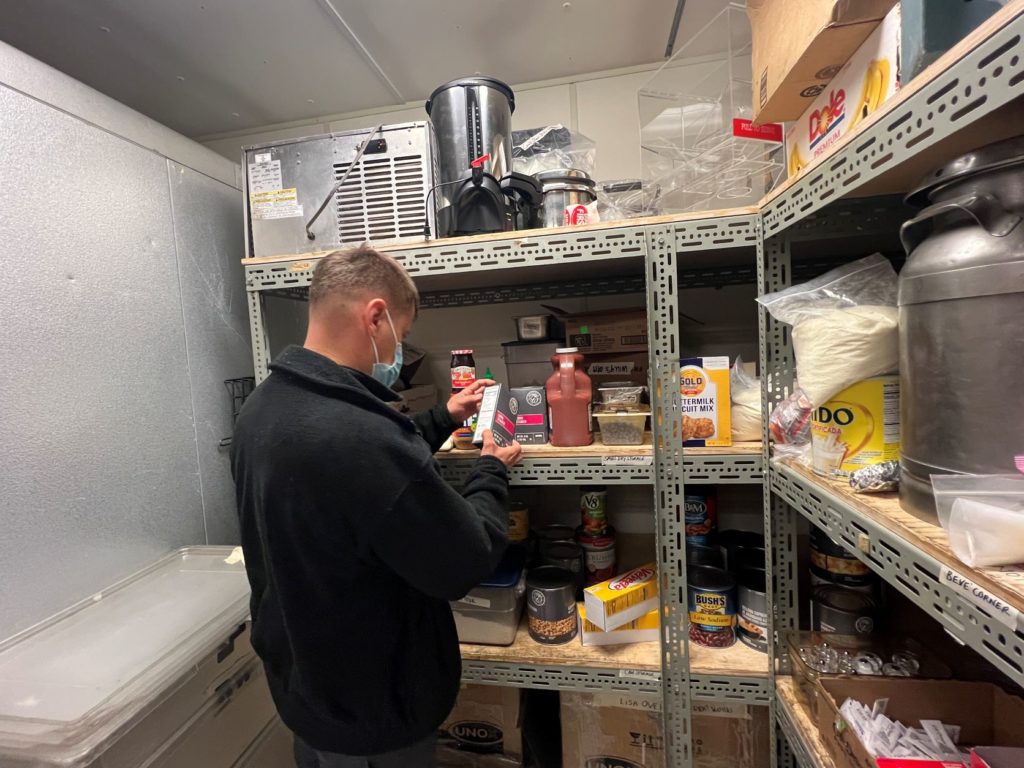
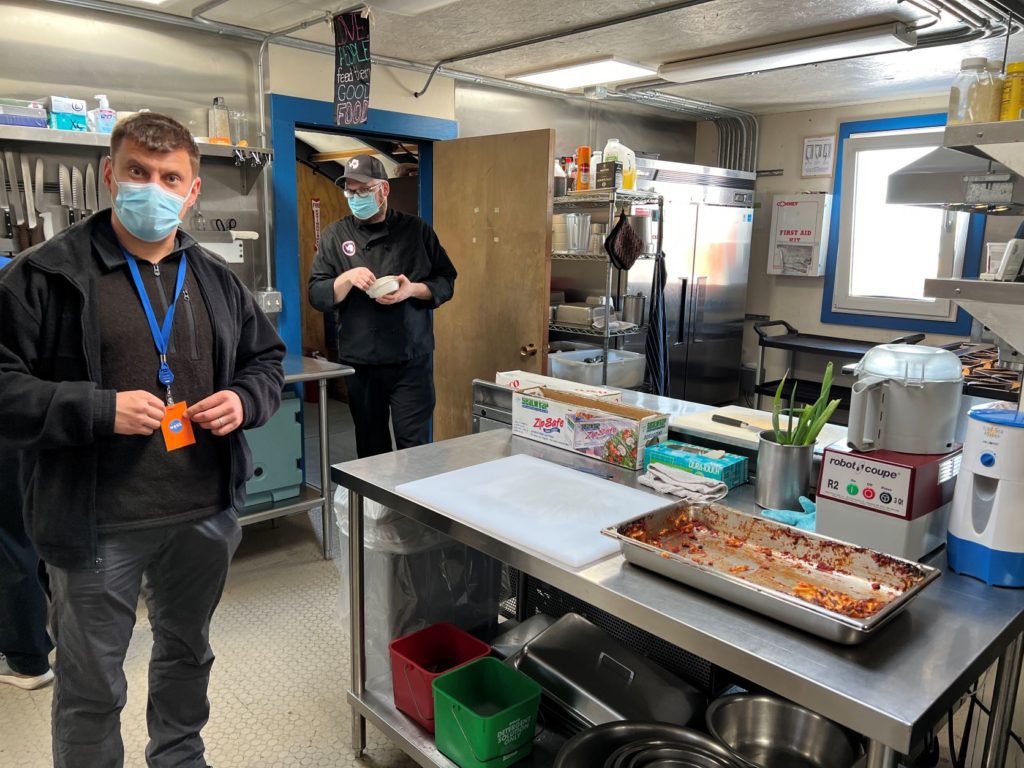
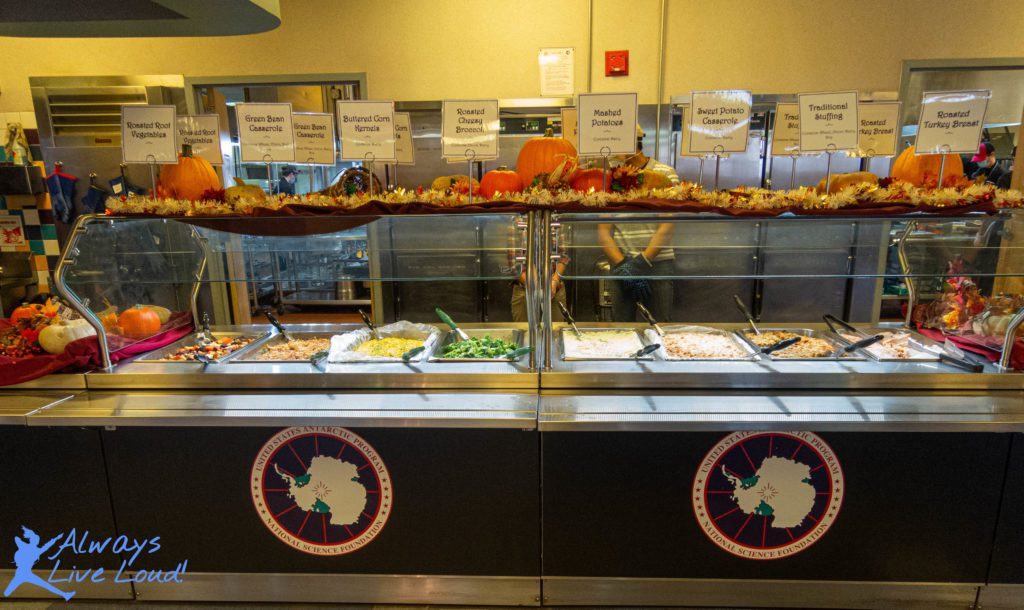
The types of prepared food vary according to the station’s size. McMurdo has the most selected variety of meals, ranging from tacos to steak to several types of ready-to-order pizza in the main dining facility. The distant research sites have limited food options, down to dehydrated meals only.
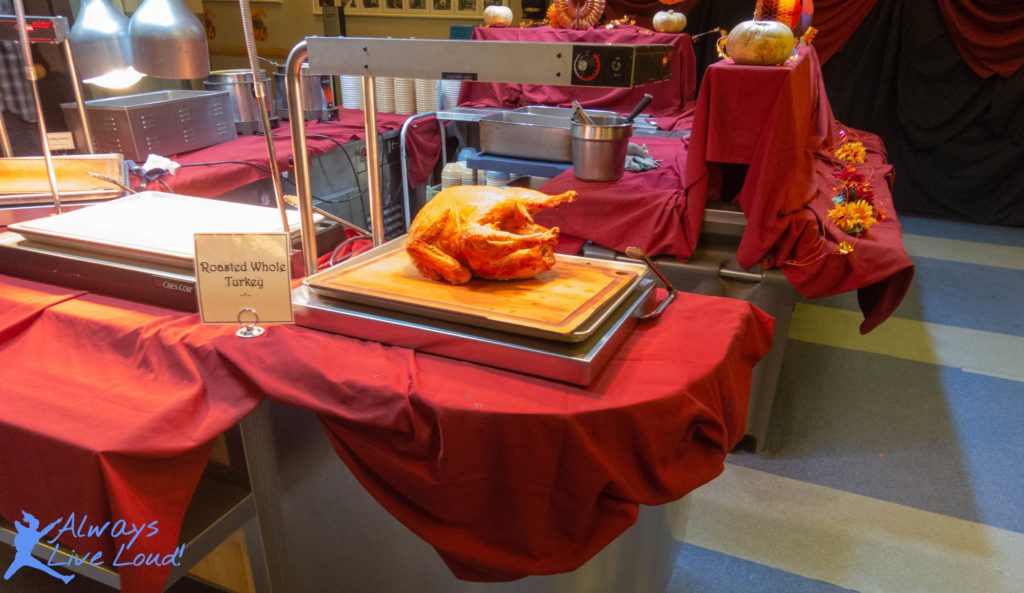
as I mentioned on the Mid-Winter Day blog, Thanksgiving and Christmas dinners are the two gluttony events for those fortunate to stay at McMurdo. During these events, dozens of turkeys and made-from-scratch pies are prepared for over 800 personnel present at McMurdo.
The South Pole also has chefs preparing similar but smaller meals. A limited number of personnel do travel to McMurdo from adjacent sites to enjoy these events. The McMurdo also has two bars that serve coffee during certain times of the day and a limited number of alcoholic beverages in the evenings.
How waste is handled in Antarctica
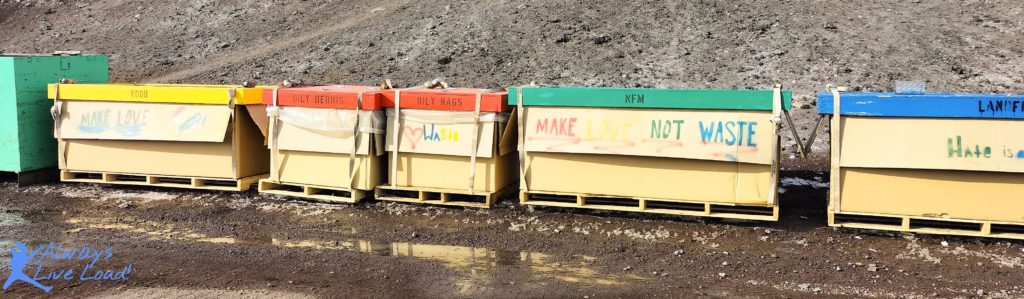
The same cargo ship delivering resupplies also picks up all waste at McMurdo. Every piece of waste is carefully separated, loaded, and shipped off the continent. Some research areas will not allow poultry to be present out of fears of spreading Avian Flu among local penguin populations.
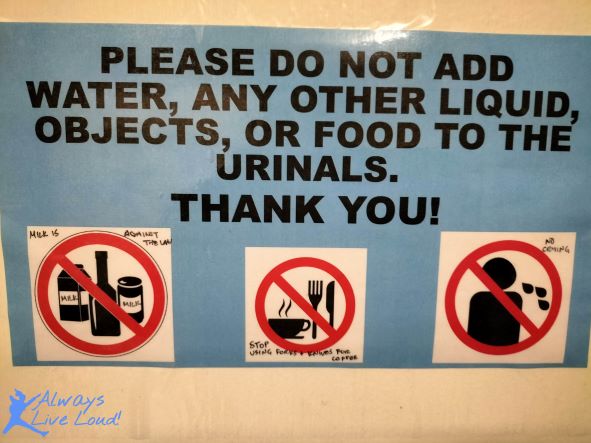
There are numerous hiking trails around McMurdo that people can explore in groups in their free time. No human trash or excrement is to be disposed of anywhere on ice or hiking trails. Hikers must take specially designed plastic bottles and bags to dispose of the human excrement during their hikes. All lodging areas on the base have recycling stations on each floor. Even toilet urinals are strictly subject to a specific type of waste.
Pegasus Airfield
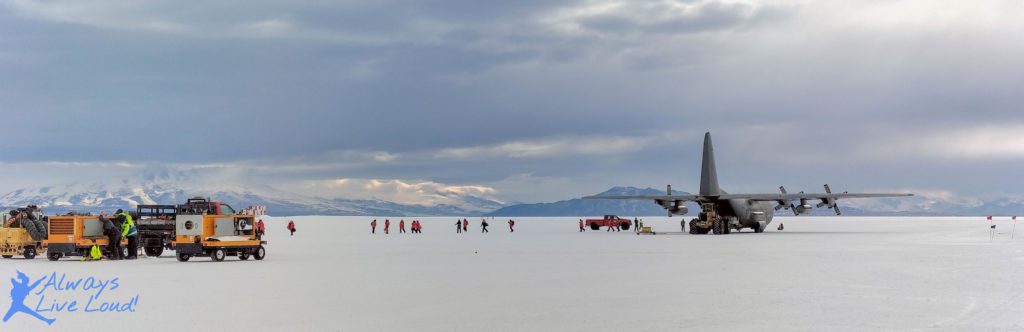
The planes used for transportation at McMurdo are specially designed for landing on ice and snow. The scary part is that the airfield is built on dozens of feet of ice with hundreds of meters of water underneath.
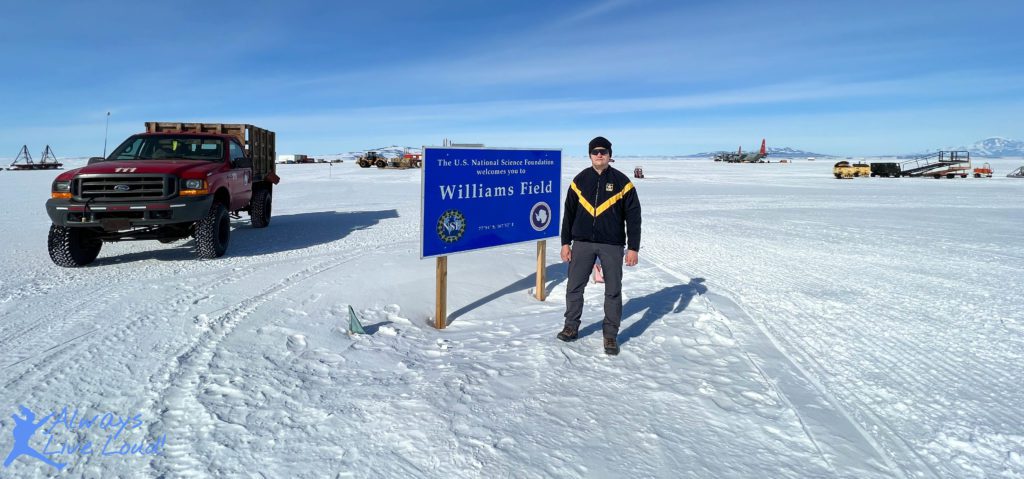
Just before the start of the summer season, in mid-September, the Ice Airfield is used as the main airfield due to its capability to take heavy cargo planes such as C-17 Globemaster III. As the ice gets thinner in November and December, the Williams Field airfield becomes the main runway for cargo planes outfitted with the skies, mainly LC-130. All aircraft maintenance and traffic control are accomplished using portable trailers on sleds.
Landing on the icy airfield gives you a strange feeling of being suspended over freezing waters 1000 ft deep. Also, the ice on which airfields are built is continuously drifting toward the bay’s shore.

Operation Deep Freeze
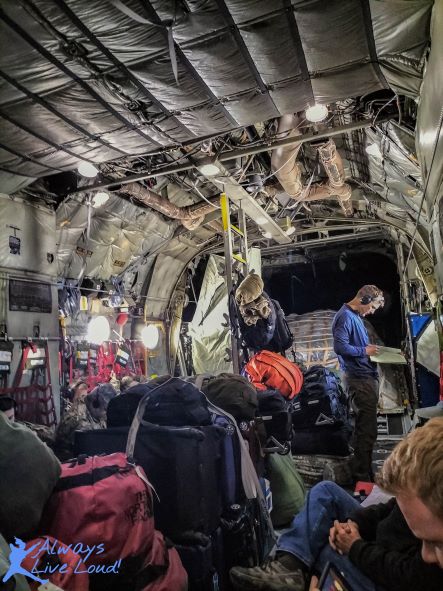
The US New York Air National Guard is the primary unit involved in operating military cargo planes used to transport people and equipment in Antarctica. This operation is called Operation Deep Freeze. The mission was created in 1956 and is still current today. The NY Air National Guard unit is tasked with regular resupply operations during austral summer. This is the only unit in the US Air Force to maintain ski-equipped LC-130 planes capable of landing on icy runways.
It takes approximately five hours on a C-17 plane to reach McMurdo, compared to seven hours on an LC-130 (or its C-130 variant of Royal New Zealand Air Force). All military planes depart from Christchurch, New Zealand.
One thing to remember: Don’t expect a comfortable ride on any military aircraft. The seats are situated alongside the plane fuselage and are not flight-friendly for long flights. The toilets inside the planes consist of metal urinals with shower-type curtains for the number one type or metal buckets for the number two type of human bodily excrement discharges.
I hope you liked and learned about visiting and working in Antarctica. I will have more adventures to tell next year when it’s time to go again to enjoy life in Antarctica.
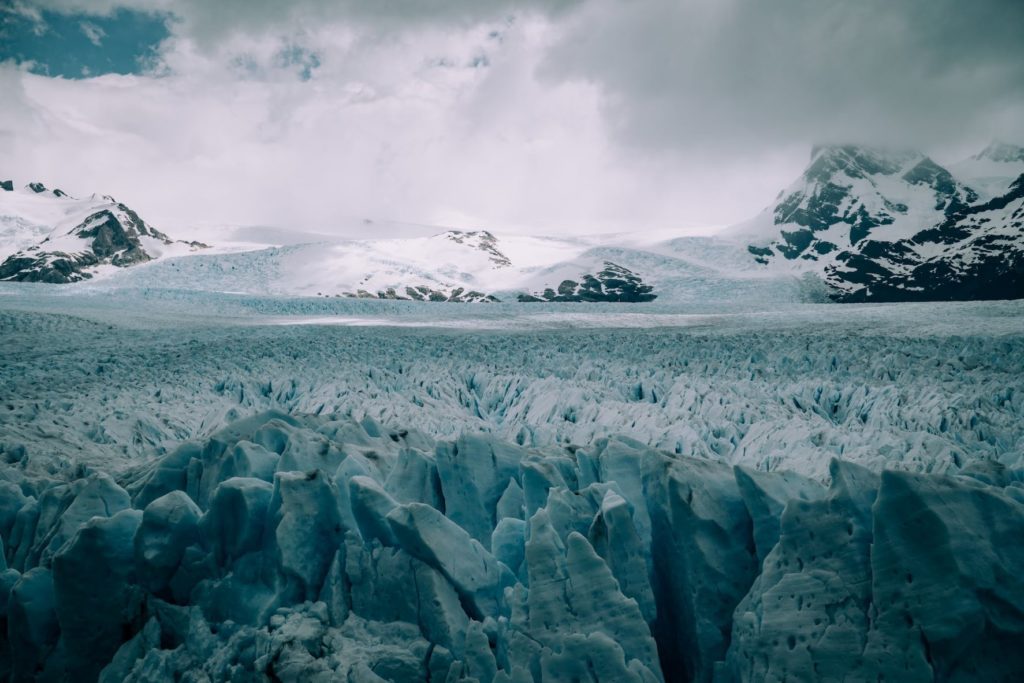
If Antarctica were music it would be Mozart. Art, and it would be Michelangelo. Literature, and it would be Shakespeare. And yet it is something even greater; the only place on earth that is still as it should be. May we never tame it.
Andrew Denton